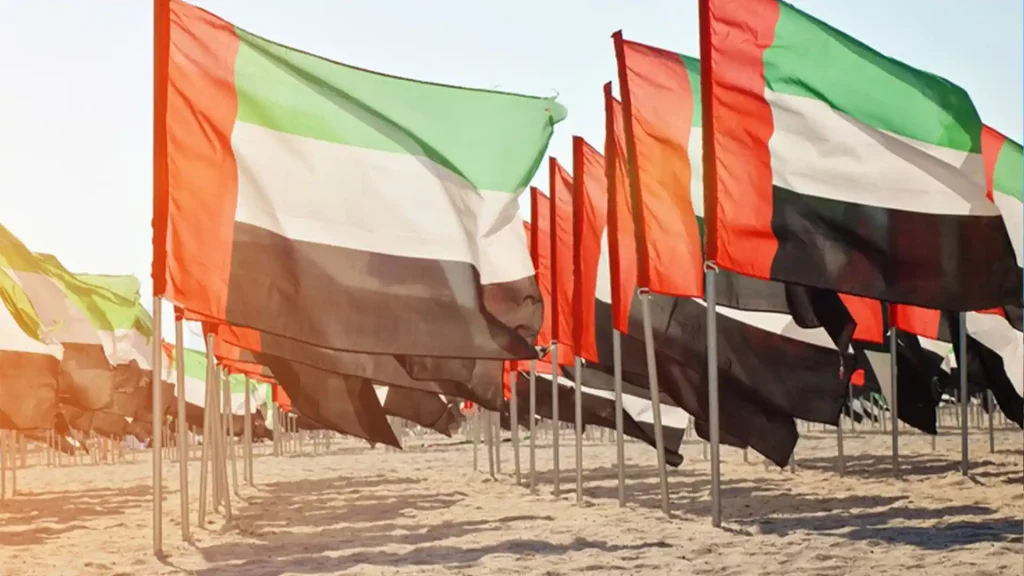
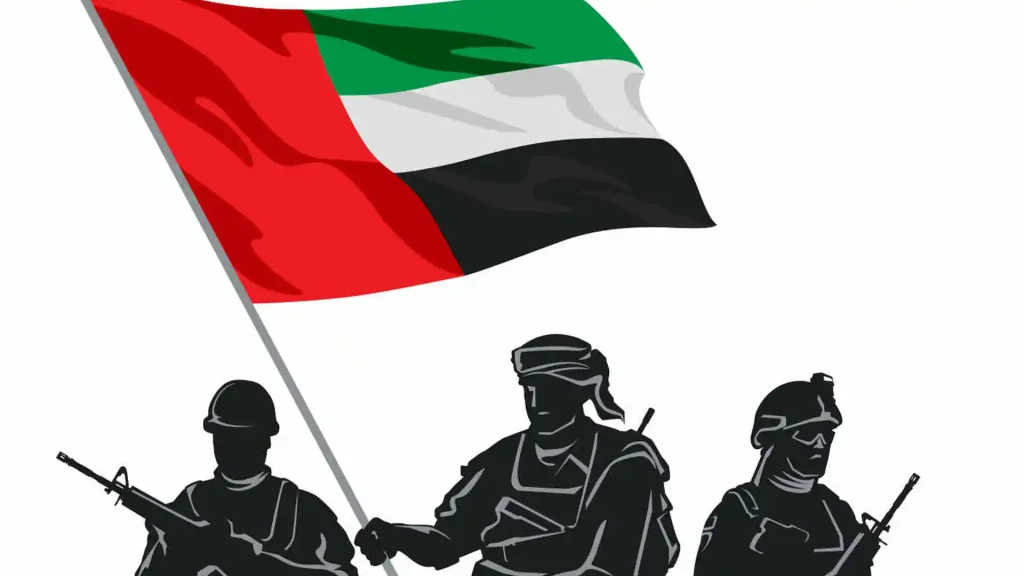
Honoring the spirit of sacrifice, UAE Commemoration Day pays tribute to the heroes whose courage and dedication are symbolized by a flag that stands unwavering, representing the nation’s enduring strength.
The Unyielding Flag: Honoring the Sacrifice Marked on UAE Commemoration Day.
Every year, on the 30th of November, the United Arab Emirates comes together to observe Commemoration Day, a solemn occasion dedicated to paying tribute to the Emirati men and women who have made the ultimate sacrifice in defense of their homeland. This day serves as a poignant reminder of the courage, commitment, and patriotism that have long been hallmarks of the UAE. Across the country, from government institutions to schools, citizens and residents alike pause to reflect on the bravery of those who gave their lives to protect the nation and preserve its peace and stability. It is a time not only to honor fallen heroes but also to reinforce the shared values of loyalty, unity, and national pride that continue to shape the UAE’s identity.
The significance of Commemoration Day goes far beyond ceremonial observances. It embodies a collective respect for those who have risked everything in the line of duty, whether in military service, civil defense, or other roles crucial to safeguarding the country. Flags are lowered to half-mast, official buildings are adorned with tributes, and public events often include moments of silence, prayers, and educational programs that recount the heroism of the fallen. The day resonates deeply within Emirati society, serving as a bridge between past sacrifices and the ongoing responsibility of citizens to uphold the values that these heroes stood for.
The origins of Commemoration Day are closely tied to a pivotal chapter in the UAE’s history. The story begins just two days before the official formation of the nation, when a defining act of bravery marked a turning point in the young country’s journey. The events of that time underscored the resolve and dedication of Emiratis in defending their land, even in the face of grave danger. These sacrifices became a cornerstone of the nation’s narrative, laying the foundation for the collective memory that Commemoration Day now preserves. Over the years, this day has evolved into a symbol of national solidarity, reminding each generation that freedom, security, and progress are the results of courage, commitment, and sometimes unimaginable personal sacrifice.
Beyond honoring the individuals who gave their lives, Commemoration Day also highlights the unity of the UAE as a nation. Families, schools, government offices, and communities come together to reflect on the lessons of resilience, dedication, and patriotism exemplified by the martyrs. Educational initiatives, documentaries, and media coverage emphasize the importance of remembering history while inspiring a sense of civic duty and responsibility among younger generations. The day is a reminder that the security and prosperity enjoyed today are built upon the sacrifices of those who came before.
In essence, Commemoration Day is both a solemn tribute and a living reminder of the principles upon which the UAE was built. It celebrates courage in the face of adversity, loyalty to the nation, and the enduring strength of unity. Through ceremonies, stories, and public reflection, the country collectively honors its heroes, ensuring that their legacy continues to inspire pride, gratitude, and dedication among all who call the UAE home.

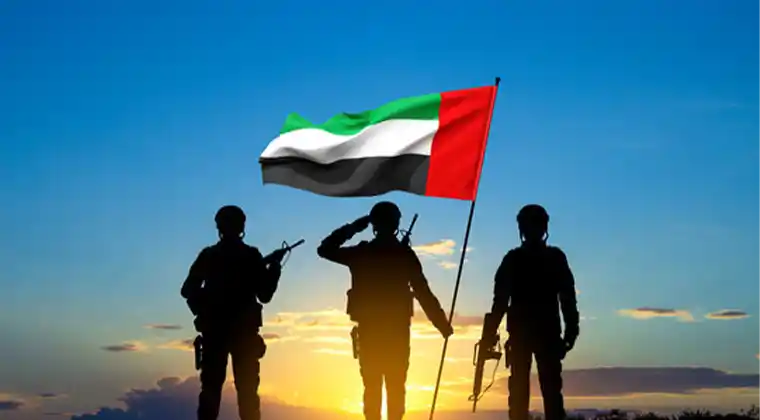
November 30 holds a special place in the hearts of Emiratis, as it was chosen to serve as Commemoration Day in honor of the nation’s first official martyr, Salem Suhail bin Khamis Al Dahmani. On this date in 1971, Salem, a young police officer of just 20 years, laid down his life while bravely defending the sovereignty and security of the United Arab Emirates. His selfless actions became a defining moment in the country’s history, symbolizing the courage, dedication, and unwavering sense of duty that continue to inspire generations of Emiratis today. The day not only commemorates his personal sacrifice but also stands as a broader recognition of all men and women who have risked and, in some cases, given their lives in service to their nation. Salem’s legacy is a lasting reminder of patriotism, heroism, and the enduring spirit of those who defend the UAE’s safety and values.
At the time of his heroic stand, Salem Suhail bin Khamis Al Dahmani was in charge of a small police outpost on the strategically important island of Greater Tunb, which was part of the Emirate of Ras Al Khaimah. The post consisted of just six officers under his command, a modest team tasked with overseeing the security and sovereignty of the island. Despite the small size of his unit, Salem carried the weighty responsibility of safeguarding his homeland and maintaining the authority of his nation in the face of looming threats. His leadership and courage were tested in circumstances few could have imagined.
On the morning of that fateful day in 1971, Iranian military forces approached the island, determined to assert control over Greater Tunb, as well as the neighboring islands of Lesser Tunb and Abu Musa. The Iranian forces arrived with the intent to occupy these territories, challenging the sovereignty of the young United Arab Emirates. Their presence immediately created a tense and dangerous situation for the small police detachment stationed on the island.
When the invaders demanded that the Ras Al Khaimah flag be removed from the police station and replaced with their own, Salem faced a critical decision. Rather than yielding to the pressures of the occupying forces, he made a courageous and unwavering choice. He refused to lower the flag, understanding the profound symbolic importance it represented—not only as a marker of territorial sovereignty but also as a symbol of national pride, honor, and identity. His defiance in the face of overwhelming odds was a testament to his dedication, bravery, and unshakable commitment to his homeland.
Salem’s act of resistance, carried out with only a handful of colleagues by his side, has since become a defining moment in the UAE’s history. It reflects the extraordinary courage required to defend one’s country, even when confronted by a vastly superior force. By standing firm, Salem Suhail bin Khamis Al Dahmani etched his name into the nation’s legacy, serving as an enduring symbol of heroism, patriotism, and the resolve to protect the UAE’s sovereignty at all costs.
The steadfast courage displayed by Salem Suhail bin Khamis Al Dahmani in the face of foreign aggression ultimately cost him his life, but it left an indelible mark on the history and consciousness of the United Arab Emirates. His willingness to stand firm, even when confronted with overwhelming military force, exemplified the values of bravery, honor, and unyielding patriotism that would come to define the young nation. Salem’s sacrifice was not merely a single act of heroism; it became a symbol of national pride and resilience, inspiring generations of Emiratis who would later contribute to the security, development, and unity of their country.
The confrontation that claimed Salem’s life is remembered in history as the Battle of Greater Tunb, a pivotal episode in the early narrative of the UAE. Though the islands of Greater Tunb, Lesser Tunb, and Abu Musa were small in size, their strategic significance and symbolic importance were enormous, and the courage of those defending them resonated far beyond their shores. Salem’s refusal to surrender the Ras Al Khaimah flag, even under direct threat from an invading force, embodied the unshakable determination to protect the sovereignty and dignity of the nation. This moment of defiance highlighted the profound connection between individual courage and collective national identity, demonstrating that even a handful of committed defenders could leave a lasting legacy.
Years later, recognizing the importance of preserving this legacy for future generations, the late President Sheikh Khalifa bin Zayed Al Nahyan took a historic step in 2015. Through an official decree, he designated November 30 as Commemoration Day, a day to honor and remember all Emirati martyrs who had given their lives in the service of the nation. This decree formally enshrined the sacrifices of Salem Suhail bin Khamis Al Dahmani and countless others into the national calendar, ensuring that their bravery would never be forgotten. It created a formal occasion for the nation to pause, reflect, and pay tribute to the heroes whose selflessness and dedication laid the foundation for the UAE’s security, stability, and prosperity.
Commemoration Day today serves as more than a memorial; it is a celebration of the principles of courage, loyalty, and unity that underpin the UAE’s identity. Through ceremonies, educational programs, and public observances, the nation honors not only Salem but also all the men and women who have risked and sacrificed their lives to protect the homeland. Their stories continue to inspire pride, reinforce national cohesion, and remind citizens and residents alike of the profound cost of freedom and sovereignty. Salem’s sacrifice, once a singular act of bravery, now represents the enduring spirit of the UAE—a legacy that continues to guide and inspire the nation with each passing year.
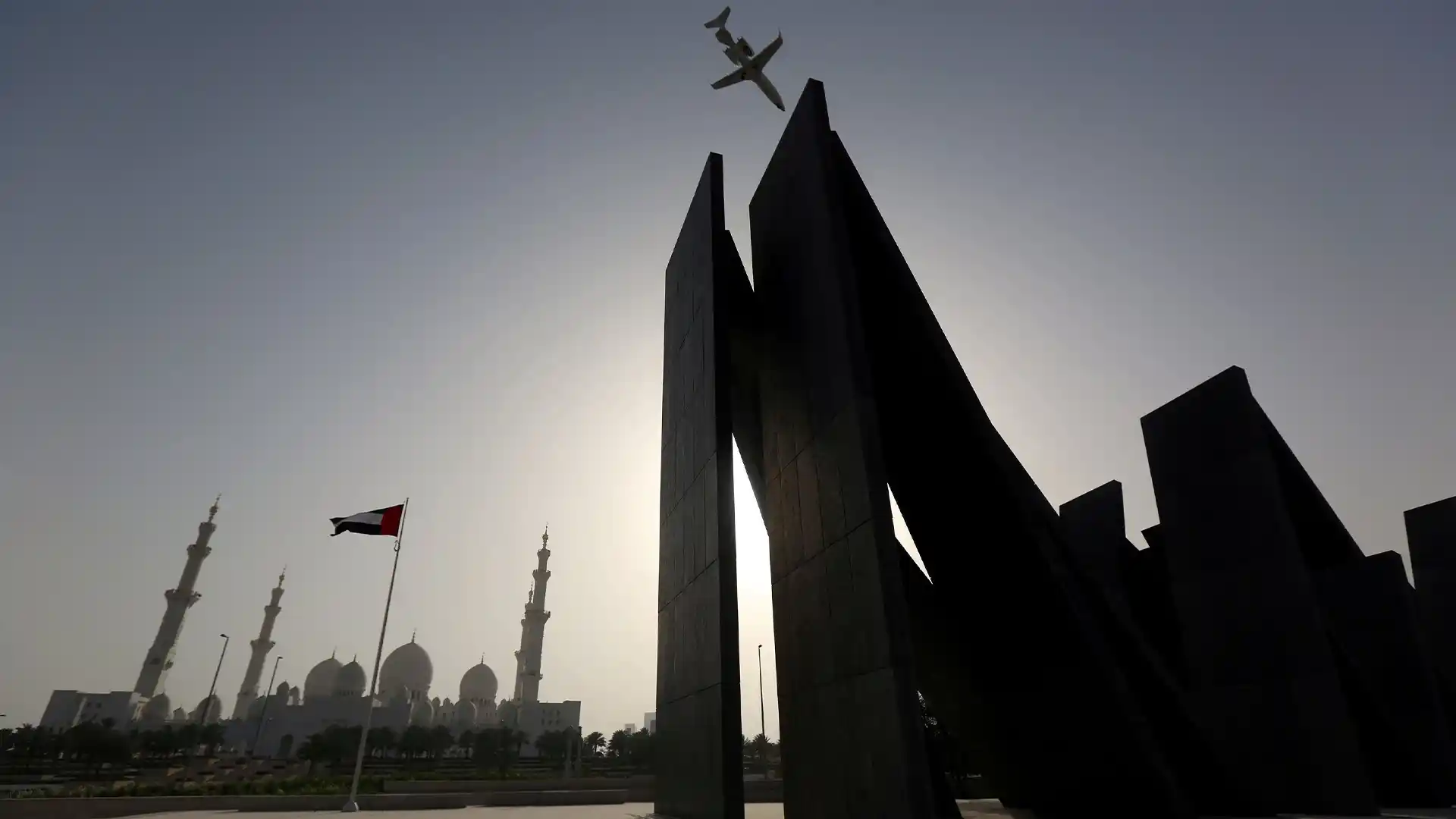
Wahat Al Karama, which translates to the “Oasis of Dignity,” stands as the heart of the United Arab Emirates’ Commemoration Day observances. Nestled in Abu Dhabi and situated directly across from the iconic Sheikh Zayed Grand Mosque, this monumental site has become a focal point for national reflection, honoring the courage and sacrifices of Emiratis who gave their lives in service to their country. Spanning an impressive 46,000 square meters, Wahat Al Karama is more than just a memorial; it is a carefully crafted space where the nation pauses to pay homage to its fallen heroes, to celebrate their bravery, and to reflect on the values that they embodied.
The memorial was conceived not only as a tribute to individual acts of heroism but also as a symbol of the UAE’s collective identity. Its design carries deep layers of meaning, with each element carefully planned to evoke a sense of reverence, unity, and patriotism. At the center of the site stands The Memorial, a striking composition of 31 aluminum-clad tablets, each towering and monumental. These tablets are deliberately arranged to lean against one another, creating a visual representation of mutual support, solidarity, and cohesion. This alignment symbolizes the inseparable bond between the nation’s leadership and its people—a reminder that the country’s progress and security are built upon shared responsibility, trust, and collaboration.
Visitors to Wahat Al Karama experience a profound sense of solemnity as they walk through the memorial grounds. The tablets bear no inscriptions of individual names; instead, the focus is on the collective sacrifice of all those who have served the nation, reflecting the UAE’s philosophy that heroism is a shared, unifying experience. Surrounding the main tablets are public spaces, pathways, and landscaped areas that allow individuals to engage in quiet contemplation, offering a physical and emotional journey through the values that the nation holds dear.
The design and architectural elements of Wahat Al Karama were chosen to inspire both reflection and awe. From the gleaming aluminum surfaces that shimmer under the Abu Dhabi sun to the imposing scale of the tablets, the memorial evokes the strength, resilience, and dignity of the Emirati people. Its proximity to the Sheikh Zayed Grand Mosque further enhances its significance, linking spiritual reverence with national pride, and reinforcing the idea that the sacrifices of the past are intertwined with the country’s moral and cultural foundations.
Each year, on Commemoration Day, the memorial becomes a gathering point for leaders, citizens, residents, and visitors, who assemble to pay their respects through ceremonies, prayers, and moments of silence. The atmosphere at Wahat Al Karama during these events is one of solemn gratitude, as individuals collectively honor those who laid down their lives to defend the UAE’s sovereignty and values. Beyond its ceremonial function, the memorial also serves as an enduring educational space, reminding younger generations of the courage, dedication, and patriotism that continue to define the nation.
In essence, Wahat Al Karama is not merely a site of remembrance—it is a living tribute to heroism, unity, and national pride. Through its symbolic design, impressive scale, and careful positioning within the heart of Abu Dhabi, it stands as a permanent testament to the sacrifices of Emiratis and a beacon of the values that underpin the UAE’s identity. The memorial ensures that the stories of bravery and loyalty remain etched in the nation’s consciousness, inspiring respect, reflection, and devotion for generations to come.
The design of Wahat Al Karama goes beyond its monumental scale, incorporating elements that carry profound symbolic and emotional significance. The towering pillars that form part of the memorial are not merely architectural features; they are inscribed with poems, reflections, and quotations from the UAE’s leaders, capturing the ideals of courage, patriotism, and dedication that the nation holds dear. These inscriptions serve as a reminder that the sacrifices of the country’s martyrs are deeply intertwined with the values espoused by the leadership, emphasizing the unity between those who govern and those who serve and protect the nation.
At the very heart of the site stands the Pavilion of Honor, a circular structure designed to act as the focal point of remembrance. Within this pavilion, the names of every Emirati who has given their life in service to the country are engraved on polished panels. Remarkably, these panels are crafted from recycled aluminum sourced from decommissioned armored vehicles, a meaningful choice that connects the memorial to the very instruments used to defend the nation, while also embodying sustainability and resourcefulness. The first name to be displayed is that of Salem Suhail bin Khamis Al Dahmani, the UAE’s first martyr, whose story of courage set a precedent for generations of Emiratis who would follow in his footsteps.
In addition to the Pavilion of Honor, Wahat Al Karama includes the Memorial Plaza, a vast, open-air amphitheater designed to accommodate large gatherings. This plaza becomes the central stage for the UAE’s annual Commemoration Day ceremonies, where the nation collectively pauses to honor its heroes. On this day, government officials, members of the armed forces, and citizens come together to pay tribute, offering prayers, observing moments of silence, and participating in ceremonies that celebrate the lives and sacrifices of the fallen. The open design of the plaza allows visitors to fully engage with the solemnity of the occasion, providing a sense of both intimacy and communal unity as people reflect on the enduring legacy of the martyrs.
Every element of Wahat Al Karama, from its inscribed pillars to the Pavilion of Honor and the expansive Memorial Plaza, has been carefully designed to inspire reflection, reverence, and gratitude. The combination of symbolic architecture, meaningful materials, and communal spaces ensures that the stories of the UAE’s heroes are permanently etched into the national consciousness. The site stands as a testament not only to individual acts of bravery but also to the collective strength, unity, and pride of a nation that honors and remembers those who gave everything to protect its sovereignty and values.
Traditions and Ceremonies of Commemoration Day
Across the United Arab Emirates, Commemoration Day is observed with deep reverence, solemnity, and a profound sense of national unity. The occasion, dedicated to honoring the Emiratis who sacrificed their lives for their homeland, is marked by meticulously planned ceremonies that are followed across all emirates. Official guidelines ensure that the day is celebrated with dignity, maintaining consistency in protocols and observances nationwide, reinforcing the shared values of patriotism, respect, and collective memory that form the backbone of Emirati identity.
The day’s commemorative activities begin early in the morning, signaling the start of a period of reflection and remembrance. At precisely 8:00 a.m., the UAE flag is lowered to half-mast at all government offices, public institutions, military sites, and key landmarks throughout the country. This gesture of lowering the flag serves as a visual declaration of mourning, reminding citizens and residents alike of the lives lost in the line of duty. The sight of the flag at half-mast across city skylines, government buildings, and public squares creates a unifying moment, symbolically linking the entire nation in shared grief and respect.
The solemnity of the day continues with a nationwide pause at 11:30 a.m., when citizens, residents, and institutions across the UAE come to a complete stop for a minute of silent prayer and reflection. During this brief but powerful moment, all activities—whether in workplaces, schools, or public spaces—cease to honor those who gave everything to defend the country. This minute of silence is observed with utmost sincerity, allowing people to reflect on the sacrifices of the nation’s heroes, the values they upheld, and the enduring legacy they left behind. For many, it is a time to offer prayers, remember loved ones, and express gratitude for the protection and security that these sacrifices have ensured.
Immediately following this moment of silence, at exactly 11:31 a.m., the national ritual continues with the raising of the UAE flag back to full mast. This act symbolizes resilience, continuity, and the nation’s ongoing commitment to the principles for which the martyrs gave their lives. The flag-raising is accompanied by the playing of the UAE national anthem, a musical tribute that reinforces national pride and unity. The anthem resonates across public spaces, institutions, and homes, evoking a sense of belonging and collective memory, reminding everyone of the enduring spirit of the nation and the importance of honoring those who have contributed to its safety and prosperity.
Beyond these central ceremonies, Commemoration Day is often observed with additional tributes and activities, such as educational programs in schools, special prayers in mosques, memorial services at Wahat Al Karama, and media programs recounting the stories of fallen heroes. These activities help instill the values of courage, loyalty, and national service in younger generations while allowing citizens to reflect on the significance of sacrifice in shaping the UAE’s history.
In essence, the traditions and ceremonies of Commemoration Day are designed to foster national solidarity, respect for history, and gratitude for the selfless service of Emiratis who gave their lives for their homeland. Through coordinated, solemn observances, the nation collectively remembers, honors, and celebrates its heroes, ensuring that their legacy continues to inspire and guide the UAE for generations to come.