“A UAE-based expert shares striking images capturing the widespread effects of the recent volcanic eruption in Ethiopia, revealing how its ash and impact are being felt across the Middle East.”
“UAE Specialist Releases Images Showing Impact of Ethiopia Volcano Eruption Across the Middle East”
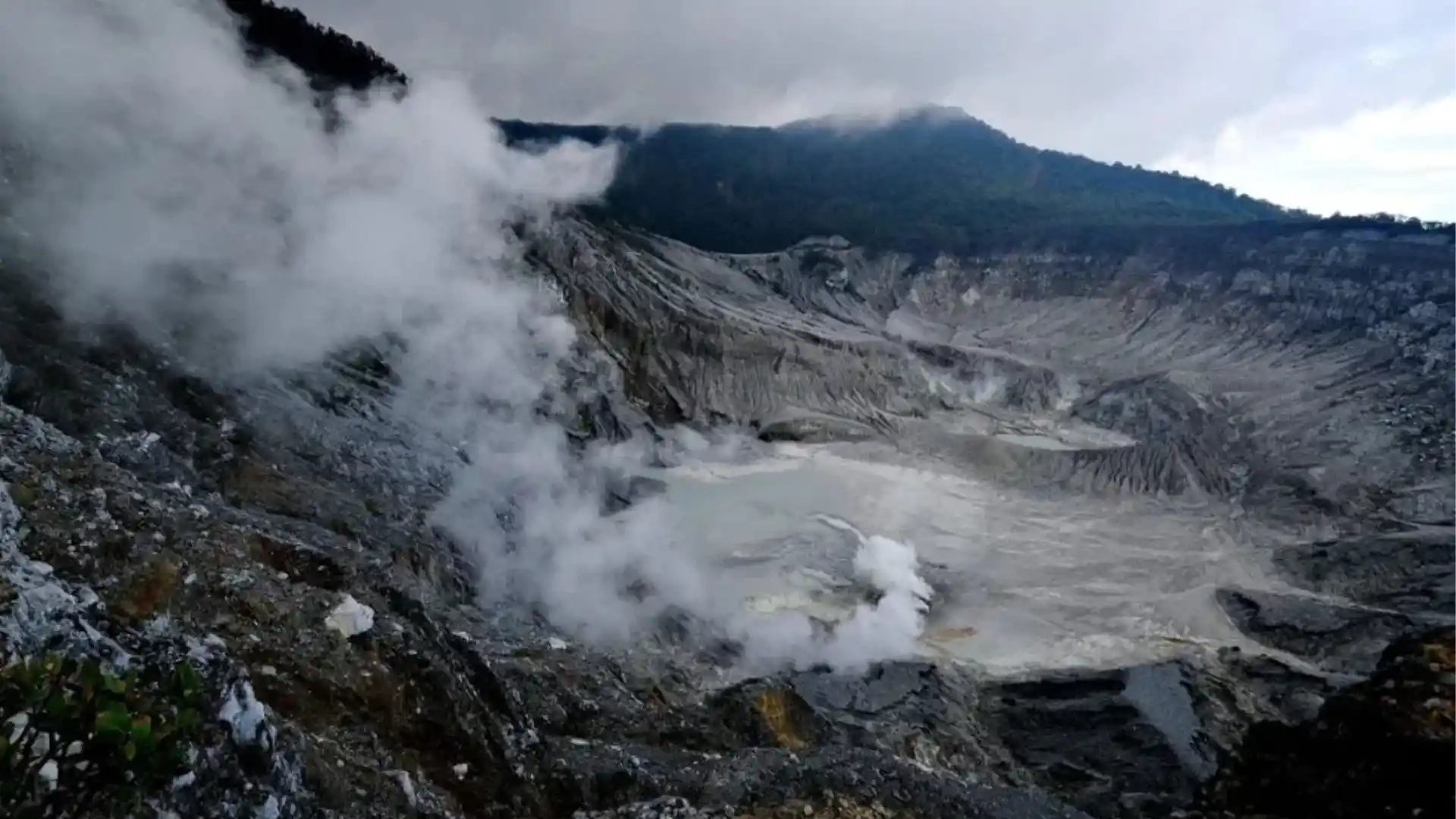
The recent eruption of the Hayli Gubbi volcano in Ethiopia marked a momentous geological event, as this volcano had remained dormant for nearly 12,000 years before suddenly awakening. According to Shawkat Odeh, an expert at the International Astronomical Centre, the eruption, which occurred on November 23 and continued into November 24, released a significant amount of sulphur dioxide into the atmosphere. This gas, a byproduct of volcanic activity, quickly dispersed across the surrounding region, highlighting the scale and intensity of the eruption. The emission of sulphur dioxide not only has immediate environmental effects but also has broader implications for air quality, weather patterns, and atmospheric chemistry in the areas affected.
Experts like Odeh have emphasized that while volcanic eruptions are natural occurrences, the sheer dormancy period of Hayli Gubbi makes this eruption particularly remarkable. For thousands of years, the volcano had remained inactive, leaving no recorded instances of eruptions in modern history, which makes the sudden release of gases and volcanic material especially noteworthy. The dispersion of sulphur dioxide across the region is closely monitored by scientists, as it can influence cloud formation, temperature regulation, and even regional climate conditions.
Satellite imagery and atmospheric analysis have allowed specialists to track the spread of these volcanic gases in real time, revealing the far-reaching impact of what might otherwise be considered a localized geological event. The eruption has also drawn the attention of researchers and environmental observers across the Middle East, as transboundary atmospheric effects from such events can extend thousands of kilometers, subtly influencing air quality and visibility in neighboring countries.
In summary, the Hayli Gubbi volcano’s eruption after nearly 12 millennia has had a profound effect on the atmosphere, with sulphur dioxide emissions spreading throughout the region on November 23 and 24. Experts like Shawkat Odeh are closely studying this phenomenon, underlining the significance of long-dormant volcanoes in shaping both local and regional environmental conditions.
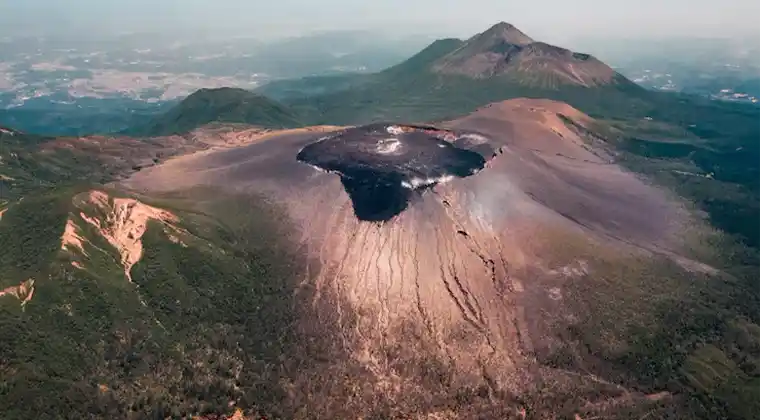

Immediately following the eruption of the Hayli Gubbi volcano in Ethiopia, satellites positioned in orbit were able to capture detailed imagery showing the initial movement and dispersion of volcanic gases. On November 23, these images revealed the specific areas where sulphur dioxide and other volcanic emissions were starting to spread through the atmosphere. Scientists closely analyzed the data to track the direction and extent of the gas, allowing them to monitor how the eruption was influencing air quality and atmospheric conditions in real time. The satellite observations provided critical insights into the early stages of the gas’s regional impact.
By the following day, November 24, the volcanic gases released from Ethiopia’s Hayli Gubbi eruption had spread extensively, reaching vast areas across Yemen and Oman. Satellite data and atmospheric monitoring confirmed that sulphur dioxide, a primary component of volcanic emissions, was now dispersed over a much broader region than the previous day, highlighting the speed and scale of its movement. Experts have been closely observing these developments, as the gas has the potential to affect air quality, visibility, and even local climate conditions in the affected areas.
Shawkat Odeh of the International Astronomical Centre noted that this is not the first instance of sulphur dioxide from volcanic eruptions reaching the Arabian Peninsula. In fact, during earlier volcanic events, similar patterns were observed, with gases traveling hundreds of kilometers and impacting neighboring regions. He recounted that on a previous occasion, the presence of volcanic emissions in the atmosphere caused remarkable changes in the sky’s appearance, with clouds and skies exhibiting unusual colors, including shades of red, orange, and purple. These phenomena occur due to the scattering of sunlight by volcanic particles and gases, creating visually striking effects.
Odeh emphasized that monitoring the spread of sulphur dioxide is essential not only for understanding atmospheric dynamics but also for preparing communities for potential environmental and health impacts. Such historical and current observations provide valuable insights into the far-reaching influence of volcanic activity in the region.
The recent eruption of Ethiopia’s Hayli Gubbi volcano has produced some striking visual phenomena in the skies above the region and beyond. As the volcanic sulphur dioxide gas dispersed into the atmosphere, it interacted with the natural colors of the sky, creating an unusual and remarkable visual effect. Shawkat Odeh, an expert at the International Astronomical Centre, explained that during this event, the deep blue of the late-afternoon sky blended seamlessly with the warm reds and oranges of the setting sun. This mixing of colors produced a vivid purple hue, a rare and eye-catching sight that left many observers in awe. According to Odeh, the sunlight scattering through the volcanic gases caused the post-sunset sky to shimmer with colors rarely seen in ordinary conditions, transforming the horizon into a display of atmospheric artistry.
The sulphur dioxide emitted by the volcano has been detected at an altitude of approximately 2.5 kilometers in the lower part of the troposphere, the atmospheric layer closest to Earth’s surface. At this elevation, the gas can travel significant distances, carried by wind currents, and influence air quality over a wide geographic area. Scientists closely monitor such emissions because sulphur dioxide is not only a visually striking gas but also an important environmental and health consideration. It is classified as one of the six primary pollutants regulated by the United States Environmental Protection Agency (EPA), alongside tropospheric ozone, nitrogen dioxide, lead, and fine particulate matter, including PM2.5 and PM10. These pollutants are tracked because they can have significant effects on human health, atmospheric chemistry, and climate patterns.
Sulphur dioxide, in particular, can contribute to the formation of acid rain when it reacts with water vapor in the atmosphere. It also plays a role in creating haze and reducing visibility, which can affect transportation, agriculture, and ecosystems. In addition, high concentrations of the gas can irritate the respiratory system, particularly in vulnerable populations such as children, the elderly, and individuals with pre-existing respiratory conditions.
The vivid purple skies observed following the eruption are a reminder of the intersection between natural beauty and environmental science. While the striking colors may captivate viewers, they also signal the movement of a gas that is carefully monitored worldwide due to its environmental significance. Observations of sulphur dioxide at lower tropospheric levels allow scientists to track the spread of volcanic emissions, anticipate potential impacts on air quality, and better understand how such phenomena influence both local weather and broader atmospheric processes.
Sulphur dioxide (SO₂) is a versatile gas that occurs both through human activity and natural processes. On the industrial side, it is released whenever fossil fuels such as coal, oil, and other petroleum-based products are burned. Power plants, factories, and vehicles that rely on these fuels contribute to the emission of this gas, making it a common component of air pollution in urban and industrialized areas. Industrial combustion processes produce sulphur dioxide in significant quantities, which can then disperse into the lower atmosphere and interact with other pollutants, contributing to smog formation, acid rain, and other environmental concerns.
In addition to human-made sources, sulphur dioxide is naturally emitted during geological and atmospheric events. One of the most prominent natural sources is volcanic activity. When a volcano erupts, gases trapped within the Earth’s interior, including sulphur dioxide, are released forcefully into the atmosphere. In such instances, the gas can ascend to the stratosphere, where it can remain suspended for days or even weeks, depending on atmospheric conditions. Once in the stratosphere, the gas can influence weather patterns and climate by reflecting sunlight and contributing to temporary cooling effects in some regions. Volcanic eruptions are thus an important natural source of sulphur dioxide, reminding us that this gas has always been part of the Earth’s atmospheric system.
The presence of sulphur dioxide in the air is not merely an environmental issue; it also has direct consequences for human health. Exposure to the gas, even at relatively low concentrations, can irritate the eyes, nose, and throat, causing discomfort and mild respiratory symptoms. For individuals with pre-existing conditions such as asthma or chronic bronchitis, these effects can be more pronounced. In situations where the gas concentration rises to higher levels, it can temporarily impair lung function and breathing, posing risks especially to vulnerable groups including children, the elderly, and those with respiratory illnesses. The gas reacts with moisture in the respiratory tract, producing mild to moderate irritation, and in extreme cases can lead to short-term breathing difficulties.
Because of its dual sources—industrial and natural—and its potential impact on both the environment and human health, monitoring sulphur dioxide levels is a critical part of atmospheric science and public health management. Understanding how it behaves in the atmosphere, where it accumulates, and its concentration levels helps authorities implement safety measures, issue advisories, and reduce human exposure, whether during industrial emissions or volcanic events.
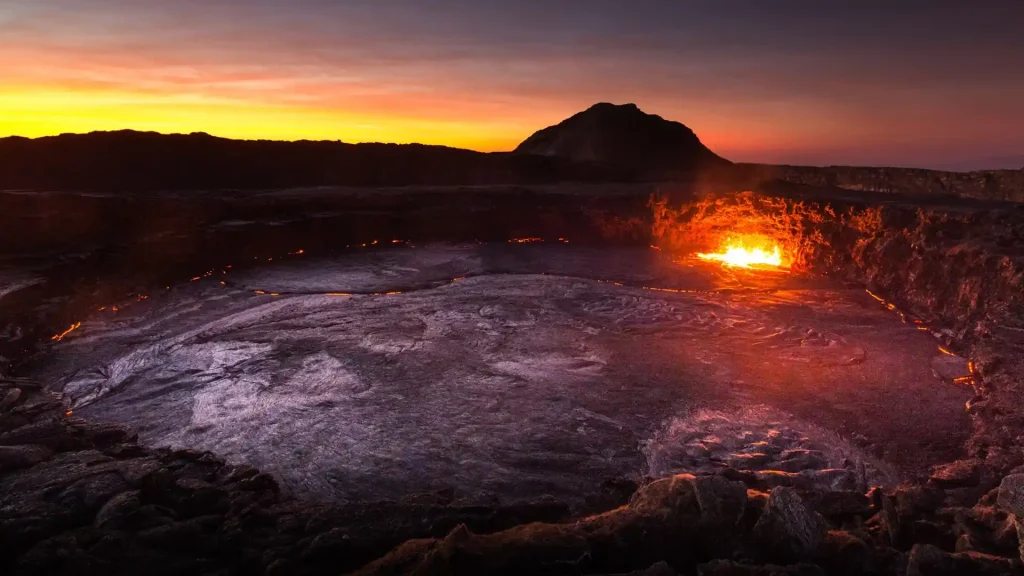
The recent eruption of the Hayli Gubbi volcano in Ethiopia has drawn considerable attention from both scientific communities and regional authorities due to its immediate and far-reaching effects. The volcano itself rises to an elevation of roughly 500 meters above sea level and is located within the geologically active Rift Valley, an area well-known for its tectonic activity. This valley represents the point where two of the Earth’s tectonic plates meet, creating a zone prone to earthquakes and volcanic eruptions. The convergence and movement of these massive plates build immense pressure beneath the Earth’s crust, which periodically releases energy through volcanic activity such as the eruption observed at Hayli Gubbi.
The eruption has produced significant ash clouds that have drifted far from the volcano itself, moving toward regions across the Middle East, as well as into parts of India and Pakistan. The presence of volcanic ash in the atmosphere has caused disruptions to air travel, with multiple flights either delayed or canceled in response to safety concerns. Ash particles, while small, pose a serious risk to aircraft engines, making preemptive measures critical to preventing aviation accidents. Airlines and civil aviation authorities in the affected regions have been working closely with meteorologists to track the ash clouds and adjust flight paths accordingly, demonstrating the logistical and operational challenges that can arise even from a single volcanic event.
In Oman, the effects of the eruption have already been observed, with satellite imagery and atmospheric data confirming the presence of volcanic ash. Shawkat Odeh, a UAE-based expert monitoring the eruption, noted that the sulphur dioxide gas released during the volcanic activity has the potential to interact with atmospheric moisture, forming light acid rain. While this process is scientifically significant, Omani authorities have reassured the public that, at present, there have been no reported impacts on public health or safety. Regular monitoring is ongoing to ensure that any changes in air quality or precipitation are quickly identified and addressed, demonstrating a proactive approach to public safety.
Similarly, Saudi Arabian authorities have increased their surveillance of atmospheric conditions following the eruption. The kingdom’s environmental and meteorological agencies are actively tracking the movement of both ash and sulphur dioxide, analyzing data to anticipate any potential effects on air quality, visibility, or public health. This level of vigilance reflects a broader regional effort to understand the far-reaching consequences of volcanic eruptions, particularly as gases and particulate matter can travel thousands of kilometers from the original eruption site. The interplay between natural geological events and human activity in nearby regions underscores the importance of coordinated monitoring, scientific research, and public communication.
Experts highlight that the eruption of Hayli Gubbi is a reminder of the interconnectedness of natural phenomena and human society. Volcanic eruptions, while spectacular and often visually dramatic, have implications that extend far beyond the immediate vicinity of the volcano. From aviation disruptions to environmental changes such as the potential for acid rain, the cascading effects of such events require careful observation and rapid response. The ongoing monitoring in Oman, Saudi Arabia, and neighboring countries illustrates the combination of scientific vigilance and practical safety measures necessary to mitigate the impact of natural disasters.
In summary, the Hayli Gubbi eruption has showcased both the power of geological forces and the importance of preparedness in responding to such events. Rising 500 meters in the Rift Valley, the volcano has emitted ash and sulphur dioxide that are drifting across the Middle East, India, and Pakistan, disrupting flights and creating the potential for environmental effects such as acid rain. Authorities in Oman and Saudi Arabia are actively monitoring the situation, ensuring public health and safety remain a priority while scientists continue to track and study the evolving volcanic activity. The incident serves as a reminder of the dynamic nature of the Earth and the critical role of observation, research, and cooperation in managing the impacts of natural events on human populations and infrastructure.