“Families in the UAE express anger and distress after sensitive images from funerals and accidents were shared on social media, raising concerns about privacy and respect for the deceased, reports Emarat Al Youm.”
“UAE Families Distressed as Funeral and Accident Photos Circulate Online: Emarat Al Youm.
Families across the United Arab Emirates have voiced profound anguish after learning that images of their deceased loved ones were being circulated on social media platforms without their knowledge or approval. According to a report by Emarat Al Youm, the unauthorized sharing of these sensitive photographs has intensified the emotional pain of families already coping with loss. Many relatives described the experience as deeply traumatizing, explaining that discovering such images online made their grief significantly harder to bear.
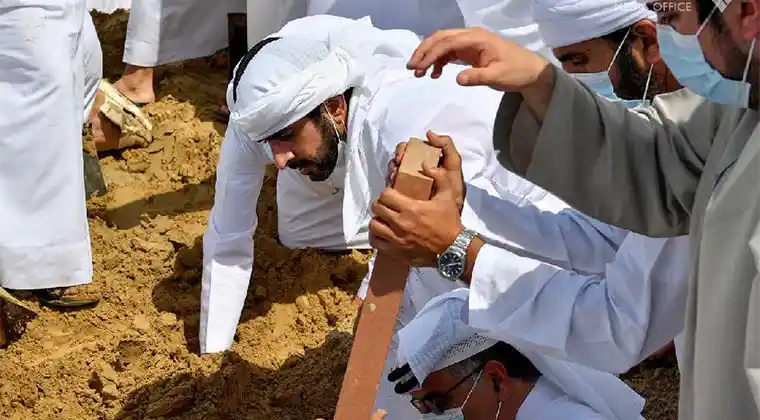
The issue, the newspaper noted, stems from a growing trend in which individuals at accident sites, cemeteries, or even funeral gatherings take photographs or videos and upload them to various online platforms. These images often begin circulating rapidly—sometimes within mere hours of a tragic event. In several cases, the pictures of the deceased are posted even before all family members have been officially informed of the death, adding an element of shock and cruelty to an already devastating situation.
Relatives interviewed by the publication explained that seeing private, intimate moments shared publicly without consent feels like an invasion of their personal and emotional space. At a time when families are trying to hold themselves together, such violations expose them to unnecessary distress. They described feeling helpless, embarrassed, and violated, as deeply personal images became the subject of public commentary or curiosity. For many, the knowledge that strangers viewed their loved ones in vulnerable conditions—sometimes moments after a fatal accident—was unbearable.
Community members and grieving families expressed frustration that some individuals seem to prioritize being the first to “post” breaking news online rather than showing compassion or respect for the deceased. Others criticized the mentality that turns tragic events into opportunities for content creation. Religious scholars, legal experts, and social workers have similarly condemned the
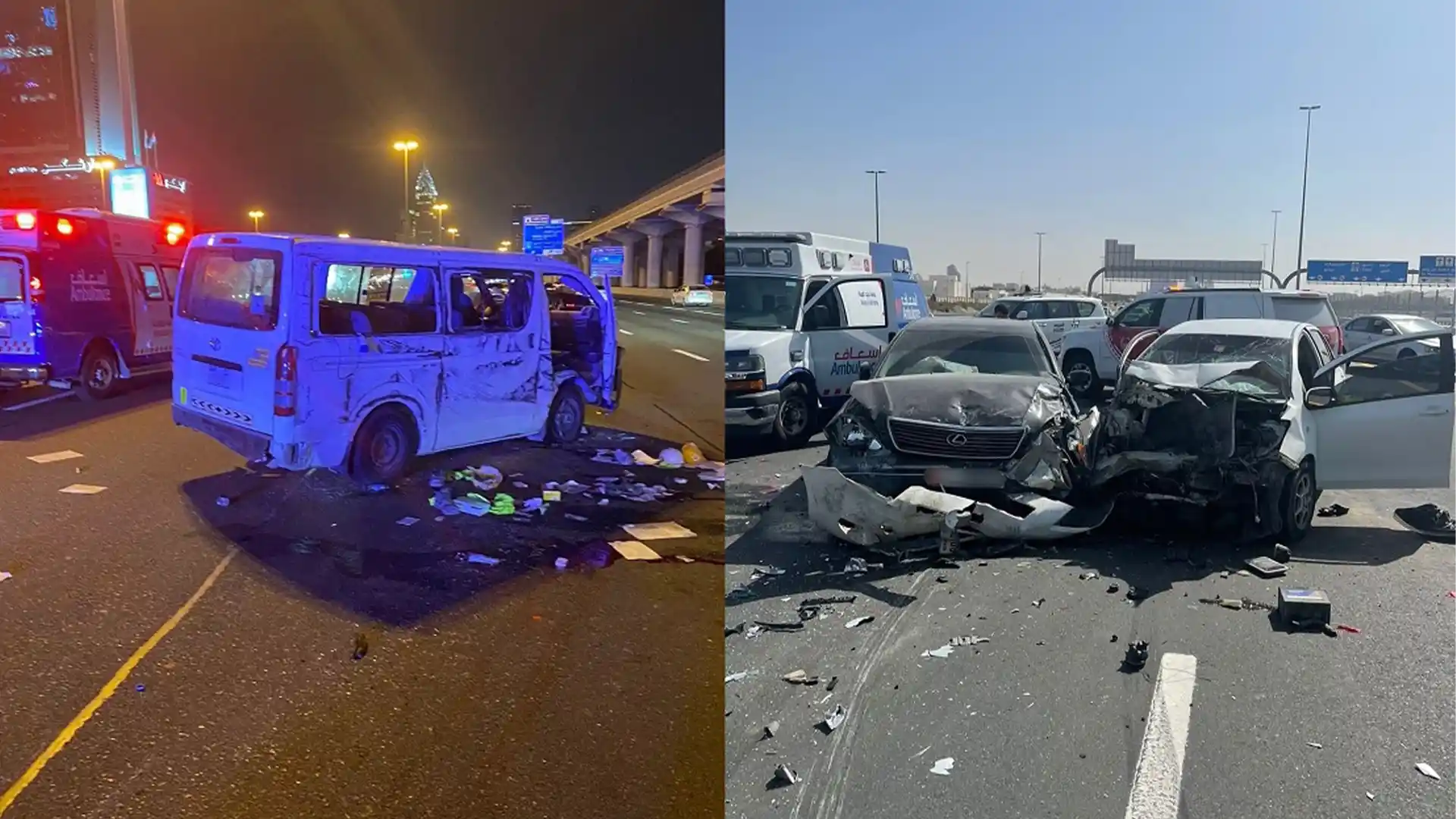
According to Emarat Al Youm, the trend has been particularly concerning in cases involving road accidents, sudden deaths, and incidents attracting emergency responders. Onlookers often gather around the scene, and instead of offering assistance or stepping aside, some choose to record videos or snap photographs. These images quickly make their way onto messaging apps, social media platforms, and sometimes even public pages, where they spread uncontrollably.
Families also expressed worry about the psychological impact on children and vulnerable relatives who might unintentionally come across the images online. Some described how younger family members were deeply traumatized upon seeing photos of loved ones in distressing conditions. The emotional consequences, they said, can linger long after the funeral, with some family members developing anxiety, sleep disturbances, or heightened fear due to the unexpected shock.
practice, emphasizing that photographing or sharing images of the dead without permission goes against cultural norms, religious values, and basic human decency.
The report stressed that such behavior is not only unethical but also punishable under UAE law. Publishing or distributing images of individuals—living or deceased—without consent violates privacy laws and can result in fines or imprisonment. Authorities have repeatedly warned the public to avoid taking photos at accident scenes or during funerals, urging people to show empathy, restraint, and respect during moments of tragedy.
In response to the increasing number of complaints, legal experts interviewed by the newspaper urged families to report incidents to the authorities so that appropriate action can be taken. They emphasized that accountability is crucial to discouraging such harmful behavior and protecting the dignity of both the deceased and their families.
Ultimately, the issue highlights the need for greater awareness and social responsibility in the digital age. While technology allows news to spread quickly, it also demands a higher level of mindfulness. Families hope that by speaking out, others will think twice before sharing sensitive images online, prioritizing compassion over the impulse to post.
A grieving mother, speaking to Emarat Al Youm, described the immense emotional pain she experienced after discovering that photos from her child’s fatal accident had been widely circulated across various social media platforms and messaging groups. She explained that the images—which showed disturbing scenes from the crash site, including visible blood on the ground and some of her child’s personal belongings scattered across the road—were shared without the slightest regard for her family’s privacy or their deep sorrow.
She recounted how the shock of seeing these pictures unexpectedly appear on her phone intensified her heartbreak. Instead of having the privacy to mourn quietly with her family, she found herself confronted repeatedly with graphic reminders of the tragedy, forwarded by individuals who were unaware of her connection to the accident. The mother said she could not understand why people felt compelled to share such sensitive content, especially when doing so could cause additional pain to those already devastated by loss.
According to her, the circulation of these images not only reopened emotional wounds but also caused severe distress among her extended family, particularly younger relatives who were unprepared to see such scenes. She emphasized that no parent should have to witness strangers spreading photos of their child’s final moments, adding that the experience left her feeling violated and powerless.
She pleaded with the public to consider the impact of their actions before posting or forwarding graphic content, reminding people that behind every tragic image lies a real family struggling with unimaginable grief. The mother said she hopes that by sharing her story, others will become more conscious of the harm such behavior can inflict. She called for greater awareness, compassion, and respect—urging individuals to prioritize humanity over the impulse to circulate sensational images online.
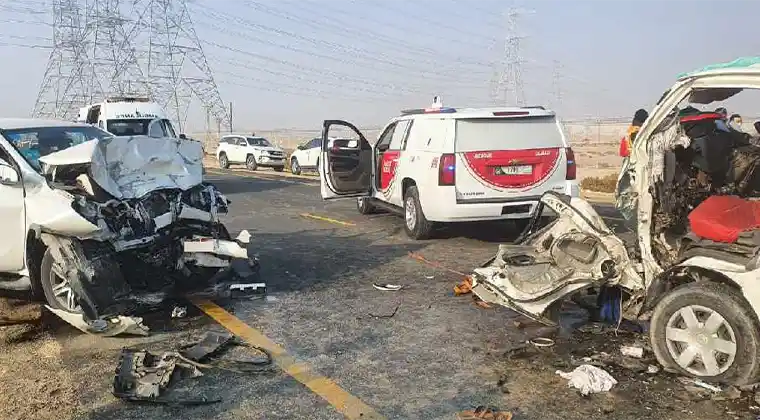
Legal professionals interviewed by the newspaper emphasized that capturing or sharing photographs of deceased individuals, particularly in the aftermath of accidents or during funerals, constitutes a serious breach of both privacy and cybercrime regulations in the UAE. They warned that such behavior is not only unethical but explicitly prohibited under national law.
Legal advisor Saeed Al Zahmi explained that the country’s legal framework provides strong protections for personal privacy, and these protections extend even after an individual has passed away. He made it clear that publishing images of a deceased person—whether taken at the accident site, in a hospital, or during burial rituals—requires explicit written approval from the family. Any individual who posts or distributes such content without this permission is committing an offence and may face legal consequences, including fines or imprisonment.
Al Zahmi highlighted that the issue is not merely a matter of violating a statute; it also carries profound emotional consequences for the families involved. When images of the deceased are shared publicly, especially on social media where they can spread rapidly, the grieving process for relatives becomes considerably more painful. Instead of being given the space to cope with their loss privately, families are confronted with graphic, intrusive reminders of their tragedy. These unauthorized posts can reignite trauma, cause psychological harm, and increase the emotional burden on loved ones who are already suffering.
He also noted that the unauthorized distribution of such images has the potential to disrupt ongoing investigations. Accident scenes or locations under official review must be documented carefully and accurately. When individuals take and share their own photographs, this can lead to misinformation, contamination of evidence, or confusion regarding official reports. Authorities rely on controlled and verified documentation, and random photos shared online can create unnecessary complications.
According to Al Zahmi, respecting the dignity of the deceased and showing compassion to their families is a social responsibility. He urged the public to refrain from recording or sharing sensitive images and reminded them that the law is clear—anyone who violates these boundaries will be held accountable.
The specialists interviewed stressed the importance of honoring the dignity of those who have passed away and showing compassion toward their grieving families. They emphasized that moments of death and mourning are deeply personal and should never be exploited for attention or online engagement. According to the experts, the desire to gain likes, shares, or followers is not an excuse for posting images that may be painful, graphic, or emotionally damaging. They reminded the public that sharing such content can cause profound distress to relatives who are already struggling with loss. Instead, they urged individuals to act responsibly, refrain from circulating sensitive photos, and think carefully about the impact their actions may have. Respect for privacy, they said, must remain a priority, and protecting families from unnecessary trauma is a collective social responsibility.