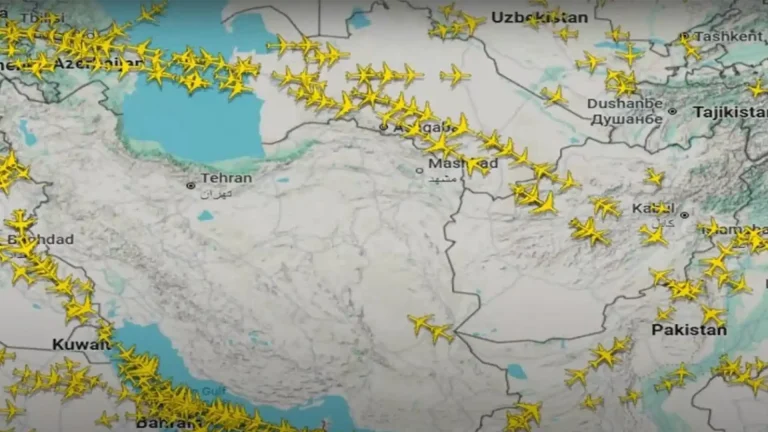
Petrol prices in the UAE may decline further in December, with market analysts pointing to global oil trends, supply adjustments, and seasonal demand shifts as potential factors influencing the reduction.
UAE: December Fuel Prices Likely to See Further Declines.

UAE petrol prices may experience slight decline next month amid global oil pressures
Petrol prices in the UAE could experience a modest reduction in the coming month as global crude oil markets continue to show signs of volatility. Analysts suggest that ongoing concerns over potential oversupply in the international market are exerting downward pressure on prices, which may be reflected in the retail rates that consumers pay at the pump. While the adjustments are expected to be relatively minor, any changes will depend on the official announcement, which is typically released at the end of the week by the relevant authorities.
Recent data from the global oil market highlights the trend. Brent crude, one of the world’s leading benchmarks, closed November at an average price of approximately $63.70 per barrel, a decrease from October’s average of $65.22. This decline, though modest, indicates that crude oil remains under pressure due to expectations of oversupply, changes in production strategies by major oil-exporting countries, and fluctuations in global demand. Such movements in the international market tend to influence local fuel pricing in countries like the UAE, where petrol rates are directly linked to global oil benchmarks.
The UAE’s approach to retail fuel pricing has undergone a significant shift in recent years. Since 2015, the country has tied domestic petrol prices to international market rates, gradually removing subsidies that were previously provided to soften the cost for consumers. This policy aligns with the government’s broader economic diversification strategy, which aims to reduce reliance on fossil fuel revenues while ensuring that market mechanisms guide pricing. Under this system, both petrol and diesel prices are recalculated periodically to reflect changes in global oil prices. As a result, fluctuations in international crude directly influence what residents pay at the pumps, ensuring that pricing remains consistent with prevailing market conditions.
For motorists, the implication is that small monthly adjustments in fuel prices are likely to become a normal part of budgeting. While the reduction in petrol costs for the upcoming period is expected to be slight, it still offers some relief for consumers who have faced fluctuating energy expenses in recent months. The alignment of domestic fuel prices with international benchmarks ensures transparency and provides a predictable framework, allowing households and businesses to plan their energy expenditures more effectively.
Looking ahead, the extent of any price changes will depend on several factors, including ongoing monitoring of global supply and demand dynamics, geopolitical developments that could affect oil production, and seasonal consumption patterns. Authorities will assess these factors before issuing the official retail prices for the next period. Overall, while the expected adjustments may be modest, they reflect the UAE’s continued commitment to a market-driven fuel pricing model that balances economic considerations with consumer needs.
UAE petrol prices continue to ease as global crude market faces mixed signals
Petrol prices in the UAE have seen a continuation of their downward trend, marking the second consecutive month of reductions. For November, authorities implemented a cut of approximately 14–15 fils per litre across all major fuel types. As a result, Super 98 petrol was priced at Dh2.63 per litre, Special 95 at Dh2.51, and E-Plus 91 at Dh2.44, consistent across the country’s main fuel providers, including Adnoc, Emarat, and Enoc. This adjustment reflects ongoing efforts to align domestic fuel costs with fluctuations in international oil markets, ensuring a market-driven pricing mechanism for consumers.
Globally, crude oil continues to face significant pressure despite some positive developments. Optimism surrounding the ongoing talks between the United States and Ukraine has provided a degree of reassurance to markets, reducing immediate concerns about potential supply disruptions from Russia. These discussions raise hopes for a possible resolution that could ease geopolitical tensions, a factor that markets have been monitoring closely. However, despite these optimistic signals, the overall upward movement in oil prices remains limited due to broader macroeconomic headwinds, including weaker-than-expected global demand and inflationary pressures in major economies.
One major factor influencing the current pricing environment is the large volume of Russian oil currently stuck at sea due to sanctions imposed by the United States and its allies. An estimated 48 million barrels are unable to reach international buyers, effectively creating a bottleneck in global supply. Ordinarily, such a disruption might push prices higher, but ongoing weak consumption trends and Opec+’s revised forecasts of a surplus are counterbalancing these pressures. According to analysts, this combination of oversupply and cautious demand projections is contributing to the softening of crude prices.
At the same time, uncertainty surrounding the Ukrainian-Russian negotiations continues to weigh on the market. Any tangible progress in peace talks could result in the lifting of certain sanctions, which in turn would release the stored Russian oil onto the global market. This potential influx could place further downward pressure on crude prices, reinforcing the current trend of modest adjustments in retail fuel costs. In essence, while geopolitical optimism has provided some stability, structural factors like oversupply, restrained demand, and policy constraints continue to dominate market dynamics.
In the UAE, these global developments are directly influencing domestic fuel rates. The country’s pricing model, which ties retail petrol prices to international crude benchmarks, ensures that changes in the global market are quickly reflected at the pump. As a result, residents have benefited from consecutive months of lower fuel costs, alleviating some financial pressure while offering more predictable energy budgeting.
Looking ahead, the combination of international market volatility, the progression of peace negotiations, and macroeconomic challenges suggests that while short-term price reductions may continue, the pace and magnitude of changes will remain carefully moderated. For UAE consumers, this means that petrol prices are likely to remain sensitive to global developments while still reflecting the country’s commitment to market-aligned pricing.


UAE Fuel Prices and Global Oil Market Dynamics: Oversupply and Geopolitical Developments Weigh on Crude.
The outlook for global oil prices remains under pressure as both Opec+ and non-Opec producers continue to ramp up output, heightening concerns about oversupply in the international crude market. According to Vijay Valecha, Chief Investment Officer at Century Financial, this expansion in production is keeping market sentiment broadly bearish. As major oil-exporting nations increase output to meet long-term targets or capitalize on higher current prices, global supply is rising faster than demand, creating a market environment where crude prices are increasingly vulnerable to downward adjustments.
Compounding this situation are geopolitical developments in Eastern Europe. Ukrainian President Volodymyr Zelenskiy recently agreed to engage in discussions aimed at crafting a peace plan with Russia. While the specifics of the plan are still under negotiation, proposals reportedly include Ukraine ceding some territory in exchange for a rollback of sanctions on Russian oil firms. On Friday, the United States imposed sanctions on two major Russian oil companies, part of a broader strategy to curb Russia’s energy revenues. Valecha highlighted that if a peace agreement were reached that included removing these sanctions, a significant volume of Russian oil — currently restricted from global markets — could flow into the market.
“The proposals currently under discussion include Ukraine ceding territory and the potential removal of sanctions on Russian oil firms,” Valecha explained. “This scenario would release additional supply into a market that is already projected to experience a substantial surplus next year. Such developments are likely to exert a negative impact on oil prices, maintaining pressure on crude markets despite any short-term optimism generated by talks.”
The interaction of these supply-side and geopolitical factors has a direct effect on retail fuel prices in countries like the UAE. Over the past year, UAE petrol prices have fluctuated in response to changes in global crude. For instance, Super 98 petrol started the year at Dh2.61 per litre in January and gradually rose to Dh3.34 in May as global oil markets strengthened. Prices then eased over the summer months, reflecting softer demand and increased output, falling to Dh2.99 per litre in July before slightly rising again in August. Following this period, prices exhibited a general downward trend, with October recording Dh2.66, November Dh2.74, and December Dh2.61 for Super 98, mirroring the international softening of crude prices.
Similarly, other fuel grades followed comparable patterns. Special 95 was priced at Dh2.50 in January, peaked at Dh3.22 in May, and declined to Dh2.51 by November. E-Plus 91 also displayed the same cyclical behavior, starting the year at Dh2.43, peaking at Dh3.15 in May, and settling at Dh2.44 by November. These shifts highlight the UAE’s policy of aligning retail fuel prices with global benchmarks, ensuring that domestic consumers pay rates that reflect international crude market conditions rather than being insulated by subsidies.
The trend continued into early 2025, with prices for January’s petrol grades returning to Dh2.61 for Super 98, Dh2.50 for Special 95, and Dh2.43 for E-Plus 91, reflecting a stabilization after seasonal and market fluctuations. February recorded a slight uptick to Dh2.74, Dh2.63, and Dh2.55 respectively, followed by minor adjustments in the subsequent months, ultimately showing the responsiveness of domestic fuel pricing to global supply, demand, and geopolitical developments.
Analysts note that the interplay of macroeconomic headwinds, Opec+ supply strategies, and potential geopolitical developments in Eastern Europe will continue to determine the trajectory of crude prices. Oversupply remains a key factor, as additional barrels from both sanctioned and non-sanctioned sources could flood the market. Conversely, any disruptions to supply — whether due to conflicts, natural events, or policy interventions — could temporarily support prices.
For UAE consumers, this dynamic manifests in monthly petrol price revisions at major fuel stations such as Adnoc, Emarat, and Enoc. By tracking global crude benchmarks closely, UAE authorities ensure that fuel pricing remains market-aligned while also reflecting broader economic policies aimed at fiscal sustainability. The continuous monitoring of factors like Opec+ output decisions, sanctions, and geopolitical developments allows authorities to adjust prices in a way that maintains both transparency and economic balance.
In conclusion, while the potential peace talks between Ukraine and Russia provide a glimmer of optimism, the broader outlook for oil remains cautious. Increased production by Opec+ and non-Opec nations, combined with the possible release of previously sanctioned Russian oil, could continue to place downward pressure on global crude. For the UAE, the knock-on effect is clear: petrol prices remain sensitive to global fluctuations, with recent adjustments illustrating the country’s commitment to market-driven pricing. As analysts closely monitor supply trends, sanctions, and geopolitical developments, UAE consumers can expect monthly fuel prices to continue reflecting the complex interplay of international oil markets and regional policy decisions.