Authorities in Oman have issued a public safety advisory after the Hayli Gubbi volcano erupted for the first time in ten millennia, urging residents and travelers to remain cautious today.
Oman releases warning following first eruption of Hayli Gubbi volcano in 10,000 years.
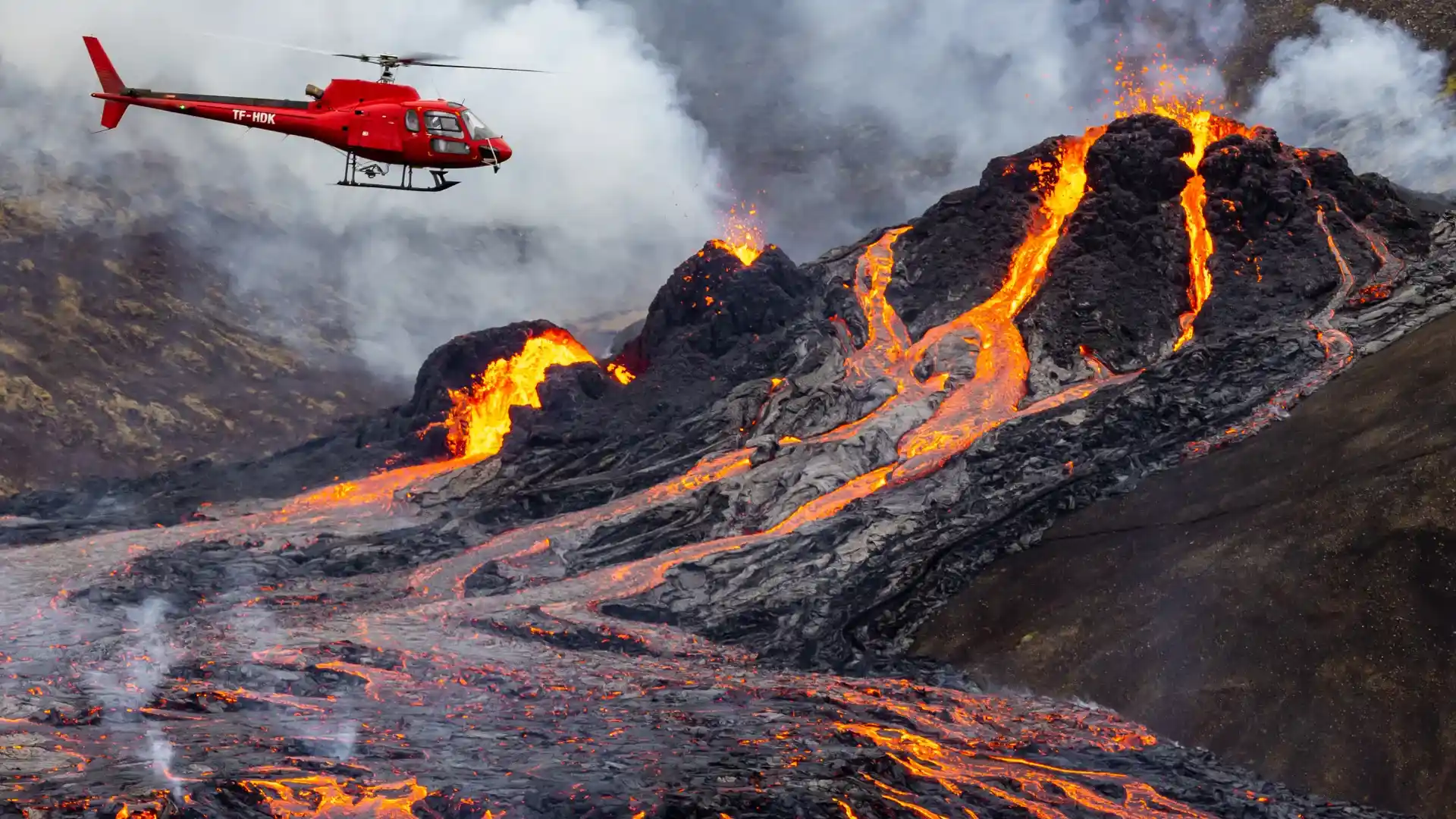
The Oman Environment Authority has released a detailed advisory addressing recent gas and ash emissions linked to the reawakening of the Hayli Gubbi volcano. According to the authority, these emissions have the potential to influence air quality in various parts of the Sultanate, depending on wind direction and atmospheric conditions. Although the situation is being closely monitored, officials emphasized that all environmental observation stations across the country have so far reported normal readings. No abnormal rise in atmospheric pollutants has been detected, and the authority continues to reassure the public that current conditions remain stable. Nonetheless, the advisory encourages residents to stay informed and adhere to any precautionary recommendations that may be issued if the situation evolves.
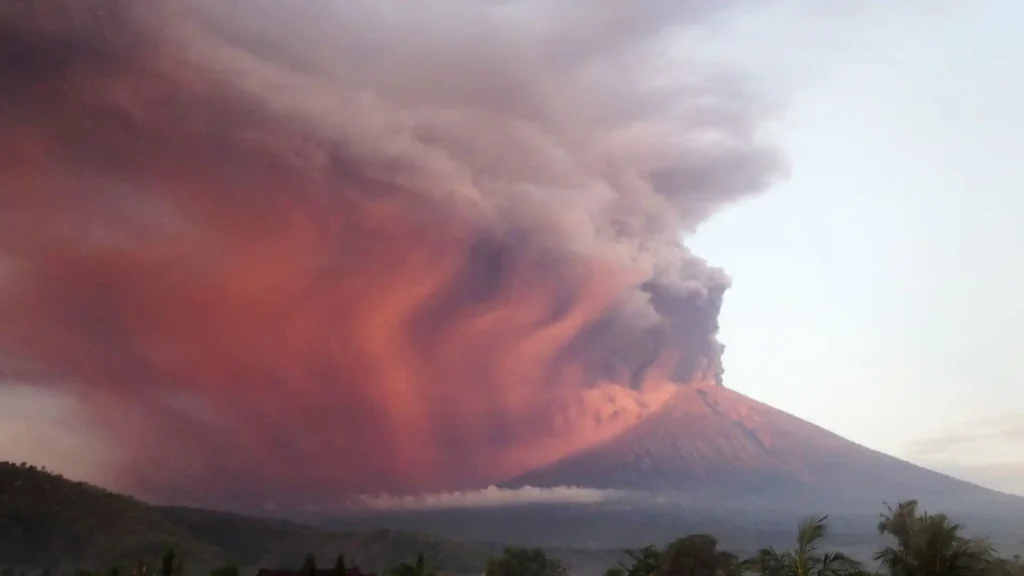
The Hayli Gubbi volcano, situated in Ethiopia within the rugged Erta Ale volcanic range, has long been regarded as dormant. Geological studies indicate that it has remained inactive for approximately ten millennia, making its recent activity an extraordinary geological event. This sudden eruption marks the first time in around 10,000 years that the volcano has released significant plumes of ash and volcanic gases. The eruption produced towering columns of ash rising high into the atmosphere, carried by prevailing winds across the Horn of Africa and sweeping over the Red Sea. Due to these strong air currents, ash clouds drifted toward neighboring countries, including Oman and Yemen, prompting environmental agencies in the region to take precautionary measures.
While the immediate physical impact of the eruption has been concentrated in Ethiopia, where the volcano is located, its atmospheric effects extend far beyond local borders. Ash particles carried over long distances can sometimes affect air quality, visibility, and even aviation routes if their concentration becomes significant. For this reason, the Oman Environment Authority continues to analyze satellite data and coordinate with regional monitoring centers to track the movement of the volcanic plume. Officials have clarified that although the ash is detectable through remote-sensing instruments, its concentration over Oman has not reached levels that pose a threat to public health or daily life.
The advisory issued by the authority serves primarily as a precaution and reflects Oman’s commitment to proactive environmental management. Citizens and residents are encouraged to follow updates through official channels, particularly if they belong to groups sensitive to air changes, such as individuals with respiratory conditions. Authorities have highlighted that weather patterns may shift, and while current conditions remain safe, ongoing vigilance is essential.
The eruption of Hayli Gubbi has also drawn the attention of geologists and volcanologists around the world. A volcano remaining inactive for such an extended period—nearly 10,000 years—provides a rare opportunity for scientific study. Researchers are examining the causes behind its sudden awakening, analyzing seismic activity, magma movement, and geological changes in the broader Erta Ale region. The event underscores the dynamic nature of the Earth’s crust, where dormant volcanoes can unexpectedly reactivate after thousands of years of silence.
In summary, although the Hayli Gubbi eruption has produced significant ash emissions and captured global scientific interest, Oman’s monitoring systems indicate that the Sultanate currently faces no immediate environmental risk. Authorities remain alert, and the public is advised to rely on official updates as experts continue to track the volcano’s ongoing activity.
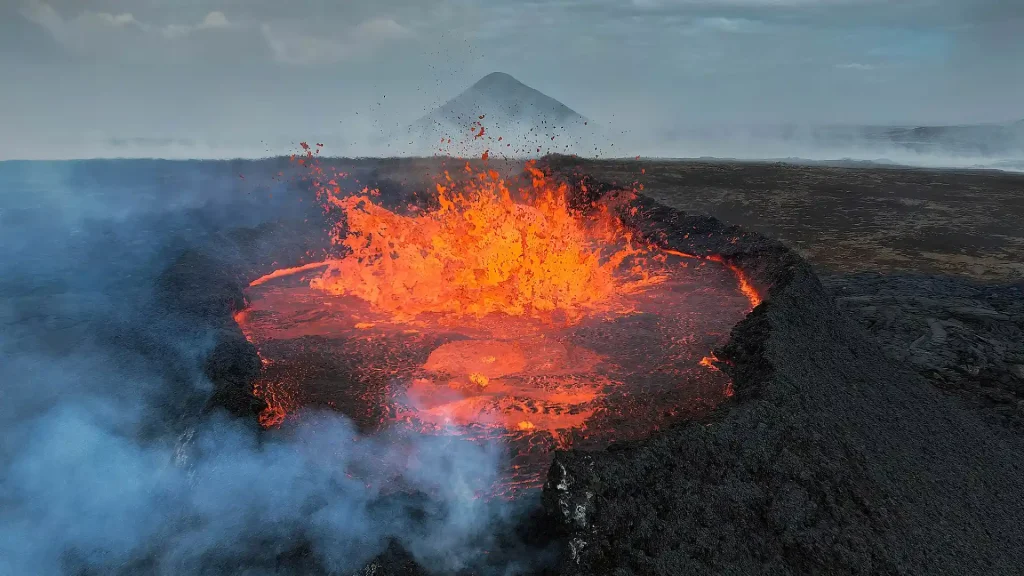
Experts studying the recent activity describe the event as one of the most remarkable volcanic reawakenings ever documented in this part of the world. Researchers note that such a sudden return to activity, after thousands of years of geological silence, makes the eruption particularly significant from a scientific standpoint. The scale of the event, combined with the volcano’s long dormancy, has prompted volcanologists and geophysicists to reassess their understanding of the tectonic dynamics in the region. Many have emphasized that eruptions of this nature provide rare insight into the deeper magmatic systems that lie beneath the surface.
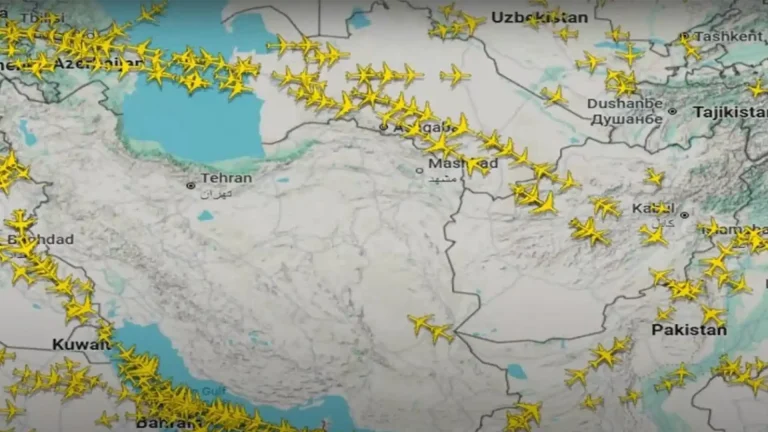
Although the volcano is located far from population centers and difficult to access by land, the impact of its eruption has extended well beyond its isolated surroundings. One of the most immediate international concerns has come from the aviation sector. As soon as the volcano released its massive burst of ash, meteorological and flight safety agencies began tracking the movement of the plume. Even remote eruptions pose substantial risks to aircraft, as volcanic ash can damage engines, reduce visibility, and contaminate air systems. As a result, aviation authorities throughout the region closely monitored satellite imagery and atmospheric data to determine potential hazards for air travel.
The ash cloud traveled swiftly, carried by strong upper-level winds, and eventually spread across broad portions of Yemen and Oman. Reports indicated that the plume reached impressive altitudes—approaching 20,000 feet—as it dispersed over the Arabian Peninsula. This significant height placed the ash within air routes commonly used by commercial and cargo flights, making continuous monitoring essential. Although no major disruptions were immediately reported, aviation specialists remained alert, ready to adjust flight paths if ash concentrations increased. The eruption, while geographically distant, demonstrated how interconnected the region’s environmental and transportation systems truly are.
Across Oman, an extensive environmental surveillance network is actively monitoring the atmosphere in response to the volcanic activity occurring far beyond the nation’s borders. The Environment Authority has deployed a total of sixty-eight air-quality monitoring stations located throughout the Sultanate, each designed to continually assess the presence and concentration of airborne pollutants. These stations operate nonstop, gathering data every hour of the day, ensuring that any subtle fluctuation in air quality is quickly detected. Among these stations, eight are positioned across the Dhofar Governorate, a region often influenced by seasonal monsoon winds, while another five stations operate in Al Wusta, an area lying closer to the central stretch of Oman’s coastline. Together, this distributed system forms a resilient network that allows authorities to observe environmental changes with high accuracy and rapid response capability.
Officials have emphasized that, at present, the collected data shows no signs of deterioration in air quality across the country. Despite concerns arising from the volcanic eruption in Ethiopia, none of the stations have registered an abnormal rise in pollutant levels. All readings remain within safe parameters, suggesting that the ash and gas from the eruption have not reached concentrations that would pose a threat to public health or the environment. The authority reassured the public that, although the plume from the Hayli Gubbi volcano has traveled across the region at high altitudes, the atmospheric conditions over Oman have so far prevented any notable accumulation of harmful particles.
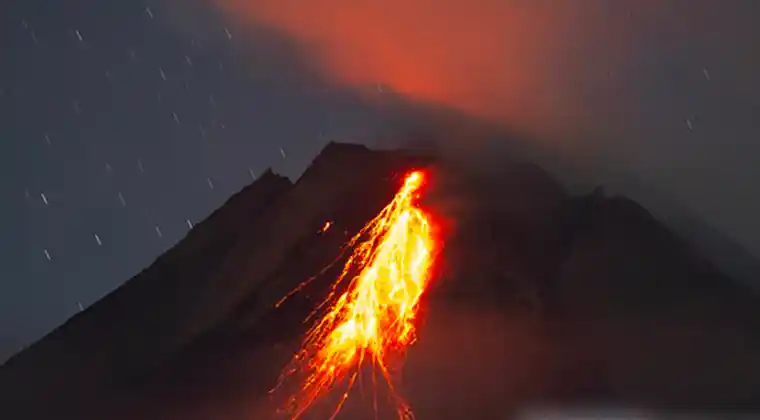
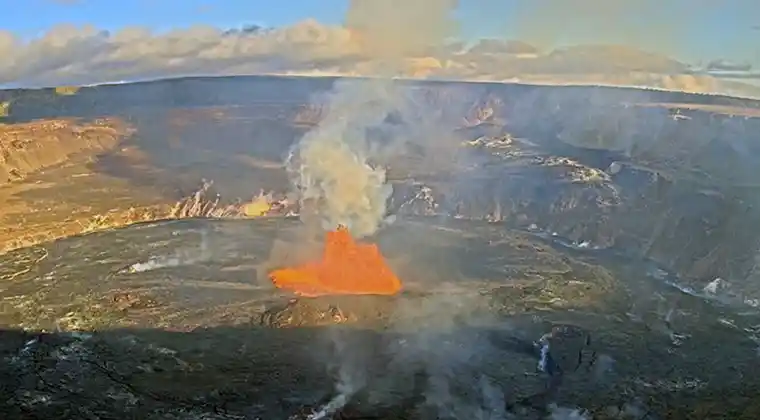
To keep residents informed, the Environment Authority encouraged the public to make use of the “Naqi” air-quality monitoring platform. This digital system offers real-time access to air-quality indices from every monitoring station in the network, giving users immediate insight into current conditions in their area. Through the platform, citizens can track the presence of various pollutants, including fine particulate matter, ozone levels, sulfur dioxide, and nitrogen oxides. Authorities highlighted the importance of staying updated, particularly during regional environmental events such as volcanic eruptions or dust storms, as conditions can shift depending on wind direction or atmospheric changes. They emphasized that, should any variation in pollutant concentration occur, an official update will be issued promptly through recognized channels.
The government has reiterated its commitment to public safety and environmental protection, stating that all relevant agencies will maintain a heightened level of vigilance for as long as the volcanic event continues to evolve. Specialists will remain on duty around the clock, reviewing incoming data, assessing regional weather patterns, and coordinating with international atmospheric and geological organizations. Any significant changes that might affect Oman—whether from shifting wind currents, new eruptions, or a rise in ash density—will be relayed immediately to the public.
The volcanic event itself began suddenly and dramatically. According to information shared by VolcanoDiscovery, which referenced an alert from the Toulouse Volcanic Ash Advisory Center (VAAC), the explosive phase of the Hayli Gubbi eruption commenced at approximately 8:30 a.m. Coordinated Universal Time on Sunday. This marked a moment of immense geological interest, as the volcano—considered dormant for roughly ten thousand years—transitioned from quiet inactivity into a forceful eruption.
Following the initial reports, satellite monitoring systems detected an enormous ash cloud rising above the volcano. Observational data indicated that the ash column expanded rapidly, reaching estimated altitudes between ten and fifteen kilometers above sea level. At such heights, volcanic ash becomes a matter of regional concern: it can be transported across continents, alter sunlight penetration, and interfere with aviation operations. The plume’s vertical reach placed it within the flight levels used by commercial aircraft, prompting air-traffic agencies in multiple countries to assess potential risks.
The ash cloud did not remain localized over the site of the eruption. High-altitude winds carried it hundreds of kilometers northeastward, sweeping across the Red Sea and spreading toward portions of the Arabian Peninsula. Although much of the ash remained concentrated in the upper layers of the atmosphere, its trajectory triggered precautionary monitoring throughout Oman. Environmental specialists began carefully studying meteorological forecasts, assessing whether downward air currents or pressure changes could potentially draw fine particles closer to the ground.
Fortunately, as of the latest assessments, the concentration of ash over Oman appears too low to impact daily life. Meteorological centers, along with the Environment Authority’s monitoring stations, have reported stable conditions. Nonetheless, the situation is being treated with seriousness due to the unpredictable nature of volcanic emissions. Depending on the intensity of further eruptions—if they occur—the altitude, density, and direction of ash clouds could shift suddenly.
International geological experts continue to track the event closely. The eruption of a volcano dormant for millennia is considered rare and significant, offering scientists a valuable opportunity to examine deep-Earth processes that typically remain hidden from observation. Researchers are studying seismic patterns, thermal anomalies, and the behavior of the magma plume responsible for the eruption. These investigations may help explain why Hayli Gubbi reactivated after such an extended period of stillness.
For Oman, the priority remains maintaining public safety while continuing to monitor the evolving situation. The Environment Authority has encouraged residents to stay informed through official updates and to rely on the “Naqi” platform for accurate, real-time data rather than social-media speculation. Even though conditions remain stable, the authority stresses the importance of remaining attentive, particularly as the volcano’s activity is still being evaluated by international monitoring centers.
In summary, while the Hayli Gubbi eruption represents a significant geological event with widespread atmospheric effects, Oman’s comprehensive monitoring system currently indicates no threat to air quality within the country. Environmental authorities remain prepared to respond immediately should conditions change, ensuring that the public receives timely, clear, and reliable information throughout the duration of the volcanic activity.