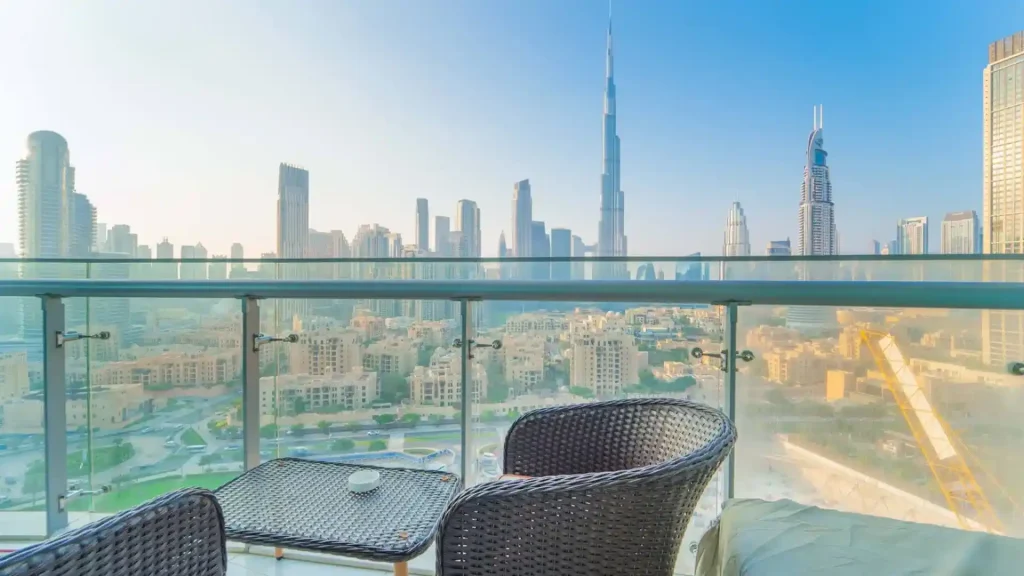
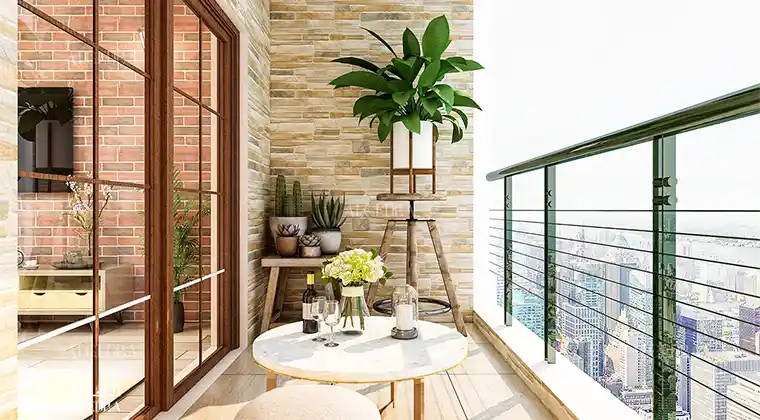
Across the UAE, many residents are revamping their outdoor spaces—balconies, terraces, and small gardens—into warm, inviting winter spots where they can relax, entertain guests, and enjoy the cooler weather.
In the UAE, people are converting their patios and balconies into cosy seasonal retreats.
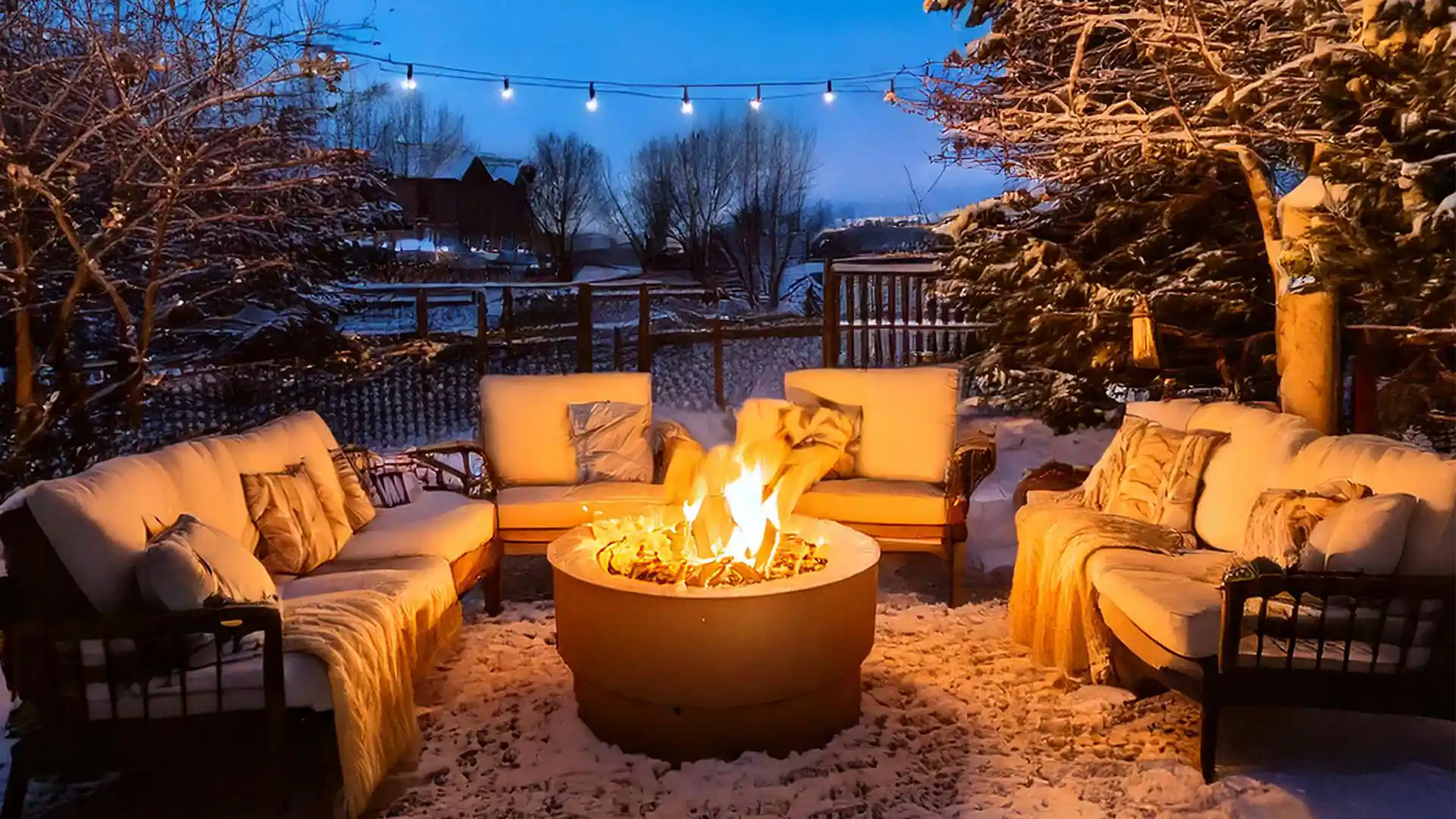
With the arrival of cooler weather across the UAE, residents have begun reshaping their living spaces to embrace the much-anticipated winter season. After months of intense heat, the gentle drop in temperature inspires many households to rethink how they use both the inside and outside of their homes. Families are adding warm lighting, soft furnishings, and seasonal décor, transforming ordinary corners into inviting nooks perfect for evening relaxation. Outdoor areas—once avoided during the summer—are now becoming the heart of the home, with people setting up comfortable seating, fire pits, lanterns, and cushions to create spaces where they can unwind under the open sky.
The shift is not limited to outdoor spaces. Inside the home, residents are introducing winter-themed touches such as textured blankets, floor carpets, warmer color palettes, and layered lighting. These small changes help create a cosy atmosphere ideal for gathering with loved ones or simply enjoying a quiet moment alone. Many families say these little adaptations allow them to celebrate the winter season without the need for travel or elaborate plans; comfort comes to them instead of the other way around.
In Al Ain, the tradition of embracing winter in personal and cultural ways remains particularly strong. Emirati resident Maha A. shared how her family has made seasonal preparation a cherished routine. Every year, once the temperatures begin to dip, her household sets up a traditional tent in their backyard—a custom passed down from earlier generations. Constructing the tent is not just about creating a physical shelter; it is a symbolic gesture that marks the beginning of the winter months and represents hospitality, togetherness, and heritage.
According to Maha, the tent becomes the family’s main gathering spot for the season. She explained that the winter evenings they spend there are some of their most memorable moments of the year. “It’s our favorite place once the weather turns cool,” she said. “Whether we’re hosting friends, spending time as a family, or just relaxing with a cup of karak or Arabic coffee, the tent gives us a space that feels both comforting and connected to our culture.”
She described how the setting changes from night to night depending on the mood or occasion. Some evenings are lively, filled with conversation, laughter, and stories shared among friends. Other nights are quieter, with everyone wrapped in blankets, enjoying the warmth of a small fire and the peacefulness of the crisp desert air. For Maha, the combination of cultural tradition and modern comfort creates a unique atmosphere that makes winter in Al Ain special.
Her family’s tradition reflects a wider trend seen across the UAE, where many residents look for simple, personal ways to appreciate the cooler months. Whether through modern outdoor lounges, rooftop seating, garden majlis arrangements, or traditional tents like Maha’s, families across the country are finding creative ways to reconnect with their homes and with one another. The arrival of winter becomes not only a change in weather but also an opportunity for social connection, cultural expression, and everyday enjoyment.
As the season continues to unfold, these transformed spaces—indoors and outdoors—are likely to remain central to daily life, offering comfort, warmth, and a renewed sense of belonging for residents throughout the UAE.
When the warmer months start to set in, Maha explained that the family carefully dismantles their entire winter setup and puts each item into storage to prevent any wear or damage from the intense summer conditions. The fabrics, poles, carpets, cushions, and decorative pieces are all packed away methodically so that everything remains in good shape for the following winter. She noted that maintaining the equipment properly is essential, especially because the tents themselves come in a wide range of prices. Depending on how large a family wants their tent to be and the quality of the materials used, the cost can vary significantly. Smaller, simpler versions are relatively affordable, while larger structures designed to host big gatherings or offer more luxurious finishes can be much more expensive. According to Maha, the price of these traditional winter tents generally falls somewhere between Dh1,800 and Dh12,000, depending on size and style.
Across the UAE, families who enjoy spending time outdoors during winter often pay close attention to the materials they select for their seasonal setups. For some households, sturdiness is the top priority. They choose thick, insulated fabrics that can withstand chilly breezes and offer a sense of privacy and warmth during late-night gatherings. Others prefer lighter textiles, focusing more on aesthetic value than on blocking the wind. These families opt for patterned or embroidered fabrics that add a decorative flair to their majlis-style tents or outdoor corners, giving the space a unique visual identity while still providing comfort.
Beyond the initial structure, many residents enhance their tents or outdoor areas with thoughtful interior elements that reflect their personal taste. Comfortable carpets are commonly laid out to create a warm and inviting base, making the area more suitable for sitting on the floor, a tradition many families still enjoy. Cushions in coordinating colors or matching textiles are often added to create a cohesive look. Some families even go a step further by incorporating eye-catching details such as hanging lanterns, ornate lamps, or small chandeliers. These lighting fixtures do not just illuminate the space; they also infuse it with character, turning a simple tent into a charming lounge where family and friends can relax for hours.
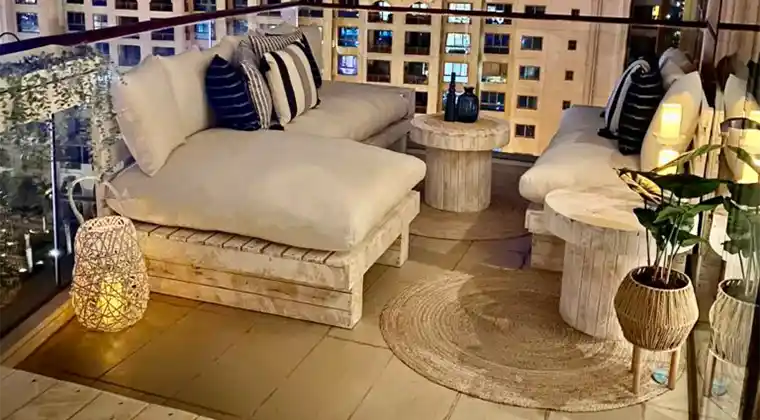
In urban settings, especially high-rise communities, residents use their balconies as an extension of their living space during winter. Dubai resident Marwa Aalim, originally from Lebanon, shared how the shift in weather dramatically changes the way she uses her balcony. During the hot months, the balcony serves a purely practical purpose. Like many apartment dwellers, she uses it mainly for drying clothes or storing small household items. The extreme heat makes it uncomfortable to spend extended time outdoors, so the balcony becomes more of a utility zone than a place for leisure.
Once winter arrives, however, Marwa completely reimagines the area. She describes the transformation as creating a “mini retreat” right outside her living room. The first items to appear are her collection of soft bean bags, which she arranges in a semi-circle to make the space feel inviting and casual. She also adds a small swing—a playful touch that both adults and children in her household enjoy. For lighting, Marwa prefers warm-toned string lights that she drapes along the railing or across the wall. These lights cast a gentle glow during the evenings, making the space feel intimate and relaxing.
To complete the look, she often adds small accessories such as potted plants, a side table for snacks or coffee, and a blanket or two for especially cool nights. What was once a purely functional area becomes a cozy lounge spot where she can unwind after work, entertain visiting friends, or simply enjoy the crisp winter air while reading a book. According to Marwa, the transformation is not just about aesthetics—it changes the atmosphere of her home and encourages her family to spend more time together outdoors.
Her approach reflects a broader trend across the UAE, where residents creatively adapt their living spaces to fully embrace the short but beloved winter season. Whether through traditional tents, upgraded terraces, or redecorated balconies, people are finding ways to make their environments warmer, more comfortable, and more inviting, turning even the smallest corners into cherished seasonal sanctuaries.