“Dubai has implemented advanced noise detection radars to monitor sound levels across the city, outlining how they operate, what constitutes a violation, and the fines or penalties for offenders.”
“Dubai Introduces Noise Detection Radars: Functioning, Offenses, and Penalties Explained”

Dubai is intensifying its efforts to tackle excessive vehicle noise, as authorities continue to roll out noise-detection radars throughout the emirate. These innovative devices are being deployed to monitor and manage disturbances caused by loud engines, modified exhaust systems, unnecessary honking, and overly loud in-car audio systems. By capturing and recording noise violations, the radars allow law enforcement to take appropriate action against offenders, ensuring that traffic-related noise does not disrupt the daily lives of residents.
This move forms a crucial part of Dubai Police’s broader strategy to maintain public comfort and promote overall wellbeing within the community. Recognizing the impact of environmental noise on mental health, stress levels, and general quality of life, the authorities aim to create a more peaceful urban environment where residents and visitors can enjoy their surroundings without constant auditory disturbances. The initiative underscores the city’s commitment to fostering safe, livable, and harmonious spaces while addressing one of the most common sources of public complaints.
The implementation of the noise-detection radars will be phased, with coverage gradually expanding to include multiple neighborhoods, major roadways, and key traffic corridors across the emirate. This approach ensures that the technology is integrated efficiently, monitored effectively, and adapted to meet the specific needs of different areas. Drivers will be made aware of the rules and regulations surrounding permissible noise levels, and those found violating them will be subject to fines and penalties as defined under Dubai’s traffic and municipal regulations.
Ultimately, this initiative reflects Dubai’s proactive approach to urban management, balancing the needs of modern, fast-moving traffic with the rights of residents to a quieter, more peaceful living environment. By leveraging technology and enforcing regulations, the emirate is setting a benchmark for noise control in urban areas, enhancing both community welfare and citywide public safety
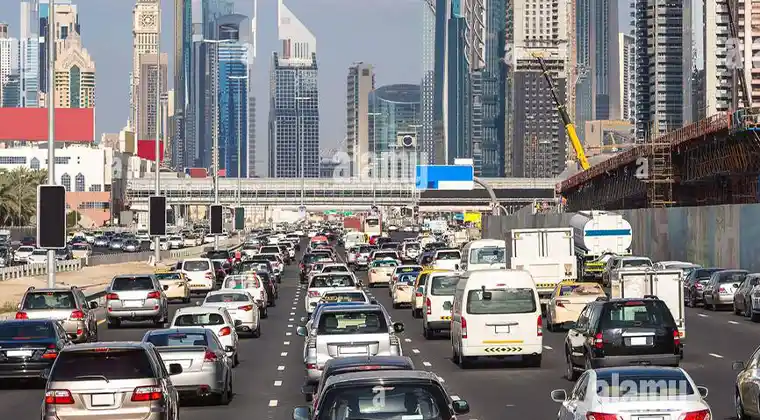

Dubai is intensifying its efforts to tackle excessive vehicle noise, as authorities continue to roll out noise-detection radars throughout the emirate. These innovative devices are being deployed to monitor and manage disturbances caused by loud engines, modified exhaust systems, unnecessary honking, and overly loud in-car audio systems. By capturing and recording noise violations, the radars allow law enforcement to take appropriate action against offenders, ensuring that traffic-related noise does not disrupt the daily lives of residents.
This move forms a crucial part of Dubai Police’s broader strategy to maintain public comfort and promote overall wellbeing within the community. Recognizing the impact of environmental noise on mental health, stress levels, and general quality of life, the authorities aim to create a more peaceful urban environment where residents and visitors can enjoy their surroundings without constant auditory disturbances. The initiative underscores the city’s commitment to fostering safe, livable, and harmonious spaces while addressing one of the most common sources of public complaints.
The implementation of the noise-detection radars will be phased, with coverage gradually expanding to include multiple neighborhoods, major roadways, and key traffic corridors across the emirate. This approach ensures that the technology is integrated efficiently, monitored effectively, and adapted to meet the specific needs of different areas. Drivers will be made aware of the rules and regulations surrounding permissible noise levels, and those found violating them will be subject to fines and penalties as defined under Dubai’s traffic and municipal regulations.
Ultimately, this initiative reflects Dubai’s proactive approach to urban management, balancing the needs of modern, fast-moving traffic with the rights of residents to a quieter, more peaceful living environment. By leveraging technology and enforcing regulations, the emirate is settin
g a benchmark for noise control in urban areas, enhancing both community welfare and citywide public safety.
Noise radars are an innovative component of Dubai Police’s smart traffic management system, designed to monitor and control excessive vehicle noise across the city. These high-tech devices work by measuring sound levels in real time and pinpointing the exact source of the disturbance. Whenever a vehicle produces noise that exceeds the permissible limits set by authorities, the system automatically records a violation, providing accurate data that can later be used to issue fines or take enforcement action. This technology allows law enforcement to efficiently monitor noise pollution without relying solely on manual observation, helping maintain quieter, more orderly streets.
Footage shared by the Dubai Civility Committee offers a glimpse into how these radars function in practice. One clip shows the system actively detecting noise levels on a busy highway, highlighting how it identifies offending vehicles among the flow of traffic. Another view features a pole-mounted radar installed overhead, which appears to be powered by artificial intelligence. This AI-enabled device can not only measure the intensity of sound but also analyse and differentiate the sources, whether it comes from engine modifications, honking, or amplified audio systems inside vehicles. By combining precise sound measurement with advanced analytics, the radar ensures that enforcement is targeted accurately and fairly, minimizing false detections and improving overall compliance.
The integration of noise radars into Dubai’s traffic management network reflects a broader push toward smart city technologies, aimed at enhancing both public safety and quality of life. By automating the monitoring process, authorities can address one of the most common complaints among residents—disruptive traffic noise—while also reducing the need for constant human supervision. In the long term, the system is expected to help cultivate a more peaceful urban environment, where city streets are safer, communities are calmer, and the overall experience of living in Dubai is significantly improved.

Noise radars in Dubai are not limited to highways; their deployment is part of a wider strategy to monitor sound levels across the entire emirate. Dubai Police have stated that the number of these radars will gradually increase over time, extending coverage to residential areas, busy streets, and key road networks, ensuring that all regions benefit from improved noise management. The radar system works in conjunction with traditional traffic patrols and public awareness initiatives, creating a comprehensive approach to curbing excessive vehicle noise. Drivers are reminded not only of the technology in place but also of the city’s regulations regarding permissible noise levels, encouraging compliance through education as well as enforcement.
These radars are designed to detect a variety of disruptive noises. One of the primary targets is unnecessary honking, which can disturb residents, especially in densely populated areas. Another common source of detected noise is in-car audio systems that are played at excessive volumes, contributing to both local disturbances and environmental noise pollution. Additionally, the radars are capable of identifying vehicles that have been modified to generate louder sounds than legally allowed, including engine modifications or custom exhaust systems. By tracking these violations in real time, the system enables authorities to issue fines and penalties swiftly, discouraging repeat offenses.
The use of noise detection technology aligns with broader traffic and public safety measures in the UAE. Police across the country regularly fine thousands of vehicles each year for unauthorized modifications that increase noise levels, demonstrating a consistent effort to maintain order on the roads. This initiative also highlights the importance of protecting the wellbeing of the community by reducing environmental stress caused by loud and unnecessary vehicle noise. Through the combined use of advanced technology, routine patrols, and educational campaigns, Dubai is taking a proactive step toward creating quieter, safer, and more peaceful streets for residents and visitors alike.
Dubai has set strict penalties for drivers who violate noise regulations to ensure public peace and curb disruptive traffic behavior. For minor offenses, such as unnecessary honking or excessively loud music from a car audio system, the fine is Dh400, accompanied by four black points on the driver’s license. More serious violations, particularly those involving vehicles that have been modified to produce louder-than-allowed sounds, carry a much higher penalty of Dh2,000 and 12 black points.
In cases where a vehicle is found with unauthorized modifications, authorities have the power to impound it. To reclaim an impounded vehicle, the owner must pay a fee of Dh10,000. If this amount is not settled within three months, the vehicle may be auctioned off. These measures are designed not only to penalize offenders but also to act as a deterrent, encouraging drivers to comply with noise regulations and helping Dubai maintain a calmer, more peaceful urban environment for residents and visitors.
Dubai’s expansion of noise-detection radars goes beyond simply imposing fines; the initiative is primarily focused on raising awareness among drivers and encouraging responsible, considerate behavior on the roads. The authorities aim to educate motorists about the impact of loud and unnecessary vehicle noise, emphasizing that it is not just a minor annoyance but a public concern affecting overall wellbeing. Excessive noise from honking, amplified music, or modified engines can create stress and discomfort, disrupting the daily lives of residents and posing particular challenges for vulnerable groups, including children, the elderly, and people with medical conditions.
By deploying these radars across the city, Dubai Police seek to foster a culture of civility and mutual respect among road users. The system acts as both a monitoring tool and a preventive measure, alerting drivers to violations while encouraging them to adopt quieter, safer driving habits. In this way, the initiative supports a healthier, calmer urban environment and enhances the quality of life for the entire community.