Dubai is set to open 60 affordable schools, a groundbreaking move designed to provide every child with access to quality education, making learning opportunities more inclusive across the city.
Dubai to Launch 60 Budget-Friendly Schools: Revolutionary Initiative Aims to Ensure Education for Every Child
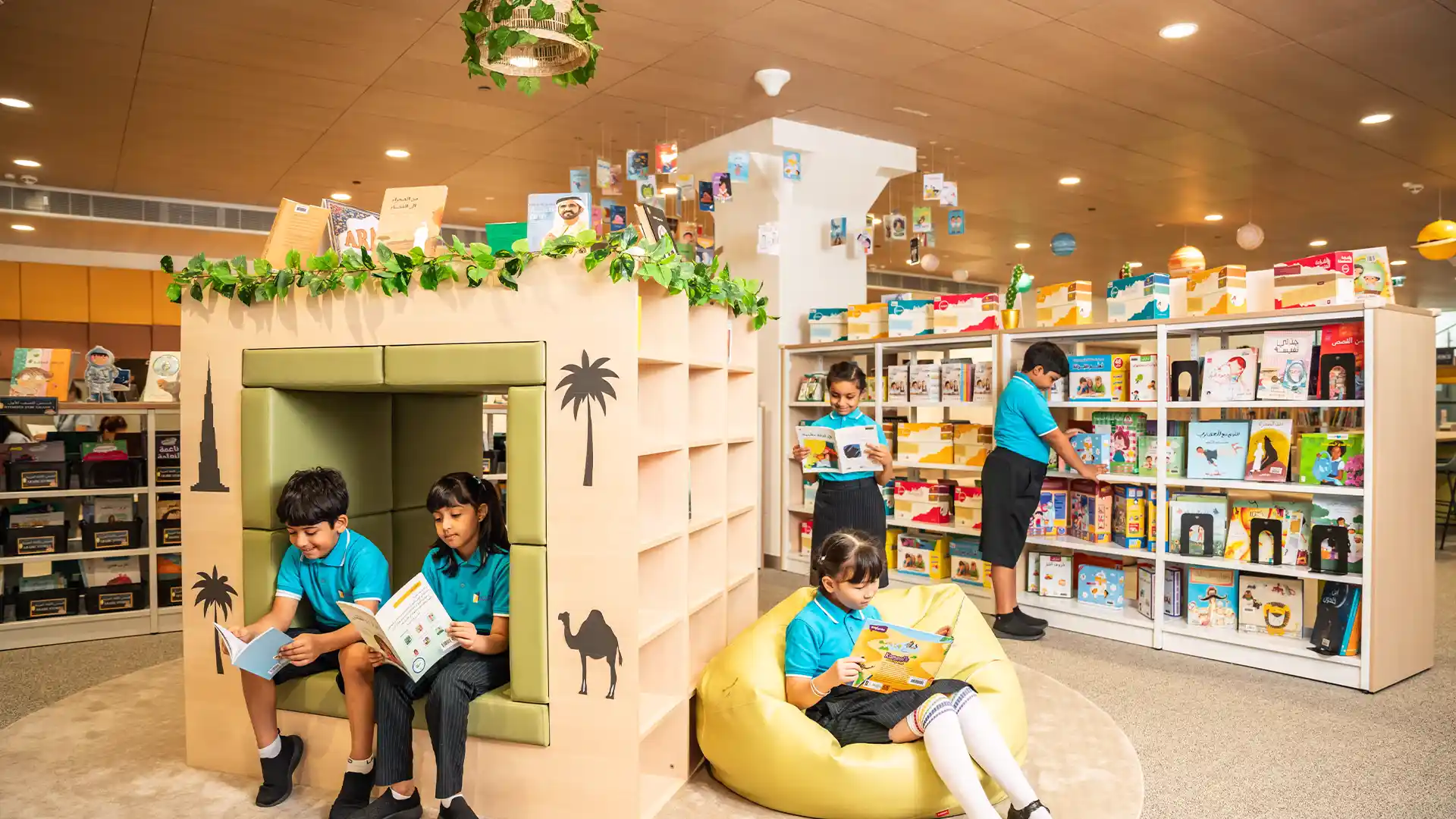
Educators in Dubai have expressed support for the initiative to open 60 new affordable schools over the next eight years, noting that it will not only increase options for parents but also enhance the overall quality of education in the city.
The initiative, endorsed by the Dubai Executive Council under the “Policy to Expand and Promote Affordable High-Quality Schools,” is expected to accommodate approximately 120,000 students within the next ten years. It represents a central component of the Dubai Education Strategy 2033, which aims to establish the emirate among the top ten global cities in terms of educational standards.
To attract investment in the sector, the government plans to provide reduced fees and land lease concessions, giving operators incentives to set up more affordable schools while maintaining high educational standards.
Dino Varkey, Group CEO of GEMS Education, stated that the initiative strongly reflects the organization’s long-term mission.
“Since 1968, when our founder launched Our Own English High School in Dubai, GEMS Education has been at the forefront of delivering accessible, high-quality schooling,” he explained.
“Currently, we provide affordable, quality education to over 80,000 students across Dubai and the UAE. For more than sixty years, we have remained dedicated to supporting Dubai’s vision of creating outstanding schools that are both accessible and affordable for all families,” he added.
Varkey emphasized that wider access to quality education benefits society as a whole. “When more families can access excellent schools, it strengthens communities, fosters stability, and ensures every child has the chance to reach their full potential,” he noted.
However, he also stressed that affordability should never compromise quality. “The key challenge lies in delivering top-notch education while keeping it affordable — making sure schools can continue to invest in exceptional teachers, digital resources, and comprehensive programs,” he said. “Thanks to our experience and scale, we can achieve this by focusing on maximizing value in the classroom rather than cutting costs.”
Other education experts emphasized that the initiative’s success will hinge on achieving a balance between affordability and quality.
Punit MK Vasu, CEO of The Indian High Group of Schools, noted that their institution — one of Dubai’s longest-established affordable Indian curriculum schools — has earned its reputation through sustainable pricing.
The school currently charges around Dh550 per month and has kept fees unchanged for the past seven years.
“Maintaining this balance has been possible due to our not-for-profit operating structure,” Vasu explained. “We have developed a model focused on maximizing operational efficiency, securing long-term vendor agreements, creating additional revenue streams, and engaging in strategic planning with city authorities and regulators.”
He emphasized that affordability encompasses much more than just tuition. “Expenses like transportation, textbooks, uniforms, extracurricular activities, and sports programs all need to be considered collectively when assessing the full financial burden of educating a student,” he noted.
Vasu also highlighted the potential for better utilization of existing resources. “School facilities remain largely underused,” he said. “There is significant scope to make the most of school buildings and infrastructure before, during, and after regular school hours.”
While commending Dubai’s recent policy initiatives, Vasu suggested that affordable schools might benefit from a more tailored regulatory approach. “One of the biggest hurdles for affordable schools will likely be attracting and retaining high-quality staff,” he explained.
He added, “It would also be worth exploring a differentiated system of quality assurance designed specifically for affordable schools, rather than applying the same evaluation standards across all institutions.”
Supporting these views, a representative from Apple International Community School (AICS), a British curriculum institution managed by LEAMS Education, highlighted that the school continues to offer competitive fee structures — with annual tuition ranging from Dh15,000 in the early years to Dh20,000 up to Year 10.
Pretty Khosla, Executive Principal of AICS, stated, “An increase in the number of schools will foster innovation, encourage healthy competition, and provide parents with more options. Affordable schools, however, will face the challenge of maintaining quality while keeping costs manageable, recruiting committed teachers, and consistently evolving to address students’ needs. Working together and sharing best practices will be essential for upholding high standards.”


Noufal Ahmed, Founder and Managing Director of Woodlem Education, sees the government’s initiative as marking a new chapter for inclusive private education.
“At Hampton Heights International School in Al Twar, which offers an affordable British curriculum, monthly fees start at Dh800 for early years and go up to Dh1,200 for the senior grades,” he explained.
He added, “This reflects our dedication to providing high-quality education that is accessible to more families. Dubai’s new policy to expand affordable schooling is transformative, enabling more children to benefit from private education and fostering a more inclusive and competitive educational environment.”
Ahmed also noted that affordable schools will still need to navigate challenges, including maintaining teaching standards and managing budgets, but remained optimistic about the future. “In the long run, this initiative is likely to bring greater diversity, innovation, and wider access within Dubai’s education sector,” he said.