The UAE is preparing to introduce a new generation of mobile devices in 2027, featuring satellite-based connectivity and internet calling capabilities. The technology is expected to expand communication options by allowing users to make VoIP calls through satellite networks.
UAE Plans to Introduce Satellite-Connected Smartphones Supporting VoIP Calls in 2027.
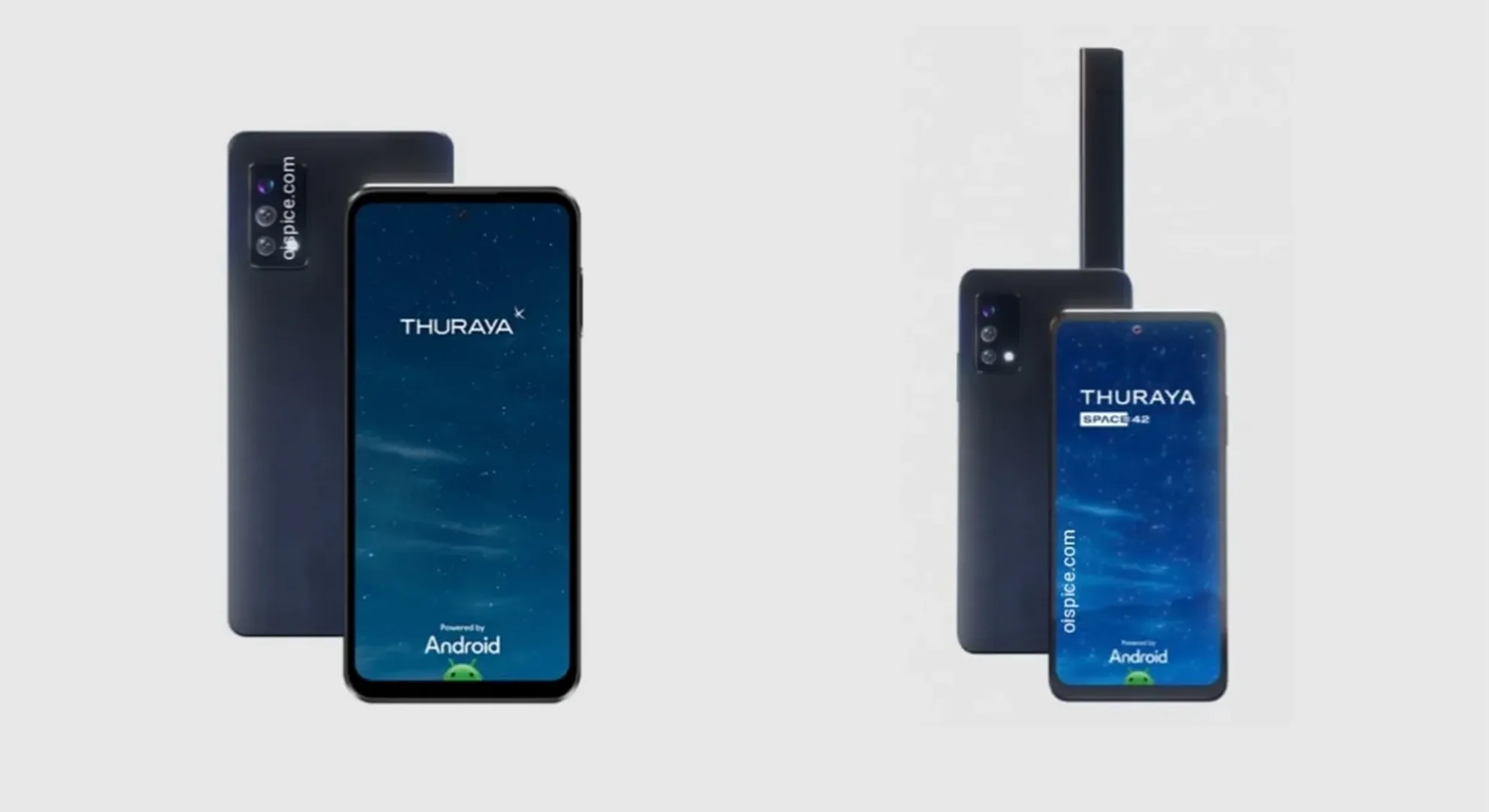
Space42 Begins Manufacturing New ThurayaTwo Satellite Smartphone Ahead of UAE Launch in 2027
Abu Dhabi-based satellite communications company Space42 has joined forces with South Korean technology manufacturer Asia Pacific Satellite Inc (APSI) to begin production of ThurayaTwo, a new-generation smartphone designed to provide mobile connectivity through satellite networks.
The upcoming device is expected to introduce additional communication options for users in locations where conventional mobile networks are unavailable, unreliable or unable to provide consistent coverage.
According to Space42, both commercial and government-focused versions of ThurayaTwo are scheduled to become available in the UAE during the fourth quarter of 2027.
The smartphone will combine satellite-based data connectivity with conventional terrestrial mobile services, allowing users to access different communication networks through a single device.
ThurayaTwo is being developed to operate through Space42’s geostationary satellite infrastructure, offering data transmission speeds of up to 120kbps. It will also support terrestrial 4G and 5G connectivity, giving users the flexibility to switch between satellite and mobile networks depending on availability.
The company aims to position the handset among the fastest data-enabled smartphones operating within the geostationary satellite phone category.
Unlike conventional smartphones that depend primarily on nearby mobile towers, the new device is designed to maintain communication capabilities in remote locations and areas where ground-based telecommunications infrastructure may be limited.
Space42 said the smartphone will support internet-based communication, including Voice over Internet Protocol (VoIP) calls through applications, using its Thuraya-4 satellite network.
UAE customers will be able to purchase the device following its commercial introduction and use UAE-approved applications to make VoIP calls, the company confirmed.
Satellite and mobile connectivity combined in one device
One of the main features of ThurayaTwo is its ability to connect through both satellite and terrestrial telecommunications networks.
Traditional smartphones generally depend on cellular infrastructure to provide internet access, voice services and messaging. However, this type of connectivity can become difficult to access in remote areas, offshore locations and places where mobile coverage is limited.
ThurayaTwo is intended to address some of these limitations by providing an alternative connection through satellite infrastructure.
The handset will be compatible with Space42’s geostationary satellite network while also supporting conventional 4G and 5G mobile services.
Its satellite data capability is expected to reach speeds of up to 120 kilobits per second, providing a communication option for users who need connectivity beyond the reach of traditional cellular networks.
The inclusion of VoIP functionality is another important feature, as it will allow supported smartphone applications to be used for internet-based voice communication.
This could be particularly useful for businesses and organisations whose employees regularly operate in locations where conventional mobile coverage is inconsistent.
The dual-network approach is intended to make satellite connectivity more accessible without requiring users to carry a separate satellite communication device alongside their everyday mobile phone.
Two editions planned for different categories of users
Space42 and APSI are preparing two versions of ThurayaTwo, with each model developed to meet different communication and operational requirements.
The commercial edition will be aimed at individual customers, companies and field-based employees who require dependable communication in areas with limited telecommunications coverage.
The government-focused version, meanwhile, will include additional security features designed for personnel working with sensitive information and organisations operating in demanding environments.
Although both models will provide satellite communication capabilities, their intended applications and security requirements will differ.
Commercial version targets businesses and remote workers
The consumer and commercial edition is expected to appeal to companies and individuals who need communication services outside the coverage areas of conventional mobile networks.
Potential users include field employees, businesses operating in remote locations and organisations whose work requires communication across different geographical environments.
The device will support multimedia communication through satellite data connectivity, providing an additional option when terrestrial networks are unavailable.
Its dual-SIM arrangement is designed to make it possible to use satellite and cellular services through the same handset.
This feature could help users maintain access to conventional mobile networks when coverage is available while switching to satellite connectivity when travelling beyond the reach of terrestrial infrastructure.
For businesses, the availability of both connection types within one device could reduce the need to carry separate communication equipment.
It may also provide greater flexibility for employees working across remote sites, offshore locations and areas where network coverage varies.
Government edition includes additional security protections
The second model is being developed for government institutions and organisations that require stronger safeguards when handling confidential information.
Space42 said the government version will include several protective measures designed to strengthen device security and prevent unauthorised access.
These include mechanisms capable of identifying physical tampering and checking the integrity of the handset when it is switched on.
The device will also incorporate protections intended to secure applications and stored information against unauthorised access.
Such features are particularly relevant for government teams and personnel working in sensitive operational environments, where maintaining the confidentiality and integrity of communications is essential.
The additional safeguards are intended to make the government edition suitable for users whose work requires more stringent security arrangements than those typically offered by standard commercial smartphones.
Space42 highlights expansion of satellite communication services
Ali Al Hashmi, CEO of Space Services at Space42, said ThurayaTwo represents another step towards making satellite connectivity part of everyday mobile communication.
He highlighted the importance of combining satellite data services with conventional mobile networks in a single handset.
According to Al Hashmi, the company wants to make it easier for individuals and organisations to remain connected across different environments, particularly where traditional telecommunications infrastructure cannot provide dependable coverage.
The company is also targeting higher data performance within the geostationary satellite handset category.
The development forms part of Space42’s wider efforts to expand its satellite communication portfolio and provide connectivity solutions for both commercial and institutional customers.
The introduction of ThurayaTwo is expected to strengthen the company’s presence in the satellite smartphone segment by bringing together cellular services, satellite data and application-based communication.
APSI partnership supports commercial and government device development
South Korea’s Asia Pacific Satellite Inc is collaborating with Space42 on the production of the new smartphone.
Dr Sunghee Lee, CEO of APSI, said the partnership would support the companies’ ambitions in the international market for specialised communications equipment.
He noted that the two versions of ThurayaTwo would serve different customer groups, including commercial users and government organisations with more demanding operational requirements.
Lee also highlighted the importance of dependable connectivity and security in the mission-critical communications sector.
The partnership reflects the companies’ intention to expand their reach in a market where satellite communication products are increasingly relevant to organisations operating beyond conventional network coverage.
By combining the satellite capabilities of Space42 with APSI’s role in device production, the companies aim to introduce a smartphone that can serve a wider range of communication requirements.
UAE launch expected in the final quarter of 2027
Space42 has confirmed that ThurayaTwo is expected to reach the UAE market between October and December 2027.
The company plans to introduce both the commercial and government editions during the fourth quarter, although specific retail prices and detailed availability arrangements were not included in the announcement.
Following its launch, UAE residents will be able to purchase the commercial device and use supported applications for VoIP communication through UAE-approved services.
The availability of satellite data connectivity alongside 4G and 5G services is expected to be one of the handset’s main selling points.
For customers living or working in areas with limited mobile infrastructure, the device could provide an additional way to access communication services.
Businesses with employees deployed across geographically challenging locations may also find the combination of satellite and terrestrial networks useful.
However, the actual experience will depend on network coverage, satellite availability, device specifications and the applications supported by the handset.
ThurayaOne remains available in the UAE
While the next-generation ThurayaTwo is still progressing through production, Space42 confirmed that its existing ThurayaOne smartphone is already available to customers in the UAE.
The company said the current model remains in stock and can be purchased through its authorised service partners.
ThurayaOne operates on the Android platform and supports conventional terrestrial broadband connectivity.
Its satellite communication capabilities include circuit-switched voice calls and SMS messaging, offering users an alternative communication option when standard mobile coverage is unavailable.
The existing handset therefore provides a satellite-enabled smartphone option ahead of the planned arrival of ThurayaTwo in 2027.
The newer model is expected to introduce satellite data services and application-based VoIP communication, representing a further development in the company’s smartphone portfolio.
Satellite smartphones could expand communication options
The development of ThurayaTwo comes as satellite-based communication becomes an increasingly important part of the telecommunications industry.
Traditional mobile networks depend on infrastructure such as cellular towers and ground-based transmission equipment. Although these networks provide extensive coverage in populated areas, connectivity can become limited in remote locations and challenging geographical environments.
Satellite communication offers an alternative by transmitting signals through satellites orbiting the Earth.
This technology can be particularly useful for individuals and organisations operating in isolated areas, where installing and maintaining conventional telecommunications infrastructure may be difficult.
Industries such as energy, transportation, maritime operations, logistics and emergency services can benefit from communication systems that are not entirely dependent on local mobile networks.
For government organisations, satellite-enabled devices can also provide additional communication options in locations where conventional networks may be unavailable.
ThurayaTwo’s combination of satellite data, VoIP functionality and terrestrial mobile services is intended to bring these capabilities together in a smartphone format.
The planned 2027 launch will provide a further indication of how satellite connectivity can be integrated into everyday mobile devices.
For Space42, the project represents an expansion of its existing satellite communications business, while its partnership with APSI is expected to support the introduction of both commercial and government-grade devices.
With production now under way, attention will turn towards the completion of the devices and their scheduled introduction in the UAE during the final quarter of 2027.