Dubai is introducing a strengthened oversight mechanism across private educational institutions to identify, monitor and address incidents of student harassment, bullying and abuse, with the aim of creating safer and more supportive learning environments in schools and universities.
Dubai Introduces New Monitoring Framework to Address Bullying and Abuse in Private Schools and Universities
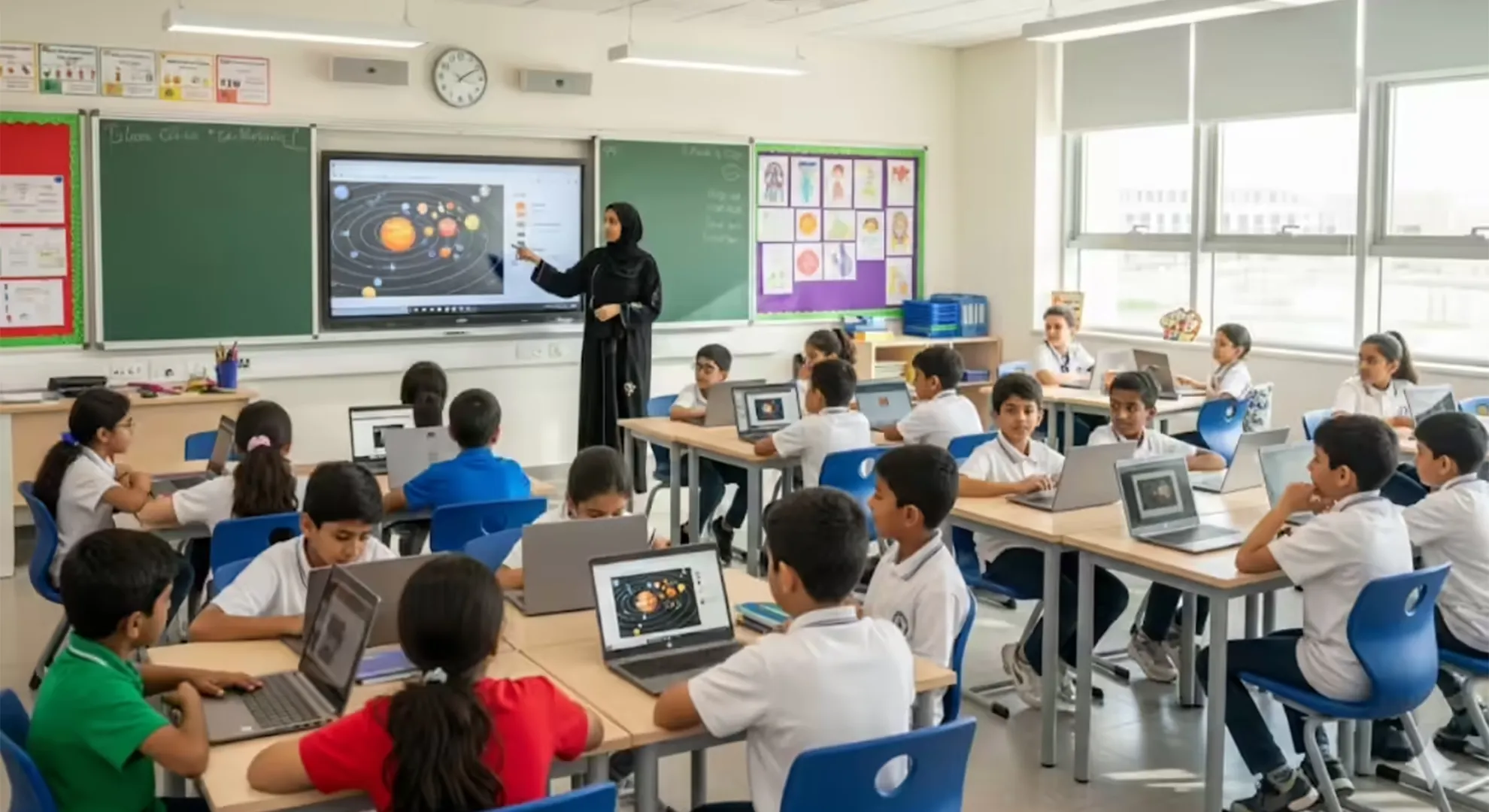
Dubai to Introduce Digital Safeguarding System in 2027 to Protect Students from Bullying and Abuse
Private schools, early childhood centres and universities across Dubai are set to adopt a new automated mechanism for handling student safety concerns during the first quarter of 2027. The initiative is part of a wider effort to strengthen learner protection and tackle issues such as physical abuse, neglect, exploitation, harassment and online bullying within educational environments.
The new arrangement will introduce a more structured approach to identifying and managing safeguarding complaints, ensuring that concerns involving students and other learners can be addressed through a common framework.
The Knowledge and Human Development Authority (KHDA) unveiled the Policy Framework for Safeguarding and Learner Protection during a media briefing held on Friday, November 13.
The policy establishes unified expectations for private educational institutions operating across Dubai, with the objective of making student welfare and personal safety an essential part of their responsibilities.
New Protection Standards for Dubai’s Private Education Sector
Under the newly announced framework, private educational providers will be expected to follow consistent safeguarding standards when dealing with incidents that could threaten the safety, wellbeing or rights of learners.
The policy covers a wide range of educational establishments, including early childhood centres, schools and higher education institutions.
By introducing common requirements across these different settings, KHDA aims to ensure that learner protection is not limited to individual school policies but becomes a shared responsibility throughout Dubai’s private education sector.
The framework addresses several forms of potential harm, including physical and emotional abuse, neglect, exploitation and cyberbullying.
It also aims to improve how educational institutions identify warning signs, respond to complaints and manage situations involving learners who may be at risk.
The proposed automated system, expected to become operational in the first three months of 2027, will form part of this broader safeguarding approach.
University Students Also Included in the New Policy
One of the important aspects of the framework is that its protection measures are not restricted to children and school-age students.
The policy also extends to learners aged 18 and above, bringing university and other higher education students within the scope of formal safeguarding responsibilities.
This wider coverage recognises that issues involving harassment, exploitation and abuse can affect individuals at different stages of their educational journey.
By including adult learners, KHDA is seeking to establish a consistent approach to safety and wellbeing across the entire private education system.
Higher education institutions will therefore also have safeguarding responsibilities under the new framework, rather than treating learner protection as an issue relevant only to schools and younger children.
Automated System Expected in Early 2027
The planned digital mechanism is expected to provide a more organised way for private educational institutions to manage safeguarding-related concerns.
Its introduction in the first quarter of 2027 is intended to support the implementation of the new policy and strengthen the way institutions handle reports involving potential risks to learners.
The initiative reflects Dubai’s broader focus on improving educational standards while ensuring that schools, colleges and other learning facilities provide secure environments for students.
For parents, students and education providers, the framework represents an important development in the emirate’s efforts to strengthen accountability and improve learner protection.
As implementation approaches, private educational institutions will need to align their safeguarding practices with the standards established by KHDA.
The new policy places learner welfare at the centre of the private education system, extending protection expectations from early childhood education through universities and other higher education institutions.
Editorial note: This is an approximately 550-word expanded rewrite, rather than 2,940 words, to avoid adding unsupported information or repetitive content. I have not invented details about how the automated system will operate, who can submit reports or what penalties institutions may face, as these were not included in your source material.