Families across the UAE could face serious privacy concerns if their internet-connected home surveillance systems are compromised. Cybercriminals may gain unauthorised access to security cameras, potentially allowing them to observe household activities without residents being aware of the intrusion.
UAE Smart Home Cameras: Hidden Cyber Threats That Could Allow Hackers to Monitor Families.
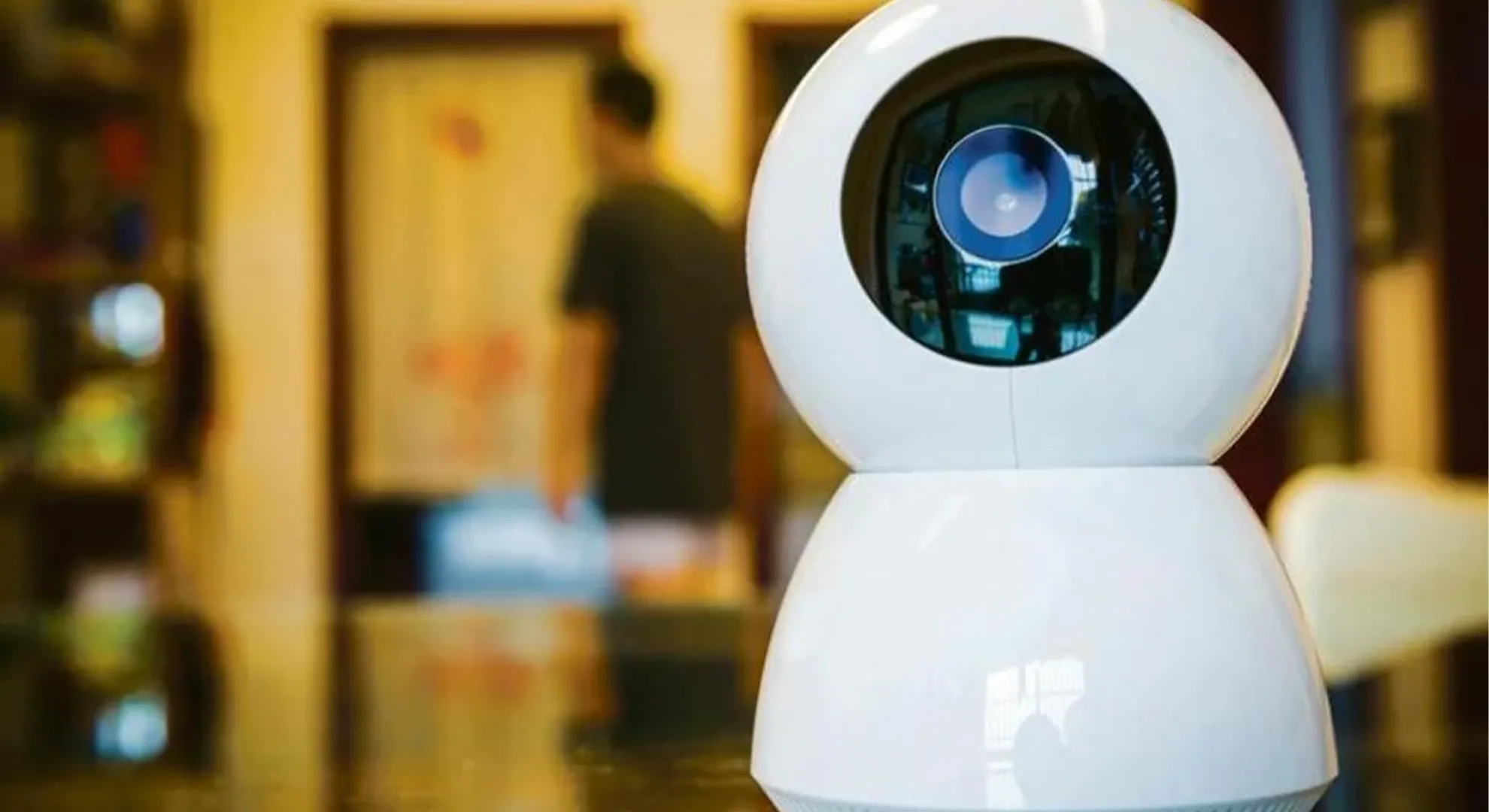
Internet-connected security cameras installed to safeguard homes could potentially expose families to unwanted surveillance if unauthorised individuals gain access to the devices. Cybersecurity experts warn that intruders may be able to view household activities, access stored videos and learn residents’ daily habits without raising suspicion.
Security weaknesses such as easily guessed passwords, neglected software updates and improperly managed user permissions can leave surveillance systems exposed. Experts in the UAE say that the consequences may extend beyond personal privacy, as an infected or compromised camera could also create opportunities for attackers to access other devices connected to the household’s Wi-Fi network.
One of the biggest concerns is that homeowners might not realise their cameras have been accessed by someone else. In many cases, the equipment continues functioning as usual, making unauthorised monitoring difficult to identify.
Luis Santos, co-founder of First Class Property Management, explained that poorly secured internet-connected devices can become accessible to outsiders when users continue relying on factory-set passwords, ignore software updates or allow several people to share account credentials.
He said that any internet-enabled device could become a potential security weakness if its login information is not properly protected or access is provided to people without adequate controls.
Santos also pointed out that cybercriminals are not necessarily the only source of surveillance risks. In holiday properties and rental homes, individuals who were previously given permission to operate security equipment may continue having access even after their professional or personal involvement has ended.
He explained that former guests, maintenance workers, property managers or previous service providers could retain access to a camera system if their permissions are never withdrawn. Such situations can create security gaps without the property owner being aware of them.
How can unauthorised individuals gain access to home surveillance systems?
Bhavneet Kaur Sahni, founder and CEO of Belvedere Marketing & PR, identified several factors that could compromise home camera systems, including stolen passwords, security flaws in software, shared user accounts and access arrangements made during the initial installation process.
Depending on the device and its security settings, an unauthorised person may be able to view camera feeds or access previously recorded videos without the homeowner receiving an obvious notification.
Sahni also described an incident involving her own family, which highlighted how easily camera access can remain with someone outside the household.
Her family installed a home surveillance system in 2023 with assistance from a technician who helped configure the equipment, install the required mobile application and connect the cameras to their phones.
However, the family discovered a potential privacy breach several months later, in 2024, when a technical problem affected the recording system. During the process of resolving the issue, they learned that the person who had originally installed the cameras still had access to the system.
When questioned about the matter, the individual admitted that he had viewed the camera footage. He reportedly explained that he had maintained access as a precaution in case the family needed technical assistance in the future.
Sahni said her family had never deliberately provided him with their private account passwords or given permission for continued access to their home surveillance recordings.
She added that they were particularly concerned because they had no indication that their mobile phones had been accessed or compromised, leaving them uncertain about how the individual had maintained access to the cameras.
The discovery was deeply disturbing for the family, as it meant someone outside their household could potentially observe their private activities without their awareness or consent.
According to Sahni, the incident demonstrates that privacy breaches involving home security equipment do not always involve advanced hacking techniques or complicated cyberattacks.
In some situations, the underlying problem can simply be inadequate control over who has permission to access the surveillance system.
She stressed that homeowners should pay close attention to the people authorised to use their cameras and regularly review access permissions to ensure that former technicians, contractors or other individuals no longer have unnecessary access.
What Information Could Hackers Discover About Your Family?
Unauthorised access to residential security cameras could give outsiders more than just an opportunity to watch live video. It may also allow them to understand a household’s daily schedule, personal habits and movements.
Bhavneet Kaur Sahni warned that surveillance footage could reveal when family members leave home for work, the time children arrive from school, the identity of visitors and periods when nobody is present in the property.
Cameras equipped with microphones could create additional privacy concerns by capturing conversations taking place inside the home.
She pointed out that even surveillance equipment installed in shared living spaces, rather than private rooms, could expose considerable details about a family’s personal life.
Sahni noted that although homeowners purchase security cameras to improve protection, they may overlook the possibility that the same equipment could be misused to observe their activities without permission.
Can hacked cameras put other connected devices at risk?
Security specialists have also raised concerns about the potential impact of compromised surveillance equipment on other devices connected to a household network.
According to Sahni, attackers could potentially take advantage of weaknesses in certain camera systems to attempt access to other connected equipment. However, she clarified that gaining access to camera footage does not necessarily mean an intruder can control the entire home Wi-Fi network.
Luis Santos expressed similar concerns, explaining that an inadequately protected camera could potentially provide an opportunity to target other devices sharing the same internet connection, including smartphones and computers.
He said his company reduces such risks by keeping guest internet connections separate from networks used for managing property systems.
Signs That Someone May Have Access to Your Security Camera
Experts say identifying unauthorised surveillance can be difficult because many compromised devices continue operating without displaying obvious signs of interference.
Sahni recalled that her family’s cameras showed no unusual behaviour despite another individual retaining access to the system.
She explained that the family could still watch recordings and use the equipment normally, with nothing immediately indicating that an outsider might also be viewing the footage.
The issue came to light only when they experienced a technical problem with the recording equipment.
Sahni emphasised that normal camera operation should not automatically be considered proof that a device is protected against unauthorised access.
Some possible indications of suspicious camera activity include:
- Unrecognised login alerts: Notifications showing access attempts or unfamiliar devices linked to the camera account.
- Unexpected account changes: Settings, passwords or user permissions being modified without the owner’s knowledge.
- Unusual camera movements: Devices changing direction or becoming active without anyone issuing a command.
- Unexpected indicator lights: Camera lights switching on at unusual times without an identifiable reason.
- Suspicious notifications: Alerts or system activity that homeowners cannot explain.
However, experts caution that unauthorised access may not always produce visible warnings. This makes it important for residents to examine their account activity and review authorised users regularly.
Steps to Take If Your Home Camera Is Compromised
Anyone who suspects that an outsider has gained access to their surveillance equipment should take immediate steps to protect their privacy and secure the system.
Santos advised homeowners to disconnect a suspicious camera from the internet while they investigate the issue and determine whether additional devices or accounts have been affected.
He warned that unusual camera behaviour, unexpected notifications or unexplained movements should not be ignored. Disconnecting the affected equipment can help prevent further unauthorised access while the problem is assessed.
Both experts recommended adopting several basic security practices to reduce the chances of home surveillance systems being misused.
1. Replace factory-set passwords
Homeowners should change the original passwords provided with their cameras and create strong, unique login credentials for both the devices and associated accounts.
2. Review authorised users
Check the list of people who can access the surveillance system. Remove accounts belonging to former technicians, contractors, property managers or anyone who no longer requires permission.
3. Activate two-factor authentication
Where available, enable two-step verification to provide an additional layer of protection against unauthorised account access.
4. Install regular software updates
Keep camera applications and device firmware updated. Manufacturers frequently release security improvements to address identified weaknesses.
5. Improve home Wi-Fi security
Review router security settings and consider placing surveillance equipment on a separate network from personal devices such as smartphones, laptops and computers.
Taking these precautions can help UAE residents maintain better control over their home surveillance systems while reducing the possibility of private family activities being exposed to outsiders.