Dubai is set to strengthen its stormwater management infrastructure by adding approximately 100 kilometres to its main drainage network. The expansion aims to improve rainwater collection, increase drainage capacity and reduce the risk of waterlogging during heavy rainfall across the city.
Dubai Plans to Expand Its Primary Drainage Network by Nearly 100 Kilometres to Improve Stormwater Management
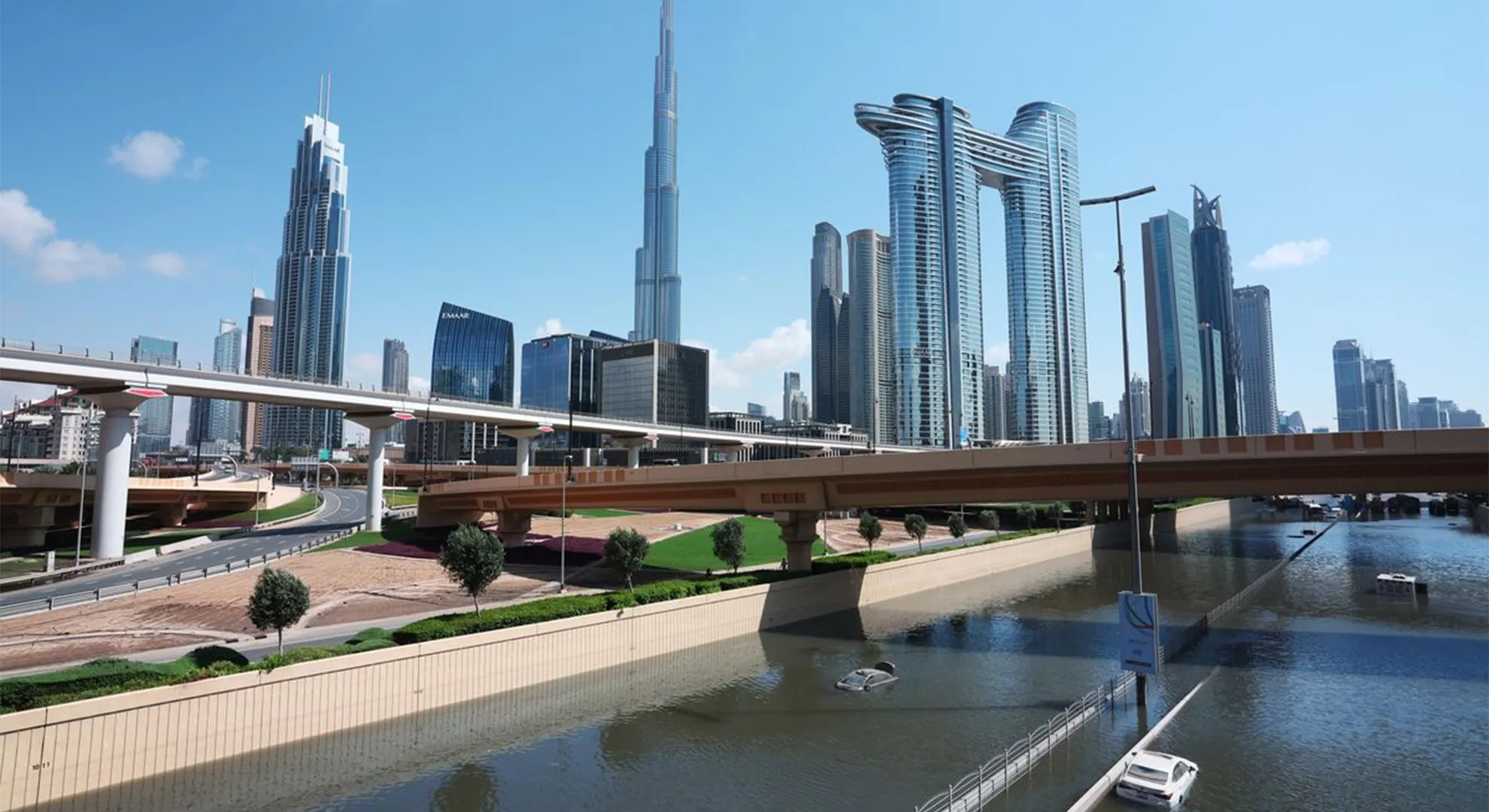
Dubai Announces Dh3 Billion Investment to Expand Stormwater Drainage Network by 100 Kilometres
Dubai is moving ahead with a major expansion of its stormwater management infrastructure, with Dubai Municipality awarding contracts for four new projects designed to strengthen the emirate’s drainage network. The developments form part of a wider strategy to improve the city’s ability to manage rainfall, increase the capacity of existing infrastructure and support future urban development.
The latest projects will involve the construction and expansion of approximately 100 kilometres of primary stormwater drainage pipelines across several important districts. With a combined investment of Dh3 billion, the works are expected to cover an area of nearly 100 square kilometres and connect additional communities to Dubai Municipality’s main drainage system.
The new pipelines will have diameters of up to three metres, allowing the network to transport substantial volumes of rainwater. The projects are planned for residential, commercial and other strategically important areas, including Jumeirah, Umm Suqeim, Al Safa, Al Manara, Al Quoz, Al Barsha, Al Wasl, Za’abeel, Al Bada’a, Al Satwa and Al Marmoom.
Through the expansion, Dubai Municipality aims to improve the movement of stormwater throughout the city, strengthen the reliability of drainage operations and increase the network’s ability to accommodate changing weather conditions. The additional infrastructure will also support the emirate’s long-term development plans as new residential neighbourhoods, commercial districts and public facilities continue to grow.
The four contracts fall under the third phase of the Tasreef Programme, a large-scale infrastructure initiative established to improve rainwater drainage across Dubai. The programme is intended to deliver a more capable and integrated system that can manage increasing drainage requirements while supporting sustainable urban expansion.
Four Major Projects to Strengthen Dubai’s Drainage Infrastructure
The latest phase of the programme focuses on several parts of Dubai where expanded drainage infrastructure is expected to improve stormwater collection and conveyance. Each project has been designed around the requirements of its designated communities, taking into account the need for additional pipelines and supporting infrastructure.
Together, the developments will extend the primary drainage network, improve connections between local drainage systems and the main network, and provide greater flexibility in managing water flows during periods of rainfall.
The four projects cover the Jumeirah and Umm Suqeim communities, areas between Sheikh Zayed Road and Al Khail Road, neighbourhoods along Al Wasl Road and districts east of the Dubai Water Canal, as well as Al Marmoom.
The combined works will introduce around 100 kilometres of new or extended main drainage lines. By connecting these areas to the wider municipal system, the projects are expected to improve drainage performance and help limit the accumulation of rainwater in streets and other vulnerable locations.
The programme also reflects the importance of planning infrastructure alongside urban growth. As Dubai expands, drainage facilities must be capable of serving established communities as well as areas experiencing new development. Increasing the capacity of the network can help the city respond more effectively to rainfall while supporting the continued use of roads, neighbourhoods and public spaces.
Dh30 Billion Tasreef Programme Targets Greater Capacity
The new projects are part of Dubai’s broader Tasreef Programme, which is being implemented by Dubai Municipality with a total planned investment of Dh30 billion.
The strategic initiative is designed to transform the emirate’s stormwater drainage infrastructure by significantly increasing the volume of rainwater the network can handle. According to the supplied project information, the programme aims to raise stormwater drainage capacity by 700 per cent.
It also seeks to reduce expenditure associated with pumping station construction, operations and maintenance by approximately 20 per cent. These objectives reflect an effort to improve drainage performance while managing the long-term costs of building and maintaining essential infrastructure.
A more extensive drainage network can help transport rainwater away from streets and populated areas more efficiently. It can also improve connections between neighbourhood-level drainage facilities and the main system, allowing water to be conveyed through a coordinated network rather than relying on isolated infrastructure.
The programme is particularly important for a rapidly developing city where roads, buildings, residential communities and public amenities must be supported by reliable utilities. Stormwater drainage is a key component of this infrastructure because inadequate capacity can contribute to water accumulation, disrupt traffic and affect access to homes and businesses.
By investing in larger pipelines and extending the network across multiple districts, Dubai Municipality is seeking to strengthen the city’s ability to manage rainwater and improve the resilience of its urban infrastructure.
The planned improvements also support sustainable development by incorporating drainage requirements into the expansion of the built environment. As population and development needs increase, effective water management becomes increasingly important for maintaining the functionality of public spaces and transport corridors.
Although the programme sets ambitious capacity and cost-reduction targets, its ultimate performance will depend on the completed infrastructure, operational arrangements, maintenance and the volume of rainfall encountered. The announced figures describe the programme’s objectives rather than independently verified outcomes from the newly awarded contracts.
Jumeirah and Umm Suqeim to Receive 42 Kilometres of Drainage Lines
One of the major developments under the third phase is the Jumeirah and Umm Suqeim Stormwater Drainage Network Development Project. The scheme is intended to improve drainage coverage across a number of established residential communities and increase the efficiency of rainwater management in the surrounding areas.
The project will extend across Umm Suqeim 1, Umm Suqeim 2 and Umm Suqeim 3, as well as Umm Al Sheif. Its coverage will also include Jumeirah 3, Al Safa 1, Al Safa 2 and Al Manara, with the network extending along areas near the Dubai Water Canal.
Approximately 42 kilometres of main stormwater drainage pipelines will be constructed as part of the project. This represents a substantial portion of the primary drainage infrastructure planned under the latest phase of the Tasreef Programme.
The additional pipelines are intended to improve the capacity of the drainage system serving these communities. By providing more extensive routes for stormwater to move through the network, the project aims to strengthen the system’s ability to manage rainfall and improve its operational reliability.
The selected areas include established neighbourhoods where effective drainage is important for maintaining access to residential streets and local facilities. Improvements to the main network can also help support the wider drainage system by providing additional connections through which collected rainwater can be transported.
The project’s proximity to the Dubai Water Canal makes coordination with the broader urban drainage network an important element of the development. An integrated approach can help ensure that local drainage infrastructure works alongside the main system to manage water flows more effectively.
Once completed, the planned infrastructure is expected to contribute to a more resilient drainage network serving Jumeirah, Umm Suqeim and surrounding districts. The investment forms part of Dubai Municipality’s wider effort to improve the performance of stormwater infrastructure in established parts of the city while accommodating future development.
New Drainage Infrastructure Planned Between Sheikh Zayed Road and Al Khail Road
Another major component of the programme will focus on the corridor between Sheikh Zayed Road and Al Khail Road. The Stormwater Drainage Network Development and Capacity Enhancement Project will introduce approximately 14 kilometres of primary drainage pipelines to improve rainwater management in the designated areas.
The project will serve locations around the Al Khail Road interchange towards Umm Suqeim, as well as Umm Suqeim Road and Sheikh Zayed Road. Additional coverage will include First Al Khail Street, Al Marabea Street, Al Waha Street and Al Zumurrud Street, together with connecting secondary roads.
The infrastructure will also serve Al Quoz Industrial Areas 1, 3 and 4, along with Al Barsha 1.
These districts include important transport routes and industrial and residential areas where drainage performance can influence everyday mobility and access. Improving the primary network in such locations can help rainwater move through the system more effectively and support the continued operation of roads and surrounding facilities during wet weather.
The addition of 14 kilometres of drainage lines is intended to strengthen the connection between local drainage infrastructure and Dubai’s wider municipal network. The improvements are expected to provide additional capacity in areas identified for development under the third phase of the Tasreef Programme.
Road networks are an important consideration in stormwater planning because water accumulation can interfere with traffic movement and make access more difficult. A properly coordinated drainage system can help collect and convey rainwater away from road surfaces and nearby developed areas.
The project’s coverage of both industrial zones and residential neighbourhoods also reflects the need to provide drainage infrastructure for different land uses. Industrial districts require dependable access for vehicles and businesses, while residential communities depend on functioning roads and public spaces.
Through the planned works, Dubai Municipality aims to improve drainage efficiency and reinforce the resilience of the network serving the corridor between the two major roads.
Al Wasl Road Project to Cover Areas East of the Dubai Water Canal
A separate project will expand stormwater drainage infrastructure along Al Wasl Road and in neighbourhoods situated east of the Dubai Water Canal.
The Al Wasl Road drainage development will serve Za’abeel 2, Al Wasl, Jumeirah 1 and Jumeirah 2, along with Al Bada’a and Al Satwa. The designated coverage also includes Dubai World Trade Centre 1 and Dubai World Trade Centre 2.
The project will cover an area of up to 25 square kilometres and introduce approximately 21 kilometres of drainage infrastructure.
Unlike a project focused solely on the construction of primary pipelines, this development will include an integrated arrangement of main and secondary water-conveyance lines and related facilities. The combined infrastructure is intended to collect and transfer stormwater across the designated districts while allowing the system to respond more flexibly to changing water flows.
The inclusion of secondary drainage lines is important because the performance of a main network depends partly on how effectively water can reach it from surrounding streets and developed areas. An integrated design can improve connections between local collection points and the primary pipelines, supporting the movement of rainwater through the wider system.
The planned works are also intended to help manage larger volumes of water and reduce the likelihood of rainwater accumulating in locations served by the network. The project’s broad coverage reflects the importance of coordinating drainage infrastructure across connected neighbourhoods rather than treating individual streets as separate systems.
Al Wasl and the surrounding districts include established residential and urban areas, while the wider corridor connects with important destinations and road links. Improving drainage facilities in these locations can help support the reliability of local infrastructure and maintain access to public and commercial facilities during periods of rainfall.
The project forms part of the wider effort to provide a more connected and capable stormwater network across Dubai. By combining main pipelines, secondary conveyance routes and supporting infrastructure, the development is designed to improve the management of rainwater throughout the designated area.
The proposed network will also complement the other projects being delivered under the third phase of Tasreef, helping extend the programme’s benefits across several districts of the emirate.
Al Marmoom to Benefit from an Integrated Stormwater Network
The fourth project will focus on Al Marmoom, where Dubai Municipality plans to establish an integrated and sustainable stormwater drainage system.
Under the third phase of the Tasreef Programme, approximately 23 kilometres of drainage infrastructure will be developed to serve important areas within Al Marmoom.
The project is intended to improve the collection and movement of rainwater by introducing a coordinated drainage network tailored to the requirements of the designated locations. Its inclusion in the programme will extend the reach of Dubai’s stormwater infrastructure beyond the other districts covered by the new contracts.
An integrated drainage system can help ensure that rainwater is directed through connected routes rather than accumulating in isolated locations. The effectiveness of such a system depends on the capacity of its pipelines, the connections between its components and the ability of the wider network to handle incoming water.
The planned 23 kilometres of infrastructure will contribute to the overall expansion of the primary stormwater system announced by Dubai Municipality. Alongside the projects in Jumeirah, Umm Suqeim, Al Quoz and areas near Al Wasl Road, the Al Marmoom development will form part of the approximately 100 kilometres of drainage lines planned under the latest contracts.
The project’s sustainability focus also aligns with the wider objectives of the Tasreef Programme, which seeks to improve drainage capacity while reducing the longer-term costs associated with operating and maintaining the infrastructure.
By extending stormwater management facilities into Al Marmoom, Dubai Municipality aims to strengthen drainage services in the area and support its continued development. The new system will contribute to the broader objective of establishing a more comprehensive and resilient network capable of serving the emirate’s different communities.
Further details about the construction schedule, completion dates and individual implementation milestones were not included in the supplied project information.
Infrastructure Expansion to Support Dubai’s Long-Term Development
Dubai’s latest drainage projects demonstrate the scale of investment being directed towards essential infrastructure as the city continues to develop.
The four contracts, valued collectively at Dh3 billion, will deliver approximately 100 kilometres of primary stormwater drainage lines across nearly 100 square kilometres. The pipelines, with diameters reaching up to three metres, are planned for several residential, industrial and strategically important districts.
The projects will add capacity to the municipal drainage network, improve connections between local and main drainage lines and strengthen the system’s ability to convey rainwater. They are also expected to support more reliable drainage operations in areas where infrastructure must serve established communities and future development.
The individual projects have been designed to address the requirements of their respective locations. Jumeirah and Umm Suqeim will receive around 42 kilometres of main drainage lines, while the corridor between Sheikh Zayed Road and Al Khail Road will benefit from approximately 14 kilometres.
The Al Wasl Road development will introduce about 21 kilometres of main and secondary drainage infrastructure across an area of up to 25 square kilometres. In Al Marmoom, the planned network will extend for approximately 23 kilometres.
Together, these works account for the approximately 100 kilometres of drainage infrastructure identified in the announcement.
The projects will also contribute to the objectives of the Dh30 billion Tasreef Programme, which aims to increase stormwater drainage capacity by 700 per cent and lower costs associated with pumping stations, operations and maintenance by 20 per cent.
Improved stormwater infrastructure is an important part of urban resilience. Drainage systems must be capable of collecting rainwater, conveying it through the network and operating effectively when demand increases. Expanding pipelines and improving connections can help address these requirements, although actual performance will depend on the completed design, maintenance and weather conditions.
For a growing city such as Dubai, investing in drainage capacity is also closely linked to sustainable urban planning. New infrastructure can help protect the functionality of roads, neighbourhoods and public facilities while supporting the development of residential and commercial areas.
The latest contracts therefore represent a further step in Dubai Municipality’s broader effort to modernise the emirate’s stormwater management system. As the four projects progress, their combined infrastructure is intended to create a stronger, more connected drainage network capable of serving communities across Dubai.
What the Dh3 Billion Projects Mean for Dubai Residents
For residents and businesses in the affected districts, the planned improvements are primarily intended to strengthen the infrastructure responsible for managing rainwater.
A larger and better-connected drainage network can provide additional routes for water to move away from streets and developed areas. This can help reduce the risk of localised water accumulation, although the extent of any benefit will depend on the location, rainfall intensity and the performance of the completed system.
The projects also have a longer-term dimension. Drainage infrastructure must accommodate existing needs while providing sufficient capacity for new buildings, roads and other developments. Planning these improvements across multiple communities allows the municipality to address drainage requirements at a broader network level.
The focus on primary pipelines, supported by secondary conveyance lines where specified, is designed to improve how rainwater moves from individual areas into the main system. Such coordination is important because the effectiveness of a drainage network depends not only on the size of its main pipes but also on how well its different components work together.
The Dh3 billion investment under the latest phase will contribute to this wider objective, while the overall Tasreef Programme provides a longer-term framework for expanding and improving stormwater infrastructure throughout Dubai.
The announced projects cover a diverse range of locations, from established residential neighbourhoods and industrial districts to Al Marmoom. This distribution reflects the need to develop drainage infrastructure that responds to the characteristics and requirements of different parts of the city.
While construction progress and completion schedules will determine when individual areas begin benefiting from the improvements, the combined projects are intended to strengthen Dubai’s capacity to manage stormwater and support continued urban growth.
A Broader Strategy for Stormwater Management
Dubai Municipality’s latest contracts form part of a long-term infrastructure strategy focused on drainage capacity, operational resilience and sustainable development.
The four projects will extend the primary stormwater network through approximately 100 kilometres of new or expanded pipelines, with an investment of Dh3 billion. The work will cover almost 100 square kilometres and connect key communities to the municipality’s main drainage system.
The developments in Jumeirah and Umm Suqeim, between Sheikh Zayed Road and Al Khail Road, along Al Wasl Road and in Al Marmoom will collectively strengthen the network serving the designated areas.
At the programme level, Tasreef aims to deliver a major increase in drainage capacity while reducing selected construction, operating and maintenance costs. Its stated targets highlight the municipality’s intention to combine infrastructure expansion with improved long-term efficiency.
As Dubai continues to grow, dependable stormwater management will remain an important requirement for maintaining public infrastructure and supporting urban development. The new projects are intended to contribute to that goal by providing additional drainage capacity, improving the movement of rainwater and establishing stronger connections across the emirate’s stormwater network.
The planned expansion represents a significant investment in Dubai’s ability to manage rainfall and maintain the resilience of its infrastructure. Through the four new contracts, Dubai Municipality is advancing another stage of the Tasreef Programme and continuing its efforts to build a more extensive and integrated stormwater drainage system.