Planning to welcome a pet into your home? Discover how Dubai Municipality can help you explore available animals, understand the adoption process, and find a loving new companion that could become a cherished part of your family.
Thinking of Adopting? A Guide to Finding Your New Pet Through Dubai Municipality.
Thinking about adopting a furry companion from Dubai Municipality? Here’s a complete guide covering the essential paperwork, eligibility requirements, adoption procedure, and approximate waiting period for bringing home a cat or dog from either of the municipality’s dedicated animal shelters.
Every animal deserves a chance to live in a safe, caring environment. For stray, abandoned and rescued cats and dogs in the UAE, that opportunity can begin at one of Dubai Municipality’s animal welfare facilities, where pets are provided with care and, when suitable, prepared for adoption.
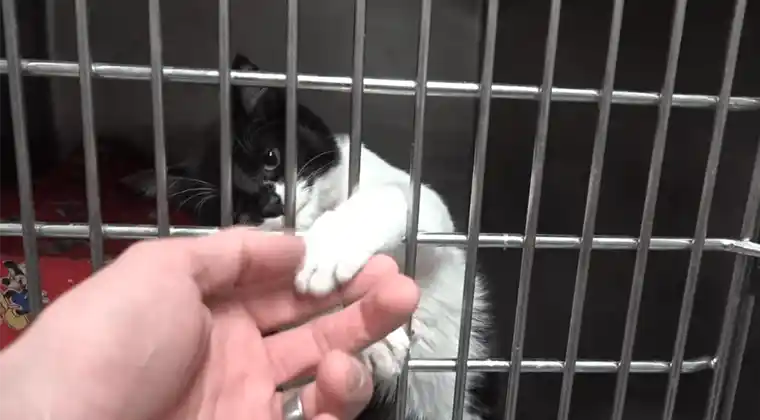
Dubai Municipality expanded its animal welfare services with the opening of a new integrated shelter at the Birds and Pets Market in Warsan in July. The facility was established to provide cats with a secure environment where they can receive medical attention, rehabilitation and daily care while they wait for a potential new home.
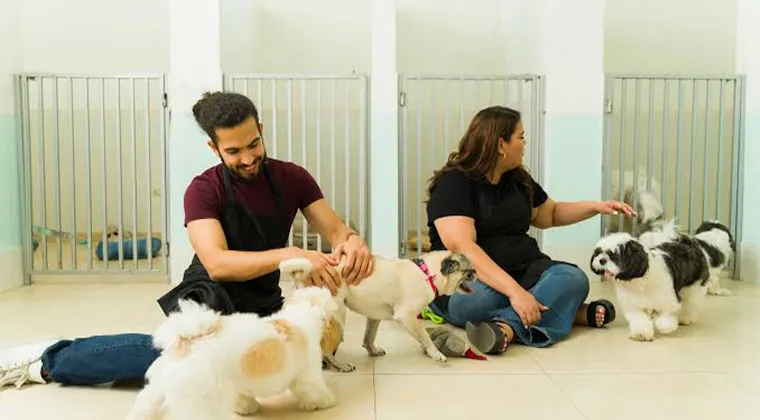
For those hoping to adopt a dog, Dubai Municipality also operates a facility at Al Khawaneej. Together, the shelters support the municipality’s wider efforts to improve animal welfare, encourage responsible ownership and help suitable pets find permanent homes.
Before animals are offered to prospective owners, they can receive veterinary attention and undergo assessments to determine their health and suitability for adoption. The process is designed to help match animals with families who are able to provide appropriate care and a stable home.
To understand more about how the system works, where the animals come from and what prospective adopters can expect, INSIDER 18 approached Dubai Municipality with a series of questions. Here is what prospective pet owners should know before applying to adopt a cat or dog.
1. Where do the animals at Dubai Municipality shelters come from?
The cats and dogs cared for by Dubai Municipality come from several different situations. Some are stray animals found without an identifiable owner, while others may have been abandoned, rescued, surrendered or brought into the municipality’s care after being reported as lost.
According to Dubai Municipality, animals are sourced through its Veterinary Control Section as well as private pest control companies that have been authorised by the municipality. These organisations are involved in animal welfare activities and in managing stray cat populations through the municipality’s TNR, or trap-neuter-release, programme.
This means that the animals available through the shelters are not necessarily from a single background. Some may have lived on the streets, while others could have previously belonged to families before being lost, abandoned or surrendered.
The municipality’s role is therefore not limited to finding homes for unwanted pets. It also involves responding to cases involving stray and lost animals, providing veterinary care and taking appropriate steps depending on each animal’s circumstances.
For anyone considering adoption, this is an important distinction. A pet at a shelter may have a very different history from another animal at the same facility, which is why prospective owners are encouraged to consider the individual animal’s health, behaviour and needs before making a decision.
2. Which animals are available for adoption?
Dubai Municipality’s publicly referenced adoption facilities currently focus on cats and dogs.
The newer Animal Welfare Shelter in Warsan accommodates cats, giving people interested in adopting a feline companion an opportunity to view animals that are available for rehoming. Dogs are accommodated at the facility located at Al Khawaneej Veterinary Clinic.
The municipality’s pet adoption service covers both cats and dogs, allowing prospective owners to explore the animals available through its adoption system.
However, the municipality’s veterinary services extend beyond cats and dogs. Its Veterinary Services Section also provides preventive and curative health services for livestock, along with preventive healthcare services for pet animals.
For people looking specifically to adopt through the municipality’s dedicated public adoption facilities, cats and dogs are the primary animals currently available.
3. What services and facilities are available at the shelters?
The facilities are designed to provide considerably more than basic accommodation for animals.
The Animal Welfare Shelter in Warsan includes several areas intended to support the health, recovery and adoption of animals under the municipality’s care. Among its facilities is a Customer Happiness Centre, where visitors can receive information and assistance.
The shelter also features areas where potential adopters can view animals before deciding whether to proceed with an application. Interactive adoption rooms provide an environment in which prospective owners can spend time with animals as part of the adoption process.
Medical care is another important component of the facility. The shelter has a fully equipped veterinary clinic for animals staying there, as well as an advanced surgical operating theatre. These facilities allow veterinary teams to provide treatment and carry out procedures when required.
Grooming facilities are also available, along with reception and rehabilitation areas designed to support animals that have been rescued from the streets.
Another important function of the facility is helping reunite lost pets with their owners. When an animal is brought into municipal care and there is a possibility that it belongs to someone, verification procedures can be carried out before the animal is considered for rehoming.
This means the shelter is not simply an adoption centre. It also plays a role in animal recovery, medical treatment, rehabilitation and efforts to reunite lost pets with their families.
4. Can every animal at the shelter be adopted?
No. Being housed at a municipal shelter does not automatically mean that an animal is immediately available for adoption.
Animals first need to be assessed according to their individual circumstances. Medical and behavioural evaluations help determine what care an animal may require and whether it is suitable to be placed with a new family.
Some animals may need veterinary treatment before they can be considered for adoption. Others may require additional rehabilitation or observation, particularly if they have experienced difficult circumstances or need time to adjust.
Lost pets are another important category. If an animal has been reported missing or can potentially be reunited with its original owner, the municipality may work to return it rather than place it for adoption.
Stray cats may also be handled differently depending on their circumstances. Through the municipality’s TNR or TNVR programmes — referring to trap-neuter-release or trap-neuter-vaccinate-return — suitable community cats can be sterilised and, where appropriate, returned to their original environment rather than placed in adoptive homes.
As a result, adoption is only one part of the municipality’s broader animal welfare programme.
Animals that are assessed as suitable for rehoming can eventually be made available to prospective adopters. This approach helps ensure that pets are placed in homes where their welfare and individual requirements can be properly considered.
5. How can someone apply to adopt a cat or dog?
People interested in adopting an animal from Dubai Municipality can begin the process digitally.
Applications can be submitted through the Dubai Municipality website or via the Dubai Now application. This allows prospective owners to access information about animals that are currently available and begin the adoption process without necessarily having to start with a physical visit.
Before applying, potential adopters can browse the animals listed for adoption and review available information about their health and behaviour. Having access to this information can help people make a more informed decision about whether a particular cat or dog is appropriate for their household.
Choosing a pet should involve more than simply selecting an animal based on appearance. Prospective owners should consider factors such as the animal’s temperament, medical requirements, age and general care needs, as well as whether their home environment is suitable.
Once an applicant has selected an animal and submitted an application, the process can include an in-person assessment. This step allows the municipality to evaluate the prospective adoption and help determine whether the selected animal is a suitable match for the applicant.
The final stage involves receiving the animal after completing the required procedures and paying the applicable fees for services such as vaccination and registration.
The process is therefore designed to go beyond a simple transaction. It combines animal assessment, veterinary care and adopter evaluation before a pet is placed in a new home.
Giving shelter animals a second chance
For people considering bringing a pet into their family, adoption can provide an opportunity to give an animal a permanent home while also supporting responsible pet ownership.
The animals arriving at Dubai Municipality’s shelters can have very different backgrounds. Some may have been living as strays, while others may have been rescued, abandoned, surrendered or separated from their owners.
Because of these varying circumstances, each animal’s journey through the shelter system can be different. Some may require medical treatment, others may need rehabilitation, while lost pets may ultimately return to their original families.
For animals that are suitable for rehoming, adoption provides another opportunity to move from temporary municipal care into a permanent household.
Dubai Municipality’s approach also highlights the importance of responsible ownership. Bringing a pet home is a long-term commitment that involves providing food, healthcare, suitable living conditions, attention and regular veterinary care.
Potential adopters should therefore take time to understand what is involved before submitting an application. The goal is not simply to find an animal that looks appealing, but to establish a suitable match between the pet and its future owner.
With dedicated facilities in Warsan and Al Khawaneej, veterinary services, behavioural and medical assessments and a digital application process, Dubai Municipality has created a structured route for residents interested in adopting cats and dogs.
For anyone searching for a new four-legged companion, checking the animals currently available through the municipality can be a useful first step. A shelter pet may have an uncertain past, but with the right home, proper care and a responsible owner, it can have the opportunity to begin a new chapter.
6. What paperwork is needed to adopt a pet?
People interested in adopting a cat or dog from Dubai Municipality need to provide the information and identification details requested during the official adoption application.
The documentation requirements are completed through the municipality’s adoption service, where applicants are asked to enter the necessary personal and identification information. The specific supporting documents or details required can vary depending on the applicant and the information provided during the application.
Applicants should therefore check the requirements shown within the official service before submitting their request. Providing accurate information is important because the municipality carries out verification as part of the adoption procedure.
The process does not end with an online application. Once the necessary checks have been completed, the prospective adopter is required to attend in person before the animal can be handed over.
This face-to-face stage forms part of the municipality’s verification process and helps ensure that the information supplied by the applicant corresponds with the person completing the adoption.
Anyone considering adoption should make sure that their identification and other requested information are available before beginning the application. This can help avoid delays and make it easier to complete the various stages of the process.
Because the requirements are presented as part of the adoption service, prospective owners should rely on the information provided through the official application rather than assuming that the same documents will apply in every case.
7. Does Dubai Municipality check whether an applicant is suitable to become a pet owner?
Adopting an animal involves a long-term responsibility, so Dubai Municipality considers more than an applicant’s interest in taking a pet home.
The adoption process includes measures intended to encourage responsible ownership and ensure that animals are placed with people who understand the commitment involved.
One of the basic eligibility requirements is that applicants must be at least 21 years old. Applicants must also not have recorded violations relating to animal abuse or mistreatment.
In addition to these requirements, prospective owners are assessed on their understanding of important aspects of animal welfare and care. This includes awareness of veterinary needs, appropriate nutrition and the responsibilities associated with looking after a pet.
The suitability assessment also considers whether the applicant can provide an appropriate environment for the animal. A suitable home is an important part of responsible ownership because cats and dogs require more than food and shelter.
Future owners need to be prepared for routine veterinary appointments, preventive healthcare, proper feeding, grooming where necessary, exercise and attention, as well as any unexpected medical or behavioural needs that may arise.
The assessment is therefore intended to encourage people to think carefully about whether they are ready for the long-term responsibilities associated with pet ownership.
Prospective adopters should also consider their own circumstances before applying. Factors such as their daily routine, living arrangements, ability to meet veterinary expenses and willingness to care for the animal throughout its life can all affect whether adoption is appropriate.
By including eligibility and suitability checks, the municipality’s adoption system seeks to support responsible placement rather than simply transferring an animal from a shelter to a household.
8. Does adopting a pet involve a fee?
There is no separate adoption charge for taking an eligible animal home.
However, prospective owners should be aware that certain veterinary and administrative services associated with the adoption process carry prescribed fees.
These may include services such as vaccination and registration. Such procedures are part of preparing the animal for its transition into its new home and completing the necessary preventive healthcare and registration requirements.
As a result, while an adopter does not pay an adoption fee for the animal itself, there can still be costs that need to be settled before the pet is handed over.
These expenses are related to the services provided during the adoption process rather than being a purchase price for the animal.
Anyone planning to adopt should therefore take these costs into account when preparing for the process. More importantly, prospective owners should remember that the financial responsibility does not end once the initial services have been completed.
Keeping a pet involves ongoing expenses, including food, routine veterinary care, vaccinations where applicable, grooming, medication and other supplies. Depending on the animal’s age and health, additional medical care may also be required in the future.
Adoption can provide a pet with a new home, but responsible ownership also means being prepared for the continuing costs of caring for that animal.
9. How quickly is an adoption application processed?
For applicants who have completed the required steps, Dubai Municipality says an adoption application can be processed in approximately one hour.
However, this does not necessarily mean that every adopter will be able to take the animal home immediately after submitting the application.
The overall timeline can depend on several factors, including completion of eligibility checks, the required assessment, appointment arrangements and whether the selected animal is ready to leave the shelter.
Once all necessary requirements have been completed, collection of the pet can be arranged within two working days.
This means that prospective owners should allow some time between submitting an application and physically receiving their new pet.
The processing period can also depend on the individual circumstances of the animal. A pet may need to complete a medical procedure, receive treatment or undergo other preparations before it is considered ready for handover.
Similarly, applicants need to complete the required checks and attend any appointments or assessments associated with the adoption.
Therefore, while the application itself may be processed relatively quickly, the complete journey from application to bringing the pet home can involve several separate steps.
People hoping to adopt should make sure they have completed the required information accurately and are available for any in-person requirements. Having the necessary arrangements in place can help the process move forward once an application has been approved.
10. How does the Municipality determine whether an animal is ready for adoption?
Before a cat or dog is offered to a prospective owner, the animal undergoes veterinary assessment.
This is an important part of the shelter’s role because animals arriving in municipal care can have very different backgrounds. Some may have spent time as strays, while others may have been abandoned, rescued, surrendered or separated from their owners.
Their health needs can therefore vary significantly.
Veterinary assessment allows the relevant teams to identify medical concerns and determine what care may be required before the animal is considered for rehoming.
Depending on the animal’s circumstances, the care provided may include general health checks, treatment for medical conditions, vaccination, deworming and microchipping.
Surgical sterilisation may also form part of the preparation process. Animals can additionally receive rehabilitation when it is considered necessary.
These measures are intended to support the animal’s health and wellbeing before it moves into a new household.
The assessment is not limited to physical health. Behavioural information is also considered, helping the municipality develop a clearer picture of each animal’s characteristics and requirements.
This information can be useful when determining whether an animal is suitable for a particular prospective owner.
For example, different pets can have different levels of activity, social interaction and care requirements. Understanding these characteristics can help prospective adopters make a more informed choice.
The Animal Welfare Shelter is supported by veterinary infrastructure, including an integrated clinic and surgical facilities. This enables animals under the municipality’s care to receive veterinary attention while they are at the shelter.
The preparation process therefore aims to ensure that animals are not simply available for adoption, but that their medical and behavioural circumstances have been considered before they are matched with potential new owners.
For adopters, this also provides an opportunity to understand more about the pet they are considering bringing home and to determine whether they can meet its needs.
11. Does Dubai Municipality follow up after an animal has been adopted?
Pet adoption is intended to be a long-term commitment rather than a temporary arrangement.
For this reason, the municipality assesses prospective owners before an animal is handed over. The objective is to encourage placements in which the adopter understands the responsibilities involved and can provide appropriate care.
If an issue develops after adoption, the adopter should contact the Animal Welfare Shelter and explain the situation so that the case can be assessed and appropriate guidance can be provided.
This is particularly important if the owner experiences concerns about the animal’s health, behaviour or ability to adapt to its new surroundings.
Adopters should understand that returning an animal is not automatically treated as a straightforward surrender option.
Any request to return an adopted pet would need to be considered according to the circumstances of the individual case, the applicable procedures and the shelter’s ability to accommodate the animal.
This approach reflects the wider emphasis on responsible and permanent ownership.
Before adopting, potential owners should therefore consider whether they are prepared for the commitment involved. A pet may require considerable time and attention, and its needs can change as it grows older.
Behavioural or medical challenges can also arise unexpectedly. Responsible ownership means making reasonable efforts to address such issues rather than treating adoption as a short-term arrangement.
People considering adoption should also make sure that everyone in their household is prepared for the arrival of the animal. The decision to adopt can affect daily routines, living arrangements and household responsibilities.
Taking these factors into account before applying can help create a more suitable environment for both the pet and its new family.
12. Can someone who already owns a pet surrender it to Dubai Municipality?
Dubai Municipality’s animal shelters are primarily intended to deal with stray, abandoned and rescued companion animals.
They are not intended to function as a general drop-off facility where owners can voluntarily surrender privately owned pets whenever they are no longer able to keep them.
Pet ownership comes with an ongoing responsibility, which means owners are expected to remain responsible for animals already under their care.
If circumstances change and a person can no longer look after their pet, they should consider responsible alternatives rather than simply taking the animal to a municipal shelter.
For example, owners may explore suitable rehoming options or seek assistance from appropriate animal welfare organisations and other legitimate channels.
The important consideration is to ensure that the animal does not become abandoned or left without proper care.
People sometimes experience changes in their personal circumstances, housing situation or daily routine that make pet ownership more difficult. However, such situations should be handled responsibly, with the animal’s welfare remaining a priority.
A pet that has been living with a family can face considerable stress if it is suddenly abandoned or left without appropriate care. Planning a safe transition is therefore preferable to leaving the animal without support.
Dubai Municipality’s shelters have specific functions and limited resources, which is why privately owned animals should not simply be brought there without following the appropriate procedures.
Anyone facing difficulties with an existing pet should first seek information about responsible rehoming or other suitable solutions.
13. Can animal rescuers bring a rescued pet to the shelter?
People who rescue stray, injured or distressed animals should not simply transport the animal to a Dubai Municipality shelter and expect it to be accepted as a surrender.
Instead, such cases should be reported through the municipality’s approved channels so that the appropriate team can assess the situation.
This is particularly important when an animal is injured, appears to be in distress or is found living on the streets.
Dubai Municipality’s toll-free number, 800900, can be used to report relevant cases. Once a report is made, the concerned animal control team can determine what action is appropriate based on the animal’s condition and circumstances.
The response can also depend on available shelter capacity and the procedures applicable to the particular case.
People who encounter an animal in need should therefore avoid making assumptions about whether the shelter can immediately accept it. Contacting the municipality first allows the relevant authorities to assess the case and decide on the appropriate course of action.
This approach is especially useful for rescuers who regularly encounter stray or vulnerable animals.
A person may find a cat or dog that appears to need help and want to provide immediate assistance. However, the correct procedure is to coordinate with the municipality rather than transporting the animal to the shelter without prior approval.
What prospective adopters should keep in mind
For residents considering adoption, understanding the process beforehand can make the experience smoother and help set realistic expectations.
Adoption involves more than selecting an animal and taking it home. Applicants need to meet the eligibility requirements, provide the requested information, complete the necessary checks and attend the required in-person stage.
There can also be costs associated with veterinary services such as vaccination and registration, even though there is no separate adoption fee.
The animal itself will have been assessed before being made available, with veterinary and behavioural information helping the municipality determine whether it is suitable for rehoming.
Prospective owners should use this information carefully when choosing a pet. A successful adoption depends on the match between the animal’s needs and the adopter’s ability to provide suitable care.
It is also important to remember that adoption represents a long-term commitment. Food, veterinary treatment, preventive healthcare, suitable accommodation, exercise, attention and other forms of care are part of responsible ownership.
People who already own a pet and are considering giving it up should not assume that a municipal shelter will automatically accept it. The municipality’s shelters are primarily designed to assist stray, abandoned and rescued animals, rather than operate as general surrender centres for privately owned pets.
Similarly, rescuers who encounter animals in need should contact the appropriate municipal channels before taking the animal to a shelter.
By following the correct procedures, prospective adopters, pet owners and animal rescuers can help ensure that animals receive the appropriate care and that municipal resources are used according to their intended purpose.
For anyone planning to adopt a cat or dog from Dubai Municipality, the best starting point is to review the official adoption service, check the current eligibility and documentation requirements, explore the animals available for rehoming and understand the responsibilities that come with welcoming a pet into the household.
Ultimately, the adoption process is designed to give suitable animals an opportunity to move into safe and caring homes while encouraging residents to approach pet ownership as a long-term responsibility.