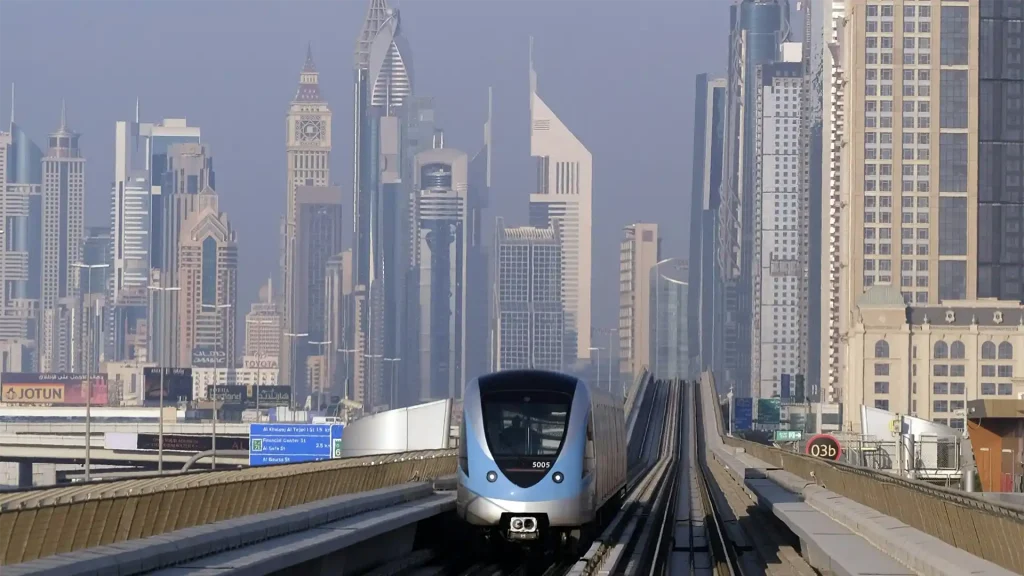
The arrival of new Dubai Metro stations could have a significant impact on the real estate market, potentially increasing property values by between 15 and 30 per cent, according to the Roads and Transport Authority’s chief.
Upcoming Dubai Metro Stations Expected to Drive Property Values Up by 15–30%, RTA Head Says.
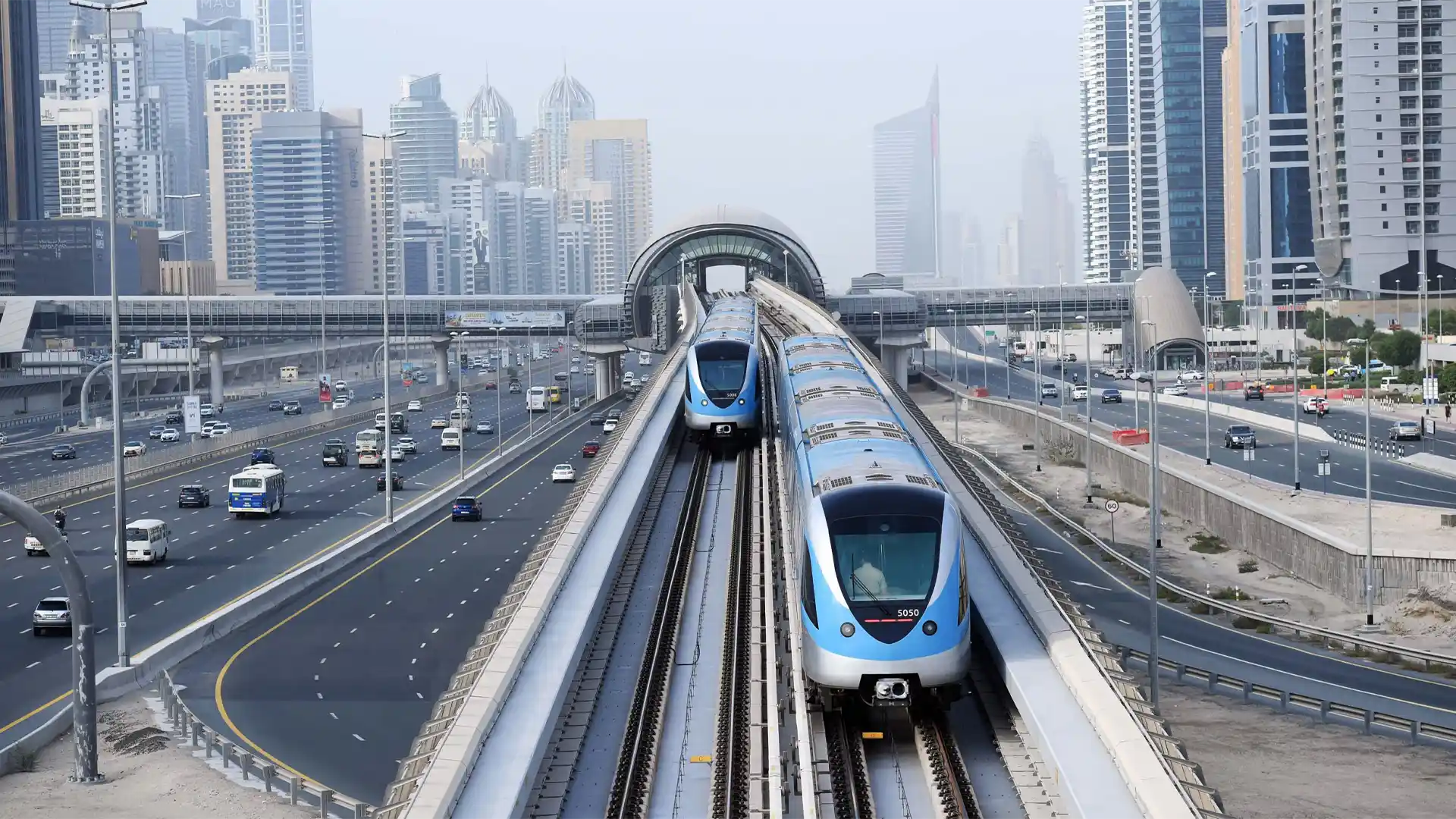
The RTA noted that rising land values near Metro stations can also lead to higher property prices in surrounding areas. However, the extent of the increase is expected to differ depending on the station’s location, neighbourhood characteristics and property category.
Future Dubai Metro Stations Could Push Land Values Higher, RTA Chief Says
Land prices in areas surrounding future Dubai Metro stations could rise significantly as new rail infrastructure improves connectivity and increases the attractiveness of nearby locations, according to Mattar Al Tayer, Director General and Chairman of the Board of Executive Directors of Dubai’s Roads and Transport Authority (RTA).
Al Tayer said land values in areas close to planned Metro stations could potentially increase by between 15 and 30 per cent. The expected rise reflects the wider economic and real estate benefits that can accompany improved public transport access.
However, decisions about where new Metro stations should be located are not made solely on the basis of their potential impact on property values. The RTA conducts a range of studies and assessments before determining the locations of future stations and rail corridors.
According to Al Tayer, work on these assessments is already progressing as Dubai prepares for the next phase of expansion of its rail network.
Studies Underway for Future Metro Development
The RTA chief explained that extensive research is required before the authority can approve locations for additional Metro stations.
These studies examine a variety of factors related to future transport requirements, population growth, development patterns and connectivity. The objective is to ensure that new stations serve areas where they can provide the greatest benefit to residents, businesses and visitors.
Al Tayer said studies covering potential future Metro lines and stations were currently in progress, although he did not disclose specific locations under consideration.
The planning process is particularly important as Dubai continues to experience rapid urban and economic development. New residential communities, commercial districts, tourism destinations and business hubs are emerging across the emirate, creating changing transportation requirements.
Expanding the Metro network is therefore viewed as an important part of ensuring that Dubai’s public transport system keeps pace with its growth.
Blue and Gold Lines Set to Transform the Network
The latest comments come as Dubai moves forward with two major rail developments: the Dubai Metro Blue Line and the proposed Dubai Metro Gold Line.
Together, the two projects are expected to represent an investment of approximately Dh55 billion.
Once completed, they will significantly increase the size and reach of Dubai’s Metro network, extending rail connectivity to additional communities and development areas.
The projects form part of Dubai’s long-term plans to strengthen public transportation and provide residents and visitors with more convenient alternatives to private vehicles.
The Blue Line is already moving ahead, while preparations for the Gold Line are also progressing.
According to Al Tayer, the RTA is currently implementing the Blue Line project, while the tender for the Gold Line is scheduled to be issued by the end of the year.
The projects are being developed according to established schedules and plans, with the authority stressing the importance of maintaining the announced timelines.
Metro Expansion and Real Estate Values
The potential impact of Metro expansion extends beyond transportation.
Areas located close to rail stations often become more attractive to residents, businesses, investors and developers because improved public transport can make them easier to access.
The RTA has indicated that higher land values can contribute to an increase in property prices around Metro stations.
However, the effect is not expected to be uniform throughout Dubai.
The degree to which a new station influences surrounding property values can depend on factors such as the location of the station, the existing level of development, the type of property and the overall demand for real estate in that particular area.
Residential properties, commercial buildings and development plots may each respond differently to improved transport access.
As a result, while Metro connectivity can contribute to rising property values, the scale of the impact will vary from one neighbourhood to another.
Network to Grow by 80 Per Cent
The Blue and Gold Line projects are expected to dramatically expand Dubai’s rail infrastructure.
The combined developments will increase the total length of the Dubai Metro network by approximately 80 per cent.
At present, the Metro network extends for around 90 kilometres. Once the planned expansion is completed, the total network length is expected to reach approximately 162 kilometres by 2032.
This represents a major increase in the geographical reach of the city’s rail system.
The expansion is intended to connect more communities and provide additional options for residents and visitors travelling across Dubai.
As the emirate continues to grow, extending the rail network can help reduce pressure on roads while supporting more sustainable forms of transportation.
Blue Line Targeted for 2029 Completion
The Dubai Metro Blue Line will cover approximately 30 kilometres and is scheduled to be completed in 2029.
The project is one of the major components of Dubai’s next phase of Metro development and is expected to improve connectivity between several parts of the emirate.
Construction and implementation are being carried out under the RTA’s established plans and schedules.
Al Tayer said the authority remains focused on delivering the project according to the planned timeline and international standards.
The Blue Line is expected to become an important addition to Dubai’s existing rail infrastructure once it enters service.
Gold Line Planned for 2032
The second major project, the Dubai Metro Gold Line, is planned to extend for approximately 42 kilometres.
It is expected to be completed in 2032, according to the current schedule.
The RTA plans to issue the tender for the Gold Line by the end of this year, marking another significant step in the development of Dubai’s future rail network.
Together, the Blue and Gold Lines will substantially increase the number of areas served by Metro services.
The projects are being planned as part of a broader transportation strategy aimed at supporting Dubai’s long-term urban development.
High Standards for Major Rail Projects
Al Tayer stressed that Dubai’s Metro projects are being developed according to clear plans, detailed schedules and international standards.
The RTA has established a structured approach to the planning and implementation of its major rail projects, with emphasis placed on quality, efficiency and timely delivery.
The authority’s experience in developing Dubai’s existing Metro network provides a strong foundation for the upcoming projects.
The new lines will require extensive engineering, construction and project management expertise, given their scale and complexity.
According to Al Tayer, the work is being led by Emirati engineers and experts in cooperation with specialists from different parts of the world.
The combined professional experience of the teams involved exceeds 2,500 years, highlighting the depth of expertise being brought to the projects.
International Expertise Combined With Local Knowledge
The involvement of Emirati professionals alongside international specialists reflects the scale of expertise required to deliver major transportation infrastructure.
Local engineers bring knowledge of Dubai’s urban environment, development patterns and transportation needs, while international experts contribute experience from major rail projects around the world.
This combination is intended to ensure that the new Metro developments meet high technical and operational standards.
The projects will need to account for a wide range of considerations, including construction requirements, passenger demand, integration with existing transport systems and future urban growth.
The RTA’s experience in delivering previous Metro projects is also expected to play an important role as the authority moves into this next phase of expansion.
Rail Infrastructure as an Economic Driver
Al Tayer also highlighted the wider economic role played by rail networks.
Public transportation does more than move passengers from one location to another. Efficient rail systems can connect communities with employment centres, commercial districts, educational institutions and other important destinations.
Improved connectivity can also encourage businesses to establish themselves in areas with strong transport links.
For property markets, proximity to a Metro station can make locations more attractive to potential residents and commercial tenants.
This helps explain why the construction of new stations can influence land and property values.
When transport accessibility improves, areas that were previously less convenient to reach may become more desirable.
The resulting increase in demand can support development and contribute to changes in land prices.
Supporting Dubai’s Urban Growth
Dubai has experienced significant population and economic growth over the past several decades.
As new communities and commercial areas develop, transportation infrastructure becomes increasingly important.
The expansion of the Metro network is intended to ensure that public transportation evolves alongside the city’s growth.
New rail links can provide residents with alternatives to driving, while also supporting the movement of tourists and workers across the emirate.
A larger Metro network can help distribute transport demand more efficiently and make it easier for people to access different parts of Dubai.
The planned expansion to 162 kilometres by 2032 represents a significant step in that direction.
Metro’s Role in Daily Travel
Dubai Metro has become an important component of the emirate’s public transport system since its launch.
The network currently accounts for approximately 40 per cent of all public transport journeys in Dubai.
That figure demonstrates the importance of the Metro to residents, workers and visitors.
Since beginning operations on September 9, 2009, the Metro has carried nearly three billion passengers.
Over that period, it has developed into one of the most widely used components of Dubai’s transportation infrastructure.
The growing number of passengers reflects the role rail transportation plays in the daily lives of people travelling across the emirate.
Nearly Three Billion Passenger Journeys
The number of passengers carried since the Metro opened demonstrates the scale of Dubai’s investment in rail transportation.
Nearly three billion passenger journeys have been recorded since services began in 2009.
The Metro has become an important option for people travelling to work, visiting commercial areas, accessing tourist attractions and moving between different parts of the city.
Its contribution to public transport has grown as Dubai’s population and visitor numbers have increased.
The upcoming expansion is expected to build on this existing network and provide additional capacity and coverage.
Sustainability and Easier Mobility
Rail transportation also supports Dubai’s broader sustainability objectives.
By providing an alternative to private vehicles, Metro services can help reduce road congestion and support more efficient urban mobility.
A larger rail network could encourage more people to use public transport for daily journeys, particularly when stations are located close to residential and commercial developments.
The expansion can also improve accessibility for visitors who want to move around the city without relying on private cars or taxis for every journey.
Al Tayer noted that rail networks can contribute to more sustainable urban development while making everyday travel easier for residents and visitors.
Connecting Communities and Markets
The economic benefits of rail infrastructure extend beyond property values.
A well-connected transportation network can bring communities closer to major employment centres and commercial districts.
Businesses can benefit from improved access to customers and employees, while residents can gain easier access to jobs, education, retail and leisure facilities.
The Metro can therefore play an important role in shaping the future development of Dubai.
As new stations are introduced, areas surrounding them may become more attractive for investment and development.
This can lead to new residential, commercial and mixed-use projects, further changing the character of neighbourhoods.
Property Market Impact May Differ
Although Metro stations can have a positive influence on nearby property values, the RTA has pointed out that the impact can differ according to location and property type.
A station located in a rapidly developing area may have a different effect from one introduced into an already established neighbourhood.
Similarly, residential properties may respond differently from offices, retail developments or undeveloped land.
Other market factors, including supply, demand, infrastructure, amenities and broader economic conditions, can also influence property prices.
Therefore, the projected 15 to 30 per cent increase in land values should not be interpreted as a uniform rise across every location surrounding a future station.
Instead, it represents the potential impact that improved connectivity could have on land values in suitable locations.
Rail Expansion Supports Long-Term Planning
The Blue and Gold Line projects form part of Dubai’s broader strategy for long-term urban development.
The city is continuing to invest in infrastructure designed to support population growth, economic expansion and increasing visitor numbers.
Transportation is a central component of that planning process.
By expanding the Metro network, Dubai can increase public transport capacity while improving connections between residential communities, business districts and major destinations.
The planned growth from 90 kilometres to 162 kilometres by 2032 represents a major transformation of the city’s rail network.
Looking Towards 2032
The next decade will see a substantial change in Dubai’s Metro infrastructure.
The Blue Line is scheduled to become operational after completion in 2029, followed by the Gold Line in 2032.
Once both projects are delivered, the network will cover considerably more of the emirate and provide new opportunities for residents and businesses located near future stations.
The expansion could also influence patterns of real estate development.
Areas with improved rail access may attract additional investment, potentially contributing to higher land values and increased demand for nearby properties.
RTA Focused on Delivery
For the RTA, delivering the projects according to established schedules remains a key priority.
Al Tayer said the developments were proceeding under fixed plans and timelines.
The authority has also emphasised that its Metro projects are delivered according to international standards and detailed planning procedures.
The involvement of thousands of years of combined professional experience across Emirati and international engineering teams reflects the complexity of the projects.
The scale of the Blue and Gold Lines means that successful delivery will require coordination across numerous technical and construction disciplines.
A Major Expansion for Dubai
The planned Metro expansion represents one of the most significant additions to Dubai’s public transport system in years.
With a combined estimated cost of around Dh55 billion, the Blue and Gold Lines will add approximately 72 kilometres to the existing network.
The Blue Line will contribute 30 kilometres, while the Gold Line will add another 42 kilometres.
Together, they will increase the network’s overall length by around 80 per cent.
The projects are expected to provide greater mobility while supporting the continued development of Dubai’s residential and commercial areas.
Transport and Real Estate Interconnected
The relationship between transportation and property development is becoming increasingly important as Dubai expands.
When a new Metro station improves accessibility, nearby land can become more attractive to developers and investors.
Residents may also place greater value on properties located within convenient reach of public transport.
For this reason, the planned Metro expansion could have effects that extend beyond transportation.
The potential 15 to 30 per cent increase in land values mentioned by Al Tayer illustrates the broader economic significance of rail infrastructure.
However, the precise impact will depend on the characteristics of each area and the type of property involved.
Dubai’s Growing Rail Network
Since its opening in 2009, Dubai Metro has become a central part of the emirate’s transportation system.
Nearly three billion passengers have used the network, and Metro services now account for around 40 per cent of public transport journeys.
The next phase of development is set to significantly increase that network’s reach.
By 2032, Dubai is expected to have a 162-kilometre Metro system, compared with approximately 90 kilometres today.
The expansion will support the city’s future transportation needs while strengthening connections between communities and economic centres.
Outlook for Future Stations
While the RTA has not announced all locations for future Metro stations, studies are already being conducted to determine where additional infrastructure will be most beneficial.
The process will consider future demand and development patterns before final decisions are made.
As Dubai continues to grow, the need for efficient and sustainable transportation is expected to increase.
New Metro stations could consequently play a role not only in improving mobility but also in shaping where people live, work and invest.
For property owners and developers, the arrival of a station can create new opportunities, while for residents and businesses it can provide easier access to the wider city.
Metro Expansion Could Reshape Dubai
Dubai’s next generation of Metro projects is expected to have an impact far beyond the transport sector.
The Blue and Gold Lines will increase the size of the rail network, improve connectivity and potentially influence property markets around new stations.
With land values in some areas potentially rising by 15 to 30 per cent, the economic implications of the expansion could be significant.
At the same time, the projects are expected to contribute to Dubai’s sustainability goals by encouraging greater use of public transport.
The combination of improved mobility, stronger connectivity and potential real estate growth makes the upcoming Metro expansion an important part of Dubai’s long-term development strategy.
As work continues on the Blue Line and preparations advance for the Gold Line, the RTA is also looking further ahead by studying possible locations for future stations and rail routes.
The ultimate objective is to create a transport network capable of supporting Dubai’s continued growth while making movement around the emirate more convenient, efficient and sustainable.
With the Metro already carrying nearly three billion passengers since its launch and accounting for a substantial share of public transport journeys, the next stage of expansion is set to build on a system that has become an essential part of life in Dubai.