Apple is set to unveil its latest products on September 9, with expectations surrounding a possible foldable iPhone, upgraded Pro models and other new devices, while consumers in the UAE will also be watching closely for the anticipated local pricing.
Apple’s September 9 Launch: Foldable iPhone, New Pro Models and Expected UAE Prices.
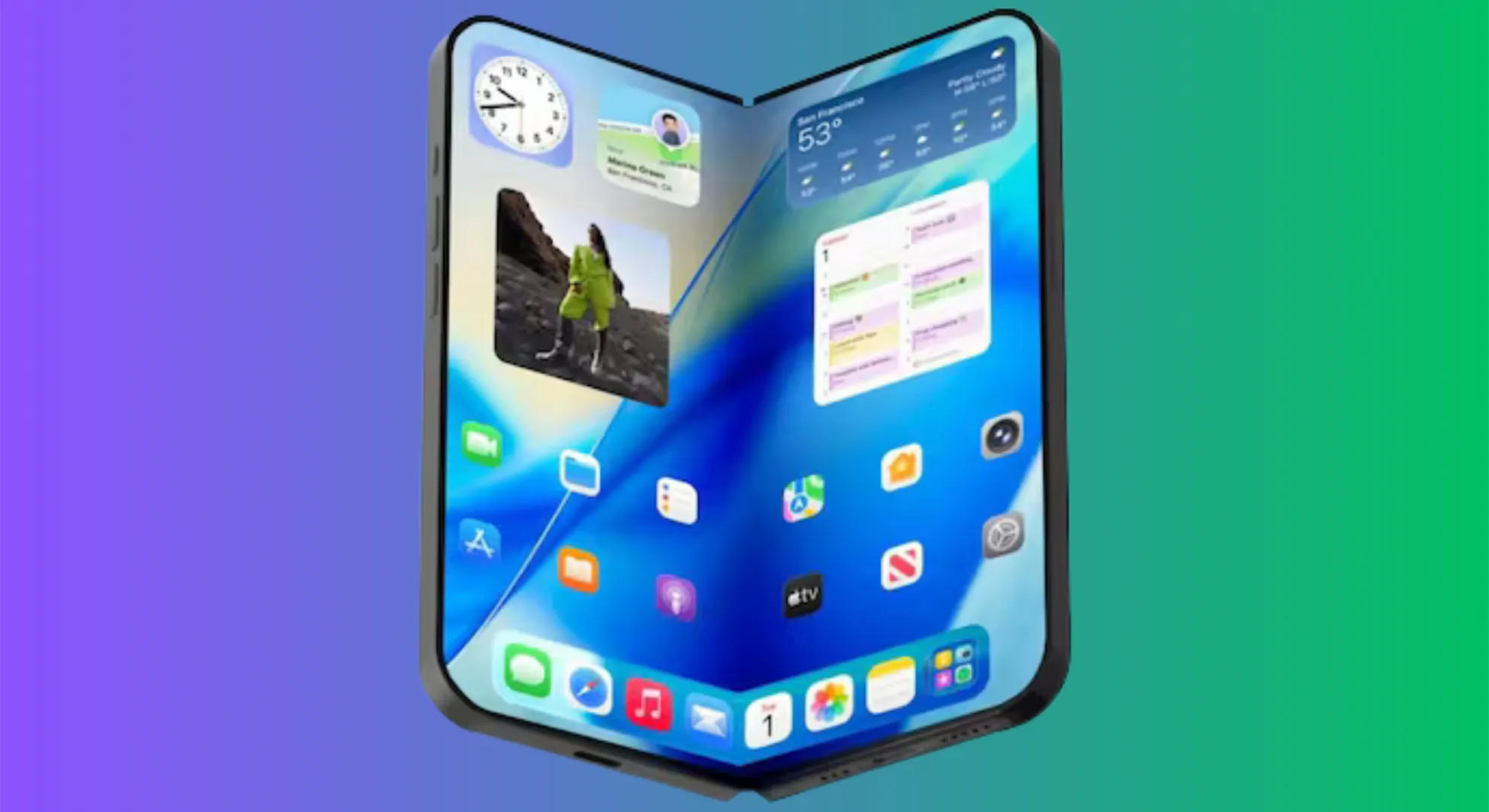
Apple is preparing for its September 9 event under hardware chief John Ternus, with the iPhone 18 reportedly pushed to 2027. Attention is instead expected to focus on a new foldable Ultra model alongside two premium Pro versions during the launch.
Apple Sets September 9 for Major iPhone Reveal
Apple’s annual September product event is approaching, with the company preparing to unveil what could become one of its most significant iPhone updates in years.
This year’s presentation, reportedly titled “Surprise and shine,” is scheduled for Wednesday, September 9, at 9pm UAE time.
The event is expected to mark a major change in Apple’s smartphone strategy, particularly if the long-rumoured foldable iPhone finally makes its debut.
It will also represent a leadership milestone for the company. John Ternus is expected to oversee his first major iPhone launch after taking over from Tim Cook on September 1.
Cook had led Apple for around 15 years, overseeing the company through an extended period of growth and the expansion of the iPhone into one of the world’s most influential consumer technology products.
Ternus therefore begins his tenure at the top with an unusually high-profile product launch.
Apple’s Invitation Fuels Foldable Speculation
The design of Apple’s event invitation has added further fuel to speculation about a foldable device.
The graphic reportedly features a visual style associated with Apple’s Liquid Glass design language, accompanied by a thin line running through the Apple logo.
While Apple has not publicly confirmed what the design represents, observers have interpreted the divided logo as a possible reference to a phone that opens and closes.
That has intensified expectations that the company could finally enter the foldable smartphone market.
Apple has so far remained outside a category that has been developed by competitors including Samsung, Xiaomi and other major smartphone manufacturers.
If the rumours prove accurate, the company’s first foldable could arrive with a premium positioning rather than attempting to compete directly on price.
A Different iPhone Lineup Could Be Coming
The expected product mix could make this September launch very different from a conventional iPhone refresh.
Rather than unveiling a complete range that includes a standard iPhone 18 alongside Pro models, reports suggest Apple could concentrate on the foldable device and two premium smartphones.
The regular iPhone 18 is reportedly not expected until 2027.
Supply-chain reports have contributed to speculation that Apple is changing the timing of its standard iPhone releases.
That would leave the spotlight firmly on the higher-end models during this year’s presentation.
However, it is important to stress that Apple has not confirmed these details.
The company’s product plans remain private until it officially announces the devices.
The Rumoured Foldable iPhone Ultra
The foldable model is widely expected to carry the iPhone Ultra name rather than simply being called the iPhone Fold.
The reported design differs from the tall, narrow form factor associated with conventional smartphones.
Instead, the device is expected to have a shorter and wider appearance when closed, with a passport-like shape.
Leaks have compared its proportions with foldable models such as Samsung’s Galaxy Z Fold8 and Xiaomi’s 18 Fold.
The timing is particularly notable because Xiaomi’s model is reportedly expected to arrive shortly before Apple’s event.
If Apple does introduce a foldable, the company would be entering a market where competitors have already had several generations to refine their designs.
That could explain the emphasis on a premium build and a highly refined folding display.
Large Inner Display Expected
Rumours surrounding the display suggest that the foldable could feature two different screen sizes.
The external display is expected to measure somewhere between 5.3 and 5.5 inches.
When opened, the internal screen could expand to approximately 7.6 to 7.8 inches.
That would give the device a much larger viewing area for productivity, entertainment and multitasking while allowing it to remain relatively compact when closed.
The precise dimensions remain unconfirmed, however, and could change before launch.
Apple has not released specifications for a foldable iPhone, meaning all current information should be treated as pre-launch reporting rather than official product information.
Apple Reportedly Focused on the Crease
One of the biggest challenges facing any foldable smartphone is the visible crease created where the display bends.
Apple is reportedly placing significant emphasis on reducing that crease.
Some leaks claim the company has been targeting an extremely shallow fold line, with estimates suggesting a depth of less than 0.15mm and an angle below 2.5 degrees.
Other reports suggest Apple has been willing to spend heavily on display development to make the fold as difficult to notice as possible.
That would fit the company’s long-standing approach of entering product categories after competitors have established them, then attempting to distinguish its own version through design and engineering.
A nearly invisible crease would therefore be an important selling point if Apple can achieve it.
Face ID May Make Way for Touch ID
Another reported change concerns biometric security.
The foldable iPhone is rumoured to omit Face ID.
The reason reportedly relates to the amount of internal space required by Apple’s TrueDepth camera and sensor system.
A folding chassis presents different engineering constraints from a traditional smartphone body, potentially making the familiar Face ID arrangement more difficult to accommodate.
Instead, Apple could bring Touch ID back to a flagship iPhone through a fingerprint sensor integrated into the power button.
Apple has already used a side-mounted fingerprint sensor on certain iPad models, making the technology familiar within its wider product range.
If introduced on the foldable iPhone, Touch ID would represent a notable change after years in which Face ID has been the company’s primary biometric authentication system on premium iPhones.
Camera Setup Could Be More Limited
Despite its expected premium price, the foldable iPhone may reportedly make some compromises in photography.
Leaks suggest it could have two rear cameras, both with 48-megapixel sensors.
The expected combination is a primary wide camera and an ultra-wide camera.
A dedicated telephoto lens may be absent.
That would be an unusual decision for a smartphone expected to occupy Apple’s highest price tier.
The omission could reflect the engineering challenges of fitting a sophisticated camera system into a thin folding chassis.
It could also help Apple manage the competing demands of battery capacity, display mechanisms and internal components.
Again, these specifications remain rumours until Apple confirms them.
The Price Could Be the Biggest Talking Point
Among all the reported specifications, pricing could ultimately attract the most attention from UAE consumers.
Current forecasts have placed the starting price of the foldable iPhone somewhere between $2,000 and $2,300.
Using Apple’s typical UAE pricing structure, that would translate to approximately Dh8,500 to Dh9,800.
Such a price would put the device firmly into the ultra-premium smartphone category.
It would also make the foldable substantially more expensive than conventional flagship iPhones.
For UAE consumers, the final retail price will only become clear when Apple officially announces the device and local pricing.
Pro Models Expected Alongside the Foldable
While the foldable iPhone could dominate headlines, Apple’s two conventional premium models are also expected to receive substantial upgrades.
The rumoured iPhone 18 Pro and iPhone 18 Pro Max are expected to continue the familiar large-screen smartphone design.
Compared with the foldable, the Pro models may look like the more conventional choices.
Internally, however, they could receive significant improvements.
A20 Pro Chip Could Bring Major Performance Gains
The new Pro phones are expected to feature Apple’s A20 Pro processor.
One of the most important changes could be the move to a 2-nanometre manufacturing process.
A smaller manufacturing node can allow chip designers to increase performance and efficiency while potentially reducing power consumption.
The move would represent another step forward from the A19 generation.
For everyday smartphone users, the additional performance may be difficult to notice in basic tasks because modern iPhones already provide considerable processing power.
The benefits could become more apparent in demanding applications such as gaming, artificial intelligence workloads, video editing and other intensive tasks.
Dynamic Island Could Become Smaller
Apple may also make changes to the front-facing display area.
The Dynamic Island could reportedly be reduced in size, with some components associated with Face ID potentially moving beneath the screen.
If implemented, this would give the display a cleaner appearance and reduce the amount of visible hardware interrupting the screen.
The change would also represent another step in Apple’s efforts to increase the usable display area without abandoning the security features associated with Face ID.
However, the precise design remains one of the details that will need to be confirmed at launch.
Camera Improvements for the Pro Series
The camera system could receive more subtle changes than some other parts of the phones.
One of the most interesting rumours concerns the main 48-megapixel camera.
Apple may introduce a variable-aperture system, potentially allowing the camera to adjust the amount of light entering the lens.
Such technology can offer greater flexibility when shooting in different lighting conditions.
The feature may reportedly be limited to the Pro Max model, although that has not been confirmed.
Variable aperture is relatively uncommon among smartphones.
Samsung previously used the technology on models including the Galaxy S9 and S10, while Xiaomi later introduced it on the 14 Ultra before reportedly dropping it from the following generation.
Huawei has also continued using variable-aperture technology in some of its smartphones.
Apple’s adoption would therefore bring a feature that has appeared sporadically across the smartphone industry into its flagship camera system.
Front Camera Could Get a Resolution Boost
The front-facing camera is also expected to receive an upgrade.
Reports suggest that Apple could increase its resolution from 18 megapixels to 24 megapixels.
The higher-resolution sensor could potentially improve detail in selfies and video calls while providing more flexibility for image processing and cropping.
However, camera quality depends on much more than megapixel count.
Apple’s image-processing software, lens design and computational photography will continue to play an important role in determining the final results.
Possible New Pro Max Colours
Apple could also introduce new colour options with the iPhone 18 Pro Max.
Two shades that have appeared repeatedly in leaks are Dark Cherry and Sky Blue.
Silver and black have also been mentioned, although reports have been less consistent about the final colour lineup.
Apple frequently uses new finishes and colours as a way of visually distinguishing each year’s iPhone generation.
The final selection will only be known once the company officially reveals the phones.
Expected UAE Pricing for Pro Models
Apple has not announced official prices for the new Pro models.
However, reports suggest consumers could face an increase of around $100 across the lineup.
If that estimate proves accurate, the expected UAE starting price for the iPhone 18 Pro would be approximately Dh5,099.
The iPhone 18 Pro Max could begin at around Dh5,549.
These figures are estimates based on Apple’s usual UAE pricing approach rather than confirmed retail prices.
The company’s UAE prices typically do not correspond exactly to a simple conversion using the official dirham-dollar exchange rate, so the final local prices could differ from straightforward currency calculations.
A Major Moment for Apple’s New Leadership
The September 9 event could therefore be significant for more than just the products themselves.
It would be the first major iPhone launch under John Ternus following his move into the top leadership position at Apple.
His predecessor, Tim Cook, spent roughly 15 years leading the company and oversaw the continued expansion of the iPhone business alongside Apple’s growth in services, wearables and other product categories.
Ternus inherits a company with enormous expectations around its smartphone business.
Introducing a foldable iPhone during his first major launch would give the event additional importance.
Apple Could Be Entering a New Smartphone Era
A foldable iPhone would represent one of the biggest changes to Apple’s smartphone portfolio since the introduction of the current-generation iPhone design.
The company has watched competitors develop foldable phones for years without releasing one of its own.
If Apple finally enters the category, it will be expected to offer more than simply a folding screen.
Consumers will likely look at durability, software optimisation, battery life, camera performance, thickness and the visibility of the display crease.
The company’s ability to integrate the folding design into its existing ecosystem could also become an important selling point.
UAE Consumers Will Be Watching Prices Closely
The UAE is an important market for Apple’s premium products, making local pricing a major part of the launch story.
A foldable starting near Dh8,500 or above would make it significantly more expensive than standard iPhones.
The Pro models, meanwhile, would remain closer to the pricing structure familiar to existing Apple customers.
For consumers deciding between the conventional Pro Max and a foldable Ultra, the difference in price could become one of the most important factors.
What Is Confirmed and What Is Not
Despite the volume of information circulating before the event, Apple has not officially confirmed most of the reported specifications.
The possible foldable design, screen dimensions, Touch ID return, camera configuration, processor details, colour choices and pricing are all subject to change until Apple makes its announcements.
The same applies to reports concerning the release schedule for the standard iPhone 18.
As with any pre-launch technology reporting, supply-chain information and leaks can provide useful indications but should not be treated as final specifications.
September 9 Could Be One of Apple’s Biggest Launches
If the reported lineup is accurate, Apple’s September 9 event could mark a significant shift in the company’s smartphone strategy.
The arrival of an iPhone Ultra foldable would place Apple directly into one of the fastest-changing segments of the premium smartphone market.
At the same time, the iPhone 18 Pro and Pro Max would provide a more traditional flagship experience with upgraded processing hardware, camera technology and display-related changes.
For UAE buyers, the key questions will ultimately be whether the foldable reaches the market at the rumoured premium price and how much the new Pro models cost locally.
Apple’s presentation on September 9 should provide the answers, along with the first official look at the company’s next generation of iPhones.
Apple Could Take a New Approach to Its iPhone Launch
Apple’s next iPhone cycle could look very different from the company’s traditional September release pattern, with reports suggesting that the technology giant is preparing to divide its product launches across two separate periods.
Instead of introducing the entire iPhone family at the same event, Apple is reportedly planning to concentrate this year’s presentation on its premium models while pushing the standard iPhone 18 into 2027.
If accurate, the change would represent one of the most significant alterations to Apple’s iPhone launch strategy in several years.
The September event is expected to focus heavily on the higher-end models, including the rumoured foldable iPhone Ultra, as well as the iPhone 18 Pro and iPhone 18 Pro Max.
The standard iPhone 18, meanwhile, could arrive considerably later.
Apple has previously experimented with staggered iPhone launches, particularly when supply constraints or production challenges affected individual models. However, separating the standard model from the main flagship launch would be a notable departure from the more familiar approach followed in recent years.
Standard iPhone 18 Reportedly Delayed
Reports indicate that the regular iPhone 18 may not reach customers until the beginning of 2027.
The speculation reportedly gained momentum after one of Apple’s manufacturing partners discussed a change in its usual shipment timetable during an August 12 earnings call.
The assembler referred to a major customer altering its customary delivery schedule, which industry observers interpreted as a possible indication of Apple’s revised iPhone production plans.
Apple has not confirmed that the change is connected to the iPhone 18.
Nevertheless, the report has strengthened expectations that the company could separate its premium and standard iPhone launches.
Under the reported plan, customers interested in the Pro models would be able to buy them considerably earlier than those waiting for the regular version.
Why the Timing Matters
The delay could be important for consumers because the cost of Apple’s latest smartphones is also expected to rise.
Apple has already increased prices on some of its other hardware products this year.
Mac and iPad pricing has reportedly been affected by higher memory-related costs, raising expectations that the company could also pass some of those expenses on to its smartphone customers.
If iPhone prices increase at the same time as the launch schedule changes, consumers could face a more expensive route to Apple’s newest technology.
For buyers who normally choose the standard iPhone as the most affordable entry point into the latest generation, the delayed release could therefore have an additional impact.
They may either have to wait for the standard model or pay more for one of the premium versions if they want a new iPhone immediately.
Pro Models Take the Early Spotlight
The reported strategy places greater emphasis on the iPhone 18 Pro and iPhone 18 Pro Max during the initial launch period.
Both models are expected to represent Apple’s conventional flagship offering for the new generation.
The Pro series could receive a range of upgrades, including a new processor, camera improvements and possible changes to the front display area.
For customers who do not want a foldable phone, the Pro models would remain the principal high-end alternatives.
Their expected availability shortly after the September presentation could make them the most accessible way for customers to obtain a new-generation iPhone during the first phase of Apple’s rollout.
The Foldable iPhone Could Be the Biggest Attraction
The most dramatic addition to the lineup is expected to be Apple’s first foldable smartphone.
Reports have referred to the device as the iPhone Ultra, positioning it above the conventional Pro models.
The foldable is expected to open into a larger display while remaining compact enough to carry when closed.
However, its availability could be much more limited than that of the Pro models.
Apple is reportedly planning a significantly smaller production run for the foldable, reflecting both the complexity of manufacturing such a device and uncertainty over how much demand there will be for an extremely expensive iPhone.
Production Volumes Could Be Limited
According to reports, Apple has asked suppliers to prepare roughly 10 million units of the foldable iPhone during the year.
That would represent only a fraction of the production volume associated with the Pro models.
Such a limited supply could create challenges when the device launches.
If demand exceeds Apple’s initial production capacity, customers in some markets could face extended waiting periods.
The company may prioritise certain countries or regions depending on production and demand.
That creates uncertainty for UAE customers hoping to purchase the foldable as soon as it becomes available.
UAE Availability Remains Uncertain
The UAE could potentially face a longer wait for the foldable model.
Apple has not indicated which markets would receive the device first, and supply constraints could influence the timing of its local launch.
If initial production is limited, Apple may choose to introduce the phone gradually across different regions.
For consumers in the UAE, that means the standard launch schedule for the Pro models may not necessarily apply to the foldable iPhone Ultra.
The device could arrive at a later date depending on inventory and global demand.
At this stage, there is no confirmed indication of exactly how long UAE customers might have to wait.
Expected UAE Pre-Order Timeline
For the conventional new iPhone models, the UAE launch timetable is expected to follow Apple’s familiar pattern.
Pre-orders generally begin shortly after the main product announcement.
This year, reports suggest that UAE pre-orders could open on Saturday, September 12.
Retail availability is then expected to begin on Friday, September 18.
If those dates are accurate, customers interested in the iPhone 18 Pro or iPhone 18 Pro Max could have a relatively clear schedule to follow.
However, Apple has not officially confirmed these dates, so consumers should treat them as expected rather than guaranteed.
Foldable May Follow a Different Schedule
The reported foldable iPhone is unlikely to follow exactly the same timetable as the conventional Pro models.
There are several reasons for this.
The production volume is expected to be substantially lower, while the manufacturing process is likely to be more complicated.
A new folding design can require specialised displays, hinges and internal components, all of which can affect production capacity.
If Apple initially produces only a limited number of units, the company may need to control distribution carefully.
That could result in a delayed release for some markets, including potentially the UAE.
Apple Watch Could Also Feature
The iPhone is not expected to be the only major product category highlighted during the event.
Apple is also rumoured to be preparing new Apple Watch models.
The expected lineup includes the Apple Watch Series 12 and Apple Watch Ultra 4.
Both could arrive with hardware and health-related improvements.
Among the reported changes is a faster processor, which could improve overall responsiveness and support additional features.
The new watches are also expected to introduce expanded health and fitness capabilities.
Always-On Heart-Rate Monitoring
One of the reported upgrades involves heart-rate tracking.
The new Apple Watch models could feature more continuous heart-rate monitoring, allowing the device to provide users with additional information about their cardiovascular activity.
The precise implementation and availability across individual models remain unclear.
Apple has progressively expanded the health capabilities of the Apple Watch over successive generations, turning it from a basic wearable accessory into a broader health and fitness device.
Additional monitoring features would continue that strategy.
Redesigned Fitness Experience
Apple is also expected to make changes to its fitness software.
Reports suggest that the company could introduce a redesigned fitness application alongside the new watches.
A refreshed interface could make it easier for users to view workout information, track progress and interact with health-related data.
The software changes could be designed to complement the new hardware and make the Apple Watch more useful for people who use it regularly for exercise and wellness.
As with the hardware rumours, Apple has yet to officially confirm the details.
AirPods Could Get an Update Too
Apple’s wireless audio range may also receive attention during the event.
Two versions of AirPods 5 are reportedly expected.
The proposed lineup could include one model equipped with active noise cancellation and another version without the feature.
Offering different configurations would allow Apple to target consumers with different budgets and preferences.
Active noise cancellation is particularly useful for people who regularly use wireless earbuds in noisy environments, including during travel, commuting or exercise.
The less expensive version could appeal to customers who want the latest AirPods design without paying extra for noise-cancellation technology.
A Broader Product Launch
Taken together, the expected products suggest that Apple’s September presentation could be broader than a standard iPhone refresh.
The event could introduce a new generation of conventional flagship smartphones, a completely new foldable category, updated Apple Watch models and refreshed AirPods.
That would give Apple several major products to promote simultaneously.
However, the timing of each product could vary.
The Pro iPhones are expected to follow the conventional September launch window, while the foldable could face supply limitations.
The standard iPhone 18 could be delayed until the following year.
This staggered approach would give Apple multiple opportunities to generate attention around its hardware lineup rather than concentrating every major product release into one period.
The Cost of Waiting
For consumers, the reported split creates a difficult choice.
Someone who wants the standard iPhone 18 may need to wait until 2027.
A customer who wants a new phone immediately could instead choose one of the Pro models.
The foldable would provide another option, but its expected premium price and potentially limited availability could make it inaccessible to many buyers.
This could result in a more complicated iPhone buying decision than in previous years.
Consumers will need to weigh price, timing and features rather than simply choosing between standard and Pro models at the same September launch.
Potential Price Increases Add Another Layer
The reported increase in iPhone prices makes that decision more significant.
Apple has already raised prices for some Mac and iPad products, with higher component and memory costs among the factors cited in reports.
If similar cost pressures affect the iPhone range, the new generation could become more expensive.
The impact would be particularly noticeable for customers considering the foldable Ultra, which is already expected to occupy a premium price category.
The Pro models could also become more expensive than their predecessors if the reported increases materialise.
UAE Buyers Face a Premium Market
For consumers in the UAE, Apple’s pricing strategy will be particularly important.
The UAE is one of the markets where Apple has a strong presence, and premium smartphones are widely available through both Apple’s own retail channels and authorised sellers.
The expected launch of the Pro models in September should give customers a relatively straightforward purchasing option.
However, anyone targeting the foldable Ultra may need to be prepared for higher prices and potentially limited stock.
If supply is constrained, retailers could have fewer units available during the initial period.
Why Apple Might Stagger the Launch
There are several possible reasons why Apple could be considering a split launch.
One could be production planning.
Launching a new foldable device requires different manufacturing capabilities from producing a conventional smartphone.
By separating product releases, Apple could give suppliers more time to increase production and improve yields.
Another possibility is strategic positioning.
A staggered launch could allow Apple to create multiple major product moments rather than having every device compete for attention at a single event.
The company could use the initial Pro launch to maintain its established iPhone business while giving the foldable its own spotlight later.
The Foldable Represents a New Category
Apple’s entry into foldable phones would be particularly significant because the company would be moving into a category already established by competitors.
Samsung and other manufacturers have spent years developing foldable smartphones, refining their hinges, displays and software.
Apple’s approach is expected to focus heavily on design and engineering.
The company would likely face considerable pressure to deliver a device that feels polished from its first generation.
That could contribute to the reported high price and limited initial production.
What Happens After September?
If the reports prove accurate, Apple’s September event would effectively begin a longer product cycle.
The Pro models could become available first, while the standard iPhone 18 would follow months later.
The foldable could have its own release timetable depending on manufacturing capacity.
This would give Apple several opportunities to update customers and generate interest throughout the year.
For consumers, however, it would mean that the phrase “new iPhone” would no longer refer to a single launch date.
Different models could arrive at very different times.
September 18 Could Be the Key Date for Pro Buyers
For customers primarily interested in the iPhone 18 Pro or Pro Max, the reported September 18 retail date is the most important date to watch.
If the expected schedule is correct, pre-orders could begin on September 12, giving customers several days between Apple’s presentation and the start of sales.
That would broadly fit the company’s familiar launch pattern.
However, the reported schedule should remain provisional until Apple confirms it.
Foldable Buyers May Need More Patience
Customers waiting specifically for the iPhone Ultra foldable should be prepared for a less predictable rollout.
The reported production target of approximately 10 million units is considerably smaller than the expected volume of the Pro range.
If demand is strong, Apple could quickly sell through its initial inventory.
The company may then need to distribute additional units as manufacturing capacity increases.
The timing of the UAE release could therefore depend heavily on global demand and Apple’s ability to scale production.
A New Chapter for the iPhone
The reported changes suggest Apple could be preparing for a major transformation of its smartphone strategy.
The conventional Pro models would continue the familiar iPhone formula, offering incremental improvements in processing, photography and display technology.
The foldable Ultra would represent something much more radical.
At the same time, the delayed standard iPhone 18 would indicate a shift away from the traditional approach of releasing the complete lineup together.
Whether this becomes a long-term strategy or simply a response to the complexity of the new product cycle remains to be seen.
What UAE Consumers Should Watch
For buyers in the UAE, several questions will be answered only when Apple makes its official announcements.
The first is the final UAE pricing for the new Pro models.
The second is whether the foldable iPhone Ultra will be available locally at launch or introduced later.
The third is whether the reported September 12 pre-order and September 18 retail dates are accurate.
Consumers will also be watching whether Apple confirms the reported price increases and whether the standard iPhone 18 will indeed be delayed until 2027.
Until then, the current information remains based on reports and industry expectations rather than Apple’s official product announcements.
A More Complicated iPhone Year
Apple’s upcoming product cycle could ultimately be defined by timing as much as technology.
The Pro models are expected to arrive first and provide the familiar flagship option.
The foldable iPhone Ultra could attract enormous attention but may face limited availability because of lower production volumes.
The standard iPhone 18, meanwhile, could become a later release rather than part of the main September launch.
For UAE consumers, that could mean choosing between buying a premium iPhone sooner, waiting for the standard model or holding out for a potentially expensive foldable.
Whatever Apple ultimately announces, the September event appears set to be an important moment for the company’s next phase of iPhone development.