How the UAE Is Strengthening and Protecting Its Food Supply Network Against Potential Interruptions Caused by Regional Conflicts, Global Instability, Transportation Challenges, and Other Unexpected Disruptions
How the UAE Is Shielding Its Food Supply Chain From Conflict-Related Disruptions.
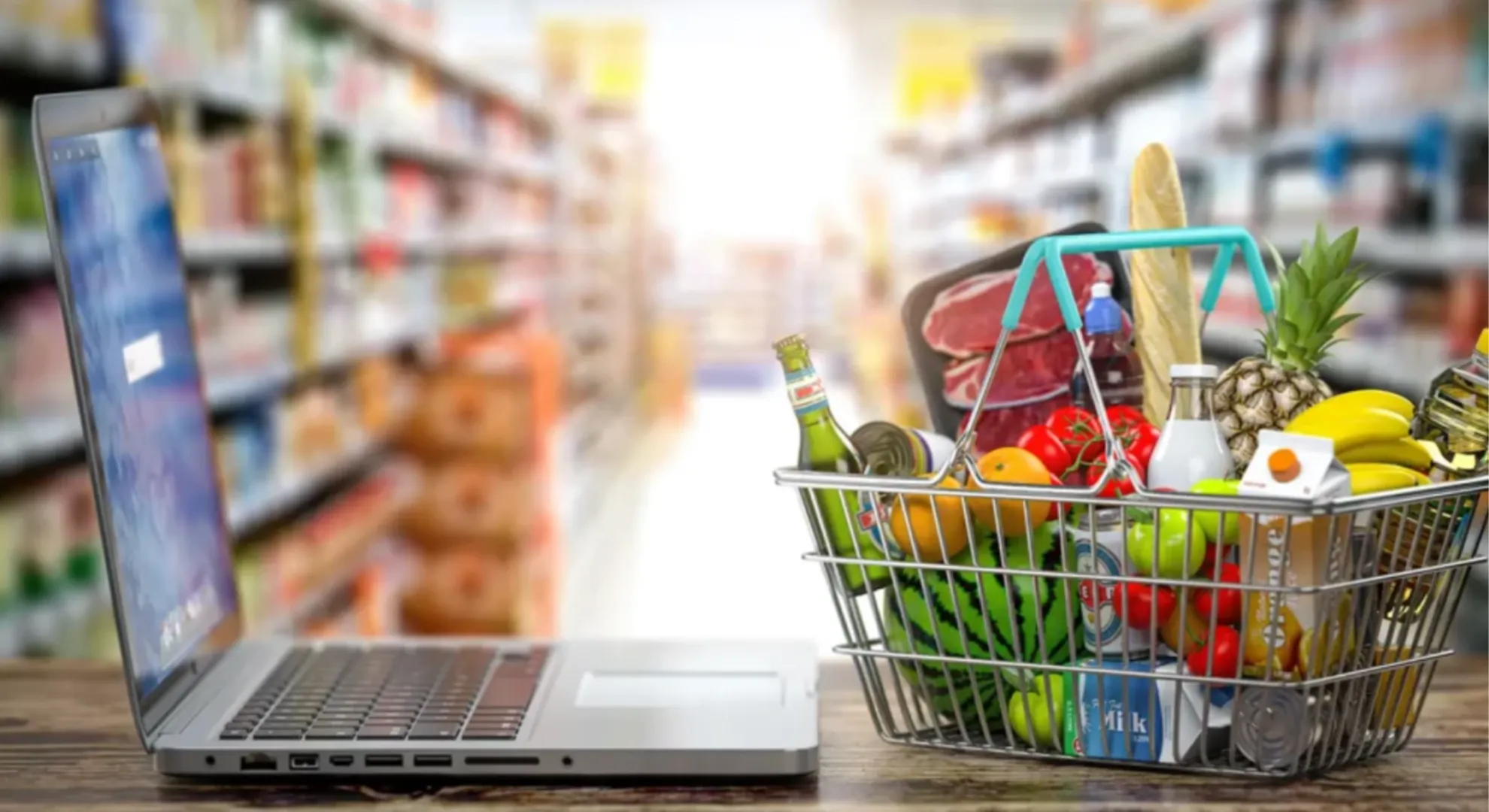
UAE authorities explained the measures used to maintain a steady flow of essential food products, including emergency stockpiles, diversified import channels, and flexible transportation networks, while also highlighting the additional preparations required to ensure the country remains resilient during future crises.
UAE Strengthens Food Security Measures Amid Regional Shipping Disruptions
The UAE’s experience during the latest regional crisis demonstrated the importance of having a food security system capable of responding quickly when international trade routes come under pressure. Speaking at the Hili Forum, Khamis Alsheryani, Advisor to the Director General at the Abu Dhabi Agriculture & Food Safety Authority (Adafsa), explained how preparations developed during earlier emergencies, particularly the Covid-19 pandemic, helped the country manage another unexpected challenge.
According to Alsheryani, the UAE was able to draw on systems and procedures established during previous crises when disruptions began affecting the movement of goods through the region. The experience showed that maintaining food availability is not simply a matter of keeping large quantities of products in storage. It also requires coordination between government agencies, importers, suppliers, logistics companies and international trading partners.
When instability in the region affected shipping activity through the Strait of Hormuz, one of the most important maritime routes for international commerce, the pressure on supply chains quickly became apparent. The disruption created additional complications for companies moving goods into the UAE, with freight expenses and insurance premiums increasing as businesses faced greater uncertainty over transportation and shipping risks.
Rather than waiting for shortages to emerge, the UAE activated measures designed to protect the continuity of food supplies. Strategic reserves were made available where necessary, while authorities explored alternative transportation routes to reduce dependence on affected shipping channels. At the same time, government officials maintained communication with suppliers and importers to understand the situation on the ground and identify possible problems before they developed into larger disruptions.
Alsheryani said the country’s response reflected lessons learned during the Covid-19 crisis. The pandemic had exposed weaknesses in global supply chains and demonstrated how quickly restrictions on transportation, production and international trade could affect access to essential products. In response, the UAE strengthened its emergency planning and developed mechanisms designed to provide greater flexibility when normal supply routes are interrupted.
The experience gained during Covid-19 proved particularly valuable when the regional crisis created a new set of logistical difficulties. While the circumstances were different, the basic principle remained the same: authorities needed to act quickly, maintain communication with businesses and ensure that essential food products continued to reach consumers.
One of the most important elements of the response was the country’s strategic food reserve. Maintaining stocks of essential commodities provides authorities with an additional layer of protection when imports are temporarily delayed or transportation becomes more expensive. During the recent disruption, these reserves could be used to support market availability while alternative arrangements were being put in place.
However, reserves alone cannot provide a permanent solution. Food security also depends on the ability to bring new supplies into the country. For that reason, authorities worked with suppliers and importers to examine alternative routes and identify other ways of transporting products into the UAE.
This approach helped demonstrate why diversification is becoming increasingly important for countries that depend heavily on international food trade. A supply chain that relies on a single port, shipping corridor, supplier or transportation method can become vulnerable when an unexpected event affects that particular connection. By developing several options, authorities and businesses can reduce the impact of a disruption and move more quickly toward alternative arrangements.
The crisis also highlighted the importance of monitoring conditions continuously. According to Alsheryani, authorities were watching developments in the market in real time. This allowed them to identify emerging bottlenecks, assess potential risks and take action before those problems could significantly affect the availability of essential food items.
Real-time monitoring can be especially valuable during periods of uncertainty because supply-chain conditions can change rapidly. A transportation route that is functioning normally one day may become more expensive or inaccessible the next. Likewise, a shortage of shipping capacity can quickly influence delivery schedules, freight charges and insurance costs.
By maintaining a close view of market conditions, authorities can gain a better understanding of where pressure is developing. They can then work with businesses to determine whether additional supplies are needed, whether shipments should be redirected or whether emergency stocks should be released.
The recent experience was nevertheless different from previous crises because it involved a major international shipping route. Alsheryani noted that the possibility of disruption affecting such an important maritime corridor had not previously been fully incorporated into the country’s planning assumptions.
The Strait of Hormuz plays a critical role in regional and international trade, and disruption in the area can have consequences that extend well beyond the immediate region. When shipping conditions become more difficult, businesses may have to consider longer routes, additional security measures and higher insurance costs. These factors can increase the overall expense of importing goods, even when the products themselves remain available.
For food-importing countries, such developments can create a complicated balancing act. Authorities must ensure that sufficient quantities of essential products remain available while also dealing with higher transportation expenses and uncertainty in global markets.
The UAE’s response therefore went beyond simply releasing goods from storage. It involved a combination of emergency reserves, supply-chain coordination, market monitoring and route diversification. Together, these measures provided a more flexible response to a situation that was not identical to earlier emergencies.
Alsheryani’s comments also pointed toward a broader change in the way governments should think about food security. Traditional emergency planning often focuses on anticipating specific events and preparing a predefined response. However, modern supply chains face a wide range of potential risks, many of which are difficult to predict in advance.
These risks can include geopolitical tensions, conflicts, extreme weather, port closures, transportation interruptions, changes in international trade policies, rising insurance costs and sudden shifts in global demand. Because these events can occur in unexpected combinations, a plan designed around only one particular scenario may not always be sufficient.
For this reason, Alsheryani emphasized the importance of creating systems that can adjust to changing circumstances rather than attempting to predict every possible crisis.
That principle represents one of the key lessons from the UAE’s experience. Resilience is not necessarily about knowing exactly what will happen next. Instead, it is about developing enough flexibility to respond effectively when circumstances change.
A resilient food-security system therefore needs multiple layers. Strategic reserves can provide immediate support when imports are delayed. Alternative transportation routes can help maintain the flow of products when traditional corridors are disrupted. Strong relationships with suppliers can provide access to additional sources of food. Digital monitoring systems can help authorities detect problems at an early stage. And close cooperation between government and the private sector can ensure that decisions are implemented quickly.
The Covid-19 pandemic demonstrated the value of many of these capabilities. Countries around the world experienced delays, border restrictions, shortages of transportation capacity and interruptions in production. The crisis forced governments to reconsider how vulnerable food systems could become when several parts of the global supply chain were affected simultaneously.
For the UAE, those lessons contributed to the development of stronger emergency procedures. The latest regional disruption provided an opportunity to test those arrangements under a different set of circumstances.
The fact that strategic reserves were available and alternative routes could be considered gave authorities additional options. Instead of relying entirely on normal commercial supply chains, the government could use emergency mechanisms while working with private-sector partners to stabilize the flow of goods.
Coordination was particularly important because food supply chains involve numerous organizations. Importers need information about shipping conditions, suppliers need to understand demand, logistics companies need to identify workable routes, and government agencies need to assess whether intervention is necessary.
Effective communication between these groups can reduce delays and prevent relatively small problems from becoming major shortages. If authorities can identify a potential bottleneck early, they may be able to address it before consumers experience any noticeable effect.
The experience also reinforces the importance of maintaining strong relationships with international suppliers. Diversifying supply sources means that a country has more choices when one market becomes difficult to access. It can also help reduce dependence on a limited number of trading partners.
For the UAE, which imports a significant share of its food requirements, international connectivity is an important component of national food security. Domestic production remains valuable, but it cannot completely replace the need for reliable global supply networks. Ensuring access to multiple sources and transportation routes is therefore an essential part of the broader strategy.
Another lesson concerns the cost of resilience. Keeping emergency reserves, maintaining alternative routes and developing monitoring systems require investment. These measures may appear expensive during periods when global supply chains are operating normally. However, their value becomes clearer when a major disruption occurs.
The recent increase in freight and insurance costs illustrated this point. Even when food continues to move, disruptions can raise the cost of doing business. A country with contingency arrangements can be better positioned to absorb or manage those increases than one that has no alternatives available.
At the same time, authorities must balance emergency intervention with the normal functioning of markets. Real-time monitoring can help governments understand where intervention is actually required rather than responding to uncertainty with unnecessary measures.
This is where data can play an increasingly important role. Monitoring imports, inventories, prices, transportation activity and supplier capacity can give decision-makers a clearer picture of the food system. Early warning indicators can then help identify areas where additional action may be needed.
The UAE’s experience suggests that future food-security planning will need to become increasingly dynamic. Rather than relying on a fixed emergency blueprint, authorities may need systems that can adapt as conditions evolve.
Such an approach is particularly relevant in an interconnected global economy. A disruption in one location can affect shipping costs in another, while a geopolitical development can quickly change the availability or price of a commodity. Food-security planning therefore has to consider not only domestic conditions but also developments across international supply networks.
The regional crisis provided a practical reminder of that reality. The UAE had prepared for emergencies based on earlier experiences, but the nature of the latest disruption introduced a factor that had not previously been fully anticipated. The country’s ability to adjust its response became just as important as the preparations it had already made.
For Alsheryani, this adaptability is perhaps the most significant lesson for the future. Governments cannot realistically predict every event that could threaten food supplies. They can, however, create systems that are capable of responding when unexpected problems arise.
That means investing in reserves, developing alternative supply channels, maintaining strong relationships with the private sector and continuously monitoring market conditions. It also means regularly testing emergency procedures to ensure they remain effective as the global trading environment changes.
The UAE’s response illustrates how preparation and flexibility can work together. Lessons from Covid-19 provided a foundation, while strategic reserves and alternative logistics options offered practical tools during the latest disruption. Market monitoring and cooperation with suppliers added another layer of protection.
Ultimately, the objective is not simply to prevent every disruption. Some events, particularly those involving major international transport routes, may be impossible for any individual country to prevent. The more realistic goal is to ensure that when disruption occurs, the food system can absorb the shock, adjust its operations and continue supplying consumers.
The recent events therefore offer a broader lesson for food-importing economies. Building resilience requires more than accumulating stockpiles. It involves creating a flexible network in which government agencies, businesses, suppliers and logistics providers can work together under pressure.
For the UAE, the experience has reinforced the importance of continuing to strengthen that network. Future disruptions may look very different from the Covid-19 pandemic or the latest regional shipping difficulties. They could emerge from geopolitical developments, climate-related events, trade restrictions or unexpected problems in global transportation.
Preparing for all of those scenarios individually may not be possible. Building a system that can respond to uncertainty, however, is achievable.
The UAE’s recent experience shows why adaptability is becoming a central element of modern food-security planning. Strategic reserves can provide an immediate buffer, diversified routes can keep imports moving, and real-time information can help authorities make timely decisions. Together, these capabilities can reduce the risk that an external disruption will turn into a domestic food-supply crisis.
As global supply chains continue to face new pressures, the emphasis is increasingly shifting from predicting the next disruption to developing the capacity to manage whatever disruption comes next. For the UAE, that approach could prove to be one of the most important outcomes of the latest crisis.
Why Food Security Does Not Mean Growing Everything Locally
For the UAE, achieving food security has never meant producing every item consumed by its population within the country’s borders. The country’s geography, climate and limited natural resources make complete agricultural self-sufficiency impractical. With scarce freshwater, high temperatures and difficult growing conditions, attempting to cultivate every type of food domestically could require resources that are better used elsewhere.
Instead, the UAE is increasingly focusing on resilience: creating a food system with enough flexibility and backup options to continue functioning when international supplies are disrupted.
Khamis Alsheryani, Advisor to the Director General at the Abu Dhabi Agriculture & Food Safety Authority, said that resilience offers a more practical objective than attempting to eliminate the country’s dependence on imports altogether.
The approach is based on several interconnected elements. Food that can be produced efficiently within the UAE should be grown locally, while products that are difficult or costly to produce in the desert climate can continue to come from international markets. At the same time, the country can reduce its exposure to individual risks by developing relationships with suppliers in different countries and maintaining strategic stocks of essential commodities.
This model accepts that international trade will remain an important part of the UAE’s food system. The priority is therefore not to eliminate imports but to make sure that the country has sufficient alternatives if one source, route or supplier becomes unavailable.
Diversification Has to Happen Before a Crisis
One of the central lessons from recent disruptions is that supply-chain diversification cannot be treated as an emergency measure that can be introduced overnight.
Changing suppliers may involve regulatory approvals, quality checks, contracts, transportation arrangements and other logistical requirements. Trying to complete all of those steps after a crisis has already started can create delays precisely when the food system needs flexibility most.
Alsheryani emphasized that countries and businesses cannot realistically wait until an emergency begins before looking for alternative suppliers. Those relationships and arrangements need to be established in advance.
This is why the UAE has invested in mechanisms designed to make switching sources easier. Abu Dhabi’s Golden List is one example. The initiative identifies and pre-approves reliable suppliers and products, reducing some of the administrative barriers that could otherwise slow down the process of finding replacement sources.
In a normal trading environment, having multiple suppliers may appear unnecessary or more expensive. During a crisis, however, that additional preparation can become extremely valuable.
If one supplier is affected by conflict, transportation problems, production shortages or other disruptions, businesses can turn to another source that has already been assessed and approved. This can significantly shorten the time required to adjust the supply chain.
The same principle applies to logistics.
A country may identify alternative transport routes during an emergency, but those routes are most useful when they are already understood, tested and capable of handling commercial volumes. If an alternative pathway exists only as a theoretical option, it may not provide much protection when normal routes suddenly become unavailable.
For that reason, Alsheryani argued that alternative transportation arrangements should become part of the country’s regular logistical capacity rather than being treated solely as emergency solutions.
Developing these capabilities in advance gives businesses and authorities more choices when a crisis occurs.
Government Support Helps Businesses Manage Disruption
The recent disruption also demonstrated that food security is not solely a government responsibility. Private companies play a critical role because they operate much of the infrastructure through which food is imported, stored, transported and distributed.
Dina Mongy, Head of Corporate Affairs and Sustainability at Nestlé MENA, said cooperation between the UAE government and food companies helped businesses manage the difficult operating environment.
According to Mongy, government agencies worked directly with companies and placed food products among the priorities when dealing with logistical procedures. This included giving attention to food shipments during vessel berthing and clearance processes.
Such measures helped companies maintain the flow of products even when established maritime routes became more difficult to use.
For businesses, government coordination can make a significant difference during a period when every stage of the supply chain is under pressure. Delays at ports, customs procedures or transportation hubs can compound existing difficulties, particularly when companies are already dealing with longer shipping times and reduced availability of alternative transport.
By prioritising essential food shipments, authorities helped reduce some of those delays and supported the continued availability of products in the market.
However, the cooperation did not stop at individual shipments.
Mongy said the Ministry of Economy organised weekly discussions involving companies from across the food and beverage sector. These meetings gave businesses an opportunity to compare experiences, identify emerging problems and discuss possible solutions.
The exchange of information was particularly useful for smaller companies that may not have the same resources or international networks as large multinational organisations.
Larger businesses could share lessons from their own experiences, while industry-wide communication helped companies understand how supply-chain problems were developing across the wider market.
The experience demonstrated the value of bringing government agencies and private companies together during an emergency. Instead of each organisation attempting to solve its own problems independently, businesses were able to share information and coordinate their responses.
For Mongy, this level of cooperation became a major factor in helping the industry navigate the disruption.
The lesson is broader than one crisis. A food-security system can only be resilient when public authorities and businesses understand their respective roles and can communicate effectively. Government agencies may control regulations and emergency measures, while companies manage suppliers, inventory, transportation and distribution.
Neither side can operate effectively in isolation.
The Financial Cost of Keeping Food Moving
Although cooperation helped reduce some of the logistical difficulties, the disruption still placed significant financial pressure on food companies.
Mongy said import expenses increased dramatically during the crisis, reaching several times their normal levels in some cases. At one stage, product costs were also rising by approximately 10 to 15 per cent each month.
The increase was linked to the changing economics of transportation.
When maritime routes became more difficult to use, companies had to look for alternatives. Road transportation became increasingly important, but that created another constraint because the availability of trucks was limited.
Greater demand for road transport meant that companies were competing for a smaller pool of available vehicles. At the same time, alternative routes often involved longer journeys.
Longer transit times can create additional problems for food businesses because many products have limited shelf lives. A shipment that takes significantly longer to reach its destination may arrive with less time remaining before the product must be sold or consumed.
This can increase waste, reduce flexibility for retailers and create additional costs for companies.
Food manufacturers therefore had to consider not only whether they could obtain products but also how quickly those products could reach the market and how much usable shelf life would remain once they arrived.
For Nestlé, the response involved activating established business continuity procedures. The company monitored where shipments and products were located, identified potential delays and redirected supplies toward transportation routes that remained operational.
These actions allowed the company to respond to changing circumstances rather than relying on a single predetermined logistics plan.
But the experience also reinforced a crucial point: a business continuity plan is valuable only if it has been tested.
A document sitting in an office does not automatically prepare a company for a real emergency. Employees need to know their responsibilities, alternative suppliers need to be identified, transportation arrangements need to be understood and communication channels need to be established.
Companies also need to know whether their contingency arrangements actually work under real operating conditions.
Testing can reveal weaknesses that are difficult to identify during normal operations. An alternative supplier may technically exist but lack sufficient capacity. A transportation route may be available but unable to handle the required volume. A backup warehouse may not have enough storage space. A company may also discover that different departments are working with conflicting information.
Regular exercises can expose these weaknesses before an emergency occurs.
The same principle applies at the national level.
Testing Alternatives Before They Are Needed
The recent disruption demonstrated why contingency planning needs to move beyond theoretical scenarios.
It is relatively easy to list alternative suppliers or transportation routes on a planning document. The harder task is determining whether those alternatives can operate effectively when demand suddenly increases.
For that reason, companies and authorities need to test their contingency arrangements under realistic conditions.
Supplier diversification, for example, should involve more than identifying another country that produces a particular food item. Businesses need to understand production capacity, quality requirements, regulatory procedures, transportation options, payment arrangements and expected delivery times.
Similarly, an alternative transport route needs to be evaluated for capacity, cost, reliability and speed.
These preparations may require investment, but they can provide considerable value when normal supply lines are disrupted.
The objective is not to create a completely separate supply chain that remains unused. Instead, businesses can maintain relationships and capabilities that can be expanded quickly when circumstances require them.
This creates a flexible system in which alternatives are familiar rather than being discovered for the first time during an emergency.
Could More Food Be Produced Inside the UAE?
While imports are expected to remain an essential component of the UAE’s food system, domestic agriculture can provide another layer of resilience.
The key question is not whether the UAE can produce more food, but which foods make sense to produce under local environmental conditions.
Dr Tarifa Alzaabi, Director General of the International Center for Biosaline Agriculture, stressed that food security cannot be considered separately from the country’s water and land resources.
Agriculture requires both, and the UAE faces natural limitations in each area.
Traditional farming methods that depend heavily on freshwater may not always be suitable for the country. Instead, agricultural research is increasingly examining ways to use non-conventional water sources and crops capable of surviving difficult environmental conditions.
Potential sources include treated wastewater, saline water and certain by-products of desalination.
Using these resources could reduce pressure on limited freshwater supplies while creating opportunities for agricultural production in environments where conventional farming would be challenging.
Research into salt-tolerant crops is another important part of this strategy.
Agriculture Designed for Desert Conditions
The UAE does not need to reproduce agricultural systems developed for countries with cooler climates, abundant rainfall or large quantities of freshwater.
Instead, the country can focus on crops and technologies specifically suited to hot, dry and saline environments.
The International Center for Biosaline Agriculture has been researching halophytes, a group of plants that can tolerate relatively high levels of salt. Such crops could potentially be cultivated using saline water, reducing their dependence on scarce freshwater resources.
Researchers are also examining varieties that can tolerate heat, drought and salinity.
This approach represents a shift in the way agricultural productivity is considered. Rather than asking whether the UAE can grow the same crops that are common elsewhere, researchers can ask which crops are naturally better suited to local conditions.
That distinction could become increasingly important as climate pressures intensify.
Agricultural systems designed for local conditions may be better positioned to withstand heat waves, water shortages and other environmental stresses.
Rethinking What Belongs in the UAE Food Basket
Another part of the solution may involve changing the range of crops that are cultivated and consumed.
Food security does not necessarily require producing large quantities of traditional crops if those crops demand resources that are difficult to provide locally. Instead, the UAE could increase attention on plants that can deliver nutritional and economic value while requiring fewer resources.
Alzaabi identified crops such as quinoa and millet as examples of alternatives that could contribute to a more diverse and resilient food basket.
These crops may offer advantages in environments where water availability and climate conditions make some conventional agricultural products difficult to grow efficiently.
The International Center for Biosaline Agriculture also maintains a gene bank containing approximately 18,000 accessions. Many of these genetic resources contain characteristics associated with resistance to heat, drought and salinity.
Such genetic diversity can be an important resource for developing agriculture that is better adapted to harsh environments.
Instead of relying exclusively on varieties developed for other climates, researchers can examine genetic material for traits that may improve performance under UAE conditions.
Experiments Are Already Under Way
The shift toward locally suitable crops is not simply a theoretical concept.
Farmers in areas including Al Ain and Abu Dhabi have already begun working with quinoa, demonstrating how research can move from laboratories and trial plots into practical agriculture.
The International Center for Biosaline Agriculture has also introduced Sumut, an initiative focused on resilient crops capable of withstanding climatic stresses while still producing commercially useful yields.
Such programmes could help determine which crops have the greatest potential for wider cultivation in the region.
The goal is not to replace imported food entirely. Instead, locally adapted agriculture can complement international sourcing and provide another source of resilience.
If a portion of essential food requirements can be produced domestically using relatively limited resources, the country may become less exposed to particular international disruptions.
Protecting Seeds for the Future
Seed security represents another potential component of national food resilience.
If farmers depend entirely on seeds imported from overseas, disruptions to international trade could eventually affect future agricultural production as well as current food supplies.
Community seed banks could provide a local reserve of suitable planting material and help preserve varieties that are adapted to local environmental conditions.
Such systems can support agricultural diversity and reduce reliance on external sources.
They may also help communities maintain knowledge about crops that perform well under specific local conditions.
This approach reflects a broader understanding of food security. It is not simply about having enough food available today. It is also about maintaining the resources and capabilities required to continue producing food in the future.
A Strategy Built Around Choice
Taken together, these initiatives point toward a UAE food-security model based on diversification rather than complete independence.
The country does not need to produce every food item domestically to protect its population from supply disruptions. Instead, resilience can come from having several ways to meet the same need.
International suppliers provide one layer of protection. Domestic production provides another. Strategic reserves offer a buffer when supply is interrupted. Alternative transportation routes provide flexibility when major shipping corridors become unavailable.
Government-industry cooperation can help businesses respond more quickly, while real-time market monitoring can identify emerging problems before they become severe.
Agricultural research adds another long-term layer by identifying crops and farming systems capable of working within the UAE’s environmental limits.
The strength of this approach comes from the combination of these measures.
A country that depends entirely on one supplier remains vulnerable if that supplier is disrupted. A country that depends entirely on domestic production may face serious limitations if its natural resources cannot support the required level of agriculture. A country that relies only on strategic reserves may eventually face shortages if the disruption lasts too long.
But a system that combines multiple suppliers, different transportation options, emergency stocks, domestic production and adaptive agricultural research has more ways to absorb a shock.
Preparing for an Unknown Next Crisis
The latest regional disruption also highlights an important reality: the next crisis may not resemble the previous one.
Covid-19 created one set of challenges. Shipping disruptions created another. Future emergencies could involve extreme weather, geopolitical instability, cyber incidents, trade restrictions, disease outbreaks or unexpected failures in international logistics.
Because the source of the next disruption cannot always be known, preparing for one specific scenario may not be enough.
The more effective approach is to build a system that can adjust as circumstances change.
That means continuously reviewing supplier networks, testing alternative transportation arrangements, maintaining appropriate strategic stocks, monitoring global markets and investing in agricultural technologies suited to local conditions.
It also means keeping communication channels between government and industry active during normal periods rather than waiting until an emergency begins.
The UAE’s recent experience suggests that resilience is created long before a crisis occurs.
The relationships established with suppliers, the approvals already completed, the alternative routes that have been tested, the emergency reserves that have been maintained and the agricultural research that has been conducted all contribute to the country’s ability to respond when conditions change.
Ultimately, the objective is not complete self-sufficiency. For a country with limited water and challenging agricultural conditions, such a goal may be inefficient and unrealistic.
A more practical ambition is to ensure that no single disruption can easily threaten the overall food supply.
That requires choices.
There must be choices between suppliers, choices between transportation routes and choices between imported and locally produced foods. There must also be choices in agriculture, including crops that can tolerate heat, drought and salinity rather than relying solely on varieties that require conditions the UAE cannot easily provide.
The combination of these choices can create a food system that is more capable of absorbing unexpected shocks.
The message from officials and industry representatives is therefore clear: food security is not about closing the UAE off from global markets. It is about making the country’s connection to those markets more flexible, while strengthening domestic capabilities wherever they are practical.
Strategic reserves can provide immediate protection. Diversified suppliers can reduce dependence on individual markets. Alternative transport networks can keep goods moving when traditional routes are interrupted. Cooperation between government and businesses can accelerate decision-making during emergencies.
Meanwhile, agricultural innovation can gradually increase the contribution of domestic production without placing unsustainable pressure on scarce resources.
The result is a broader definition of food security—one based not on producing everything locally, but on ensuring that the country has enough alternatives to keep food available when circumstances change.
The next disruption may be difficult to forecast, and its consequences may be very different from those experienced previously. What can be prepared, however, is the ability to respond.
For the UAE, that means continuing to build a food system with multiple sources, flexible logistics, reliable reserves, strong public-private cooperation and agricultural solutions designed specifically for the country’s environment.
In such a system, resilience comes from having options. And when the next disruption arrives, those options can provide the flexibility needed to keep the nation’s food supply moving.