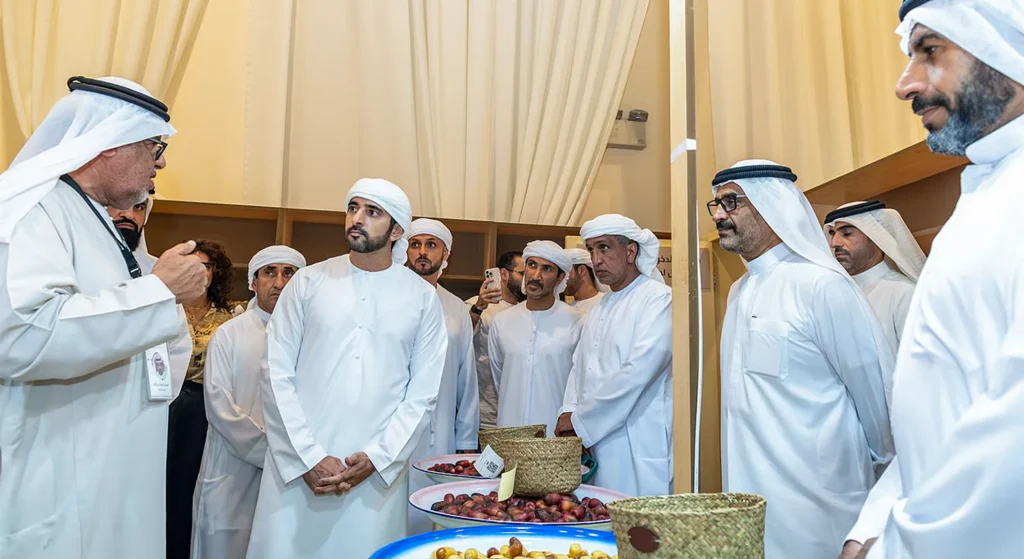
Sheikh Mohammed has shared a heartfelt tribute to his son, Sheikh Hamdan, remembering him as a compassionate, selfless and generous individual whose kindness touched the lives of those around him.
Sheikh Mohammed Remembers Son Sheikh Hamdan as a Kind and Generous Soul.
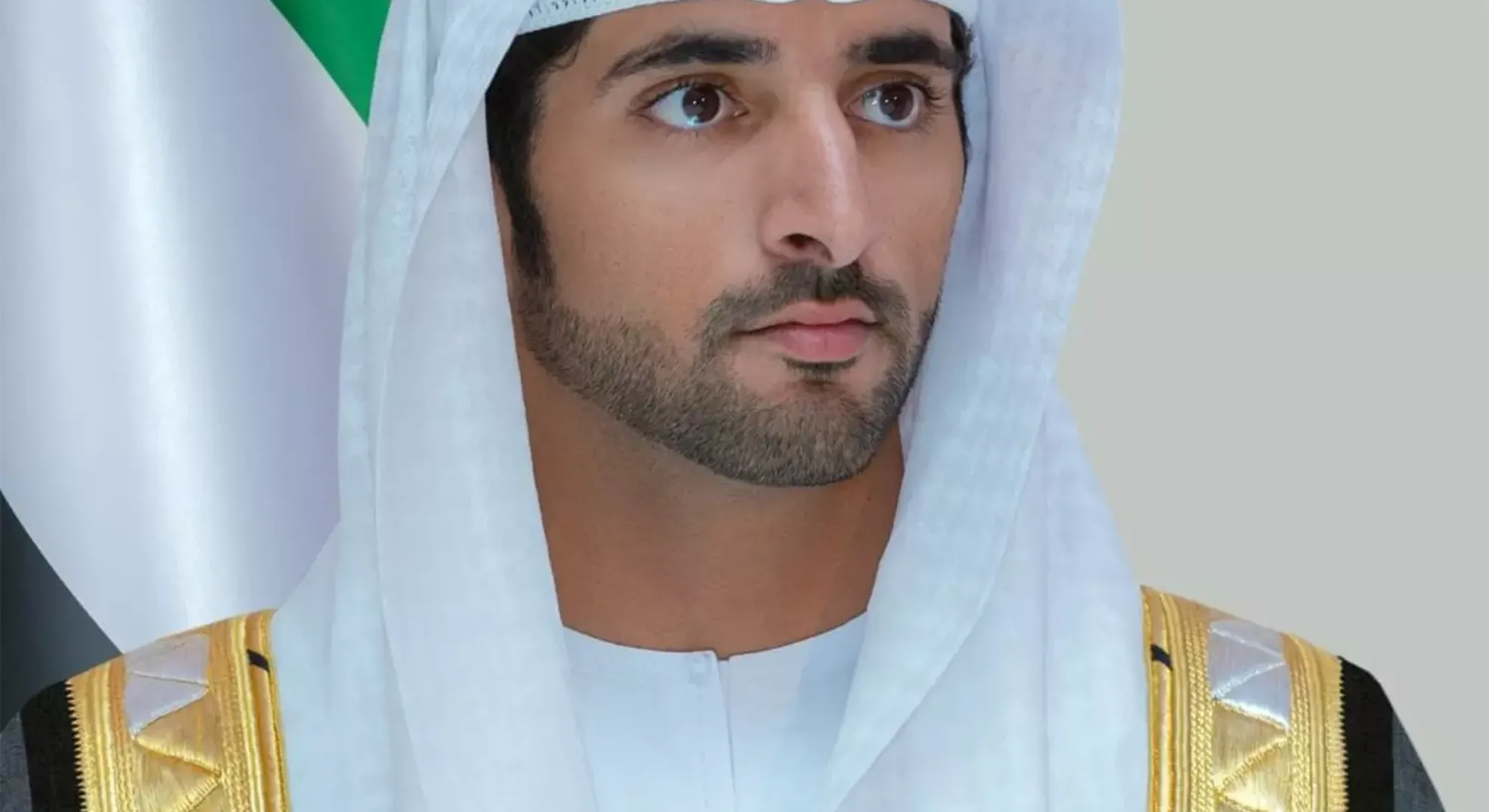
Dubai Ruler Sheikh Mohammed bin Rashid Al Maktoum has written an emotional message for Sheikh Hamdan bin Mohammed bin Rashid Al Maktoum, marking the upcoming 20th anniversary of his appointment as Chairman of Dubai’s Executive Council.
Dubai Ruler and UAE Vice President and Prime Minister Sheikh Mohammed bin Rashid Al Maktoum has shared a deeply personal message with his son, Dubai Crown Prince Sheikh Hamdan bin Mohammed bin Rashid Al Maktoum, as the Crown Prince approaches two decades since he was appointed Chairman of Dubai’s Executive Council.
In his heartfelt letter, Sheikh Mohammed reflected on his son’s journey over the past 20 years, highlighting the leadership qualities, dedication and achievements that have shaped his public service. He expressed immense pride in the way Sheikh Hamdan has grown into a prominent leader while maintaining a strong and genuine relationship with the people of Dubai.
Sheikh Mohammed particularly praised his son’s ability to remain connected to the community and understand the concerns, aspirations and everyday needs of its people. He pointed to Sheikh Hamdan’s compassion, modesty, bravery and determination as qualities that have helped define his approach to leadership.
For Sheikh Mohammed, Sheikh Hamdan’s relationship with the people goes beyond his official responsibilities. He described his son as someone who has earned the affection and confidence of those around him through his character, generosity and willingness to serve.
The Dubai Ruler referred to Sheikh Hamdan as “a great and generous man”, emphasising the Crown Prince’s concern for humanity and his constant desire to contribute positively to the lives of others. He noted that Hamdan has a natural inclination towards helping people, doing good and upholding values of honour, kindness and generosity.
According to Sheikh Mohammed, these qualities are not simply characteristics that Sheikh Hamdan possesses; they are virtues that reflect the person he has become. He said his son is deserving of such qualities, while those qualities themselves are equally suited to him.
Beyond Sheikh Hamdan’s public role, Sheikh Mohammed also drew attention to the close relationship he maintains with his brothers. He praised the Crown Prince for encouraging and supporting them, helping them find confidence in their own abilities and motivating them to take on responsibilities in service of the people.
The letter therefore presented Sheikh Hamdan not only as a leader but also as a member of a close family who plays an important role in supporting those around him.
Sheikh Mohammed described his son as an outstanding father, a dutiful son and a caring brother, reflecting the different responsibilities he carries within his family and wider community.
Success brings greater responsibility
While celebrating Sheikh Hamdan’s achievements, Sheikh Mohammed also reminded him that leadership is accompanied by increasing responsibilities.
He told the Dubai Crown Prince that greater success should not be viewed simply as a reward for past accomplishments. Instead, it creates a larger duty to serve the nation, support its people and protect the progress that previous generations worked to establish.
Sheikh Mohammed highlighted the responsibilities Sheikh Hamdan carries towards the UAE, particularly its younger generation and those who serve and protect the country. He also referred to the responsibility of safeguarding the nation’s borders and preserving its security and stability.
As Sheikh Hamdan’s role continues to develop, Sheikh Mohammed noted that his obligations towards Dubai and its people will also become greater. These responsibilities extend across many areas, including the emirate’s citizens, its economic development, its competitiveness and its growing influence and reputation internationally.
The Dubai Ruler stressed that leadership involves responsibility towards every part of society. Sheikh Hamdan’s duties are not limited to government affairs but also encompass the aspirations of Dubai’s sons and daughters and the future opportunities available to them.
His responsibilities also extend to his own family, including his brothers and children. Sheikh Mohammed pointed out that Sheikh Hamdan’s public position means that his actions and decisions are watched closely by people far beyond the UAE.
Millions of individuals around the world follow Dubai’s development and observe the work of its leaders. Many look to Sheikh Hamdan for inspiration and place confidence in his ability to contribute to the emirate’s continued progress.
With that visibility comes an expectation that he will use his position thoughtfully and responsibly.
Sheikh Mohammed reminded his son that the trust placed in him is itself a responsibility. His leadership, decisions and public conduct can influence how people view Dubai and its future.
The message was therefore not simply a celebration of Sheikh Hamdan’s two decades of service. It was also an important reminder that leadership requires continuous effort, humility and an unwavering commitment to the people.
Sheikh Mohammed told Hamdan that he is worthy of carrying these growing responsibilities, just as he has been worthy of the achievements and trust that have come his way.
Lessons from decades of leadership
The letter also provided Sheikh Mohammed with an opportunity to pass on some of the lessons he has gained during his own long career in government, leadership and public affairs.
Drawing upon nearly six decades of experience, the Dubai Ruler shared principles that he believes should guide those entrusted with governing and serving society.
Rather than presenting leadership simply as a position of authority, Sheikh Mohammed emphasised the importance of listening, compassion, generosity and accessibility.
He expressed the view that a successful ruler should listen carefully to people before making decisions that affect them. Compassion, he suggested, should come before punishment, while generosity should be offered without waiting for people to ask.
He also stressed the importance of leaders reaching out to their communities instead of expecting people to struggle to gain access to them.
For Sheikh Mohammed, effective leadership requires a direct understanding of society. A ruler must know the concerns of the people, recognise their needs and remain close enough to the community to understand what is happening on the ground.
These principles, he suggested, form an essential part of responsible governance.
Justice at the centre of leadership
One of the strongest themes in Sheikh Mohammed’s message was the importance of justice.
He told Sheikh Hamdan that fairness must remain at the foundation of government and decision-making. In his view, justice is not merely a legal requirement but a central pillar upon which dignity, stability and prosperity are built.
Sheikh Mohammed explained that standing firmly for justice can strengthen a society and give its people a sense of security and dignity. When fairness is protected, stability becomes stronger and the conditions necessary for development and prosperity can flourish.
The opposite, he warned, is equally powerful.
Injustice can gradually undermine the achievements of a society, create instability and damage the foundations upon which nations are built. Sheikh Mohammed cautioned that its consequences can extend far beyond individual disputes, potentially setting communities and even entire civilisations back.
He urged Sheikh Hamdan to remain alert to injustice in all its forms, describing it as a danger that does not disappear or become inactive.
The Dubai Ruler also referred to the spiritual weight carried by the suffering of those who have been wronged. He invoked the idea that the prayer of an oppressed person rises beyond the clouds, emphasising that injustice has consequences that cannot simply be ignored.
For Sheikh Mohammed, this serves as a reminder that those in positions of authority must be particularly careful when exercising their power.
A leadership philosophy rooted in fairness
Sheikh Mohammed connected these lessons to the history and development of the UAE itself.
He reminded Sheikh Hamdan that the country’s foundations were built around principles of justice, protection of rights and accountability. These values, he said, have played an important role in shaping the UAE and its approach to governance.
A central principle is that accountability should apply to everyone, regardless of their position or relationship with those in power.
The strong should not be allowed to escape responsibility simply because of their status, while the vulnerable should not be left without protection. Likewise, people who are close to authority must be subject to the same standards of accountability as those who have no such connections.
This principle of equal treatment, Sheikh Mohammed indicated, is essential to maintaining public confidence and social stability.
The message to Sheikh Hamdan was therefore clear: authority must always be accompanied by fairness and responsibility.
Leadership cannot be measured solely through economic achievements, international recognition or administrative success. It must also be judged by the manner in which people are treated and whether their rights are protected.
Sheikh Mohammed stressed that nations are not destined to decline when justice remains at the heart of their decisions. When leaders combine fairness with compassion and respect the rule of law, societies can continue to develop with confidence.
He presented justice, mercy and adherence to law as interconnected principles that help create a stable and prosperous country.
A father’s message to a future leader
At the heart of the letter was not only a message from one leader to another, but also a father speaking to his son.
Sheikh Mohammed’s words reflected pride in Sheikh Hamdan’s accomplishments while also acknowledging the demanding path that lies ahead.
Two decades of public service have given Sheikh Hamdan extensive experience in government and leadership, but Sheikh Mohammed made clear that continued success requires the same qualities that have helped him reach this point: humility, courage, compassion and a sincere commitment to serving others.
The Crown Prince’s growing responsibilities reflect Dubai’s ambitions and its expanding role on the global stage. As the emirate continues to strengthen its economy, competitiveness and international standing, its leaders face increasingly complex expectations.
Sheikh Mohammed’s advice therefore goes beyond the immediate responsibilities of government. It addresses the values that should guide Sheikh Hamdan throughout his career and personal life.
His message emphasises that leadership begins with people.
Listening to communities, understanding their concerns, protecting their rights and acting with compassion are presented as essential duties rather than optional qualities.
The letter also underlines the importance of maintaining strong family relationships. Sheikh Mohammed praised Sheikh Hamdan’s support for his brothers and highlighted the role he plays as a father and son, showing that public leadership and family responsibility are closely connected.
As Sheikh Hamdan marks 20 years since taking on the role of Chairman of Dubai’s Executive Council, the occasion represents both a milestone and a new chapter.
The past two decades have been defined by development, responsibility and increasing public expectations. Yet Sheikh Mohammed’s message suggests that the next stage will require an even stronger commitment to service.
The Dubai Ruler’s reflections offer Sheikh Hamdan guidance drawn from decades of experience, encouraging him to approach the future with wisdom and a clear understanding of the responsibility that accompanies authority.
His central message is that success should never become a reason to reduce one’s sense of duty. Instead, greater achievements should inspire greater service.
For Sheikh Hamdan, the trust of the people, the progress of Dubai and the future of the UAE represent responsibilities that must be carried with care.
Sheikh Mohammed’s tribute ultimately combines affection, pride and advice. He celebrates the qualities that have shaped his son while reminding him that leadership is a continuous journey.
The message places particular importance on generosity, compassion, justice and accountability, presenting them as values that can guide Sheikh Hamdan as he continues to serve Dubai and the UAE.
As the Crown Prince reaches the 20-year milestone in his role as Chairman of Dubai’s Executive Council, his father’s words serve as both recognition of the journey already completed and guidance for the responsibilities still ahead.
The letter makes clear that, in Sheikh Mohammed’s view, true leadership is not defined simply by position or achievement. It is demonstrated through service, fairness, humanity and the ability to remain close to the people.
For a leader entrusted with an increasingly important role in Dubai’s future, those principles provide a lasting foundation for the years ahead.
The value of truth and honest counsel
Another important lesson Sheikh Mohammed bin Rashid Al Maktoum shared with his son, Sheikh Hamdan bin Mohammed bin Rashid Al Maktoum, centred on the importance of trust, honesty and choosing the right people to keep close.
Drawing on his many years of experience in leadership and public service, Sheikh Mohammed explained that those in positions of responsibility must be particularly careful about the people whose advice they accept. According to him, a leader benefits greatly from the company of individuals who are sincere, dependable and courageous enough to speak honestly, even when the truth may not always be comfortable.
For Sheikh Mohammed, genuine trust is built on character. He advised Sheikh Hamdan to value people whose actions demonstrate integrity and whose words can be relied upon. Such individuals, he suggested, are willing to give straightforward advice rather than simply saying what a leader might want to hear.
The Dubai Ruler warned that dishonesty can have consequences far beyond the immediate falsehood. When someone deliberately misleads another person, they damage the confidence placed in them and potentially influence important decisions on the basis of incorrect information.
A dishonest adviser can therefore become a serious obstacle to sound leadership. If a person entrusted with providing guidance conceals the truth or deliberately presents a distorted picture, the person relying on that advice may make decisions without fully understanding reality.
Sheikh Mohammed contrasted this with the value of sincere counsel. A truthful adviser may sometimes say things that are difficult, disappointing or even painful to hear, but honest criticism can prevent much greater problems in the future.
He encouraged Sheikh Hamdan to recognise that uncomfortable truth is ultimately more valuable than comforting deception. Being surrounded by people who always agree or who conceal problems may create a temporary sense of reassurance, but it can leave a leader disconnected from reality.
By comparison, trustworthy people provide an accurate picture of circumstances and help those in authority make better decisions.
The lesson was essentially about choosing truth over illusion. Sheikh Mohammed’s experience has taught him that it is far better to hear an honest assessment, even when it is difficult, than to remain surrounded by people who offer false reassurance.
For anyone carrying significant responsibilities, the ability to distinguish genuine loyalty from empty praise is crucial. Sheikh Mohammed therefore encouraged his son to place his confidence in people whose honesty, integrity and courage have been demonstrated through their actions.
Seeing people beyond appearances
Sheikh Mohammed also shared another principle that has shaped his understanding of leadership: the importance of developing a genuine human connection with the people.
He told Sheikh Hamdan that a ruler cannot effectively serve society by looking at people only through formal positions, statistics or reports. Leadership requires a deeper understanding of individuals, their circumstances, their hopes and the challenges they face.
He emphasised that the relationship between a leader and the community is strengthened when the leader remains close to the people.
According to Sheikh Mohammed, this closeness is not simply about maintaining public support. It is also an important foundation for a country’s stability, confidence and prosperity.
When people feel that their leaders understand them and genuinely care about their welfare, the relationship between the government and society becomes stronger. Public trust can provide leaders with the strength to address challenges while giving communities greater confidence in their country’s direction.
Sheikh Mohammed highlighted compassion as one of the defining qualities of successful leadership. In his view, rulers who care deeply about their people leave an impact that extends well beyond their time in office.
He pointed to the late Sheikh Zayed bin Sultan Al Nahyan and Sheikh Rashid bin Saeed Al Maktoum as examples of leaders whose relationships with their communities became an important part of their enduring legacies.
Their achievements were not remembered only because of the institutions, infrastructure and development they helped establish. Their legacy also remains powerful because of the affection and respect they earned from the people.
Sheikh Mohammed suggested that this emotional connection is one of the most lasting forms of leadership.
A ruler may build roads, establish institutions, develop economies and oversee major projects, but the way people remember that leader is also shaped by how they were treated and whether they felt understood and valued.
This was the spirit behind Sheikh Mohammed’s advice to Sheikh Hamdan.
He encouraged his son to maintain a close relationship with the people and to approach leadership with empathy rather than distance.
The message was expressed through a particularly striking principle: when people look towards their leader, the leader should learn to see them not merely with his eyes, but with his heart.
The advice carries a broader meaning about empathy in public life. Understanding people requires more than simply observing what they say or do. It requires listening carefully, recognising their emotions and considering the circumstances behind their concerns.
For Sheikh Mohammed, compassion should therefore be an active part of governance.
A leader who understands the people can better appreciate what they need, respond to their concerns and make decisions that reflect the realities of their lives.
This human connection, he suggested, is what allows leadership to become a relationship built on confidence and mutual respect rather than merely an exercise of authority.
Sheikh Hamdan responds to his father’s message
Sheikh Hamdan responded to his father’s letter with an emotional message of his own, expressing his gratitude, admiration and deep respect for the person who has played a central role in shaping his life.
In his response, the Dubai Crown Prince addressed Sheikh Mohammed not only as the ruler of Dubai or as his father, but as someone who has served several important roles in his personal and professional development.
He described his father as his “lord, my father, my teacher and my support”, reflecting the profound influence Sheikh Mohammed has had on him.
Sheikh Hamdan acknowledged that finding words capable of properly expressing what his father means to him was difficult. He suggested that no collection of words could fully capture the gratitude and respect he feels towards the man who guided him throughout his life.
He credited Sheikh Mohammed with teaching him fundamental principles that extend far beyond leadership itself.
Among those lessons were the meaning of responsibility, the importance of serving the homeland and the principle that actions should speak before words.
For Sheikh Hamdan, these lessons were not simply theoretical ideas. They were learned through years of observing his father and working within an environment where public service, discipline and responsibility were treated as essential values.
Reflecting on his two decades of experience under his father’s guidance, Sheikh Hamdan described those years as an education in leadership.
He said that spending 20 years learning from Sheikh Mohammed had prepared him to understand what it truly means to carry responsibility and lead others.
His reference to being educated in his father’s “school” was a reflection of the practical lessons he had received throughout his career.
Rather than learning leadership solely through formal instruction, Sheikh Hamdan has been able to observe his father’s approach to governance and public service firsthand.
That experience, he indicated, has helped shape his understanding of what it means to serve Dubai and the UAE.
A father’s approval remains deeply meaningful
Sheikh Hamdan also reflected on the significance of receiving his father’s appreciation.
He noted that regardless of how much responsibility an individual carries or how many achievements they may accomplish, earning the satisfaction and approval of one’s father remains uniquely meaningful.
The Crown Prince expressed his appreciation for Sheikh Mohammed’s words and made clear that his father’s recognition carries a value that cannot easily be compared with professional accomplishments.
His response revealed a deeply personal side to the relationship between the two leaders.
Although Sheikh Hamdan holds a senior position and carries significant public responsibilities, he remains conscious of the importance of his father’s trust and approval.
The message suggested that achievements in public life, however significant, cannot replace the personal satisfaction that comes from knowing that one’s parent is proud of the person one has become.
Sheikh Hamdan said that he continues to work towards being worthy of the confidence his father has placed in him.
This commitment, he indicated, is closely linked to the lessons he has learned throughout the years.
Rather than treating his father’s advice simply as words for a particular occasion, Sheikh Hamdan promised to continue applying those principles in his own life and leadership.
He expressed his determination to remain faithful to the values his father had taught him, particularly those relating to responsibility, service, honesty and commitment to the country.
His response also demonstrated his awareness that leadership is an ongoing responsibility rather than a destination reached after achieving a particular position.
The 20-year milestone therefore represents an important moment of reflection, but it also marks another stage in Sheikh Hamdan’s continuing public service.
Two generations of leadership
The exchange between Sheikh Mohammed and Sheikh Hamdan offers a glimpse into the relationship between two generations of leadership in Dubai.
For Sheikh Mohammed, the anniversary provided an opportunity to look back at his son’s development and acknowledge the qualities that have emerged throughout his years of service.
At the same time, it allowed him to pass on lessons accumulated over decades of governance.
For Sheikh Hamdan, the occasion provided an opportunity to recognise the role his father has played in preparing him for the responsibilities he carries today.
Their messages therefore complement one another.
The father’s letter focuses on values, responsibility and the principles that should guide leadership, while the son’s response centres on gratitude, learning and a commitment to honour the trust placed in him.
Together, the messages portray leadership as something that is passed through experience, example and personal guidance.
Sheikh Mohammed’s advice on honesty highlights the importance of having people around a leader who are prepared to tell the truth.
His words on compassion emphasise the importance of maintaining a genuine relationship with society.
His reflections on justice underline the responsibility that accompanies authority, while his comments on family highlight the personal relationships that remain important even for those carrying significant public roles.
For Sheikh Hamdan, these lessons form part of the foundation upon which he intends to continue building his own approach to leadership.
His response makes clear that he sees the past two decades not merely as a period of professional experience but as an extended education under his father’s guidance.
A commitment for the years ahead
The anniversary is therefore more than a reflection on the years that have passed.
It also points towards the responsibilities that lie ahead for Sheikh Hamdan as Dubai continues to expand its global role and pursue new ambitions.
The principles highlighted by Sheikh Mohammed — truthfulness, compassion, justice, humility, service and responsibility — remain relevant as Sheikh Hamdan continues his work.
The Dubai Crown Prince’s promise to remain guided by his father’s teachings suggests that these principles will continue to influence his approach to public service.
His message also reflects a recognition that the trust of family and society must be earned continuously.
Leadership cannot rely solely on past accomplishments. It requires consistent conduct, sound judgement and an ability to remain connected to the people being served.
The exchange between father and son ultimately presents leadership as a responsibility grounded in humanity.
Sheikh Mohammed’s advice encourages Sheikh Hamdan to listen carefully, surround himself with honest people, remain close to the community and never lose sight of the human consequences of decisions.
Sheikh Hamdan’s response, meanwhile, demonstrates his gratitude for the guidance he has received and his determination to carry those lessons forward.
At the centre of the exchange is a simple but powerful idea: authority becomes meaningful when it is used in service of others.
For Sheikh Mohammed, the strongest leaders are those who combine strength with compassion, authority with fairness and ambition with humility.
For Sheikh Hamdan, the lessons learned over two decades from his father have helped shape his understanding of those responsibilities.
As he looks towards the future, his commitment is not simply to continue what has already been achieved, but to remain worthy of the trust placed in him.
The exchange between the two leaders consequently serves as both a personal tribute and a reflection on the values that have influenced Dubai’s leadership.
It celebrates the bond between a father and son while also highlighting the principles that Sheikh Mohammed believes should guide anyone entrusted with the responsibility of serving a nation and its people.
The message of honesty is particularly significant: a leader must be willing to hear the truth, even when it is uncomfortable.
The message of compassion is equally important: people must be understood as individuals rather than viewed only through their official or social roles.
And Sheikh Hamdan’s response adds another dimension — that behind every public achievement is a personal journey shaped by teachers, family members and mentors.
For him, Sheikh Mohammed has been all three.
As the Crown Prince enters another chapter of public service, his father’s advice and his own pledge to follow those lessons provide a clear indication of the values he hopes to carry forward.
The 20-year milestone thus becomes both a celebration of the journey so far and a reminder of the greater responsibilities that come with the years ahead.