Dubai households facing increasing electricity and water expenses can turn to a smart digital tool that helps monitor usage, identify areas of excessive consumption, and adopt practical measures to reduce monthly utility costs.
Dealing With Rising Power and Water Bills? Dubai Residents Can Use This Tool to Track and Cut Consumption.
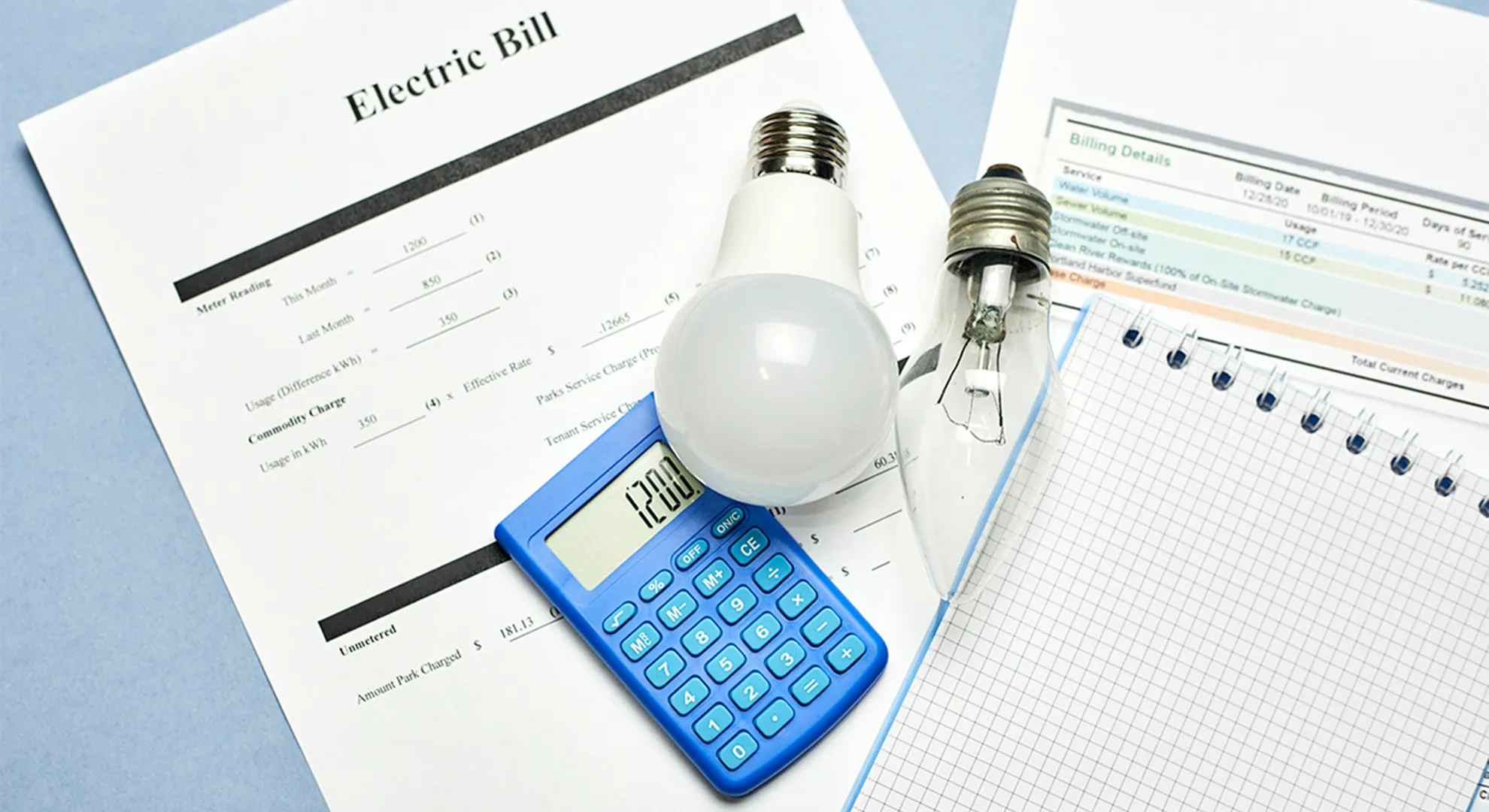
DEWA customers can provide basic details about their daily usage patterns, home or property type, household size, and the electrical devices they regularly operate, allowing the tool to assess consumption habits and offer more personalized recommendations for managing utility use efficiently.
Dubai residents who are concerned about steadily increasing electricity and water bills can make use of a digital service designed to help them understand their household consumption and identify ways to use utilities more efficiently.
The Dubai Electricity and Water Authority (DEWA) has introduced its Smart Living initiative to give customers greater visibility into their electricity and water usage. Through the service, residents can access important billing information, review applicable tariff categories and follow changes in their consumption over different periods. The platform allows users to examine their usage on a daily, weekly and monthly basis, making it easier to recognise patterns and identify periods when consumption may be higher than usual.
For households trying to control their utility expenses, having access to detailed consumption information can be particularly useful. Instead of waiting until the monthly bill arrives to see how much electricity or water has been used, customers can regularly check their consumption and develop a better understanding of their household habits. This can help residents spot unusually high usage and take corrective measures where necessary.
One of the features available through the Smart Living service is DEWA’s Consumption Assessment Tool. The facility is intended to provide customers with a clearer picture of how their lifestyle and household characteristics can influence electricity and water consumption.
Using the assessment facility is relatively straightforward. Customers are required to provide information about several aspects of their home and everyday routine. These details include their general consumption behaviour, the characteristics of their property, the number of people living in the household and the electrical appliances being used.
By entering this information, residents can get a more personalised assessment of their consumption. The tool can help users understand which household activities or appliances may contribute significantly to their overall energy demand and where there could be opportunities to improve efficiency.
The number of occupants in a property can have a direct impact on utility consumption. A larger household will generally have greater demand for water, cooling, lighting, cooking and other everyday activities. Similarly, the size and characteristics of a property can influence the amount of electricity required, particularly in Dubai, where air conditioning can represent a significant part of household energy use during warmer months.
The appliances installed in a home are another important factor. Air conditioners, refrigerators, washing machines, water heaters, ovens and other electrical equipment can contribute to overall power consumption. How frequently these appliances are operated and how long they remain in use can also affect a household’s monthly electricity requirements.
DEWA’s digital tools allow residents to look beyond the final figure shown on their bill and examine the factors behind their consumption. This can encourage customers to become more conscious of their daily utility usage and make informed decisions about how they use electricity and water.
Regularly checking consumption trends can also help households compare their usage from one period to another. For example, a resident may notice that electricity consumption increases substantially during certain weeks or months. By examining what changed during that period, the household may be able to identify possible reasons, such as increased air-conditioning use, changes in occupancy or greater reliance on certain appliances.
Similarly, monitoring water consumption can encourage residents to pay closer attention to activities such as showering, washing clothes, cleaning and other household tasks. Identifying unusually high water use may prompt residents to check for inefficient practices or possible leaks and make changes where appropriate.
The Smart Living initiative is therefore not simply about checking a bill. It provides customers with information that can help them become more aware of their consumption behaviour. Having this information readily available can make it easier for households to set realistic goals for reducing unnecessary usage.
Residents looking to lower their bills can also use the information provided by the platform as a starting point for making everyday changes. Turning off lights and appliances when they are not required, using air conditioning more efficiently and avoiding unnecessary water consumption are some of the basic measures households can consider.
The assessment tool can be particularly useful because consumption differs from one household to another. A recommendation that may be suitable for a small apartment may not necessarily apply to a larger villa with more occupants and appliances. By taking property and household details into account, an assessment can provide information that is more relevant to the customer’s individual circumstances.
Another advantage of monitoring consumption regularly is that residents can potentially identify changes sooner rather than later. If a household notices an unexpected increase in usage, it can investigate the reason before the higher consumption continues for several billing cycles.
For people who are already paying more than expected for electricity and water, understanding their consumption patterns can be an important first step towards managing expenses. Rather than focusing only on the amount shown on the bill, customers can examine their usage behaviour and determine which areas may need attention.
Dubai’s emphasis on smart digital services also gives residents greater access to information about their utility use. Instead of relying solely on traditional billing statements, customers can use online tools to obtain a broader view of their consumption and make decisions based on actual usage data.
The Consumption Assessment Tool is designed to make this process more accessible. Customers do not need to provide complicated technical information. They can begin by answering questions about their household, property, lifestyle and appliances. The resulting assessment can then help them understand their consumption more clearly.
For residents who are unfamiliar with their electricity and water usage patterns, the tool can also serve as an educational resource. It can encourage people to think about how everyday decisions influence their utility consumption. Simple habits, when maintained consistently, can contribute to more efficient use of household resources.
Monitoring consumption is especially relevant during periods of heavy electricity demand. In Dubai, temperatures can rise significantly during summer, resulting in increased reliance on cooling systems. Air conditioning can therefore become an important factor in household electricity use. Keeping track of consumption during such periods can help residents understand the impact of increased cooling requirements on their bills.
Water usage can similarly vary depending on household routines and seasonal conditions. By examining consumption over time, customers can determine whether their usage remains relatively stable or changes significantly during particular periods.
The information available through DEWA’s Smart Living initiative can also help residents take a more proactive approach to utility management. Instead of reacting only after receiving a high bill, households can monitor their usage regularly and make adjustments when necessary.
For households with several occupants, discussing consumption habits among family members can be another practical step. When everyone understands the importance of avoiding unnecessary electricity and water use, individual actions can collectively make a difference. Small changes in daily routines may help reduce wastage while maintaining normal household comfort.
Residents can also pay attention to the performance and usage of their appliances. Older or inefficient equipment may consume more electricity than newer, energy-efficient alternatives. While replacing appliances is not always necessary or financially practical, understanding which devices contribute most to household consumption can help residents make better decisions about how and when they use them.
The key benefit of a consumption-monitoring service is that it gives customers information they can act upon. A high bill may initially indicate that something needs to change, but detailed consumption information can help residents investigate where the additional usage is coming from.
DEWA customers who want to better understand their household utility consumption can therefore explore the Smart Living initiative and its available assessment features. By entering information about their property, household and consumption habits, they can gain a clearer perspective on their electricity and water use.
Ultimately, managing utility bills is not only about reducing consumption as much as possible. It is also about using electricity and water efficiently while maintaining a comfortable and practical lifestyle. Regular monitoring can help residents distinguish between essential usage and avoidable wastage.
For Dubai households dealing with higher-than-expected electricity or water bills, making use of available digital consumption tools can be a useful starting point. Reviewing billing information, tracking usage trends and completing the Consumption Assessment Tool can help residents become more informed about their utility habits and identify areas where improvements may be possible.
With greater awareness and regular monitoring, households can take a more informed approach to managing their electricity and water consumption. Rather than treating the monthly bill as the only indicator of household usage, residents can use the information available through DEWA’s Smart Living services to understand their consumption behaviour and work towards more efficient utility management.
The survey gives customers a practical way to understand their electricity and water consumption by examining how everyday household decisions affect the amount of energy and water being used. By paying closer attention to these patterns, residents can become more aware of their consumption habits and make informed changes where necessary.
Understanding the connection between daily activities and utility consumption can be an important step towards improving efficiency. Simple actions carried out repeatedly, such as leaving electrical equipment running when it is not needed, using cooling systems for extended periods or consuming more water than necessary during routine household activities, can contribute to higher overall usage. By reviewing their habits, customers can identify areas where small adjustments may help them use resources more responsibly.
The assessment is designed to provide users with information that is relevant to their individual circumstances rather than offering a one-size-fits-all approach. Every household has different requirements, depending on factors such as the size of the property, the number of people living there, the type of appliances installed and the way electricity and water are consumed throughout the day.
Once customers complete the survey, they receive a detailed overview of their household consumption profile. The report provides insight into their usage and can help them understand how their property and lifestyle may influence electricity and water demand.
Along with the consumption profile, customers are provided with recommendations that are tailored to the information they submit. These suggestions are intended to help households identify opportunities to use utilities more efficiently. The guidance can also encourage residents to consider more sustainable practices in their everyday routines.
Having personalised information can make it easier for customers to decide where to focus their efforts. Instead of making broad changes without knowing whether they will have a meaningful impact, residents can use the assessment results to identify areas of their household consumption that may require greater attention.
For example, a household with a high level of electricity use may benefit from reviewing how frequently cooling systems and other major appliances are operated. Similarly, a home with comparatively high water consumption may need to examine its daily water-use practices and check whether there are potential sources of wastage.
The purpose of the assessment is not simply to encourage customers to reduce their utility consumption. It is also intended to promote greater awareness of resource use and encourage households to adopt efficient practices without unnecessarily affecting their daily comfort or convenience.
The information generated through the survey can therefore be used as a reference point. Customers can review the recommendations, consider which changes are practical for their household and monitor their consumption over time to see whether their efforts are making a difference.
Regular monitoring can be particularly helpful because household consumption is not always consistent. Electricity and water requirements can change depending on weather conditions, the number of people at home, changes in daily schedules, holidays and other circumstances. Tracking usage over a longer period can help residents recognise these fluctuations and understand what may be driving them.
In addition to its consumption assessment features, Dubai Electricity and Water Authority (DEWA) provides customers with services intended to help identify unusual water consumption. One such facility is the High Water Usage Alert service, which is designed to notify customers when there is an unexpected increase in their water use.
Unusually high water consumption can sometimes be an indication of a leak. A leak that remains unnoticed can result in significant water wastage and may also contribute to an unexpectedly high utility bill. Detecting such changes early can therefore allow customers to investigate the situation before the problem becomes more serious.
The High Water Usage Alert service provides notifications when an unusual rise in water consumption is detected. Receiving an alert can prompt residents to check their property for possible leaks or other causes of increased usage.
This type of early warning can be especially useful when a leak occurs in an area that is not immediately visible. Some leaks may develop in plumbing systems, bathrooms, kitchens, gardens or other parts of a property where residents may not notice the problem straight away. A sudden change in consumption can provide an indication that further investigation may be required.
Once customers receive an alert, they can take appropriate steps to determine why their water usage has increased. If a leak is found, arranging repairs promptly can help prevent further water loss and potentially avoid additional costs associated with unnecessary consumption.
The alert service can therefore complement the broader consumption-monitoring tools available to DEWA customers. While the assessment helps residents understand their overall consumption habits, the High Water Usage Alert service focuses on identifying potentially unusual changes in water usage.
Together, these digital services can give households greater visibility into their utility consumption. Customers can use the information to become more proactive rather than waiting until a high bill arrives before investigating increased usage.
Another feature available to customers is the Away Mode service. This function can be particularly useful for residents who spend extended periods away from their homes, whether because of travel, work commitments or other reasons.
When a property is unoccupied, residents may assume that electricity and water consumption will remain low. However, some appliances, systems and equipment may continue to operate even when nobody is at home. Unexpected consumption can therefore occur without the property owner being physically present to notice it.
Away Mode is designed to help customers remain informed about consumption while they are away from their property. The service can send regular reports and alerts by email, allowing users to keep track of their utility usage remotely.
Customers can choose to receive consumption information on a daily or weekly basis, depending on their monitoring needs. Regular updates can make it easier to identify unusual patterns that might otherwise go unnoticed while the property is unoccupied.
For example, if a customer is travelling and receives a report showing unexpectedly high water consumption, they may decide to investigate whether a leak or another issue has developed. Similarly, unusual electricity usage could encourage them to check whether an appliance, cooling system or other equipment has been left running.
The ability to receive information remotely can provide additional peace of mind to residents who are away from home for several days or weeks. Instead of having no visibility into what is happening at the property, customers can receive updates that provide an indication of their consumption.
Away Mode can also be useful for identifying consumption trends. A single unusual reading may not always provide enough information to determine what has happened, but repeated reports can help customers recognise whether an increase is temporary or part of a continuing pattern.
Monitoring consumption while away can therefore support both convenience and resource management. Customers can remain aware of their property’s utility use without needing to return home or rely solely on the next monthly bill.
The combination of these services reflects the growing role of digital tools in helping residents manage household utilities. Rather than relying only on traditional billing information, customers can access data and alerts that provide a more detailed picture of how electricity and water are being used.
The Consumption Assessment Tool focuses on understanding household behaviour and providing personalised guidance. The High Water Usage Alert service provides an additional layer of protection by highlighting sudden or unusual increases in water consumption. Away Mode, meanwhile, allows customers to continue monitoring their property remotely when they are not at home.
Each service addresses a different aspect of utility management, but they share a common objective: helping customers become more aware of their consumption and respond to potential issues in a timely manner.
For residents concerned about high electricity or water bills, understanding consumption is an important first step. A bill provides the final amount that needs to be paid, but consumption-monitoring services can offer more information about why usage may have reached that level.
By reviewing their consumption profile, customers can identify patterns that may be contributing to higher usage. They can then consider whether changes to household routines, appliance use or other activities could improve efficiency.
The recommendations provided after completing the assessment can serve as practical guidance for households looking to make such changes. Since the advice is based on information supplied about the property and household, customers can focus on measures that are more relevant to their circumstances.
Sustainable consumption does not necessarily require major changes to everyday life. In many cases, greater awareness can encourage households to avoid unnecessary usage and make more efficient choices. Over time, these habits can contribute to more responsible use of electricity and water.
Monitoring also gives customers an opportunity to evaluate the results of any changes they make. If consumption falls after a household adopts new practices, residents can use their usage data to understand the impact. If consumption remains high, they can continue investigating possible causes and consider additional measures.
For water consumption in particular, early detection of unexpected increases can be valuable. A leak can continue wasting water even when the occupants are unaware of it. An automated alert can bring attention to the issue sooner, potentially allowing the customer to arrange repairs before the problem leads to prolonged wastage.
The same principle applies when residents are away. A property that appears empty may still record unexpected consumption because of equipment or plumbing problems. Regular updates through Away Mode can help customers notice such changes even when they are travelling.
These features can be especially useful for people who regularly spend time away from their homes. Receiving information electronically means they can continue monitoring their property without needing to be physically present.
Overall, DEWA’s digital services provide customers with several ways to take a more active role in managing electricity and water consumption. The assessment survey helps users understand how their household characteristics and everyday choices influence utility use. The resulting report provides a consumption profile, personalised recommendations and practical guidance aimed at improving efficiency.
At the same time, the High Water Usage Alert service can help customers respond quickly to unexpected increases in water use. By notifying users of unusual consumption, the service can draw attention to possible leaks or other issues that may otherwise remain unnoticed.
Away Mode adds another layer of convenience by allowing customers to receive regular consumption updates and alerts while they are away from home. Daily or weekly email reports can help users keep track of their property’s usage and identify unusual patterns remotely.
For Dubai residents who want to take greater control of their electricity and water consumption, these tools can provide useful information for making better-informed decisions. Instead of relying exclusively on their monthly bills, customers can monitor their usage, review household patterns and respond to unusual changes as they occur.
Ultimately, effective utility management begins with awareness. When residents understand how their daily choices affect consumption, they are in a better position to make practical adjustments. Digital monitoring tools can support this process by providing information, identifying potential problems and offering guidance suited to individual households.
By making regular use of consumption information and taking action when unusual patterns appear, customers can work towards more efficient utility use. At the same time, services such as High Water Usage Alerts and Away Mode can provide additional support by helping residents detect potential problems and stay informed even when they are not at home.
For households seeking to manage their utility expenses and reduce unnecessary resource use, exploring these DEWA services can be a useful part of a broader approach to responsible electricity and water consumption.