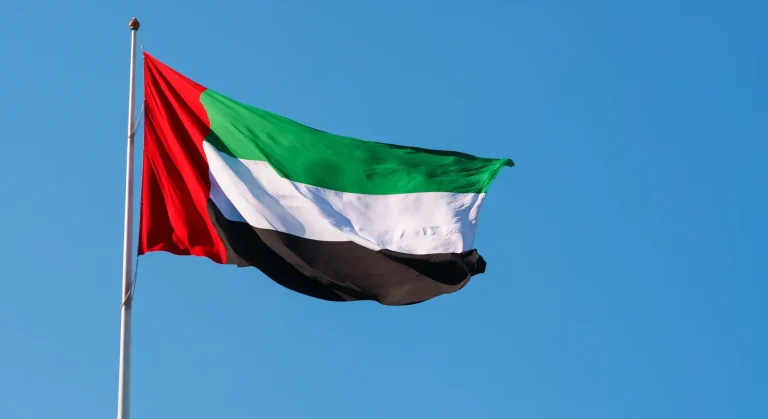
UAE official dismisses reports of large-scale dismissals, clarifying that claims of widespread job cuts affecting Egyptian nationals working across the country are inaccurate and do not reflect the actual employment situation.
UAE Official Rejects Claims of Mass Job Losses Among Egyptian Workers.

Al Gohary reaffirmed the strong diplomatic ties between the UAE and Egypt, adding that discussions scheduled for October will examine individual cases involving Egyptian nationals whose UAE visas have reportedly been cancelled.
An Egyptian government official has rejected claims circulating online that large numbers of Egyptian nationals are being dismissed from their jobs or having their residency visas cancelled in the UAE.
Speaking during an interview broadcast by Egyptian media, Haddad Al Gohary, Egypt’s Assistant Foreign Minister for Consular Affairs, said the reports circulating on social media do not reflect the situation on the ground.
According to Al Gohary, Egyptian diplomatic missions in the UAE have not identified evidence of a widespread campaign targeting Egyptian workers.
He said the Egyptian Embassy in Abu Dhabi and the Egyptian Consulate General in Dubai had not reported any large-scale dismissals involving Egyptian employees or a broad cancellation of their residency permits.
The official also emphasized that UAE visas continue to be issued to Egyptian nationals through the normal procedures.
He explained that Egyptian businesses operating in the UAE regularly obtain visas for their employees and workers, particularly companies that have investments and commercial interests in the country.
This, he said, indicates that there is no general suspension of visas for Egyptians or a nationwide policy aimed at removing Egyptian workers from the UAE.
The comments came after claims began circulating across social media platforms suggesting that Egyptians were facing widespread employment losses and visa cancellations.
Some posts and videos appearing online appeared to portray individual cases as evidence of a much larger development.
Al Gohary sought to distinguish between isolated incidents involving particular individuals and any alleged nationwide or community-wide policy.
He acknowledged that some Egyptian nationals had experienced the cancellation of their residency permits or had been required to leave the UAE.
However, he said such cases should not be interpreted as proof of a mass campaign against Egyptians.
The Egyptian authorities, according to Al Gohary, had examined individual situations involving people who lost their jobs or whose visas were revoked.
He noted that some of the affected individuals had subsequently shared their experiences on social media.
Those posts may have contributed to the perception that a much broader pattern was taking place.
Al Gohary explained that the cases reviewed by Egyptian authorities had different circumstances and should be considered individually.
In some instances, he said, residency rules had been violated.
UAE immigration and residency requirements apply to foreign nationals living in the country, and individuals who fail to comply with those requirements may face consequences regardless of their nationality.
The official stressed that such enforcement should not be interpreted as a measure directed specifically at Egyptian citizens.
He also referred to situations involving people who entered the UAE on visit visas but were unable to secure employment during their stay.
Individuals in that position may eventually have to return to Egypt if they cannot obtain the appropriate employment and residency arrangements required to remain in the country legally.
According to Al Gohary, these individual circumstances have also contributed to online claims about Egyptians being expelled or dismissed on a large scale.
The official rejected that interpretation.
When asked directly about reports describing the situation as a collective dismissal of Egyptian nationals, Al Gohary dismissed the claim.
He said that the investigation conducted by Egyptian authorities had not established evidence of a broad campaign affecting Egyptians as a group.
Instead, the cases examined were generally connected to individual circumstances, including violations of residency requirements or overstaying.
Overstaying refers to remaining in the UAE beyond the period authorized under an individual’s visa or residency status.
Such immigration rules are not specific to Egyptian citizens.
They apply to foreign nationals generally, meaning people from different countries can face action if they remain in the UAE without valid authorization.
Al Gohary therefore emphasized that cases involving Egyptians should be understood within the broader UAE immigration framework rather than being viewed as evidence of nationality-based enforcement.
The clarification is significant because social media reports can sometimes create the impression of a widespread development based on a relatively small number of individual incidents.
A person whose visa is cancelled or whose employment ends may publish a video explaining their experience.
If that video is subsequently shared widely, viewers may assume that the same situation is happening to thousands of other people.
The Egyptian official’s comments suggest that this is not the case with the reports currently circulating about Egyptian workers in the UAE.
According to the information provided by the Egyptian diplomatic authorities, there has been no evidence of mass layoffs or widespread visa cancellations involving Egyptians.
The Egyptian Embassy in Abu Dhabi and the Consulate General in Dubai have been monitoring the situation, and Al Gohary said neither mission had identified a large-scale pattern of dismissals.
The continued issuance of UAE visas to Egyptian nationals was also highlighted.
Egyptian businesses with investments in the UAE continue to obtain visas for their employees and workers, demonstrating that recruitment and employment-related immigration procedures remain active.
The official’s comments therefore sought to provide reassurance to Egyptians who may have been concerned after seeing reports online.
Rather than a broad employment ban or coordinated dismissal campaign, the situation appears to involve individual cases that have been amplified through social media.
Al Gohary did not deny that some Egyptians have faced difficulties with their residency status.
He acknowledged that certain people have had their permits cancelled.
However, he explained that these cases have specific reasons and should not be generalized to the entire Egyptian community in the UAE.
Residency regulations are an important part of maintaining legal status for foreign nationals working and living in the country.
People who violate those rules may be required to correct their status, leave the country or face other consequences under applicable regulations.
The same framework applies across nationalities.
Al Gohary specifically pointed out that the rules concerning illegal stays and overstaying are not directed at Egyptians alone.
Foreign nationals from any country who breach UAE residency requirements can potentially face similar consequences.
This point was central to his response to the reports.
The official also explained that not every person who leaves the UAE after losing a job has necessarily been “dismissed” by the authorities.
Some individuals may lose employment for ordinary employment-related reasons, while others may be unable to secure a new position before the end of their authorized stay.
If someone enters the country on a visit visa in search of employment and does not secure a suitable job, they may eventually need to return home.
That situation, according to Al Gohary, should not be presented as evidence of a government-led campaign against Egyptian workers.
The distinction between employment issues and immigration violations is important.
A worker may leave an employer without having their nationality targeted or their right to work generally restricted.
Similarly, an individual who overstays a visa may face immigration action because of the violation itself rather than because of their nationality.
The official’s remarks suggest that social media discussions have blurred these different situations.
By grouping individual cases together, online posts may create the appearance of a coordinated trend that diplomatic officials say has not been established.
The UAE is home to a large and diverse expatriate population, including significant numbers of Egyptian professionals, workers, business owners and families.
Egyptians have longstanding economic and social ties with the UAE, and many work across sectors including construction, business, education, healthcare, finance, retail and other industries.
The continuation of visa issuance and employment activity involving Egyptian nationals is therefore an important part of the relationship between the two countries.
Al Gohary’s comments were intended to clarify that individual residency cases should not be mistaken for a broader change in UAE policy toward Egyptians.
The official also indicated that Egyptian authorities have been following the situation and examining cases brought to their attention.
This allows consular officials to distinguish between genuine cases requiring assistance and unverified claims circulating online.
Social media can be useful for individuals seeking to share information quickly, but it can also contribute to confusion when isolated incidents are presented without sufficient context.
A video showing one person’s visa cancellation, for example, does not necessarily establish that thousands of other people have experienced the same outcome.
The Egyptian authorities’ review of the available cases did not reveal the widespread pattern described in some social media posts, according to Al Gohary.
Instead, the cases examined involved particular circumstances.
Some individuals had reportedly breached residency requirements.
Others had overstayed their permitted period in the UAE.
Some people who arrived on visit visas reportedly failed to secure employment and subsequently returned to Egypt.
These situations are different from a coordinated programme of mass layoffs.
The official’s comments therefore challenge the narrative that Egyptian workers are being systematically removed from the UAE.
He emphasized that there is no evidence of a collective dismissal campaign based on nationality.
The UAE’s residency framework applies to all foreign nationals, and enforcement action can be taken when individuals fail to meet the applicable requirements.
For Egyptians living in the UAE, the clarification provides an important distinction between legitimate immigration enforcement and claims of nationality-based restrictions.
People who maintain valid residency and employment arrangements are not necessarily affected by the isolated cases highlighted on social media.
At the same time, Egyptian nationals living or working in the UAE remain responsible for complying with the country’s laws and residency regulations.
This includes ensuring that visas and residence permits remain valid and following the appropriate procedures when changing employment or immigration status.
People who enter the UAE on visit visas to search for employment should also understand the limits of their immigration status.
A visit visa does not automatically provide the right to remain indefinitely while looking for work.
If an individual does not secure employment or obtain the necessary authorization before their permitted stay expires, they may need to leave the country.
Al Gohary’s comments suggest that some of the cases being discussed online fall into this category.
The official also indicated that people whose residency permits had been revoked had sometimes shared their experiences publicly.
Once those accounts appeared online, they may have attracted significant attention and been interpreted as evidence of a wider development.
The rapid spread of social media can make it difficult to establish how representative an individual story really is.
A single video can be viewed by thousands of people, reposted across multiple platforms and discussed as though it represents the experience of an entire community.
This is why the Egyptian authorities’ review of individual cases is significant.
Rather than relying solely on online claims, officials examined reports through diplomatic channels and considered the circumstances surrounding individual Egyptians.
The conclusion presented by Al Gohary was that the available evidence did not support claims of mass dismissals or widespread visa cancellations.
He also reiterated that Egyptian diplomatic missions in the UAE had not identified a general pattern of such action.
The continued processing of visas for Egyptian workers provides further context.
According to the official, Egyptian companies with investments in the UAE continue to secure visas for employees and workers.
This indicates that employment and business links between the two countries remain active.
The UAE continues to host Egyptian professionals and workers across many fields, while Egyptian companies and investors maintain economic connections with the country.
The official’s comments therefore appear aimed at preventing isolated cases from being interpreted as a deterioration in the broader relationship between the two nations.
For people following the reports online, the key message is that individual visa cancellations or job losses should not automatically be interpreted as part of a mass policy.
Each case may have its own explanation.
Some individuals may have failed to comply with residency requirements.
Others may have exceeded the period allowed under their visa.
Some may simply have been unable to find employment after arriving in the UAE on a visit visa.
These circumstances can result in a person’s departure without indicating that the UAE is targeting their nationality.
The distinction is especially important when discussing immigration matters because visa and residency decisions can depend on individual circumstances.
Employment status, visa type, residency validity and compliance with local requirements can all influence a person’s ability to remain in the country.
Al Gohary’s comments therefore encourage people to look beyond social media claims and consider the specific circumstances behind individual cases.
The official did not suggest that every online account was fabricated.
Instead, he acknowledged that some Egyptians had genuinely faced visa cancellations or employment difficulties.
His point was that these cases do not amount to the widespread campaign described in some reports.
The Egyptian government has consequently sought to separate verified information from speculation.
The role of the embassy and consulate is particularly important in this regard because diplomatic missions can receive reports from citizens and communicate with local authorities.
The Egyptian Embassy in Abu Dhabi and the Consulate General in Dubai are therefore positioned to monitor developments involving Egyptian nationals and provide consular assistance where necessary.
According to Al Gohary, neither mission has found evidence of mass dismissal or large-scale visa cancellation involving Egyptian workers.
This clarification comes amid broader discussions about employment and residency conditions in the UAE.
The country remains one of the region’s major destinations for foreign workers and professionals.
Its workforce includes people from many different nationalities, and immigration rules are applied within a system that regulates their entry, employment and residency.
Where individuals violate those rules, authorities can take appropriate action.
Such enforcement does not necessarily indicate a change in policy toward the nationality of the person involved.
The same principle applies to overstaying.
Remaining in a country after a visa has expired can create immigration problems regardless of whether the individual is Egyptian, Indian, Filipino, British or from another nationality.
Al Gohary specifically highlighted this point when responding to reports of Egyptians being collectively removed from the UAE.
He said the investigation found cases involving illegal stays and overstaying, but emphasized that these rules apply to foreign nationals generally.
The statement therefore provides a broader explanation for some of the individual departures being discussed online.
It also serves as a warning to residents and visitors to ensure that their immigration documents remain valid.
People who are unsure about their residency status should seek information from the appropriate UAE authorities or their employer rather than relying on unverified social media posts.
Similarly, individuals looking for work while visiting the country should understand the conditions attached to their visa and the procedures required to obtain lawful employment and residency.
The reports of mass layoffs have generated concern because employment in the UAE is an important source of income for many Egyptian families.
Any suggestion that large numbers of Egyptian workers were suddenly being removed from the country could therefore have significant consequences for families in Egypt and for people living in the UAE.
Al Gohary’s response appears intended to reduce that concern by stating that no evidence of such a broad campaign has been found.
The official’s comments also reinforce the importance of diplomatic communication between Egypt and the UAE.
The two countries have longstanding political, economic and social ties, with substantial movement of people and investment between them.
Egyptian nationals form an important part of the UAE’s expatriate community, while the UAE is a major destination for Egyptian workers and businesses.
The existence of individual immigration cases does not necessarily indicate a deterioration in bilateral relations.
Instead, such cases are generally dealt with according to the applicable regulations and the circumstances of each person.
Al Gohary’s remarks suggest that the Egyptian authorities are continuing to monitor these cases while maintaining communication with their diplomatic missions in the UAE.
The broader message is that social media reports should be approached carefully, especially when they claim that an entire nationality is being affected by a major government policy.
Official confirmation is important before drawing conclusions about widespread layoffs, visa restrictions or immigration measures.
In this case, the Egyptian official has explicitly rejected the idea of mass dismissals.
He has acknowledged that some individuals have lost their residency status or employment, but he attributes those situations to specific circumstances rather than a general campaign.
The cases reportedly include people who violated residency rules, individuals who overstayed their permitted period and people who were unable to secure jobs after entering the UAE on visit visas.
These circumstances can lead to individuals leaving the country, but they do not establish that Egyptian workers as a group are being expelled.
For Egyptians currently working in the UAE, the clarification means that there is no reported evidence of a general policy forcing Egyptian employees to leave solely because of their nationality.
At the same time, workers should continue to follow UAE employment and residency requirements.
Employers should also ensure that their workers have the appropriate documentation and visas for their roles.
Anyone facing an individual visa or employment problem should seek assistance through official channels.
The Egyptian diplomatic missions can provide consular guidance, while UAE authorities remain responsible for immigration and residency decisions within the country.
The controversy ultimately illustrates how quickly online claims can become widespread.
Reports of a few individual cases can be transformed into a narrative of mass action when they are shared without sufficient context.
The Egyptian government’s response is intended to correct that impression.
Al Gohary’s statement makes clear that Egyptian officials have investigated the claims and have not found evidence of widespread layoffs or mass visa cancellations.
Instead, they identified individual cases involving immigration or employment circumstances.
The official also emphasized that UAE laws concerning illegal residency and overstaying are applicable to people of all nationalities.
This point is particularly important because it challenges the suggestion that enforcement action against Egyptian nationals represents a special policy.
According to the official, the relevant rules are part of the country’s general immigration framework.
The Egyptian authorities will continue to monitor cases involving their nationals and address genuine concerns through the appropriate diplomatic channels.
For now, however, the official position is that there is no evidence supporting claims of a large-scale campaign against Egyptian workers in the UAE.
The situation described online appears to involve individual cases rather than a coordinated wave of dismissals.
As social media continues to shape public discussion, officials are likely to face increasing pressure to clarify reports that spread rapidly through digital platforms.
For residents and workers, the best approach is to verify such claims through reliable official sources before making decisions based on them.
The UAE remains an important destination for Egyptian workers, professionals and businesses, and the continued issuance of employment-related visas demonstrates that the movement of Egyptian workers into the country has not stopped.
While individual immigration cases can and do occur, they should be considered separately rather than automatically treated as evidence of a nationwide policy.
Al Gohary’s remarks provide that distinction, emphasizing that the cases examined by Egyptian authorities were connected to specific circumstances and that UAE residency laws apply across nationalities.
The official’s rejection of reports of mass layoffs therefore seeks to reassure Egyptians that isolated incidents should not be mistaken for a broad campaign.
At the same time, the statement reinforces the importance of maintaining valid immigration status, respecting local regulations and using official channels when questions about employment or residency arise.
For anyone affected by an individual case, the appropriate response is to seek clarification based on their own circumstances rather than relying on generalized claims circulating online.
The wider relationship between Egypt and the UAE continues to include substantial economic, employment and people-to-people ties.
Against that backdrop, the Egyptian government’s clarification aims to ensure that unverified reports do not create unnecessary concern among workers, families or businesses connected to the UAE.
For now, the official position remains that there has been no evidence of widespread layoffs or mass visa cancellations affecting Egyptian nationals as a group, while individual cases linked to residency violations, overstaying or unsuccessful job searches continue to be handled according to the applicable rules.
UAE, Egypt relations as strong as ever
Al Gohary reaffirmed the longstanding relationship between Egypt and the UAE, emphasizing that the two countries continue to maintain close diplomatic and consular ties. He said officials from the respective consular authorities are expected to meet in October to examine cases involving Egyptian nationals who have experienced employment or residency difficulties in the UAE.
The planned discussions are intended to provide an opportunity for officials to review individual cases and address concerns raised by Egyptian citizens. Rather than treating reports circulating online as evidence of a broader policy, the two sides will be able to examine the circumstances of specific people and determine what assistance or clarification may be appropriate.
The Egyptian official also sought to reassure members of the public that communication between the two governments remains active. He said UAE authorities have been working with their Egyptian counterparts when issues involving Egyptian nationals arise.
According to Al Gohary, cooperation between the relevant authorities is an important part of addressing consular matters and ensuring that individual cases can be examined through established diplomatic channels.
The two countries are also expected to establish a joint committee to deal with matters affecting Egyptian citizens who live in or travel to the UAE.
Such a mechanism would provide officials with a structured way to discuss cases as they emerge and could help both sides respond to concerns more efficiently. It would also strengthen communication between Egyptian representatives and UAE authorities on consular issues.
The committee is expected to focus on individual cases and other concerns involving Egyptian nationals rather than treating isolated incidents as evidence of a wider problem.
Al Gohary stressed the importance of the relationship between Egypt and the UAE throughout his comments. He spoke positively about the UAE and highlighted the historical connections that have linked the two countries for decades.
His remarks reflected the longstanding personal, cultural and diplomatic ties between the Egyptian and Emirati peoples.
He also referred to the late Sheikh Zayed bin Sultan Al Nahyan, the UAE’s founding president, and the respect he continues to receive in Egypt.
Al Gohary noted the deep appreciation that Egyptians have historically expressed toward Sheikh Zayed and his role in relations between the two countries.
He recalled that Sheikh Zayed’s name has been honored in Egypt through streets, neighbourhoods and other public references, reflecting the esteem in which he has been held by many Egyptians.
The official said the strong feelings of respect toward the UAE extend beyond government-to-government relations.
According to Al Gohary, Egyptians have developed a deep sense of affection and appreciation for the UAE and its people over the years.
The relationship between the two nations has developed across several areas, including diplomacy, trade, investment, employment and cultural exchange.
Egyptians make up a significant part of the UAE’s expatriate community, with nationals working in a wide range of professional and economic sectors.
At the same time, the UAE has maintained close economic and political links with Egypt.
The continued cooperation between the countries’ consular authorities reflects these broader connections.
For Egyptian nationals living or travelling in the UAE, effective communication between the two governments can be particularly important when individual immigration, employment or residency concerns arise.
The planned October discussions are therefore expected to provide an opportunity for officials to review reported cases and seek appropriate solutions where possible.
Al Gohary’s comments also indicate that Egyptian authorities do not view the recent reports circulating online as evidence of a breakdown in relations between the two countries.
Instead, he emphasized that both sides remain in communication and are working together on issues affecting Egyptian citizens.
The creation of a committee would provide another channel through which cases could be raised and discussed.
It could also help ensure that concerns are assessed individually, with officials able to distinguish between genuine consular problems and claims that may have been exaggerated on social media.
This is particularly relevant given the spread of reports concerning Egyptian workers and residency permits in the UAE.
Al Gohary had previously rejected suggestions that Egyptian nationals were being subjected to widespread dismissals or mass visa cancellations.
He acknowledged that individual cases exist, including situations involving employment difficulties and residency violations, but said these should not be interpreted as evidence of a coordinated campaign against Egyptians.
The planned talks in October are expected to provide a further opportunity to examine those individual cases.
Officials from both countries will be able to discuss the circumstances of people who have raised concerns and determine whether additional information or assistance is required.
The cooperation described by Al Gohary also reflects the importance of maintaining strong consular relations when large numbers of citizens live abroad.
Diplomatic missions frequently assist nationals with documentation, immigration concerns and other issues that may arise while they are outside their home country.
Close communication with local authorities can help ensure that such matters are handled through established procedures.
For Egypt, the UAE is an especially important destination for workers, professionals, businesspeople and visitors.
For the UAE, Egypt is an important regional partner with longstanding political and economic connections.
The two countries have maintained close relations over many years, and officials from both sides have regularly emphasized the strength of those ties.
Al Gohary’s remarks were consistent with that broader diplomatic approach.
Rather than allowing individual cases to dominate the relationship, he emphasized cooperation, mutual respect and the importance of established communication channels.
His reference to Sheikh Zayed also placed the current discussion within a much longer historical context.
Sheikh Zayed played a central role in the formation of the UAE and in the development of the country’s relations with other Arab nations.
His legacy remains particularly significant in Egypt, where his name has been associated with public places and areas as a reflection of the regard in which he has been held.
Al Gohary’s comments emphasized that this historical goodwill continues to influence relations between the two countries today.
He described the feelings of Egyptians toward the UAE in terms of respect, appreciation and affection.
The message was also intended to reassure Egyptian nationals that the current reports about individual cases should not be viewed as a sign of hostility between the two countries.
The planned October meeting between consular officials is likely to provide greater clarity on specific cases.
Rather than relying on social media reports, officials will have the opportunity to review individual circumstances directly and discuss them through diplomatic channels.
The proposed committee could also provide a longer-term mechanism for dealing with future issues involving Egyptian citizens.
If concerns arise, the relevant authorities would have a dedicated channel through which they could communicate and seek clarification.
This could be particularly useful when cases involve complicated questions concerning residency, employment or travel status.
Al Gohary’s reassurance that UAE authorities are cooperating with Egypt is significant in this context.
It indicates that communication remains open and that concerns involving Egyptian citizens can be raised through official channels.
The two governments’ willingness to cooperate also reinforces the broader strength of their bilateral relationship.
For Egyptians living in the UAE, the development may provide reassurance that their concerns can be communicated through diplomatic representatives.
At the same time, individual residents remain responsible for complying with UAE laws and regulations governing employment, residency and immigration.
The planned talks are intended to review cases and concerns, rather than remove the requirement for individuals to maintain valid legal status.
Al Gohary’s comments therefore combine reassurance with an emphasis on diplomatic cooperation.
He stressed that the UAE and Egypt have a relationship that extends beyond individual disputes or isolated cases.
The ties between the two countries have been built over decades and include strong people-to-people connections.
Egyptians have lived and worked in the UAE for many years, contributing to different areas of the economy and society.
Many UAE citizens also maintain personal, commercial and cultural connections with Egypt.
These links have helped create a relationship that is broader than formal diplomatic relations alone.
The official’s comments about Sheikh Zayed reflect that sentiment.
By recalling the respect shown to the late UAE leader in Egypt, Al Gohary highlighted the historical depth of the relationship.
He pointed to the presence of Sheikh Zayed’s name in Egyptian neighbourhoods and streets as an example of the esteem in which he has been held.
The reference was also a reminder that the relationship between Egypt and the UAE has been shaped by generations of cooperation and mutual respect.
The current consular discussions should therefore be understood against this wider background.
While individual cases involving Egyptian nationals may require attention, the two countries continue to maintain close official ties.
The October meeting is expected to allow consular representatives to assess cases and discuss ways of addressing concerns.
The proposed committee would add another layer of cooperation by creating a dedicated forum for matters involving Egyptian citizens residing in or visiting the UAE.
Together, these steps could help ensure that future concerns are dealt with through direct communication rather than being driven primarily by online speculation.
Al Gohary’s statements also sought to emphasize that Egyptian authorities remain committed to protecting the interests of their citizens while respecting the UAE’s laws and institutions.
This approach allows consular officials to raise legitimate concerns while recognizing that residency and employment matters are governed by UAE regulations.
The official’s remarks about the UAE’s cooperation with Egypt suggest that both sides are prepared to work within that framework.
The relationship between Egypt and the UAE therefore remains a central part of the context surrounding the recent reports.
Despite concerns raised online about individual Egyptian workers, the Egyptian official stressed that the broader diplomatic relationship remains strong.
He also expressed confidence in continued cooperation between the two governments.
The upcoming discussions in October are expected to provide an opportunity for officials to review reported cases in greater detail.
For Egyptian nationals who are directly affected by employment or residency issues, the meetings may provide a channel through which their circumstances can be raised.
For the wider Egyptian community in the UAE, the announcement offers reassurance that the two governments are communicating about concerns involving their citizens.
The proposed joint committee could further strengthen that process by giving officials a formal structure for discussing future cases.
Ultimately, Al Gohary’s remarks emphasized continuity rather than conflict.
He portrayed the UAE and Egypt as longstanding partners with deep historical ties and a shared interest in maintaining constructive relations.
His praise for the UAE and his reference to Sheikh Zayed reflected the strong sense of goodwill that he said exists among Egyptians toward the country.
The message was clear: individual cases can be examined and addressed through diplomatic cooperation without undermining the longstanding friendship between the two nations.
As consular officials prepare for their October discussions, attention will focus on the specific cases brought forward and the outcomes of those consultations.
The proposed committee may also become an important channel for resolving future concerns involving Egyptian citizens in the UAE.
For now, Al Gohary’s comments provide reassurance that communication between the two countries remains active and that both sides are prepared to cooperate on matters affecting their citizens.
His emphasis on the historic relationship between Egypt and the UAE further underlines that the current issues should be viewed within a much broader partnership built over decades.
The strong personal and cultural ties between Egyptians and Emiratis, combined with continuing diplomatic and economic cooperation, remain an important foundation for that relationship.
The planned October talks and proposed committee are expected to reinforce those connections while providing practical channels for addressing individual cases.
Al Gohary’s remarks ultimately present the relationship as one based on mutual respect, cooperation and longstanding goodwill, with both countries continuing to work together to address concerns involving Egyptian nationals in the UAE.
UAE official dismisses reports of work visa cancellations
Dr Anwar Gargash, adviser to the UAE President, has rejected reports claiming that the country was cancelling labour residency permits. In a statement issued on Wednesday, Gargash described the reports as inaccurate and warned that misleading information was being circulated through some online platforms.
The clarification came amid a period of heightened attention to regional developments, when authorities were already focused on monitoring events in the region and preparing for the next phase following the current period of uncertainty.
Gargash said that certain platforms had been publishing information about the UAE that did not accurately reflect the situation. He criticized the spread of what he described as false reports at a time when the country was concentrating on broader regional developments and planning for the period ahead.
The statement specifically addressed claims concerning the alleged cancellation of labour residencies.
According to Gargash, there was no basis for reports suggesting that the UAE was implementing a broad measure to cancel labour residency permits.
The statement was intended to counter information circulating online and reassure the public that such reports should not be treated as confirmed unless they are supported by official sources.
Gargash also rejected another claim circulating at the same time: reports alleging that the UAE was providing financial facilities to Iran.
He denied the reports and included the clarification in the same statement.
The two denials came as part of a broader effort to address information that officials said was inaccurate.
The UAE has repeatedly encouraged residents, citizens and visitors to rely on verified government channels when seeking information about major developments.
This is particularly important during periods of regional tension or uncertainty, when unverified claims can spread rapidly across social media platforms and messaging applications.
A post shared online can quickly reach a large audience, even when the information has not been confirmed by an official authority.
The UAE authorities have therefore consistently emphasized the importance of checking the source of information before sharing it with others.
The warning is particularly relevant to reports concerning sensitive issues such as employment, residency, government policy, financial assistance and regional affairs.
Claims involving labour residency cancellations can create considerable concern among expatriate workers and their families.
The UAE has a large foreign workforce, with residents from many nationalities living and working across the country.
Any suggestion that labour residency permits are being cancelled on a widespread basis could therefore cause unnecessary anxiety among employees, employers and families overseas.
Gargash’s statement sought to put an end to such speculation by directly rejecting the reports.
The official also addressed claims involving alleged financial assistance to Iran.
He stated that reports suggesting the UAE was providing financial facilities to Iran were also untrue.
By addressing both claims in the same statement, Gargash sought to correct what he regarded as misleading narratives about the UAE’s position and actions.
The comments came as the UAE continued to focus on regional developments and the changing situation around it.
Gargash referred to the country’s efforts to deal with developments in the region while also preparing for the period that follows the current phase.
His remarks suggest that the government’s attention was focused on broader strategic and regional priorities rather than the measures being claimed in the reports circulating online.
The statement also illustrates the importance authorities place on accurate information during sensitive periods.
False or misleading reports can influence public perceptions, create uncertainty and potentially cause people to make decisions based on information that has not been verified.
For this reason, UAE authorities have repeatedly urged people to consult official sources before accepting or sharing major claims.
Social media platforms can play an important role in distributing legitimate information, but they can also allow unverified claims to spread quickly.
A statement posted by an unknown account may be reposted hundreds or thousands of times before authorities have an opportunity to respond.
By the time a correction is issued, the original claim may already have reached a substantial audience.
The UAE’s repeated warnings are therefore aimed at encouraging people to verify information before contributing to its circulation.
The government has also warned that spreading false information can have legal consequences.
According to the authorities, people who deliberately distribute rumours or misinformation may face penalties under UAE law.
The potential financial penalty for spreading false information can reach Dh200,000.
This means that sharing unverified material is not simply a matter of social-media etiquette.
Depending on the circumstances, distributing false information can result in legal consequences.
The warning applies to information shared online as well as through other forms of communication.
People may therefore face risks when they circulate false claims through social-media accounts, messaging services or other channels.
The authorities’ advice is straightforward: information concerning important national or regional matters should be obtained from official and trustworthy sources.
The latest statement from Gargash is itself an example of an official clarification intended to counter claims that had appeared elsewhere.
By publicly rejecting the reports, he provided a direct statement of the UAE’s position.
The denial regarding labour residencies is particularly relevant to foreign workers.
Residency permits are central to the ability of expatriates to live and work legally in the UAE.
Reports suggesting widespread cancellation of such permits could therefore have serious consequences if believed by workers or their families.
An employee who believes their residency may be cancelled might make unnecessary arrangements to leave the country or worry about the future of their employment.
Employers could also face uncertainty if rumours suggested that labour-related residency procedures had changed.
Gargash’s denial provides clarification that the reports should not be treated as evidence of a nationwide cancellation policy.
The official also addressed the separate claim concerning financial facilities for Iran.
Such reports can have wider implications because they concern the UAE’s regional and foreign-policy position.
By rejecting the claim, Gargash made clear that the information being circulated did not represent the UAE’s stated position.
The timing of the statement was also significant.
Gargash referred to the UAE’s focus on regional developments and its preparation for the period ahead.
During times of regional uncertainty, public attention can be particularly sensitive to reports about government decisions, international relations and economic measures.
This environment can also create conditions in which rumours spread rapidly.
People may share information because they believe it could be important, even when the source has not been verified.
The resulting cycle can make it difficult for the public to distinguish between genuine announcements and speculation.
The UAE authorities have therefore repeatedly emphasized the importance of relying on official information.
Government ministries, official agencies and recognized public channels are generally the appropriate sources for major announcements concerning residency, employment, finance and foreign policy.
The public has been encouraged to check information before reposting or forwarding it.
This is especially important when the information could affect large numbers of people.
A rumour about labour residency cancellations, for example, could cause significant anxiety among expatriate communities.
A false report about financial assistance to another country could similarly create confusion about the UAE’s foreign policy.
Official clarification can help prevent such claims from gaining further traction.
Gargash’s statement therefore served two purposes.
First, it directly rejected the specific reports concerning labour residency cancellations and financial facilities to Iran.
Second, it drew attention to the wider issue of inaccurate information being circulated through some platforms.
The official’s comments reinforce the UAE’s broader approach to combating misinformation.
Authorities have previously warned residents about the consequences of spreading false claims.
The potential fine of up to Dh200,000 highlights the seriousness with which misinformation can be treated under UAE law.
The warning does not mean that every inaccurate statement automatically results in the maximum penalty.
Legal consequences depend on the circumstances and the relevant provisions.
Nevertheless, the existence of significant penalties serves as a reminder that people should exercise caution before distributing unverified information.
Social media users can reduce the risk of spreading misinformation by checking the original source, looking for confirmation from official channels and avoiding reposting claims that cannot be verified.
This is particularly important when a post contains dramatic claims about government decisions.
Statements suggesting mass residency cancellations, major financial measures or significant foreign-policy changes should be treated cautiously unless they are confirmed by an authoritative source.
The same principle applies to information shared through private messaging applications.
A claim does not become reliable simply because it has been forwarded by a friend, colleague or family member.
Users should still check whether the information has been confirmed by the relevant authorities.
The UAE’s repeated public warnings reflect the challenges created by the speed and reach of modern communication.
Traditional media outlets generally have editorial processes for checking information before publication.
Social media, by contrast, allows almost anyone to publish information instantly.
This can be valuable during emergencies or major events, but it also increases the risk of false information spreading.
Authorities therefore rely on public awareness as part of their efforts to limit the circulation of rumours.
Gargash’s statement is an example of an official intervention designed to correct specific claims.
The adviser did not simply address the reports individually; he also criticized platforms that were spreading what he described as false information about the UAE.
He placed the issue within the broader context of the country’s regional priorities.
At a time when the UAE was concentrating on developments around the region and preparing for the next phase, Gargash suggested that inaccurate reports could distract from or distort understanding of the country’s actual position.
The message to the public was therefore to remain cautious and seek reliable information.
The issue of labour residency is particularly sensitive because the UAE relies heavily on expatriate workers.
People from numerous countries live in the country under different types of employment and residency arrangements.
Any major change to those arrangements would normally be expected to come through official government channels.
For that reason, reports of mass cancellations should not be accepted solely on the basis of social-media posts.
Individuals concerned about their own residency status should check directly with the appropriate official authorities or their employers rather than relying on generalized online claims.
Employers should similarly communicate any genuine changes through proper channels.
The same principle applies to reports involving international financial arrangements.
Claims about government financial support or facilities to another country can have significant political and economic implications.
Such information should therefore be verified through official statements before being shared.
Gargash’s denial demonstrates why direct clarification from senior officials can be important when significant claims begin circulating.
The statement provides the public with an authoritative response to the reports.
It also reinforces the importance of distinguishing between confirmed government announcements and information originating from unidentified or unreliable sources.
The UAE authorities’ repeated emphasis on official sources reflects this distinction.
Residents can find information through government websites, official social-media accounts and statements issued by authorized institutions.
When a major claim is not supported by such sources, users should be cautious about treating it as fact.
The potential Dh200,000 fine for spreading false information provides an additional reason to verify content before sharing it.
People may sometimes forward a message without intending to cause harm, believing that they are simply passing along potentially useful information.
However, the authorities’ warnings indicate that individuals should take responsibility for what they distribute.
This is especially true for claims involving sensitive national matters.
The current situation illustrates how quickly a rumour can attract attention.
Reports about labour residency cancellations could be particularly alarming to expatriates because residency status directly affects their ability to remain in the UAE.
A false claim can therefore create stress for workers and their families even if there is no actual policy behind it.
The same applies to businesses that employ foreign workers.
Employers may be forced to respond to questions from employees if rumours begin circulating about visa or residency changes.
Clear official communication can help prevent such confusion.
Gargash’s statement provides that clarification by rejecting the reports.
His comments also reinforce the UAE’s broader commitment to monitoring and responding to misinformation.
The authorities have repeatedly advised the public not to rely on unverified reports, particularly when they concern major government decisions.
This advice applies regardless of the platform through which the information is distributed.
A claim shared through a social-media post, video, group message or private chat should be verified before being treated as reliable.
The UAE’s approach also reflects the changing nature of public communication.
Government information can now be distributed directly to citizens and residents through official digital channels.
This allows authorities to respond more quickly when inaccurate claims begin circulating.
At the same time, the public has greater access to information and can compare reports from different sources.
The challenge is ensuring that people distinguish credible information from speculation.
The statement from Gargash provides an example of how senior officials can address that challenge.
By directly denying the reported labour residency cancellations and alleged financial facilities to Iran, he provided a clear response to the claims.
His comments also placed the issue within the broader context of regional developments and the UAE’s preparations for the period ahead.
The statement serves as a reminder that major national policies should be confirmed through official announcements.
For expatriate workers, the key point is that the reports of widespread labour residency cancellations were denied by a senior UAE official.
For people following regional affairs, the separate claim regarding financial facilities to Iran was also rejected.
For all social-media users, the wider message is to avoid spreading information that has not been independently confirmed.
The potential consequences of sharing false information can be significant.
The authorities have stated that spreading rumours and misinformation can result in a fine of up to Dh200,000.
The law therefore places responsibility on individuals to consider the reliability of information before distributing it.
People who encounter a potentially important claim should first look for confirmation from official UAE sources.
If no confirmation is available, sharing the information as established fact can contribute to unnecessary confusion.
The issue is particularly important during periods of regional uncertainty, when people may be more likely to believe dramatic reports.
Gargash’s statement indicates that the UAE remains focused on regional developments and planning for the next stage.
His criticism of false reports suggests that authorities want public discussion to be based on accurate information rather than speculation.
The statement concerning labour residencies also provides reassurance to expatriates who may have been concerned about their status.
Rather than a nationwide cancellation policy, the reports were described as false information circulating through certain platforms.
Residents should nevertheless continue to follow the normal requirements governing their employment and residency.
Anyone with questions about a personal visa or labour status should use official government channels to obtain accurate information.
The same approach should be taken with reports about government financial policies or international relations.
Official statements remain the most reliable way to determine whether a major policy has actually been introduced.
Ultimately, Gargash’s remarks reinforce a broader message that has been repeatedly communicated by UAE authorities: residents should not allow unverified online reports to shape their understanding of major national developments.
The denial of labour residency cancellation claims, together with the rejection of reports about financial facilities to Iran, was intended to correct misinformation and provide clarity.
At the same time, the warning about rumours highlights the responsibilities that come with using social media and other communication platforms.
In an environment where information can travel almost instantly, checking facts before sharing them is increasingly important.
For residents, workers and visitors in the UAE, relying on official sources can help prevent unnecessary concern and reduce the spread of inaccurate information.
The authorities’ stated position is that claims concerning widespread labour residency cancellations and financial facilities to Iran are false.
The public has therefore been urged to rely on verified information and avoid circulating unconfirmed reports.
With misinformation capable of spreading rapidly, responsible information-sharing remains an important part of maintaining public confidence and ensuring that major developments are understood accurately.