UAE’s homegrown Jaywan payment cards are set to expand their international reach, with a new agreement enabling cardholders to use the service across more than 183 countries, marking a major step toward broader global acceptance and convenience for travelers and customers.
UAE’s Jaywan Cards Set for Global Use Across 183+ Countries.

Under the agreement, UnionPay will facilitate the routing of Jaywan card transactions made internationally, directing them through the Emirates Electronic Switch, which is managed by Etihad Payments.
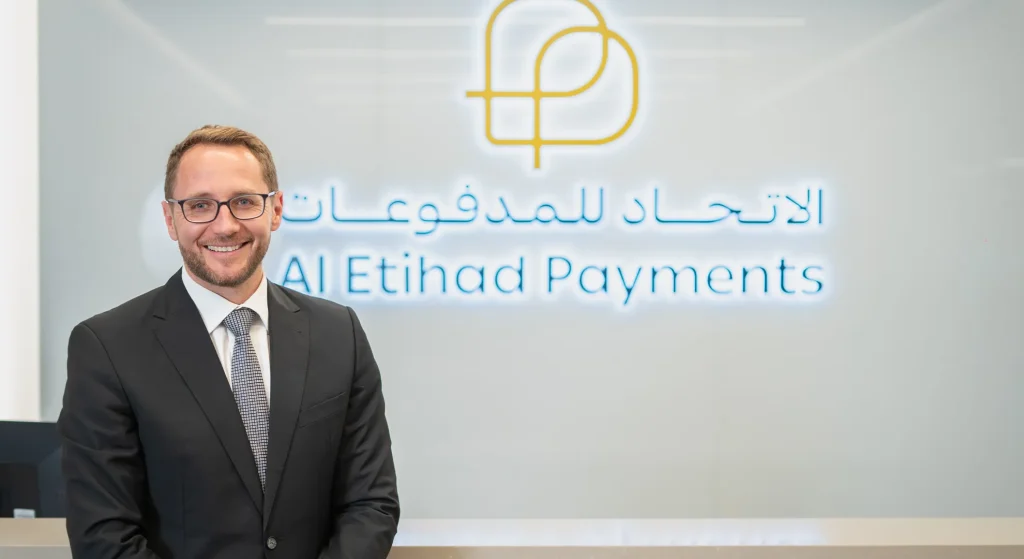
Etihad Payments has entered into a new partnership with UnionPay International aimed at expanding the international usability of the UAE’s Jaywan payment cards. The two organizations formalized the cooperation by signing a Memorandum of Understanding (MoU) on Tuesday, August 11. The agreement is designed to strengthen the global reach of Jaywan cards and provide cardholders with greater access to payment services when they travel outside the United Arab Emirates.
The latest development represents an important step in the UAE’s efforts to broaden the acceptance of its domestic payment infrastructure beyond the country’s borders. Through the collaboration with UnionPay International, Jaywan cardholders are expected to gain access to a much wider network of merchants and cash machines across international markets.
Under the new arrangement, Jaywan cards will be usable at more than 100 million points of sale around the world. In addition, cardholders will be able to access cash through approximately 1.8 million ATMs located across more than 183 countries. This expanded network could make Jaywan cards significantly more convenient for customers who travel internationally and need access to payment and cash withdrawal services.
The agreement also establishes a mechanism for processing Jaywan transactions carried out outside the UAE. As part of the MoU, UnionPay International will be responsible for routing transactions made through Jaywan cards abroad to the Emirates Electronic Switch. The electronic payment system is operated by Etihad Payments and serves as part of the infrastructure supporting the UAE’s domestic payment ecosystem.
In practical terms, the arrangement is intended to connect Jaywan’s domestic payment infrastructure with UnionPay’s extensive international acceptance network. This will enable transactions conducted by Jaywan cardholders outside the UAE to be transferred through the relevant payment infrastructure and processed through the Emirates Electronic Switch operated by Etihad Payments.
The partnership is therefore expected to provide Jaywan users with a broader international payment experience while maintaining a connection with the UAE’s own electronic payment infrastructure. Rather than limiting the use of Jaywan cards to the domestic market, the agreement creates a pathway for their acceptance across a substantially larger global network.
The expansion comes as digital payments and card-based transactions continue to play an increasingly important role in everyday financial activity. For customers, the ability to use a domestic payment card while traveling abroad can offer greater flexibility and convenience. The new arrangement with UnionPay is intended to make that experience possible for Jaywan users across a wide range of international destinations.
One of the most significant elements of the agreement is the size of the network that will become accessible to Jaywan cardholders. With acceptance at more than 100 million points of sale, customers will have the potential to use their cards across a broad range of participating merchants. The availability of 1.8 million ATMs in more than 183 countries will also provide users with access to cash withdrawal facilities in numerous locations outside the UAE.
The international expansion could be particularly relevant to UAE residents who frequently travel for business, tourism, education or other purposes. Having access to a familiar UAE-issued card across international markets can make payment arrangements more straightforward when customers are away from home.
At the infrastructure level, the agreement also highlights the role of Etihad Payments in supporting the development of the UAE’s payment ecosystem. By operating the Emirates Electronic Switch and facilitating the routing of Jaywan transactions conducted outside the country, Etihad Payments will remain involved in the processing pathway even when cardholders are making purchases or withdrawing cash internationally.
UnionPay International, meanwhile, brings its established international payment network to the partnership. Its role under the memorandum will involve handling the transfer of Jaywan transactions made outside the UAE to the Emirates Electronic Switch. This arrangement links UnionPay’s global network with the UAE’s domestic electronic payment infrastructure.
The MoU therefore serves as a framework for cooperation between the two organizations. It provides a structure through which Jaywan transactions originating outside the UAE can be routed through the appropriate systems. The agreement is focused on expanding the card’s usability while establishing the technical connection required to support international transactions.
For Jaywan cardholders, the most visible outcome of the partnership will be the ability to use their cards across a significantly broader geographic area. The availability of services in more than 183 countries means customers will have access to a large international network rather than being restricted to locations within the UAE.
The expansion of the Jaywan network also reflects the growing importance of international connectivity in modern payment systems. As consumers increasingly expect payment cards to work seamlessly across borders, domestic payment schemes need partnerships that allow them to connect with international networks. The agreement between Etihad Payments and UnionPay International provides such a connection for Jaywan.
The new partnership could also contribute to greater recognition of Jaywan as a UAE-based payment card system. By extending its acceptance to international markets, the initiative moves the card beyond its domestic role and gives it a wider presence among merchants and payment terminals around the world.
The agreement was signed on August 11, marking a new stage in the development of Jaywan’s international capabilities. The collaboration between Etihad Payments and UnionPay International demonstrates an effort to create greater interoperability between the UAE’s domestic payment infrastructure and an international payment network.
The routing of overseas transactions through the Emirates Electronic Switch is another important component of the arrangement. When Jaywan cardholders conduct transactions outside the UAE, UnionPay will facilitate the transfer of those transactions to the electronic switching system operated by Etihad Payments. This creates a defined pathway for international Jaywan transactions to connect with the UAE’s payment infrastructure.
The development is also expected to improve the practicality of Jaywan cards for people who regularly cross international borders. Instead of relying exclusively on other payment methods when traveling, customers will have the opportunity to use their Jaywan cards at participating locations across a wide range of countries.
With more than 100 million points of sale included in the international network and approximately 1.8 million ATMs available across more than 183 countries, the partnership significantly increases the potential reach of Jaywan. The scale of the network gives cardholders access to payment and cash withdrawal facilities in numerous destinations.
From a broader perspective, the agreement reinforces the UAE’s efforts to develop and strengthen its own payment infrastructure. The creation and expansion of Jaywan provides the country with a domestic card scheme, while partnerships such as the one with UnionPay help connect that system to international markets.
The cooperation also illustrates how domestic and international payment networks can work together to improve cross-border card usage. Jaywan provides the UAE-based payment infrastructure, while UnionPay offers the international network through which transactions made abroad can be supported. Etihad Payments, through the Emirates Electronic Switch, remains responsible for the relevant domestic electronic switching infrastructure.
For consumers, this technical arrangement translates into a more extensive acceptance network. A Jaywan cardholder traveling abroad can potentially use the card at participating merchants and ATMs in numerous countries. The expanded reach is intended to provide greater convenience and reduce the limitations traditionally associated with using a domestic card outside its home market.
The agreement could also strengthen the overall position of Jaywan within the UAE’s evolving digital payments landscape. As payment preferences continue to shift toward electronic and card-based transactions, expanding the number of places where a card can be used becomes increasingly important. International acceptance adds another dimension to Jaywan’s capabilities.
The partnership between Etihad Payments and UnionPay International consequently represents more than a simple expansion of card acceptance. It establishes a connection between Jaywan and a global payment network while providing a mechanism for overseas transactions to be routed back to the Emirates Electronic Switch.
The initiative is expected to give Jaywan users greater flexibility when conducting financial transactions abroad. Whether making purchases at participating points of sale or accessing cash through supported ATMs, customers will have access to a considerably larger network than would be possible through a domestic-only payment arrangement.
The agreement further demonstrates the importance of payment interoperability in an increasingly connected financial environment. Customers traveling internationally expect their payment instruments to remain useful beyond their home country. By linking Jaywan with UnionPay International, Etihad Payments is seeking to address that need and provide cardholders with broader international access.
Ultimately, the MoU signed between Etihad Payments and UnionPay International marks a significant development in the international expansion of Jaywan cards. The arrangement will enable Jaywan users to access a network spanning more than 183 countries, with more than 100 million points of sale and around 1.8 million ATMs.
At the same time, the agreement establishes UnionPay’s role in transferring Jaywan transactions carried out outside the UAE to the Emirates Electronic Switch operated by Etihad Payments. This connection is intended to support the smooth routing of international transactions while maintaining a link with the UAE’s domestic payment infrastructure.
The partnership therefore gives Jaywan a broader international footprint and provides its customers with additional options when using their cards outside the UAE. By combining Jaywan’s domestic payment infrastructure with UnionPay’s international network, the agreement creates a pathway for UAE-issued cards to become accessible across a much wider range of global locations.
The signing of the memorandum on August 11 marks another step in the development of Jaywan as a payment solution with international reach. For UAE customers, the expansion could bring greater convenience and flexibility when making payments or accessing cash while abroad. For Etihad Payments, the arrangement strengthens the connection between the UAE’s electronic payment infrastructure and an established international network.
With the new cooperation in place, Jaywan is positioned to extend its usability well beyond the UAE, giving cardholders access to a broad network of merchants and ATMs around the world. The initiative highlights the growing focus on cross-border payment connectivity and represents a notable move toward making the UAE’s domestic card system more accessible to customers internationally.
A separate Memorandum of Understanding will govern the settlement side of the partnership, covering a range of financial services required to support Jaywan transactions in international markets. The arrangement will include settlement capabilities, liquidity management and foreign exchange services, creating the financial framework needed to facilitate the card system’s expansion beyond the UAE.
By establishing these services alongside the international acceptance network, the agreement is intended to support the smooth handling of cross-border transactions and strengthen Jaywan’s ability to operate on a global scale.
The settlement framework is expected to play an important role as the use of Jaywan cards expands internationally. Cross-border card transactions require more than simply connecting customers with merchants and ATMs. They also depend on reliable systems for moving funds between participating institutions, managing liquidity and dealing with different currencies. The planned settlement arrangements are designed to address these requirements and provide the financial infrastructure needed to support international Jaywan activity.
The cooperation between Etihad Payments and UnionPay therefore extends beyond card acceptance. It also focuses on the underlying financial processes that allow international transactions to be completed efficiently. Through settlement and liquidity services, the two sides aim to create a stronger foundation for Jaywan’s participation in the global payments ecosystem.
Foreign exchange services will form another important part of the settlement arrangement. As Jaywan customers use their cards in countries with different currencies, international transactions require mechanisms for handling currency conversion. Including foreign exchange capabilities within the cooperation is intended to support the processing of transactions across multiple markets and currencies.
The arrangement was formally highlighted during a signing ceremony held at UnionPay International’s headquarters in Shanghai. Senior representatives from both organizations attended the event, underscoring the importance of the partnership and its role in expanding cooperation between the UAE and China in the financial and payments sectors.
Saif Humaid Al Dhaheri, Chairman of the Board of Directors of Etihad Payments, represented the UAE side at the ceremony. Dong Junfeng, Chairman of the Board of Directors of UnionPay China and UnionPay International, represented the UnionPay side. The two officials signed the Memorandum of Understanding, formally marking the agreement between the organizations.
The Shanghai ceremony provided an important setting for announcing the next phase of cooperation between Etihad Payments and UnionPay. The partnership brings together the UAE’s domestic payment infrastructure and UnionPay’s international payment capabilities, with the objective of increasing the reach and effectiveness of Jaywan.
The agreement is expected to enhance the international competitiveness of the UAE’s locally developed payment card system. By connecting Jaywan with international payment infrastructure and establishing arrangements for settlement, liquidity and foreign exchange, the partnership can provide greater operational flexibility for the domestic card scheme.
For a local payment network to compete effectively in international markets, it needs the ability to handle transactions across borders while maintaining efficient financial and operational processes. The cooperation with UnionPay is intended to help Jaywan meet those requirements by providing access to international payment infrastructure and supporting services.
The initiative could also improve the efficiency of settlement conducted in local currencies. Greater use of domestic currencies in financial settlement can help strengthen bilateral payment links and may contribute to more efficient cross-border financial activity. In the context of the UAE-China relationship, the arrangement could support broader economic and commercial connections between the two markets.
The cooperation is therefore not limited to the technical processing of card transactions. It also has a wider financial dimension, particularly in relation to settlement, currency management and liquidity. These components are essential to ensuring that international payment systems can function effectively across different markets.
The partnership may also contribute to stronger trade relations between the UAE and China. As businesses and consumers increasingly engage in cross-border economic activity, efficient payment infrastructure becomes an important part of supporting international commerce. Payment systems that can facilitate transactions across markets can help make financial interactions more convenient and accessible.
The latest agreement builds on an existing relationship between Etihad Payments and UnionPay. The two organizations have already been working together on the issuance of multi-system cards that combine Jaywan and UnionPay functionality. These cards are being issued by financial institutions operating in the UAE and are designed to serve customers for both domestic and international transactions.
The multi-system card model provides a clear distinction between domestic and overseas payment processing. When customers use their Jaywan-UnionPay cards for transactions within the UAE, those payments are processed through the Jaywan network. When the same cards are used internationally, transactions are handled through the UnionPay International network.
This structure allows customers to use a single card for different payment requirements while taking advantage of separate networks depending on where the transaction occurs. Domestic purchases remain connected to the UAE’s Jaywan infrastructure, while international purchases benefit from UnionPay’s broader global network.
The continuation of this partnership through the latest agreements represents a further development of that existing model. Rather than creating an entirely separate payment arrangement, the cooperation expands the capabilities surrounding Jaywan and strengthens its links with international payment infrastructure.
The settlement agreement is particularly relevant to this broader objective because international card transactions involve multiple financial institutions, currencies and payment systems. Establishing dedicated settlement and liquidity arrangements can help ensure that transactions are supported by the necessary financial mechanisms.
Liquidity is a key component of any payment system operating across borders. Financial institutions need access to sufficient funds and appropriate mechanisms to settle transactions in a timely manner. The inclusion of liquidity services in the proposed framework is therefore intended to provide additional operational support as Jaywan’s international transaction volumes grow.
Foreign exchange services are similarly important because Jaywan cardholders may make purchases in currencies other than the UAE dirham. A global card network needs to accommodate transactions involving multiple currencies, and the inclusion of foreign exchange arrangements provides a mechanism for supporting this requirement.
The cooperation could consequently give Jaywan greater flexibility as it expands into international markets. With settlement, liquidity and foreign exchange services incorporated into the partnership, the system can be better prepared to support the financial requirements associated with transactions conducted across borders.
The agreement also reflects a broader trend toward strengthening domestic payment networks through international partnerships. Local card schemes can provide countries with greater control over their domestic payment infrastructure, while international partnerships allow those systems to connect with global markets. Jaywan’s cooperation with UnionPay follows this model by combining a UAE-based payment system with an established international network.
For the UAE, strengthening Jaywan’s international capabilities could support the development of a more competitive domestic payment ecosystem. A locally developed card system with access to international markets can provide customers with additional payment options while also strengthening the country’s own financial infrastructure.
The arrangement may also provide financial institutions in the UAE with greater flexibility when offering payment cards to their customers. Through the multi-system Jaywan-UnionPay model, banks and other participating institutions can provide cards that support both domestic and international usage.
Customers using such cards can rely on the Jaywan network for transactions inside the UAE, while UnionPay’s international infrastructure supports transactions conducted abroad. This approach allows the two systems to operate alongside each other according to the location and nature of the transaction.
The partnership between Etihad Payments and UnionPay also demonstrates the growing importance of cooperation between payment networks. As consumers and businesses increasingly operate across borders, payment providers must be able to support transactions that move between different financial systems.
The agreements are intended to create a stronger connection between the UAE’s payment infrastructure and international markets. Through this connection, Jaywan can potentially expand its international presence while maintaining its role as the UAE’s domestic payment system.
The Shanghai signing ceremony also carries significance from a bilateral perspective. The participation of senior representatives from both Etihad Payments and UnionPay reflects the growing cooperation between the UAE and China in the financial services sector. Payment infrastructure can play an important role in supporting broader economic relationships by making cross-border transactions easier to conduct.
Improving settlement efficiency can be particularly valuable for trade between the two countries. Businesses engaged in international commerce need dependable payment channels, efficient settlement procedures and access to suitable currency services. The cooperation outlined in the memorandum is designed to support these requirements.
The use of local currencies in settlement is another notable aspect of the agreement. Greater efficiency in local-currency settlement can help strengthen financial links between the UAE and China while supporting trade and commercial activity. It can also contribute to the broader development of payment connectivity between the two markets.
The initiative therefore has implications beyond individual cardholders. While customers may benefit from improved international card usability, financial institutions, businesses and payment service providers could also gain from stronger links between the UAE and international payment infrastructure.
For Etihad Payments, the partnership supports its broader role in developing and operating payment infrastructure in the UAE. The organization’s involvement in the Jaywan system places it at the center of efforts to strengthen domestic payment capabilities and connect them with international networks.
For UnionPay, the cooperation provides another opportunity to expand its role in supporting international transactions involving UAE-issued payment cards. By working with Etihad Payments, UnionPay can help connect Jaywan users with its international network while contributing to the broader integration of the two payment ecosystems.
The existing multi-system card partnership provides a foundation for this expanded cooperation. Since UAE financial institutions are already able to issue Jaywan-UnionPay cards, the latest agreements can build on an established structure rather than starting from the beginning.
Under the existing arrangement, domestic transactions are directed through Jaywan, ensuring that payments made within the UAE use the country’s own payment infrastructure. International transactions, meanwhile, are handled through UnionPay International, giving cardholders access to a much wider network outside the UAE.
This dual-network approach is designed to combine the advantages of a domestic payment scheme with those of a global payment network. It allows Jaywan to retain its role in local payments while providing users with international functionality through UnionPay.
The new settlement arrangements add another layer to this cooperation by addressing the financial processes behind international transactions. Settlement, liquidity and foreign exchange services can help support the practical requirements of operating a card network across multiple countries and currencies.
As Jaywan expands its international presence, such infrastructure will become increasingly important. A payment card’s global reach depends not only on the number of merchants and ATMs that accept it but also on the systems that enable transactions to be authorized, routed, settled and reconciled between financial institutions.
The latest cooperation is intended to strengthen those underlying capabilities. By combining UnionPay’s international network with Etihad Payments’ domestic infrastructure and settlement arrangements, the partnership creates a broader framework for supporting Jaywan transactions.
The initiative could ultimately make the UAE’s domestic payment system more adaptable to international use. Increased operational flexibility can help the system respond to the requirements of different markets while maintaining its connection to the UAE’s own payment infrastructure.
The agreement also supports the broader goal of improving the efficiency of digital payments. As consumers increasingly prefer electronic payment methods, reliable infrastructure is essential to ensuring transactions can be completed smoothly, whether they occur domestically or internationally.
The partnership between Etihad Payments and UnionPay demonstrates how international collaboration can help domestic payment systems expand their capabilities. Through shared infrastructure, settlement arrangements and network connectivity, the two organizations are working toward a more integrated payment environment.
The signing in Shanghai marks another milestone in the relationship between the two organizations. With senior representatives from Etihad Payments and UnionPay International formally signing the memorandum, the cooperation provides a framework for further development of Jaywan’s international capabilities.
For UAE consumers, the expansion of Jaywan’s international functionality could provide greater choice and convenience. For financial institutions, it can create opportunities to offer locally developed cards with international capabilities. For businesses, stronger payment links can support commercial activity involving customers and partners in other countries.
More broadly, the initiative reinforces the UAE’s efforts to develop a modern and internationally connected financial infrastructure. A strong domestic payment system can provide benefits within the country, while international connectivity can extend those benefits to customers and businesses operating abroad.
The combination of Jaywan and UnionPay creates a model in which domestic and international payment networks work together rather than operating independently. UAE transactions can continue to use the Jaywan system, while overseas transactions can be supported by UnionPay’s international network.
The settlement component complements this arrangement by providing additional financial infrastructure for cross-border transactions. With services covering settlement, liquidity and foreign exchange, the cooperation is designed to address some of the key requirements associated with international payment processing.
The focus on local-currency settlement also adds a strategic dimension to the partnership. By supporting more efficient settlement using local currencies, the initiative could contribute to stronger financial connections between the UAE and China and help facilitate bilateral trade.
Overall, the new cooperation between Etihad Payments and UnionPay International represents an expansion of an already established relationship. It brings together card issuance, international acceptance, transaction processing and settlement capabilities under a broader framework designed to support Jaywan’s development beyond the UAE.
The existing Jaywan-UnionPay cards already provide customers with access to two payment networks depending on where they use their cards. Domestic transactions are handled by Jaywan, while international payments are processed through UnionPay International. The new arrangements are intended to strengthen the infrastructure supporting this model and improve its ability to operate at a larger international scale.
With international acceptance, settlement services, liquidity support and foreign exchange arrangements working together, Jaywan can build a stronger foundation for global expansion. The partnership also positions the UAE’s domestic payment system to participate more actively in the international payments landscape.
The agreement signed in Shanghai is therefore an important development for both organizations. It strengthens cooperation between the UAE and UnionPay, expands the potential reach of Jaywan and provides additional infrastructure to support cross-border financial activity. At the same time, it reinforces the role of locally developed payment technology in the UAE’s broader financial and economic strategy.
As international payments continue to become an essential part of modern commerce, partnerships between domestic and global payment networks are likely to remain important. The Etihad Payments-UnionPay cooperation illustrates how such partnerships can combine local infrastructure with international connectivity, creating a payment environment capable of serving consumers and businesses across borders.
For Jaywan, the latest agreements represent a move toward greater international integration. For UAE cardholders, the development could translate into increased convenience when using their cards outside the country. And for the wider UAE financial sector, the initiative strengthens the country’s links with international payment infrastructure while supporting the continued development of its domestic card system.