**Ras Al Khaimah’s hospitality industry is witnessing a major recruitment drive, with Wynn’s expanding operations creating strong demand for skilled professionals and opening numerous new employment opportunities.**
RAK’s Hospitality Industry Steps Up Recruitment as Wynn Resort Drives Demand for New Talent.
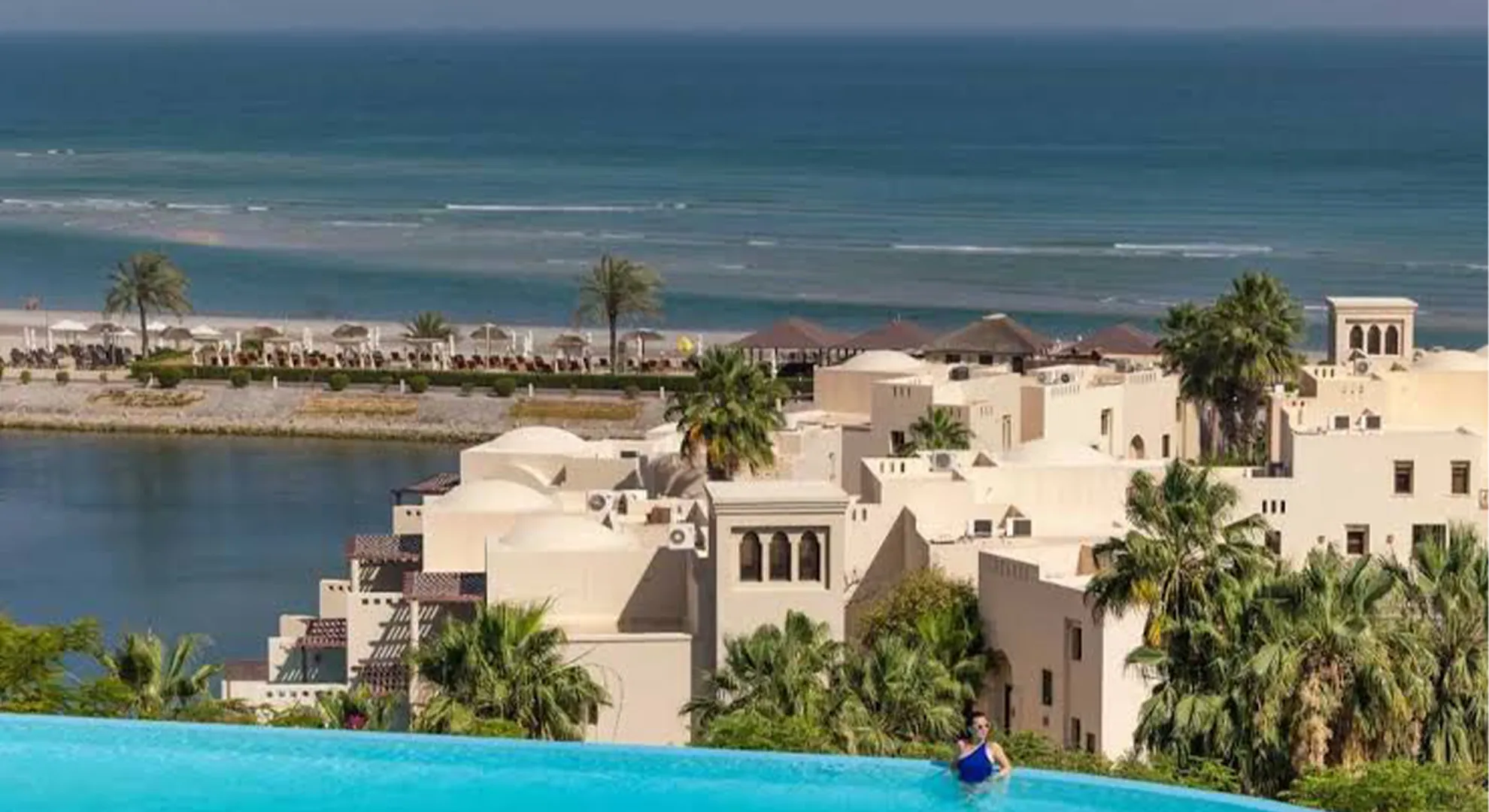
Recruitment experts note that Wynn’s aggressive hiring campaign is reshaping Ras Al Khaimah’s employment landscape, increasing demand for seasoned hospitality professionals as the emirate’s tourism industry continues to grow.
Wynn’s Recruitment Drive Reshapes Ras Al Khaimah’s Hospitality Job Market
Ras Al Khaimah’s hospitality industry is entering a period of increased recruitment activity as Wynn Al Marjan Island continues to build its workforce ahead of its planned opening. The resort is expanding its hiring efforts across a broad range of departments, creating new opportunities for professionals while also increasing competition among employers looking for experienced hospitality talent.
The latest figures from the resort’s careers platform indicate that 109 vacancies are currently available. The positions span several areas of the operation, including hotel services, food and beverage, gaming, engineering and facilities, as well as theatre and entertainment-related roles.
The breadth of the recruitment campaign reflects the scale of the resort and the variety of skills required to operate a large integrated hospitality and entertainment destination. Rather than concentrating recruitment in one particular department, Wynn is building teams across both guest-facing and operational functions.
The hiring programme comes as Ras Al Khaimah continues to strengthen its position as a tourism destination. With new hotels, attractions and hospitality projects being developed across the emirate, demand for qualified workers is expected to increase. Wynn’s arrival adds another major employer to an already expanding tourism ecosystem.
Wynn continues to expand its workforce
The growth of Wynn Al Marjan Island’s workforce has already been evident in recent months.
According to Wynn Resorts’ latest earnings presentation, the project added a net 57 employees during the second quarter of 2026. That increase brought the total number of employees working on the project to 425.
The current workforce is largely made up of senior executives, senior management personnel and employees working in general administrative roles. This indicates that the resort has been establishing its leadership and organisational structure well ahead of its eventual launch.
A number of senior figures responsible for key areas of the operation are already in place. Leadership teams have been established across both gaming and non-gaming divisions, helping the project move from its development phase towards the more detailed preparations required for opening and day-to-day operations.
As construction and operational planning progress, recruitment is expected to move beyond senior management and corporate positions. A much broader workforce will eventually be required to support hotel operations, restaurants, entertainment facilities, gaming areas, guest services, engineering and other functions.
That expansion could make Wynn one of the most significant new sources of employment within Ras Al Khaimah’s hospitality market.
Impact extends beyond the resort
The effect of Wynn’s recruitment programme is not expected to be limited to the resort itself.
Recruitment professionals operating in the emirate say the project is already influencing how hospitality workers view Ras Al Khaimah as a potential place to build their careers.
The arrival of a globally recognised luxury hospitality brand gives experienced professionals another reason to consider opportunities outside Dubai and Abu Dhabi. For candidates who previously concentrated their job searches on the UAE’s larger employment centres, Ras Al Khaimah is increasingly becoming part of the conversation.
Recruitment specialists say this shift could eventually create additional pressure on hotels and hospitality businesses across the emirate. As Wynn seeks experienced personnel, other employers may find themselves competing for the same pool of qualified candidates.
This could be particularly noticeable among workers with specialist knowledge in areas such as luxury hotel management, food and beverage operations, gaming, entertainment, guest relations and other highly skilled hospitality functions.
The competition could also encourage employers to review their recruitment strategies, compensation packages and career-development opportunities as they attempt to retain existing employees and attract new talent.
Candidates are increasingly considering RAK
Nicki Wilson, managing director at Genie Recruitment, said Wynn’s arrival was already changing the way potential candidates viewed Ras Al Khaimah.
According to Wilson, recruitment conversations are increasingly seeing candidates voluntarily express an interest in working in the emirate. Some candidates, she said, are mentioning Ras Al Khaimah as a potential destination before recruiters even raise the subject.
That change in attitude could be significant for the local employment market.
Historically, Dubai has dominated the UAE’s hospitality recruitment landscape, attracting professionals because of its large concentration of luxury hotels, restaurants, entertainment venues and international businesses.
Ras Al Khaimah, however, has been developing its own tourism identity and expanding its hospitality offering. The arrival of Wynn adds a high-profile international brand to that growth and could further improve the emirate’s appeal among workers looking for new career opportunities.
The fact that candidates are beginning to raise Ras Al Khaimah themselves suggests that perceptions of the emirate may be changing.
Rather than viewing the emirate simply as an alternative to Dubai, professionals may increasingly see it as a destination offering its own career opportunities and lifestyle advantages.
Quality of life could strengthen RAK’s appeal
Another factor that could influence recruitment is the difference in living costs between Ras Al Khaimah and Dubai.
Wilson pointed to the emirate’s relatively lower cost of living as one of the factors that could make it attractive to hospitality professionals. When combined with the opportunity to work for an internationally recognised luxury brand, Ras Al Khaimah could offer an appealing balance between career development and lifestyle.
For hospitality workers, the decision to relocate is often influenced by more than salary alone. Housing costs, commuting time, family considerations, workplace environment and opportunities for advancement can all play a role.
Ras Al Khaimah’s comparatively quieter environment may appeal to employees who want to work in the luxury hospitality industry without living in one of the UAE’s most densely developed urban centres.
The emirate’s growing tourism infrastructure could also provide professionals with a wider range of career paths over time.
A new source of career progression
Wynn’s presence may be particularly attractive to hospitality professionals who are looking to move into senior positions or gain experience with a major international operator.
Working for a large global hospitality brand can provide employees with exposure to international standards, complex operations and specialised areas of the industry.
For experienced professionals, the resort could therefore represent more than another job opening. It may provide an opportunity to take on larger responsibilities, develop specialist expertise or progress into management positions.
The resort’s recruitment needs are also expected to cover a wide range of skill levels. While senior executives and managers are already being appointed, the operation will eventually require large numbers of employees in guest services, culinary operations, housekeeping, technical services, entertainment and other areas.
This could create opportunities for both experienced industry professionals and workers looking to enter or advance within the hospitality sector.
Competition for skilled workers could intensify
The growing demand for employees could create challenges for existing hospitality operators in Ras Al Khaimah.
Hotels and restaurants already operating in the emirate may find themselves competing with Wynn for experienced workers. Employees with strong backgrounds in luxury hospitality, food and beverage management, entertainment or specialist operational roles are likely to attract particular attention.
As competition increases, employers may have to become more proactive about retaining their teams.
This could include offering clearer promotion pathways, improving training programmes, strengthening employee benefits and creating more attractive working conditions.
The competition could also have positive effects on the wider labour market. Greater demand for skilled workers can encourage employers to invest in training and development, while employees may gain more opportunities to progress and negotiate for roles that match their experience.
For Ras Al Khaimah, the arrival of another major international employer could therefore have an impact well beyond the number of jobs directly created by Wynn.
Tourism growth supports employment demand
The recruitment activity is taking place against the backdrop of broader growth in Ras Al Khaimah’s tourism industry.
The emirate has increasingly positioned itself as a destination for leisure travellers, luxury tourism and international visitors. As more accommodation, entertainment and tourism facilities become available, businesses require larger and more specialised teams to serve visitors.
Wynn’s development adds another major component to that ecosystem.
A large integrated resort requires employees across numerous disciplines, meaning its workforce needs are significantly broader than those of a conventional hotel.
The combination of hospitality, dining, entertainment, gaming and supporting infrastructure creates demand for professionals with different backgrounds and areas of expertise.
This diversity could help expand the emirate’s overall employment market and encourage more hospitality professionals to consider relocating to Ras Al Khaimah.
Recruitment could accelerate as opening approaches
With the resort’s opening still ahead, the current 109 vacancies may represent only part of the employment opportunities that will eventually emerge.
As the project moves closer to operations, recruitment is likely to become increasingly focused on the employees required for day-to-day guest services.
That could mean a significant expansion in hiring across operational departments.
The recruitment process may also bring new workers into the emirate from other parts of the UAE and from international hospitality markets.
For employers, this means the competition for talent could become more pronounced as Wynn moves closer to opening.
For jobseekers, however, the situation could create a wider selection of opportunities and potentially make Ras Al Khaimah a more attractive destination for hospitality careers.
A changing employment landscape
The influence of Wynn is already being felt before the resort begins welcoming guests.
The addition of 57 employees during the second quarter of 2026 and the current workforce of 425 demonstrate that the project is steadily building its organisational structure. At the same time, the 109 vacancies advertised across different departments show that recruitment is continuing to broaden.
The project’s impact is also being reflected in conversations between recruiters and candidates.
According to Wilson, more professionals are now showing an openness to working in Ras Al Khaimah without having to be encouraged to consider the emirate.
That change could become increasingly important as the local tourism sector expands.
Ras Al Khaimah is no longer competing only for tourists; it is also becoming part of the competition for skilled hospitality workers.
For experienced professionals, the combination of a growing tourism industry, new international employers, potential career progression and a different lifestyle from Dubai could make the emirate increasingly attractive.
For existing hospitality businesses, however, the same developments may mean a tougher battle to recruit and retain experienced staff.
Ultimately, Wynn’s recruitment campaign could have a lasting influence on the emirate’s employment landscape. The resort is creating direct positions while simultaneously raising the profile of Ras Al Khaimah as a destination for hospitality careers.
As the project progresses and more positions are filled, its influence on the local labour market is likely to become more visible.
The growing recruitment activity suggests that Ras Al Khaimah is entering a new phase in its hospitality development — one in which demand for skilled professionals is expected to rise alongside the emirate’s ambitions to expand its tourism industry.
Wynn Hiring Drive Set to Reshape Ras Al Khaimah’s Hospitality Workforce
Wynn’s expanding recruitment programme is expected to widen the talent pool available to Ras Al Khaimah’s hospitality industry, with the resort increasingly attracting professionals from across the UAE as well as overseas markets.
Recruitment specialists say the emirate is beginning to attract candidates who may previously have limited their job searches to Dubai or Abu Dhabi. The emergence of a major international luxury resort in Ras Al Khaimah is giving hospitality professionals another destination to consider when evaluating career opportunities.
Nicki Wilson, managing director at Genie Recruitment, said Wynn was likely to attract applicants from a much broader geographical area as its hiring programme gathers pace.
Professionals who once concentrated almost exclusively on Dubai and Abu Dhabi are becoming increasingly willing to explore positions elsewhere in the UAE, she noted. The change is being supported by the growing number of major tourism and hospitality developments taking shape in Ras Al Khaimah.
The shift could have a significant impact on the local employment market because Wynn will require a large workforce covering a wide range of operational and specialist functions.
Leadership and specialist roles remain in high demand
According to Wilson, some of the biggest recruitment requirements in the hospitality sector currently involve operational leadership and specialised positions.
Restaurant managers, hotel operations specialists, experienced chefs and employees who interact directly with guests are among the professionals attracting strong interest from employers.
The demand is particularly pronounced for chefs with expertise in particular cuisines. Candidates with backgrounds in fine dining, luxury hotels and premium hospitality environments are also highly sought after.
For employers preparing for the next stage of tourism expansion, technical experience is only one part of the recruitment equation.
Wilson said companies are increasingly looking for individuals who can lead teams, adapt to changing circumstances and demonstrate strong emotional intelligence. The ability to train colleagues and maintain consistently high standards of customer service is also becoming increasingly important.
These qualities are especially relevant in luxury hospitality, where guest expectations can be high and employees are often required to handle complex situations while maintaining a polished service experience.
As competition for experienced professionals increases, employers may therefore need to look beyond traditional qualifications when assessing potential hires.
Wynn’s influence extends beyond hotel jobs
Mahesh Shahdadpuri, group chairman of TASC Outsourcing, described Wynn’s recruitment programme as creating a broader “ripple effect” throughout Ras Al Khaimah’s employment market.
The impact of a resort of this scale is unlikely to be confined to hotel employees, he said. As visitor numbers increase, additional demand could emerge across a much wider network of businesses and services.
Food and beverage companies, retailers, facilities-management providers, transport operators and other support businesses could all benefit from the expansion of tourism activity.
A large resort does not operate independently from its surrounding economy. Increased visitor numbers can create demand for services that support both tourists and businesses, potentially leading to additional hiring beyond the resort itself.
Shahdadpuri said businesses across the emirate were preparing for higher tourist volumes and continued growth in the sector. Many employers are strengthening their teams in anticipation of increased competition and changing customer demand.
The areas where recruitment requirements remain particularly strong include hotel operations, food and beverage, housekeeping, engineering, finance, sales and marketing.
This broad range of requirements means that the employment impact of Wynn could extend well beyond traditional hospitality roles.
Opportunities for graduates and career changers
The growing demand for workers is also expected to create opportunities for people who do not have long-established careers in hospitality.
Shahdadpuri said graduates and professionals looking to move into a new industry could benefit from the expansion.
Workers coming from aviation, retail, customer service and luxury-service backgrounds may already possess skills that can be transferred into hospitality roles.
Communication, customer interaction, problem-solving and service management are particularly valuable in the hospitality sector. Employees who have experience dealing with customers in premium environments may be able to apply those skills even if they have not previously worked in a hotel.
This could broaden the pool of candidates available to employers and allow companies to recruit people with different professional backgrounds.
For graduates, the expanding hospitality sector could also provide an opportunity to enter the industry at an early stage and build experience as Ras Al Khaimah’s tourism infrastructure continues to develop.
Wynn moves towards operational recruitment
Aws Ismail, director at Marc Ellis Consulting & Training, said Wynn’s next phase of recruitment could be especially important because much of the senior leadership structure appears to have already been established.
The resort had 251 employees at the end of 2025, according to its annual report. By the latest figures cited, the company had added another 174 employees during 2026, bringing the workforce to 425.
Ismail said the earlier recruitment phase had focused largely on senior management and back-office functions. With much of that leadership structure now established, the resort can increasingly turn its attention towards the large operational workforce required to run the property.
He described the remaining recruitment requirement as significantly larger than the current workforce.
Wynn is targeting a workforce of approximately 3,000 employees by the end of 2026. Reaching that figure would require the company to recruit thousands of additional workers across a broad range of departments.
This transition from senior-level recruitment to large-scale operational hiring could have a much more visible effect on Ras Al Khaimah’s labour market.
Existing hotels could become an important source of talent
Ismail expects Wynn to recruit some of its employees from hotels and hospitality businesses that are already operating in Ras Al Khaimah.
Although international recruitment will remain important, he said it would not be realistic to fill the entire workforce by bringing employees from overseas.
Existing hospitality professionals in the emirate could therefore become an important part of Wynn’s recruitment strategy.
This creates both opportunities and challenges for established hotels.
For employees, Wynn could offer another route for career progression and access to a major international hospitality brand. For existing businesses, however, the competition could make retaining experienced employees more difficult.
Hotel operators may find themselves competing directly for managers, supervisors and skilled specialists who already understand the local market and require less training than newly recruited workers.
Food and beverage and hotel operations among key areas
As Wynn moves towards its operational phase, several departments are expected to require substantial numbers of employees.
Ismail identified food and beverage management, front-office operations, revenue management and engineering among the areas likely to remain important recruitment categories.
These functions are essential to the operation of a large integrated resort and require a combination of technical knowledge, management skills and customer-service expertise.
Food and beverage operations, for example, can require employees ranging from senior restaurant managers and chefs to service teams and specialist culinary professionals.
Front-office departments require staff capable of managing reservations, guest arrivals, customer enquiries and other aspects of the visitor experience.
Revenue-management teams are responsible for helping hospitality businesses optimise pricing and occupancy, while engineering departments are critical for maintaining the infrastructure and technical systems required to operate a large resort.
Together, these departments represent a substantial portion of the workforce required to operate a property of Wynn’s scale.
Gaming creates a unique recruitment challenge
One of the most unusual aspects of Wynn’s hiring programme is the requirement for gaming professionals.
Unlike traditional hotel departments, gaming represents a relatively new area for the UAE because the country has not historically had licensed casinos operating in the same manner as established gaming markets abroad.
Ismail pointed out that this creates a unique recruitment challenge.
There is no large domestic pool of workers with direct experience operating casino floors in the UAE. As a result, Wynn will have to look internationally for professionals with relevant gaming backgrounds for certain specialist and leadership positions.
International recruitment is therefore likely to play a particularly important role in the gaming division.
The resort may need employees who have previously worked in regulated gaming environments overseas and understand the operational requirements of casino facilities.
Local recruitment could still play an important role in gaming
Despite the need for international expertise, the absence of an established local gaming workforce could also create opportunities for people entering the industry for the first time.
Ismail said gaming would require extensive training because there is no existing pool of UAE-based employees with experience working on a casino floor.
That means employers may have an incentive to develop local talent from the beginning.
People without previous gaming experience could potentially be recruited and trained for appropriate positions, provided they meet the necessary requirements.
This could create a new category of career opportunities for UAE residents and other workers already living in the country.
The training process could also allow employees from hospitality, retail and customer-service backgrounds to transition into gaming-related roles, particularly where their existing skills in communication and customer interaction are transferable.
Recruitment competition could push up compensation
The rapid increase in hiring requirements could also influence wages and benefits across Ras Al Khaimah’s hospitality sector.
As several employers compete for the same pool of experienced professionals, businesses may need to make their employment packages more attractive.
Ismail expects compensation to become increasingly competitive, particularly for employees in the middle of the hospitality market.
However, he suggested that the strongest changes may not necessarily come through basic salaries.
Accommodation, family-related benefits and other incentives could become increasingly important as employers attempt to attract and retain staff.
This could be particularly relevant in the UAE, where housing and living arrangements can form a significant part of an employee’s decision when considering a new job.
If hospitality businesses are competing for the same experienced workers, employers may increasingly use accommodation packages, allowances, benefits and career-development opportunities to differentiate themselves.
Retention will become as important as recruitment
Hiring thousands of employees is only part of the challenge facing hospitality businesses.
Once workers have been recruited, employers must also find ways to retain them.
Wilson expects competition for hospitality professionals to become more intense over the next 12 to 18 months, particularly for managers and specialists with experience in luxury hospitality.
As demand increases, businesses may have to strengthen both their recruitment and retention strategies.
Competitive salaries and benefits can help attract candidates, but Wilson said employers should also focus on the experience employees have after joining the organisation.
Effective onboarding can help new employees adapt quickly to their roles. Leadership-development programmes can create clearer pathways for career progression, while employee-engagement initiatives can help companies build stronger relationships with their teams.
For hospitality businesses, retaining experienced employees can be particularly valuable because replacing trained workers can be costly and time-consuming.
Building a long-term talent pipeline
Shahdadpuri believes the bigger challenge for Ras Al Khaimah will be developing a sustainable supply of skilled workers as more tourism and lifestyle projects are launched.
The emirate’s hospitality industry is expanding at a time when other tourism destinations across the UAE are also competing for qualified professionals.
This means businesses cannot rely solely on recruiting experienced workers from competitors.
A long-term approach will require investment in training, graduate programmes, apprenticeships and career-development opportunities.
Companies may also need to identify workers from other industries whose skills can be adapted to hospitality.
This could help reduce the industry’s dependence on a limited pool of experienced hotel professionals.
Career progression could become a major differentiator
As employers compete for workers, career advancement may become just as important as salary.
Hospitality professionals often look for opportunities to move into management positions, gain international experience and develop specialist expertise.
Employers that can provide structured career paths may therefore have an advantage when attempting to retain employees.
Training programmes can also help companies develop their own future managers instead of relying entirely on external recruitment.
For new graduates and career changers, the availability of training could make hospitality a more attractive option.
A person entering the sector without extensive experience may be willing to accept an entry-level role if there is a clear pathway towards promotion.
Workplace culture and wellbeing gain importance
Employee expectations are also changing, according to recruitment specialists.
While salary remains important, professionals increasingly consider workplace culture, management quality, flexibility, wellbeing and the overall working environment when choosing employers.
For hospitality companies competing for talent, this means the employment proposition has to extend beyond financial compensation.
A strong workplace culture can help reduce staff turnover, while effective management can improve employee satisfaction and productivity.
Wellbeing initiatives may also become increasingly important as employers compete to position themselves as desirable workplaces.
Thousands of jobs could reshape the local market
Wynn’s workforce target of 3,000 employees by the end of 2026 provides an indication of the scale of the recruitment programme.
The resort is expected to remain a major source of hiring activity as it moves closer to opening and begins filling the operational positions required for day-to-day activities.
The recruitment campaign could have consequences throughout Ras Al Khaimah.
Existing hotels may need to strengthen retention strategies to prevent experienced workers from moving to new opportunities. Restaurants, retailers, transport companies and other businesses may also experience increased demand for employees as tourism numbers rise.
At the same time, graduates and career changers could benefit from a wider range of entry points into the hospitality industry.
A new phase for Ras Al Khaimah’s workforce
The scale of Wynn’s hiring programme marks a significant moment for Ras Al Khaimah’s employment landscape.
The initial recruitment phase focused heavily on building the leadership and administrative structure needed to establish the resort. The next stage is expected to involve much larger numbers of operational employees.
That shift could make the effect of Wynn’s arrival much more visible across the emirate.
From hotel managers and chefs to engineers, front-office employees, housekeeping staff, gaming professionals and customer-service workers, the resort will require people with a diverse range of skills.
Some positions are likely to be filled by experienced professionals from within the UAE, while others will require international recruitment because the necessary expertise is not yet widely available locally.
At the same time, the resort’s hiring programme could create opportunities for people who have never previously worked in hospitality, particularly graduates and professionals transferring from industries such as aviation, retail and customer service.
For existing hospitality operators, however, the arrival of a major international employer means competition for experienced employees is likely to intensify.
Employers may respond by increasing compensation, improving accommodation and family benefits, investing in training and offering clearer opportunities for promotion.
Over the longer term, Ras Al Khaimah’s hospitality sector may need to develop a broader talent pipeline to support the emirate’s tourism ambitions.
Wynn’s recruitment drive is therefore more than a single company’s hiring campaign. With thousands of positions expected to be filled, it has the potential to influence recruitment practices, employee mobility, salaries, benefits and career opportunities across the wider hospitality industry.
As Ras Al Khaimah continues to attract tourism and lifestyle developments, the competition for skilled workers is likely to become an increasingly important part of the emirate’s economic growth story.
With Wynn aiming to reach a workforce of 3,000 employees by the end of 2026, its hiring programme is set to remain one of the biggest forces shaping Ras Al Khaimah’s hospitality labour market as the emirate prepares for the next stage of its tourism expansion.