**As the new academic year approaches, families across the UAE are increasingly choosing affordable pre-owned desks, study tables, and storage furniture for their children’s learning spaces.**
UAE Parents Turn to Pre-Owned Furniture as Back-to-School Shopping Picks Take Shape.
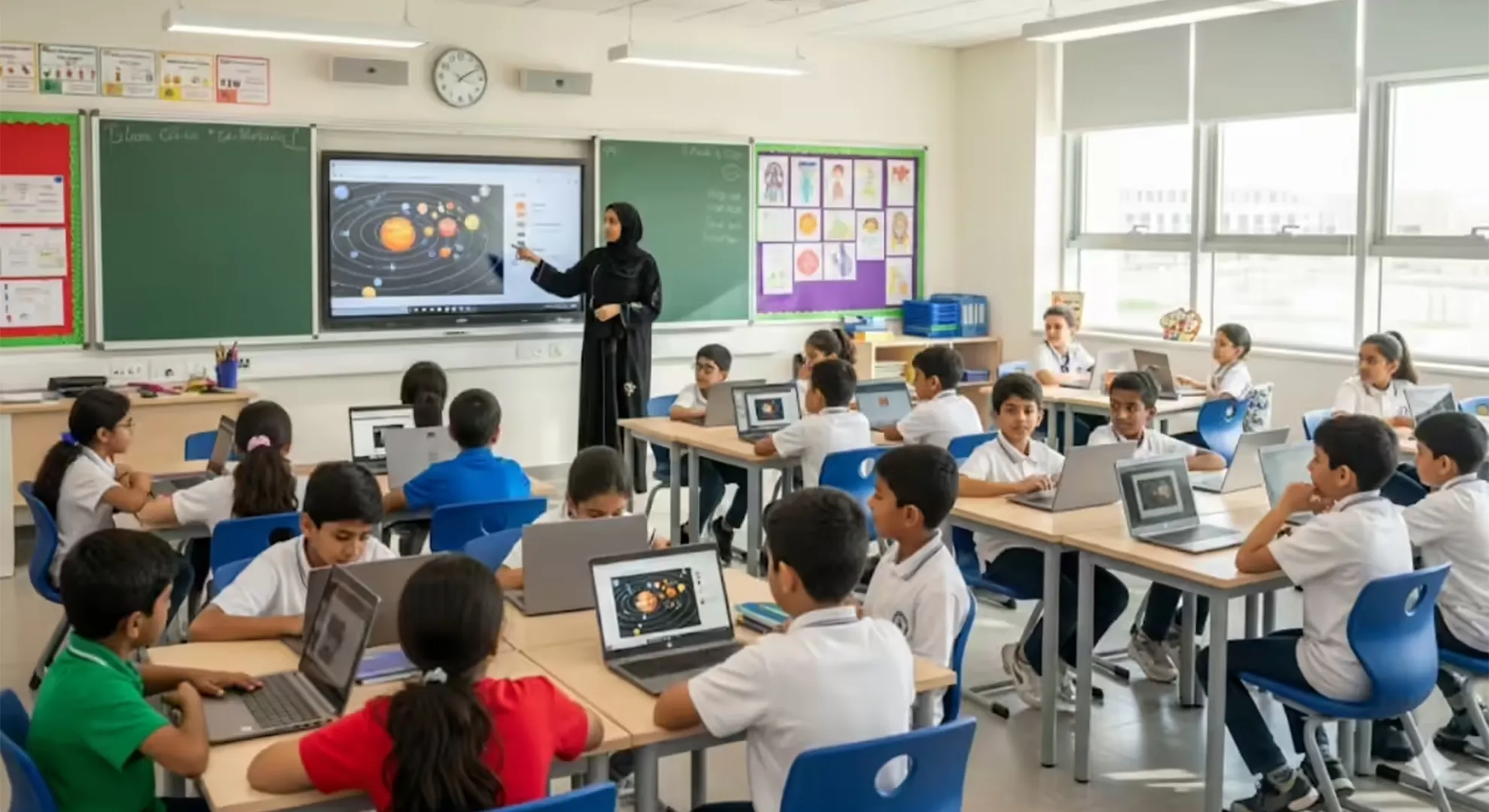
According to Dubizzle’s latest data, demand for versatile furniture is rising as UAE families increasingly choose compact solutions, including bunk beds featuring integrated study areas, to create practical spaces for children to learn and sleep.
UAE households are beginning their preparations for the upcoming school year well in advance, with parents paying increasing attention to what their children will need beyond the usual uniforms, bags and stationery. While getting the essentials ready remains a priority, families are also focusing on the home environment where children will spend time studying, completing assignments and preparing for exams.
Recent search activity on Dubizzle, the UAE’s online marketplace, points to a noticeable rise in interest in furniture designed for children’s study areas. Rather than purchasing every item new, a growing number of parents appear to be considering pre-owned furniture as a practical way to set up or upgrade a learning space without committing to the cost of brand-new pieces.
The trend highlights how back-to-school shopping is becoming broader than a traditional checklist of school supplies. For many families, preparing for the academic year now also involves creating a comfortable and functional corner at home where children can concentrate on their schoolwork.
Among the different types of furniture being searched for on Dubizzle, study tables are attracting particularly strong interest. They have become one of the leading categories as parents look for suitable surfaces where children can read, write, use laptops and complete homework. The strong demand suggests that having a designated place for schoolwork is becoming an increasingly important part of household back-to-school planning.
Parents are also exploring furniture that can make study areas more comfortable and organised. Ergonomic chairs are among the items attracting attention, reflecting an interest in seating that can provide better support during longer periods of reading or computer work. For families whose children spend considerable time at their desks, choosing an appropriate chair can be an important consideration when putting together a home learning setup.
Bookcases are another category generating significant interest. Storage can play an important role in keeping textbooks, notebooks, reference materials and other school-related items within easy reach. By adding shelves or book storage to a study area, families can create a more organised environment while making it easier for children to locate the materials they need.
There is also interest in ready-made table-and-chair combinations. These sets can offer parents a convenient option when they want to establish a study area without having to search for individual pieces that match in size or design. For households working with limited space, choosing a coordinated set can also make it easier to create a functional setup within an existing bedroom or living area.
The growing interest in these categories indicates that parents are thinking carefully about how their children will use their homes during the school year. A dedicated study area can provide children with a consistent location for completing homework, revising lessons and carrying out school projects. It can also help separate study time from other household activities, particularly in homes where space needs to serve multiple purposes.
The popularity of second-hand furniture adds another dimension to the trend. Pre-owned items can give families access to desks, chairs and storage units at potentially lower prices than comparable new products. This can be especially appealing during the back-to-school period, when household expenses may increase as parents purchase uniforms, school supplies, technology and other necessities.
For some families, buying used furniture may also provide greater flexibility. Children grow quickly, and their requirements can change as they move through different stages of school. A desk or chair that suits a younger child may eventually need to be replaced with something larger or more suitable for a teenager. Choosing pre-owned furniture can therefore be a practical option for parents who do not want to make a major investment in every stage of their child’s education.
The search trends also point to a broader shift in the way families approach learning at home. The home study environment has become an important consideration for parents who want their children to have a space that supports concentration and regular study habits. Rather than treating a desk as simply another household item, families are increasingly viewing study furniture as part of their children’s educational setup.
This approach can be particularly relevant in households where children regularly use computers and other digital devices for schoolwork. A suitable desk provides space for books and notebooks while also accommodating laptops, monitors or other equipment. Having dedicated storage nearby can further reduce clutter and help children keep their school materials organised.
For families living in apartments or smaller homes, however, finding the right furniture can present a challenge. Large desks and traditional study units may take up more room than parents are willing or able to allocate. This helps explain the appeal of practical furniture that combines multiple functions or makes efficient use of limited floor space.
Compact desks, integrated storage and furniture designed for smaller rooms can allow parents to create useful study areas without significantly changing the layout of their homes. In some cases, families may also consider furniture that can serve different purposes as children’s needs change throughout the day.
The growing popularity of multifunctional furniture reflects this demand for flexibility. Pieces that combine sleeping, studying and storage functions can be particularly useful in shared bedrooms or homes where every square metre matters. Bunk beds with built-in desks, for example, can provide children with both a sleeping area and a designated place to study while using the same footprint more efficiently.
For parents preparing for the new academic year, these options can make the process of creating a study environment more manageable. Instead of dedicating separate areas for every activity, multifunctional furniture allows several needs to be accommodated within one carefully planned space.
Dubizzle’s search activity therefore offers an indication of how UAE parents are approaching the back-to-school season differently. The focus is no longer limited to purchasing the items children carry to school. Increasingly, families are also considering the furniture and surroundings that will support children once they return home.
The strong interest in study tables is particularly significant in this context. A desk can become the central element around which an entire study area is organised. Once a suitable table is selected, parents can add a supportive chair, shelves for books and other storage solutions to complete the setup.
Ergonomic seating can also become an important part of the equation. Children may spend extended periods sitting while completing assignments, reading or using a computer, making comfort and posture considerations relevant when selecting furniture. Parents searching for ergonomic chairs are therefore looking beyond appearance and focusing on how furniture functions during everyday study.
Bookcases and shelving units can similarly contribute to a more structured environment. Instead of leaving textbooks, notebooks and stationery scattered around a room, dedicated storage can give each item a place. This can help children keep their work area tidy and potentially make it easier to develop organised study routines.
Table-and-chair sets, meanwhile, can appeal to parents looking for simplicity. Rather than comparing different furniture pieces separately, a matching set provides a ready-to-use solution. This may be especially useful for families preparing multiple children for the new school year or for those setting up a study area for the first time.
The interest in second-hand options also demonstrates that affordability remains an important consideration for UAE households. Back-to-school expenses can quickly add up, particularly for families with more than one school-going child. Choosing pre-owned furniture may allow parents to redirect some of their budget towards other educational requirements while still providing children with a dedicated study environment.
At the same time, purchasing used furniture can offer access to a wider range of products. Parents may find different sizes, styles and configurations that are no longer readily available in conventional retail stores. This can make online marketplaces an attractive destination for families looking for furniture that fits a specific room or meets particular requirements.
The trend also suggests that parents are becoming more intentional about the relationship between home design and children’s daily routines. A well-planned study corner can provide a clear visual and physical separation between leisure and schoolwork. Even when space is limited, a small desk positioned in a quiet part of a bedroom or living area can create a consistent location for academic activities.
As the new school year draws closer, this type of preparation is likely to remain an important consideration for many households. Parents are not simply buying products; they are planning how their homes will function once school resumes. That includes thinking about where children will study, how their books and supplies will be stored and what type of furniture will remain practical as they grow.
The popularity of second-hand furniture adds a cost-conscious element to this planning process. Rather than automatically choosing new products, families can compare pre-owned options and select pieces that meet their requirements at a potentially more accessible price. This can be particularly useful when parents need to furnish a complete study area rather than purchase a single item.
Overall, the latest search trends on Dubizzle indicate that study furniture is becoming an increasingly visible part of the UAE’s back-to-school shopping landscape. Study tables are leading interest, while ergonomic chairs, bookcases and combined table-and-chair sets are also attracting searches.
Taken together, these categories show that parents are placing greater emphasis on creating practical spaces where children can study comfortably and stay organised. The rise in interest in pre-owned furniture also points to a growing preference for solutions that balance functionality with affordability.
With families preparing for the academic year ahead, the traditional back-to-school checklist is therefore expanding. Alongside uniforms, stationery and school supplies, parents are increasingly considering the home study environment itself. From a simple desk and chair to a complete multifunctional setup, the aim is to create a space that can support children’s learning throughout the school year while making sensible use of household budgets and available space.
For UAE families, the approach reflects a practical combination of education, organisation and value. As children prepare to return to classrooms, their homes are also being prepared for another year of homework, revision, projects and study. The growing demand for second-hand and space-efficient furniture suggests that parents are looking for ways to make that transition both comfortable and cost-effective.

Searches for study furniture
The latest search figures offer a useful snapshot of how UAE households are approaching the back-to-school period and where parents are directing their attention as the new academic year approaches. Rather than focusing exclusively on conventional school supplies, families appear to be placing greater importance on the spaces where children will study once they return from school.
One of the most notable movements in search activity was recorded for study table and chair combinations. Searches for these items climbed by an impressive 1,450 per cent compared with the previous month, making them the category with the strongest increase during the period. The dramatic rise suggests that parents are actively looking for practical furniture solutions that can help establish dedicated learning areas at home.
The surge in interest in table-and-chair arrangements also reflects the changing expectations around home study environments. For many families, having a suitable place for children to sit, read, write and complete assignments is becoming an important part of preparing for the school year. A dedicated setup can provide children with a consistent area for schoolwork while helping parents organise books, stationery and other educational materials.
Bookcases also recorded a substantial increase in searches. Interest in these storage units rose by 248 per cent month-on-month, indicating that families are looking beyond the desk itself and considering how to keep study areas organised. With schoolchildren often accumulating textbooks, notebooks, folders and other learning materials, accessible storage can be an important part of creating a functional study corner.
The rise in demand for bookcases may also reflect a broader interest in making children’s learning spaces more structured. Shelving can allow books and supplies to be kept within easy reach while reducing clutter around the study area. For parents preparing a room or dedicated corner for the academic year, storage furniture can therefore serve both a practical and organisational purpose.
The search trends further highlight an increasing preference for furniture that can perform more than one function. This is particularly relevant for households where available space is limited and parents need to make the most of bedrooms and other areas of the home.
Multifunctional furniture, including bunk beds fitted with integrated study desks, is attracting attention from families seeking ways to combine different requirements within a single piece of furniture. Such designs can provide children with a sleeping area as well as a dedicated workspace, helping households make more efficient use of limited floor space.
For families living in apartments or homes with shared bedrooms, this type of furniture can offer a practical alternative to purchasing separate beds, desks and storage units. Instead of allocating large sections of a room to individual pieces, multifunctional designs can bring several functions together in one compact arrangement.
The growing interest in these solutions indicates that parents are considering not only what furniture they need, but also how effectively each item can fit into the home. Space efficiency has become an important factor for households that want to create comfortable learning environments without sacrificing too much room for other daily activities.
The trend toward multifunctional furniture also corresponds with children’s changing routines during the school year. A bedroom or shared living space may need to accommodate sleeping, studying, reading, storage and leisure activities. Furniture capable of supporting several of these functions can give families greater flexibility as their children’s needs evolve.
At the same time, affordability remains an important consideration as families prepare for the costs associated with returning to school. In addition to furniture, parents may need to budget for uniforms, books, stationery, bags, technology and other school-related necessities. As a result, many households are exploring ways to reduce expenditure without compromising on the quality or usefulness of the products they purchase.
This is where pre-owned furniture is becoming increasingly relevant. Online marketplaces can give families an opportunity to find previously owned desks, chairs, tables and storage units that may still be suitable for everyday use. Buying second-hand can potentially reduce the financial burden associated with furnishing a study area, particularly when several pieces are needed.
The search data also highlights interest in furniture available at no cost. Searches for free study tables increased by 163 per cent compared with the previous month. The rise points to a growing willingness among consumers to consider alternatives to conventional retail purchases when preparing their homes for the new school year.
The increased interest in free study furniture may also demonstrate how families are becoming more conscious of the value that can be found within the circular economy. Instead of automatically purchasing new products, consumers can explore items that other households no longer require but that may still have considerable practical value.
Circular shopping provides a way for products to remain in use for longer rather than being discarded when their original owners no longer need them. For families looking to manage household spending, this approach can offer a practical opportunity to acquire useful furniture while potentially reducing unnecessary waste.
The trend is particularly relevant to children’s furniture because requirements can change quickly. As children grow, parents may find that desks, chairs or other furniture pieces are no longer the right size or configuration. A product that has become unsuitable for one family may nevertheless meet the needs of another household.
This creates an opportunity for pre-owned furniture to move between homes and continue serving a useful purpose. For buyers, it can mean access to affordable options, while sellers can find new users for items that might otherwise remain unused.
The latest search figures therefore suggest that UAE families are approaching back-to-school preparation from several different angles. They are looking for dedicated study furniture, considering storage solutions, exploring designs that save space and increasingly showing interest in pre-owned or free alternatives.
The sharp rise in searches for study table and chair combinations is particularly significant because it indicates strong demand for complete learning setups. Rather than simply adding a desk to an existing room, parents appear to be considering the overall experience of the child using the space.
Comfort is an important part of that equation. Children can spend significant amounts of time reading, writing, completing homework and using digital devices. A suitable table paired with an appropriate chair can help create a more practical environment for these activities.
Storage is another central consideration. As the volume of school materials grows, families need ways to keep books and supplies organised. The 248 per cent increase in searches for bookcases suggests that parents are increasingly thinking about storage as part of their children’s study arrangements rather than treating it as a separate household requirement.
The figures also demonstrate that back-to-school shopping habits are evolving. The traditional approach has often centred on purchasing items that children take with them to school. However, the latest trends suggest that parents are also preparing the home for the demands of the academic year.
This could include creating a dedicated study corner, improving existing furniture, adding storage or replacing pieces that are no longer suitable. For households with limited space, it may also involve searching for furniture that combines several functions.
Bunk beds with integrated desks are one example of how families can approach these challenges creatively. By incorporating a study area beneath or alongside the sleeping space, such designs can make a child’s room more versatile without requiring additional floor space for a separate desk.
Such furniture may be especially useful when siblings share a bedroom. Instead of trying to fit multiple large pieces into one room, parents can explore configurations that combine sleeping, studying and storage functions. This can make the available space easier to manage while giving each child a defined area for their activities.
The interest in these products also reflects a wider preference for practical purchasing decisions. Parents are increasingly evaluating furniture based on how well it meets everyday needs, rather than focusing solely on appearance or novelty.
Value for money is another factor likely to influence these decisions. With multiple back-to-school expenses arriving at the same time, families may be looking for products that offer long-term usefulness. A durable desk, adaptable chair or multifunctional bed can potentially remain useful as children progress through different stages of school.
Pre-owned shopping can add another layer of value. Families may be able to find well-maintained furniture at a lower cost than buying equivalent products new. This can allow them to create a more complete study environment while keeping a closer eye on their overall back-to-school budget.
The growing interest in free study tables takes this idea even further. Rather than viewing second-hand shopping purely as a way to find cheaper products, consumers can increasingly see it as a method of extending the useful life of household goods.
This type of circular consumption can benefit both sides of the transaction. Families receiving the furniture gain access to something they need, while the original owners have an opportunity to pass on items they no longer use. At the same time, keeping products in circulation can help reduce the number of usable items that end up being discarded.
Matt Gregory, Senior Director of Strategy at dubizzle, said the changing search behaviour reflects a broader evolution in the way families prepare for the academic year.
According to Gregory, back-to-school preparation is no longer limited to conventional school supplies. Parents are increasingly planning their purchases around the wider needs of their children, including the home environments in which they will complete their schoolwork.
He noted that families are preparing earlier and taking a more considered approach to the new academic year. This includes creating comfortable and functional study areas at home, exploring furniture that supports children’s learning routines and considering pre-owned products as an alternative to buying everything new.
The shift towards second-hand and circular shopping is also becoming part of this broader approach. For families, purchasing pre-owned items can provide an opportunity to control spending while still finding products that meet their requirements.
Gregory also pointed to the longer-term value of keeping quality products in circulation. When a useful item is passed from one household to another, its lifespan can be extended rather than ending when the first owner has finished using it.
This approach can be particularly relevant to furniture, which can remain functional for years despite changes in ownership. A study desk that is no longer needed by an older child, for example, may still be perfectly suitable for a younger student.
The increasing interest in these options suggests that UAE consumers are becoming more receptive to the idea that buying for the new school year does not necessarily mean buying everything brand new. Instead, families can combine new purchases with pre-owned, free or multifunctional products according to their individual requirements.
The search figures provide a clear indication of this changing mindset. A 1,450 per cent increase in searches for study table and chair combinations demonstrates the strength of demand for dedicated learning furniture. The 248 per cent rise in interest in bookcases shows that storage is also becoming a priority, while the 163 per cent increase in searches for free study tables highlights the growing appeal of cost-conscious and circular options.
Together, these figures paint a picture of families preparing for school in a more comprehensive way. Parents are thinking about where children will study, how their belongings will be organised, how much space furniture will occupy and how purchases will affect household budgets.
The trend also shows how practical considerations are influencing furniture choices. Instead of selecting products solely for their appearance, families are looking at comfort, storage, adaptability and space efficiency. These factors can be particularly important in urban households where available space is limited.
As the new academic year approaches, the home is increasingly becoming an extension of the school environment. Children need somewhere to complete assignments, revise lessons, read books and use educational technology. Creating an appropriate space for these activities can therefore form an important part of a family’s preparation.
For some households, that may mean purchasing a dedicated desk and chair. For others, it could involve adding a bookcase or choosing a multifunctional bunk bed with an integrated workspace. Families working with tighter budgets may turn to pre-owned or free furniture to achieve the same goal at a lower cost.
Ultimately, the latest Dubizzle search trends suggest that UAE parents are taking a broader and more practical approach to back-to-school preparation. The emphasis is shifting from simply purchasing school essentials to creating an environment that can support children throughout the academic year.
The combination of rising demand for study furniture, interest in space-saving designs and increased searches for pre-owned and free items points to a purchasing landscape shaped by practicality, affordability and sustainability. As families prepare their children for another year of learning, they are also finding new ways to make their homes more comfortable, organised and suitable for study.
For parents, the approach can provide greater flexibility when managing back-to-school costs. For children, it can mean having a dedicated and better-organised place to focus on their schoolwork. And from a circular economy perspective, greater demand for pre-owned furniture can help keep useful products in circulation for longer.
The numbers, therefore, tell more than a story about individual furniture categories. They reflect a wider change in household priorities, with UAE families increasingly considering the complete learning environment rather than focusing only on what children need to take with them when they return to school.
School bags and textbooks
School bags continue to feature prominently in the back-to-school shopping plans of families across the UAE. As parents and students prepare for the new academic year, everyday backpacks remain among the products attracting the greatest attention on the marketplace. At the same time, search activity indicates that shoppers are not limiting their choices to basic or budget-friendly options, with branded and premium backpacks also drawing increasing interest.
Data from Dubizzle shows that demand for higher-end school bags is gaining momentum. Searches for TUMI backpacks rose by almost 65 per cent compared with the previous month, indicating a noticeable increase in interest in the premium travel and lifestyle brand as families prepare for the school season.
Louis Vuitton backpacks are also appearing among the premium products receiving strong attention from shoppers on the platform. The interest in luxury school bags suggests that some UAE consumers are willing to explore branded options when looking for accessories that can be used during the academic year.
The marketplace is also seeing sellers list other high-end products that could appeal to shoppers preparing for school. Among the items appearing on the platform are original Dior notebooks and Gucci backpacks, giving consumers the opportunity to consider pre-owned or resale options across a range of well-known brands.
This activity demonstrates that back-to-school shopping in the UAE extends beyond conventional school supplies. While affordability remains an important consideration for many families, there is also demand for branded products and premium accessories. The availability of such items through a resale marketplace gives shoppers an additional route when looking for specific brands or products.
For parents, school bags remain one of the most practical purchases ahead of the academic year. Children typically carry books, notebooks, stationery, lunch boxes and other items throughout the school day, making the choice of backpack an important part of their preparations.
The growing interest in premium backpacks may also reflect the wider role that branded accessories play in consumer purchasing decisions. Rather than automatically purchasing new products from retail stores, some shoppers are exploring marketplaces where they can find branded items that are already in circulation.
This creates a wider range of possibilities for families with different budgets and preferences. A parent looking for an everyday backpack can consider a standard used option, while another shopper may search specifically for a premium brand. The same marketplace can therefore serve different purchasing needs during the busy back-to-school period.
School-related shopping is also extending beyond bags and furniture. Textbooks are among the categories receiving significant attention as families look for ways to reduce the cost of preparing for the new school year.
Textbooks can represent a substantial expense, particularly when students require several books for different subjects. Buying pre-owned copies provides families with an alternative to purchasing brand-new editions, provided the books meet their educational requirements and are compatible with the relevant curriculum.
For students and parents, the second-hand market can make it easier to search for books that are no longer needed by another household but may still be useful for the next student. This creates an opportunity for educational materials to remain in use for longer rather than being stored away or discarded after a school year ends.
The interest in textbooks also reflects the wider appeal of recommerce during seasonal shopping periods. When families are preparing for predictable annual expenses, finding ways to manage costs becomes particularly important. Resale platforms can offer an alternative channel where consumers can search for items at different price points.
Notebooks and other school materials are also appearing in the marketplace activity surrounding the new academic year. Sellers are listing unused notebooks alongside other products, giving shoppers an opportunity to find stationery that has not previously been used.
Interestingly, listings can include a mix of traditional school supplies and technology-related products. Some sellers are offering laptops as well as unused notebooks, reflecting the increasingly diverse range of items that students may require for their education.
The presence of laptops alongside notebooks highlights how school preparation has changed over time. Students may now rely on a combination of physical materials and digital devices for lessons, research, assignments and other academic activities.
For families, this means that preparing for school can involve a broad collection of purchases. Alongside uniforms, stationery and textbooks, parents may also need to consider furniture, storage, computers and other equipment. The resale market can provide another avenue for finding some of these items without necessarily purchasing them new.
The growing use of recommerce is therefore not limited to a single category. Consumers are applying the same approach across furniture, books, bags, stationery and technology, depending on what they need and what is available.
This behaviour points to a broader change in the way UAE residents approach purchasing decisions. Instead of viewing second-hand products simply as cheaper substitutes for new goods, more consumers appear to be recognising the practical advantages of buying items that already exist and can continue to serve a purpose.
Recommerce allows products to move from one owner to another while retaining their usefulness. For families preparing for back-to-school season, this can provide a way to control spending while still obtaining items that meet everyday needs.
The financial advantage can be particularly relevant at the start of the academic year, when multiple expenses arrive at the same time. Families may need to purchase several school uniforms, books, bags, stationery items and other essentials. If furniture or technology is also required, the total cost can become significant.
Pre-owned purchasing can help families approach these expenses more strategically. Rather than replacing every item with a new product, parents can compare available second-hand options and determine where buying used makes sense.
School bags provide a clear example of the range of choices available. A family searching for a basic backpack can explore everyday options, while shoppers interested in premium brands can look for products such as TUMI or Louis Vuitton. The availability of different categories allows consumers to make decisions based on their individual priorities.
The nearly 65 per cent month-on-month increase in searches for TUMI backpacks is particularly notable because it shows that interest in premium products can grow even within a marketplace strongly associated with second-hand shopping.
The presence of luxury products such as Dior notebooks and Gucci backpacks among seller listings further demonstrates the breadth of inventory available through recommerce platforms. Such listings can attract shoppers who are interested in particular brands but may prefer to explore resale options before purchasing new.
For sellers, the back-to-school season can also create an opportunity to give unused or lightly used products a new home. Items that children have outgrown, products that were purchased but never used or accessories that are no longer needed can potentially be offered to other families preparing for the academic year.
This process can reduce the amount of usable goods that remain idle in households. Instead of being stored indefinitely, unwanted school-related items can be passed to someone who needs them.
Textbooks are especially well suited to this model because their usefulness often extends beyond a single student. Depending on curriculum requirements and edition changes, a book that has served one student may still be valuable to another.
By buying and selling used textbooks, families can participate in a cycle where educational resources continue to be used rather than being discarded prematurely. This can have both financial and environmental advantages.
The same principle applies to furniture. A desk, chair or bookcase that is no longer suitable for one child may still be perfectly functional for another. Through resale platforms, these items can continue to serve their original purpose for a new household.
This creates a connection between affordability and sustainability. Families can potentially spend less while also contributing to a system that keeps products in circulation for longer.
The growing interest in recommerce during the back-to-school period therefore reflects more than a desire to find bargains. It suggests that consumers are becoming increasingly comfortable with the idea of extending the life of products through resale and reuse.
For many households, value is now being considered in a broader sense. The price of an item matters, but so do its usefulness, durability and potential to serve another owner after the original buyer has finished with it.
This mindset can be particularly relevant for children’s products because their needs can change quickly. A backpack, desk, textbook or laptop may no longer be required by one child but can remain useful to another student.
The back-to-school season creates a natural point at which these items can change hands. Families that are clearing out old school supplies can list them, while those preparing for the new academic year can search for affordable alternatives.
The marketplace activity also illustrates how online platforms are making this process more accessible. Instead of relying solely on traditional retail stores or informal exchanges, consumers can browse listings across multiple categories and compare available options.
For parents, this can make it easier to search for specific products or brands. For sellers, it provides a way to reach consumers actively looking for school-related goods.
The combination of increased search activity for premium backpacks, continued interest in everyday school bags and strong browsing of textbooks shows that UAE consumers have varied priorities during the back-to-school period.
Some shoppers are primarily focused on keeping expenses low, while others are searching for particular brands or higher-end products. Others may be looking for used textbooks, notebooks or technology that can meet their children’s educational needs without requiring a full-price purchase.
These different motivations can coexist within the same recommerce ecosystem. A marketplace can simultaneously cater to families seeking budget-friendly essentials and consumers interested in premium products.
The trend also highlights the evolving meaning of back-to-school shopping. What was once largely associated with visiting retail stores for new uniforms, stationery and bags is increasingly becoming a more flexible process that includes online searches, resale platforms and pre-owned goods.
For UAE residents, this shift can provide greater choice at a time when household spending typically increases. Parents can decide which items need to be purchased new and where second-hand alternatives may be suitable.
The environmental dimension is another important part of this movement. When products are reused, their useful lifespan can be extended, reducing the need for every household to purchase a newly manufactured replacement.
Keeping furniture, books, bags and other school essentials in circulation can therefore help reduce waste. Instead of an item becoming unwanted simply because its first owner has finished using it, it can continue to provide value elsewhere.
This approach aligns with the broader principles of a circular economy, where products and materials remain in use for as long as possible. Recommerce is one way consumers can participate in that model through everyday purchasing decisions.
For families, the immediate benefit may be financial. However, the longer-term impact can include a reduction in unnecessary disposal and a more efficient use of existing products.
The current back-to-school trends on Dubizzle suggest that this way of shopping is gaining relevance among UAE consumers. From study furniture and textbooks to backpacks and notebooks, a growing range of school-related products is being considered through the lens of resale and reuse.
The increase in searches for TUMI backpacks, along with the presence of Louis Vuitton, Dior and Gucci products, also shows that recommerce is not necessarily limited to basic or low-cost goods. Premium and luxury products can also form part of the second-hand shopping experience.
Ultimately, the latest activity indicates that UAE families are approaching the new academic year with a combination of practicality, choice and cost awareness. Some are searching for affordable textbooks and used furniture, while others are exploring premium accessories and branded school bags.
At the same time, the ability to buy and sell pre-owned goods gives products another opportunity to remain useful. Families can reduce their expenditure where possible, while sellers can pass on items that are no longer needed.
As back-to-school preparations gather pace, recommerce is emerging as a practical part of the shopping journey. Whether the purchase is a school bag, textbook, notebook, desk or another educational essential, consumers increasingly have the option of choosing products that are already in circulation.
That shift can benefit individual households while also contributing to a broader culture of reuse. By extending the life of products and reducing reliance on constant replacement, UAE consumers are finding a way to combine affordability with more sustainable purchasing habits.
The back-to-school season is therefore becoming not only a period of increased spending, but also an opportunity for families to make more considered choices. Through pre-owned purchases, resale and reuse, parents and students can prepare for the academic year while making their budgets stretch further and helping useful products remain in circulation for longer.