A deadly strike in Kuwait claimed the life of a worker after a building linked to a Chinese company was targeted, marking a new escalation in regional hostilities.
Kuwait Incident: Worker Killed After Strike Targets Building Operated by Chinese Company.
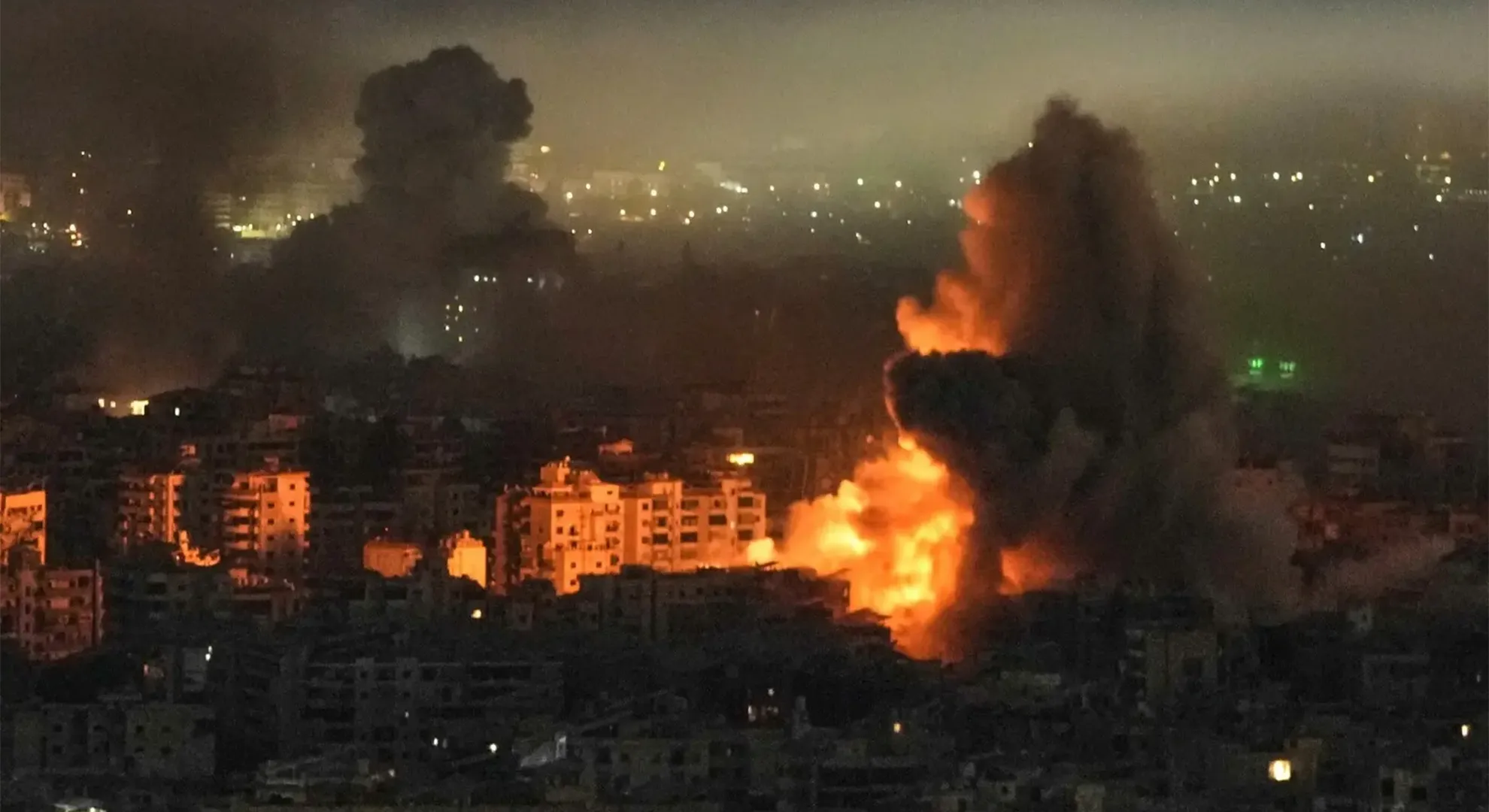
The strike, which occurred in the northern part of the country, caused extensive damage to the structure and resulted in major property losses.
Worker Dies in Kuwait Following Strike on Chinese Company Facility as Authorities Respond to Incident
A worker was killed in Kuwait after an attack linked to Iranian forces struck a building belonging to a Chinese company, according to an announcement from the country’s military on Thursday, July 30.
The incident occurred at a facility located in northern Kuwait, where the strike caused considerable damage to the structure and resulted in the death of one worker. The Ministry of Defence confirmed that the attack had affected the building and led to significant material losses.
Authorities said immediate action was taken following the incident, with relevant agencies moving quickly to assess the situation, manage the aftermath, and coordinate the necessary response measures.
The Ministry of Defence stated that government bodies worked together to address the consequences of the attack and ensure that appropriate steps were taken following the damage caused to the facility.
The strike marks a serious security incident for Kuwait, occurring amid heightened tensions in the region. Officials have continued to monitor developments closely while responding to the impact of the attack.
Emergency teams and relevant authorities were involved in handling the situation after the strike, focusing on assessing the extent of the damage and addressing the immediate consequences of the incident.
The targeted building, associated with a Chinese company, sustained substantial damage as a result of the attack. The loss of a worker’s life added a human cost to the incident, further increasing concerns surrounding the escalation of regional hostilities.
Kuwaiti authorities have emphasised the importance of maintaining security and stability while dealing with incidents that affect civilian facilities and individuals. The response efforts involved coordination between different government departments to manage the situation effectively.
The Ministry of Defence’s statement confirmed that officials had begun the necessary procedures immediately after the attack. These measures were aimed at evaluating the impact of the strike, supporting those affected, and ensuring that the situation was brought under control.
The incident highlights the wider security challenges facing the region amid rising tensions and increased concerns over attacks affecting infrastructure and civilian areas.
Authorities continue to assess developments and remain engaged with relevant bodies to address the aftermath of the attack. The government has reiterated the importance of responding swiftly to incidents that threaten safety and security.
The attack on the Chinese company-linked building represents a significant event for Kuwait, particularly due to the damage caused to a commercial facility and the loss of life. Officials have stressed that protecting residents, workers, and infrastructure remains a priority.
As investigations and response efforts continue, authorities are expected to provide further updates regarding the incident and any additional measures taken following the strike.
The event has drawn attention to the potential impact of regional conflicts on neighbouring countries and international businesses operating in the area. Facilities connected to global companies can face increased risks during periods of heightened instability.
Kuwait has maintained that necessary steps will continue to be taken to safeguard security and address any threats affecting the country. Government agencies remain involved in monitoring the situation and ensuring appropriate action is taken.
The latest incident adds to growing concerns about the consequences of escalating tensions in the region, where military developments can have direct effects on communities, businesses, and individuals.
Officials have called for continued coordination among relevant authorities to manage the situation and protect national interests while addressing the immediate impact of the attack.
The response following the strike reflects Kuwait’s efforts to handle security incidents through organised coordination and rapid action. Authorities remain focused on supporting affected individuals and assessing the broader implications of the incident.
Regional Tensions Intensify as New Strikes Expand Conflict Across the Middle East
The Armed Forces reaffirmed their commitment to taking all required steps to safeguard the nation’s sovereignty, protect its territory, and maintain security and stability amid rising regional tensions.
In a statement, military officials stressed that protecting the country’s interests and ensuring the safety of its people remain a priority. The announcement came as developments in the wider region showed signs of further escalation, with military actions involving several countries increasing concerns over the potential expansion of the conflict.
Following a temporary halt in its campaign of air operations against Iran, the United States launched additional strikes on Wednesday, July 30. The renewed attacks added another layer of complexity to a conflict that had already continued for five months and was spreading beyond its original areas of confrontation.
The latest developments indicated that the impact of the conflict was no longer limited to the main areas of fighting. Countries across the region faced growing security concerns as attacks and counter-attacks affected locations beyond the immediate front lines.
The escalation raised fears that more nations could become involved as military activity expanded across strategic areas of the Middle East. Governments in the region continued monitoring developments closely as the situation became increasingly unpredictable.
Earlier, a drone strike targeted a US-owned gas storage tanker at Egypt’s Mediterranean port of Damietta, according to an initial assessment by British maritime security company Ambrey. The incident highlighted the wider risks facing commercial and energy-related infrastructure amid the growing instability.
The attack on the vessel added to concerns about the vulnerability of important maritime and energy facilities during periods of heightened conflict. Ports and shipping routes across the region have remained closely watched due to their importance to international trade and energy supplies.
At the same time, US and Saudi forces carried out operations against Iran-linked groups in eastern Iraq, while Iran launched missile attacks targeting US military personnel stationed in Jordan. These developments demonstrated the increasing number of locations affected by the wider confrontation.
The involvement of multiple countries and armed groups has contributed to a more complex security environment, with each new incident increasing concerns about further retaliation and escalation.
The latest military actions came after Iran-aligned Houthi forces in Yemen announced a naval blockade targeting Saudi Arabia. The declaration added another potential flashpoint to an already tense regional situation.
The involvement of groups aligned with Iran has increased concerns among regional governments, particularly as attacks and threats have expanded beyond traditional conflict zones. Officials have warned that continued escalation could have broader consequences for security, trade, and regional stability.
Military and government authorities across the region have continued assessing the situation while preparing responses to possible threats. The focus remains on protecting national sovereignty, securing critical infrastructure, and preventing further disruption.
The conflict’s expansion has also raised concerns among international observers about the possibility of additional countries becoming drawn into the confrontation. With multiple actors involved, efforts to contain the situation have become increasingly challenging.
Energy facilities, shipping routes, and military positions have emerged as key areas affected by the ongoing tensions. Any further attacks on these targets could have wider implications for regional economies and international security.
Officials have repeatedly emphasised the importance of maintaining readiness and taking necessary defensive measures. Governments across the region continue to coordinate with partners while monitoring developments closely.
The evolving situation reflects the increasingly interconnected nature of security challenges in the Middle East. Actions taken in one location can quickly influence events elsewhere, increasing the risk of wider instability.
As military operations continue, regional and international leaders remain focused on managing the consequences of the conflict and preventing further escalation. However, the involvement of additional actors has made the situation more difficult to contain.
The latest developments underline the fragile security environment facing several countries in the region. With tensions continuing to rise, authorities remain committed to protecting their territories and responding to any threats that emerge.
The coming days are expected to remain closely monitored as governments assess further developments and determine their next steps in response to the changing security landscape.