**Dubai Metro Blue Line Moves Forward as Dragon Mart Station Advances Following Completion of 1.2km Underground Tunnel Work**
Dubai Metro Blue Line Progress: Dragon Mart Station Takes Shape After 1.2km Tunnel Completion.
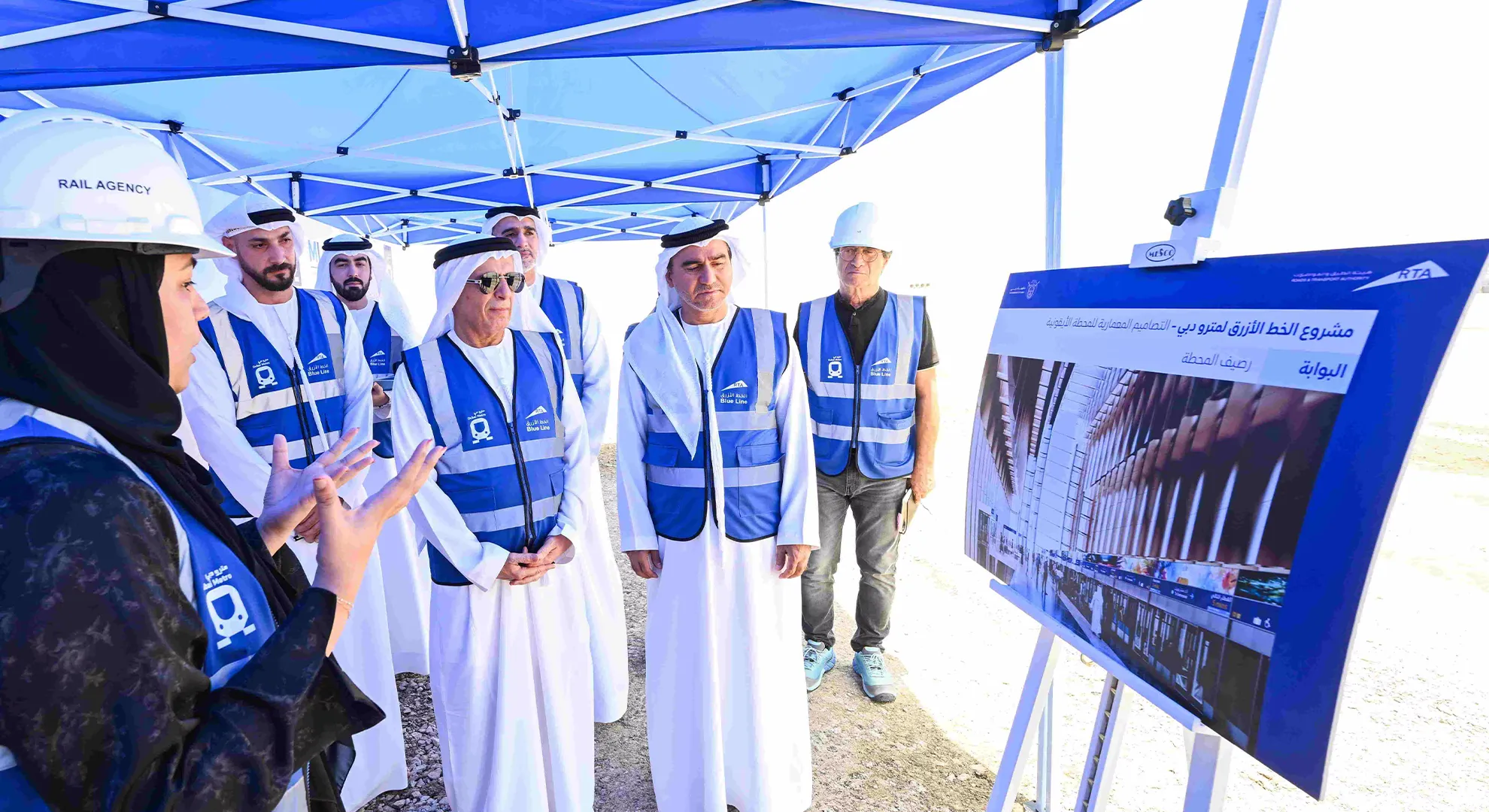
INSIDER 18 got an exclusive look inside the underground station, where large teams of workers were busy progressing with construction activities across multiple levels.
More than 20 metres beneath the surface near Dragon Mart, one of the most important stations planned for Dubai Metro’s upcoming Blue Line is steadily moving from construction plans into reality. The underground facility is beginning to reveal its structure as major works continue, bringing the city closer to the completion of its latest public transport expansion project.
Significant progress has already been achieved at the station site, with reinforced concrete walls now in place and key structural elements taking shape. A major breakthrough was also recorded when the first tunnel reached the station area, marking an important stage in connecting different sections of the future Metro route.
Adding to the project’s momentum, a massive tunnel boring machine (TBM) successfully completed its first underground journey, covering a distance of 1.2 kilometres. The completion of this initial tunnelling section represents a major engineering achievement and highlights the scale of work involved in developing the new Metro line.
The milestone is considered a crucial step in the construction of Dubai Metro’s Blue Line, which is set to become the city’s newest rail route and further expand the existing transportation network. Once operational, the line is expected to improve connectivity between several key residential, commercial, and cultural areas across Dubai.
During a recent media tour of the construction site, project representatives provided an update on the progress made so far and offered an early glimpse of the underground station before it welcomes passengers. The visit allowed journalists to see the scale of the work being carried out beneath the city and understand the complex engineering involved in building the new station.
Inside the underground structure, activity was ongoing across multiple levels, with hundreds of workers involved in different stages of construction. Teams were working on structural development, technical installations, and other essential tasks required to prepare the station for future operations.
The underground environment reflected the complexity of building a modern Metro station below a busy urban area. Workers and engineers are carefully coordinating various activities to ensure the project meets safety, quality, and operational standards.
One of the key highlights of the visit was the arrival of the tunnel boring machine at the station after successfully completing its first tunnelling phase. The enormous machine, designed specifically for underground excavation, plays a vital role in creating the tunnels required for the Blue Line network.
Engineers explained that the completion of this first 1.2-kilometre section is only the beginning of a much larger tunnelling operation. The TBM will continue its journey as excavation work progresses towards Al Warqa, extending the underground route and connecting more parts of the future Metro line.
The use of advanced tunnelling technology allows construction teams to build underground infrastructure efficiently while minimising disruption to areas above ground. These machines are capable of cutting through different soil conditions while creating tunnels that will eventually accommodate Metro tracks and related systems.
The Dragon Mart station is expected to become one of the major stops on the Blue Line due to its location and its role in improving access to one of Dubai’s popular commercial and residential areas. The station’s development forms part of a wider effort to enhance public transportation options and support the city’s long-term growth.
The Dubai Metro Blue Line project is designed to strengthen links between existing Metro routes and provide improved mobility for residents, workers, and visitors. The new line will introduce additional connections across Dubai, helping passengers travel more conveniently between different neighbourhoods.
As construction continues, teams are working through several phases, including tunnel excavation, station development, installation of railway systems, and preparation of passenger facilities. Each stage requires detailed planning and coordination between engineers, construction specialists, and transport authorities.
The progress at Dragon Mart reflects the wider advancement of the Blue Line project, which represents another major investment in Dubai’s transportation infrastructure. The development is expected to support the city’s growing population, encourage greater use of public transport, and contribute to more sustainable urban mobility.
With underground structures taking shape and tunnelling operations moving forward, the Dragon Mart station is gradually becoming a key part of Dubai’s future transport network. Although passengers will have to wait until the line’s official opening, the latest construction milestones provide an indication of the scale and progress of the project.
As work continues beneath the city, engineers and construction teams remain focused on completing the station and connecting the Blue Line’s various sections. The successful completion of the first tunnel journey marks an important achievement and brings Dubai one step closer to expanding its world-class Metro system.
What the station looks like today
The Dragon Mart Metro station remains a highly active construction zone, with teams of workers continuing various activities to transform the underground site into a fully operational transport facility. Work is progressing across several sections of the station, where crews are focused on excavation, structural reinforcement, and the installation of key elements required for the completion of the project.
As construction advances, the scale of the future station is becoming increasingly visible. Large sections of concrete walls and supporting columns have already been completed, providing a clearer picture of the station’s eventual layout and design. These major structural components represent important stages in the development process, creating the foundation for the platforms, passenger areas, and operational spaces that will serve future Metro users.
Inside the site, workers are carrying out detailed construction tasks at different levels of the underground facility. Each area of the station requires careful planning and coordination, as teams work simultaneously on structural development, reinforcement activities, and preparation for future installations.
Steel reinforcement frameworks can be seen throughout various parts of the station, forming an essential part of the construction process. These steel structures help strengthen the concrete framework and ensure the station can meet the engineering requirements needed for a major underground transportation facility.
Heavy machinery and construction equipment remain a common sight at the site as crews continue moving materials, supporting excavation work, and completing ongoing building activities. Cranes are being used to transport equipment and supplies, while specialised machinery assists workers with different phases of construction.
Although the station is still in the middle of development and several stages of work remain before completion, the progress achieved so far highlights the significant transformation taking place beneath Dragon Mart. The emerging structure offers an early view of how the station will eventually look once construction is finished and the Metro line becomes operational.
The Dragon Mart station, also known as the China Market station, is planned to become one of the key stops on Dubai Metro’s Blue Line. With a planned built-up area of approximately 39,480 square metres, the station is expected to feature extensive facilities designed to accommodate passengers and support smooth daily operations.
The size of the station reflects the importance of its location and its expected role within the wider Metro network. Dragon Mart is one of Dubai’s well-known commercial destinations, attracting large numbers of visitors, shoppers, and workers throughout the year. The new station is expected to improve accessibility to the area and provide a convenient public transport connection for surrounding communities.
Currently, around 580 workers are involved in construction activities at the site, contributing to different aspects of the project’s development. Engineers, technicians, labour teams, and specialists are working together to complete the station according to the required safety and quality standards.
The workforce is managing multiple tasks at the same time, including underground construction, structural preparation, and site coordination. Building an underground Metro station requires precise execution, as every component must be carefully planned and installed to ensure long-term reliability and passenger safety.
The ongoing work at Dragon Mart highlights the complexity and scale of Dubai’s Metro expansion plans. Developing underground infrastructure involves advanced engineering techniques, detailed construction schedules, and close monitoring at every stage of the project.
As the station continues to progress, more features will gradually be added, including passenger facilities, technical systems, railway equipment, and finishing elements. Once completed, the station will become an important part of the Blue Line, helping connect more areas of Dubai through the city’s growing public transport network.
The development of Dragon Mart station is part of Dubai’s broader efforts to expand sustainable transportation options and improve mobility across the emirate. The Blue Line is expected to enhance connections between residential districts, business areas, and major attractions, offering residents and visitors another efficient way to travel.
For now, the station remains a hub of construction activity, with workers continuing their efforts below ground to bring the project closer to completion. While passengers will have to wait until the official opening, the visible progress at the site shows how the future Metro station is gradually taking shape.
With its large footprint, strategic location, and hundreds of workers involved in its construction, the Dragon Mart station represents another major step in the development of Dubai’s next-generation transport infrastructure.
First tunnel reaches the station
Tunnel Boring Machine Marks Major Milestone in Dubai Metro Blue Line Construction
One of the key moments during the site visit was the opportunity to see the massive tunnel boring machine (TBM) responsible for creating a major section of Dubai Metro’s Blue Line underground route. The advanced machine has successfully completed its first 1.2-kilometre tunnelling operation and reached the Dragon Mart station area, marking an important achievement in the development of the new Metro line.
The arrival of the TBM at the station represents a significant step forward in the construction process. The machine has already completed a challenging underground journey, creating the first section of tunnel that will eventually become part of the railway network connecting different areas of Dubai.
During the visit, the front section of the machine, known as the cutterhead, was visible inside the station structure. This large rotating component is responsible for cutting through the ground and creating the underground pathway required for the Metro tracks. The cutterhead’s arrival demonstrated the progress achieved by the construction teams and highlighted the scale of engineering involved in building the Blue Line.
Behind the cutterhead, the remaining sections of the tunnel boring machine extend deep into the completed tunnel. The full length of the TBM stretches approximately 160 metres, showing the enormous size of the equipment being used for the underground excavation work.
The machine is designed to perform multiple tasks simultaneously, making it one of the most important pieces of technology involved in the project. While it moves forward beneath the city, it excavates soil, creates the tunnel passage, and supports the installation of the tunnel structure behind it.
Project officials explained that the TBM will continue its underground route after reaching Dragon Mart station. The next stage of its journey will take the machine towards Al Warqa, where it will begin excavating the following section of the Blue Line tunnel.
The continued movement of the TBM is part of a wider construction plan aimed at completing the underground sections of Dubai’s newest Metro route. Each completed tunnel section brings the project closer to becoming an operational transport link that will improve connections across the emirate.
Once completed, the tunnel created by the TBM will accommodate two Metro tracks, allowing trains to operate in both directions. This design will support efficient passenger movement and enable smooth two-way services when the Blue Line begins operations.
The construction of underground railway tunnels requires advanced technology, careful planning, and continuous monitoring. The use of tunnel boring machines helps reduce disruption at the surface while allowing large-scale infrastructure projects to progress beneath busy urban areas.
Around-the-Clock Operations Drive Tunnel Progress
The tunnel boring machine working on the Dubai Metro Blue Line operates almost continuously to maintain progress on the project. The equipment runs 24 hours a day, allowing excavation work to continue throughout the week.
The only scheduled break takes place on Sundays, when the machine undergoes planned maintenance. These regular checks are essential to ensure that the TBM continues operating safely and efficiently during its underground operations.
On a typical working day, the machine is capable of moving forward between 13 and 17 metres, depending on ground conditions and construction requirements. This steady progress allows engineers and workers to maintain the planned timeline while ensuring that each section of the tunnel is completed according to strict standards.
At its highest performance level, the TBM has managed to excavate as much as 30 metres in a single day. Such achievements demonstrate the capability of the technology and the efficiency of the teams managing the complex tunnelling process.
However, tunnelling is not simply a matter of digging through the ground. Behind the excavation process, engineers must carefully construct the tunnel structure to ensure durability and safety. As the TBM advances, it installs prefabricated concrete segments that form the permanent lining of the tunnel.
These concrete sections are placed immediately after excavation, creating a stable and secure passage as the machine moves forward. This method allows tunnel construction to progress continuously instead of requiring separate excavation and structural installation phases.
The TBM’s ability to excavate and build the tunnel lining at the same time significantly improves efficiency. It also helps maintain accuracy, ensuring that the finished tunnel meets the precise requirements needed for Metro operations.
The underground construction process involves coordination between machinery operators, engineers, technical specialists, and support teams. Every movement of the TBM is carefully monitored to ensure it follows the planned route and maintains the required alignment.
The progress achieved so far reflects the scale of Dubai’s investment in expanding its public transport network. The Blue Line is expected to become an important addition to the existing Metro system, providing improved connectivity between communities and key destinations across the city.
The successful completion of the first 1.2-kilometre tunnel section is one of several milestones expected as construction continues. With the TBM now moving towards Al Warqa, further underground progress will help shape the future route of the Metro line.
Once the project is completed, passengers will benefit from a modern rail connection designed to make travel across Dubai easier, faster, and more convenient. The tunnels being built today will form the foundation of a transport system expected to serve thousands of commuters in the years ahead.
For now, the tunnel boring machine remains at the centre of the construction effort, steadily creating the underground pathways that will eventually carry Metro trains across the city. Its progress represents not only a major engineering achievement but also a visible sign of Dubai’s continued commitment to developing world-class infrastructure.
Work progressing at nearby stations
Blue Line Construction Advances Across Multiple Stations
Work on Dubai Metro’s upcoming Blue Line is continuing at several locations at the same time, with large teams of workers involved in building the stations and supporting infrastructure required for the new route. While Dragon Mart has recently attracted attention due to major tunnelling progress, construction activities are also moving forward at other important stations along the line.
At International City 1, around 900 workers are currently engaged in various construction activities, contributing to the development of one of the key stations planned for the Blue Line network. Teams at the site are involved in structural work, excavation, and other essential tasks needed to prepare the station for future operations.
Another major construction effort is taking place at International City 2, where approximately 600 workers are currently deployed. These teams are working on different stages of the station’s development, ensuring that progress continues in line with the wider project schedule.
When combined with the workforce operating at Dragon Mart station, where around 580 workers are currently carrying out construction activities, the total number of people involved across these three station sites reaches approximately 2,080. The scale of the workforce highlights the size and complexity of the Blue Line project, which requires thousands of skilled workers, engineers, and specialists to bring the new Metro route to life.
Construction teams at all three locations are working simultaneously, with different sections of the project advancing in parallel. This coordinated approach allows multiple parts of the Blue Line to progress at the same time, helping move the overall development closer to completion.
The work involves a wide range of activities, including underground construction, station preparation, structural development, and installation of supporting systems. Each site presents its own engineering challenges, requiring careful planning and coordination to ensure that construction meets the required safety and quality standards.
The International City stations are expected to play an important role in improving connectivity for residents and visitors in surrounding communities. Once completed, these stations will become part of the expanded Metro network, providing passengers with easier access to different areas of Dubai.
Progress Beneath Dragon Mart Signals Major Milestone
Although passengers will need to wait until the official launch of the Blue Line before they can use the new service, construction has already reached a significant stage beneath Dragon Mart.
One of the most important achievements so far is the completion of the first underground tunnelling section connecting the route to the Dragon Mart station area. The arrival of the tunnel boring machine at the station marked a major breakthrough and demonstrated the progress being made below ground.
At the same time, construction of the station’s main structure is continuing, with workers focusing on developing the different components needed for a fully functioning Metro facility. The station is gradually taking shape as teams complete structural work and prepare the site for future installations.
The tunnel boring machine, which played a key role in creating the first section of underground track route, is now preparing to continue its journey towards Al Warqa. Its next phase of excavation will help extend the Blue Line’s underground network and connect additional sections of the route.
The progress at Dragon Mart represents a major step forward for the overall project. Building a Metro line beneath an active urban environment requires advanced technology, detailed planning, and continuous coordination between construction teams and engineers.
For the thousands of residents and visitors who travel through Dragon Mart every day, much of the construction activity remains out of sight. The majority of the work is taking place beneath the surface, away from the busy shopping destination above.
However, underground, a major transformation is underway. Beneath one of Dubai’s busiest commercial areas, workers and engineers are creating the infrastructure that will support the city’s next generation of public transportation.
The future Metro station is expected to provide a convenient transport option for people visiting Dragon Mart and surrounding neighbourhoods. It will also contribute to Dubai’s wider goal of expanding public transport access and encouraging more residents to use efficient and sustainable travel options.
As construction continues across the Blue Line, each milestone brings the project closer to becoming operational. From tunnelling achievements to station development and workforce expansion, the ongoing progress reflects the scale of effort involved in delivering Dubai’s latest Metro extension.
For now, the work continues behind the scenes, with thousands of workers across multiple locations building the foundations of the future railway network. When the Blue Line eventually opens, the tunnels, stations, and systems currently under construction will become an important part of daily travel for residents and visitors across Dubai.