Gold prices are expected to move within a limited range during the second half of the year, as stronger US bond yields continue to create pressure on the precious metal market.
Gold Prices Expected to Remain Range-Bound in Second Half as Rising US Yields Pressure Market.
Assuming current conditions remain unchanged, gold may continue trading in a tight band for the rest of the year, with stronger upward movement relying on a possible shift in monetary policy outlook.
Gold prices are expected to face a challenging environment during the second half of 2026, with analysts suggesting that the precious metal may struggle to reach new record levels. A combination of high US interest rates, increased Treasury yields and a stronger US dollar is likely to limit gold’s upward potential, even as geopolitical uncertainty continues to support demand for safe-haven assets.
Market observers believe that while concerns over global risks may continue to provide some support for gold, other economic factors could prevent the metal from extending its recent gains. Higher interest rates generally reduce the appeal of non-yielding assets such as gold, as investors often turn towards interest-bearing investments when bond yields remain attractive.
The performance of the US dollar is also expected to remain a key factor influencing gold prices. Since gold is traded internationally in dollars, a stronger US currency can make the metal more expensive for buyers using other currencies, potentially reducing demand and limiting price growth.
Analysts noted that if current market conditions remain unchanged, gold could continue moving within a relatively restricted trading range for the rest of the year. Instead of experiencing sharp increases, prices may remain steady unless there is a significant change in economic expectations, particularly regarding future monetary policy decisions.
A major factor that could influence gold’s direction is the outlook for US Federal Reserve policy. Any indication that the central bank may adopt a less restrictive approach could provide support for gold prices by improving expectations for lower interest rates. Similarly, signs of weaker economic growth could increase demand for safe-haven assets and create renewed momentum for the precious metal.
However, analysts believe that stronger-than-expected economic performance in the United States and continued inflation pressures could encourage the Federal Reserve to maintain a cautious approach towards rate reductions. This possibility has affected investor expectations and created additional pressure on gold prices.
Vijay Valecha, chief investment officer at Century Financial, said that resilient US economic growth combined with ongoing inflation concerns has led markets to anticipate a more restrictive Federal Reserve stance. According to him, these conditions have contributed to the pressure faced by gold and reduced expectations of a major price surge in the near term.
Valecha expects gold to remain largely stable around current levels during the remainder of the year. In his view, the precious metal may continue to experience limited movement as investors balance competing factors, including economic uncertainty, interest rate expectations and geopolitical developments.
Despite the challenges facing gold, analysts acknowledge that global tensions continue to provide some underlying support. During periods of uncertainty, investors often seek assets that are considered stores of value, and gold has historically benefited from increased demand during times of geopolitical or economic instability.
However, safe-haven demand alone may not be enough to push prices to new highs if other market forces remain unfavourable. Elevated borrowing costs and strong bond market returns can reduce the incentive for investors to increase their exposure to gold.
The outlook for the second half of 2026 will therefore depend on how several key factors develop, including inflation trends, Federal Reserve decisions, currency movements and broader economic conditions. A change in any of these areas could influence investor sentiment and alter the direction of gold prices.
For now, analysts expect the precious metal to remain caught between supportive and negative forces. While geopolitical risks may continue to provide a safety-driven boost, pressure from higher yields and interest rates could prevent gold from achieving a significant breakout.
Investors will closely monitor upcoming economic data and central bank signals for indications of where monetary policy may be heading. Any evidence of slowing growth or easing inflation could strengthen expectations of a softer policy approach, potentially creating more favourable conditions for gold.
Until such changes emerge, market experts believe gold is likely to follow a more stable path rather than entering another major rally. The precious metal may continue trading within a narrow band as investors assess the balance between economic strength, inflation risks and global uncertainty.
Overall, the second-half outlook for gold remains cautious, with analysts expecting limited gains unless there is a meaningful shift in the factors currently influencing the market. Interest rate expectations, Treasury yields and dollar movements are likely to remain the dominant drivers of gold’s performance in the months ahead.
Geopolitical tensions no longer enough
Gold’s future direction will largely depend on whether major changes emerge in the global economic landscape, particularly in monetary policy expectations and growth trends, according to market analysts. A significant shift in either area could provide the catalyst needed for the precious metal to move higher after a period of limited price movement.
Vijay Valecha, chief investment officer at Century Financial, said gold could experience renewed upward momentum if investors begin anticipating a change in central bank policy or if economic activity shows signs of weakening. Such developments could encourage investors to return to gold as a defensive asset and potentially push prices into a stronger upward trend.
However, in the absence of a major market trigger, Valecha expects gold to continue trading within a defined range. The metal is likely to experience periods of gains and declines as investors weigh competing influences, including interest rate expectations, currency movements and broader economic conditions.
One of the most important factors affecting gold prices is the performance of the US dollar. Valecha explained that gold generally moves in the opposite direction to the greenback. When the dollar strengthens, gold often becomes more expensive for international buyers, which can reduce demand and place pressure on prices.
Another factor influencing the precious metal market is the level of US Treasury yields. Higher yields can make interest-generating investments more attractive compared with gold, which does not provide regular income. As a result, investors may face a higher opportunity cost when choosing to hold bullion during periods of elevated bond returns.
Valecha noted that rising Treasury yields have therefore created additional challenges for gold, limiting its ability to gain stronger momentum despite continued uncertainty in global markets. The relationship between interest rates, bond yields and gold remains a key consideration for investors evaluating the outlook for the precious metal.
While geopolitical concerns have traditionally supported gold’s role as a safe-haven investment, analysts believe the current environment has become more complicated. Although conflicts and global instability continue to encourage some demand for gold, other economic forces have reduced the impact that such risks typically have on prices.
Ole Hansen, head of commodity strategy at Saxo Bank, said the current geopolitical situation has produced a different market response compared with previous periods of uncertainty. According to Hansen, rising oil prices linked to regional tensions have contributed to stronger inflation expectations, which have influenced currency and bond markets.
Higher inflation concerns have supported the US dollar and contributed to elevated bond yields, creating pressure on gold. These developments have reduced some of the traditional safe-haven benefits that investors usually associate with the precious metal during times of geopolitical stress.
Hansen believes gold may continue trading within a broad range until there is greater visibility on the direction of inflation and interest rates. He expects the metal to remain between approximately $3,900 and $4,200 per ounce while markets wait for clearer signals about economic conditions and central bank decisions.
According to Hansen, a stronger and more sustained rally would likely require gold to move beyond key price levels and attract renewed investor participation. He suggested that a continued rise above $4,500 per ounce could encourage fresh demand from investors who are currently adopting a cautious approach.
Many market participants are currently waiting for more certainty regarding several major issues, including developments in the Middle East, the future path of inflation and the direction of global interest rates. Greater clarity in these areas could influence investment decisions and determine whether gold enters a new phase of growth.
Until borrowing costs show signs of stabilising or begin moving lower, non-yielding assets such as gold may continue to face periodic pressure. Higher funding costs can reduce investor appetite for holding assets that do not generate income, particularly when alternatives such as bonds offer more attractive returns.
Despite these challenges, gold remains an important asset for investors seeking protection against uncertainty. The metal continues to benefit from its reputation as a store of value, especially during periods of financial volatility or geopolitical risk.
However, analysts believe that the balance between supportive and negative factors will determine gold’s performance in the near term. While global tensions may continue to provide some support, strong currency conditions, elevated yields and interest rate concerns are expected to remain important obstacles.
The outlook for gold will therefore depend on how quickly market conditions change. A shift towards easier monetary policy, weaker economic growth or declining yields could improve the environment for bullion. Until those changes occur, analysts expect gold prices to remain sensitive to developments in the wider financial landscape and continue moving within a limited range.
Long-term outlook remains positive
Although gold may continue to face some challenges in the short term, market analysts remain confident about the metal’s long-term outlook. They believe several underlying factors could continue to provide support for gold over an extended period, even if near-term conditions limit immediate price gains.
According to analysts, ongoing purchases by central banks, rising levels of government debt and increasing demand for asset diversification are among the key factors that could strengthen gold’s position as a valuable investment option. These elements continue to reinforce investor interest in the precious metal despite fluctuations caused by interest rates, currency movements and broader market conditions.
Awad Issawi, Mena regional spokesperson and market analyst at iFOREX, said gold continues to benefit from structural factors that support demand. Central banks around the world have maintained interest in increasing their gold holdings, which has provided a steady source of support for the market.
He also highlighted the impact of growing government debt levels, which have encouraged some investors to look for assets that may provide protection against economic uncertainty. Gold has historically been viewed as a store of value, particularly during periods when concerns rise over financial stability, inflation risks or currency movements.
However, Issawi pointed out that achieving new record highs would likely require several favourable conditions to come together rather than relying on one single market event. A combination of softer monetary policy, continued inflation concerns and ongoing geopolitical uncertainty would likely be needed to create stronger momentum for gold prices.
A potential shift in central bank policies could play an important role in shaping gold’s future performance. If interest rates begin moving lower, the appeal of non-yielding assets such as gold could improve, as investors may look for alternatives to traditional income-generating investments.
Persistent inflation could also support demand for gold, as many investors consider the metal a way to protect purchasing power during periods of rising prices. At the same time, continued geopolitical uncertainty could encourage investors to maintain exposure to safe-haven assets.
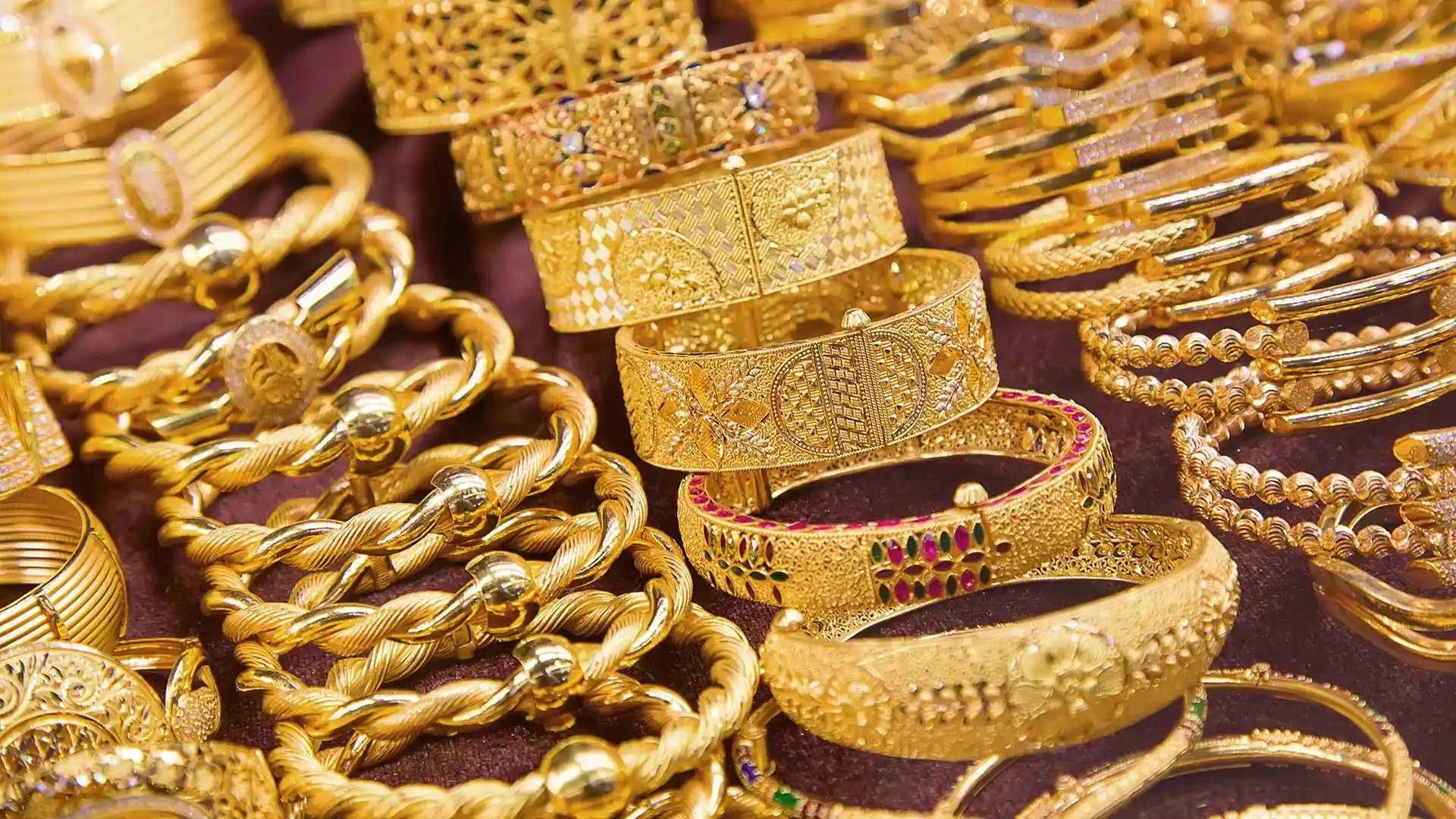
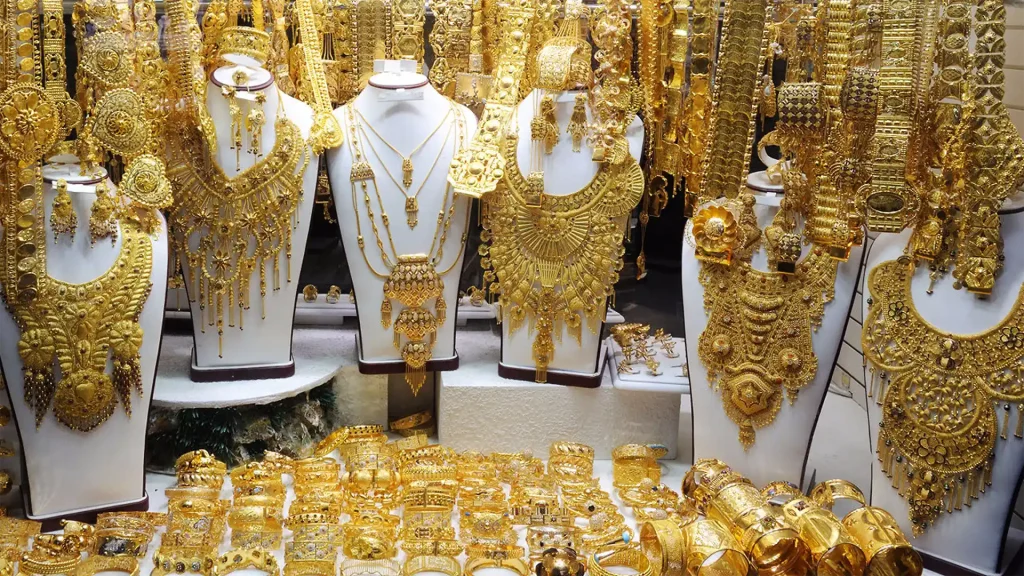
In the UAE, changes in gold prices have also influenced consumer purchasing patterns. As the value of gold has increased, buyers have adjusted their preferences when making purchases, particularly in the jewellery market.
Vijay Valecha, chief investment officer at Century Financial, said consumers in the UAE are increasingly choosing smaller jewellery pieces that require a lower upfront investment. Instead of purchasing heavier items, many buyers are turning towards lighter-weight designs that allow them to continue participating in the gold market while managing costs.
He added that some consumers are also showing greater interest in buying gold bars and coins as a long-term investment strategy. These forms of gold are often viewed differently from jewellery purchases because they focus more directly on preserving value and building investment holdings.
The shift in buying habits reflects the broader role gold plays among consumers and investors. While jewellery remains an important part of gold demand, investment-related purchases have become increasingly significant as people look for ways to diversify their savings and protect wealth.
For investors, gold continues to serve as a portfolio diversification tool because its performance does not always move in line with other major asset classes. During periods of market uncertainty, some investors increase their allocation to gold as part of a broader strategy to balance risk.
Analysts believe that while short-term price movements may remain influenced by interest rates, bond yields and currency strength, gold’s long-term appeal remains supported by wider economic trends. Central bank demand, financial uncertainty and diversification needs are expected to remain important factors shaping the market.
The future direction of gold prices will depend on how these competing forces develop. A combination of supportive economic conditions and increased investor demand could create opportunities for further gains, while continued high interest rates and strong currencies may continue to limit growth in the short term.
For UAE consumers, the changing gold market highlights the importance of adapting purchasing decisions according to price conditions. Whether through smaller jewellery purchases or investment-focused buying, customers are finding different ways to maintain exposure to gold.
Overall, analysts maintain a positive view of gold’s long-term potential despite current market pressures. While immediate gains may depend on changes in economic policy and global conditions, the metal’s role as a store of value and portfolio diversification asset continues to support its importance among investors worldwide.