The conflict in Yemen has developed into one of the most severe humanitarian disasters in the world.
Saudi Arabia refutes Houthi blockade claims, commits to securing its shipping fleet
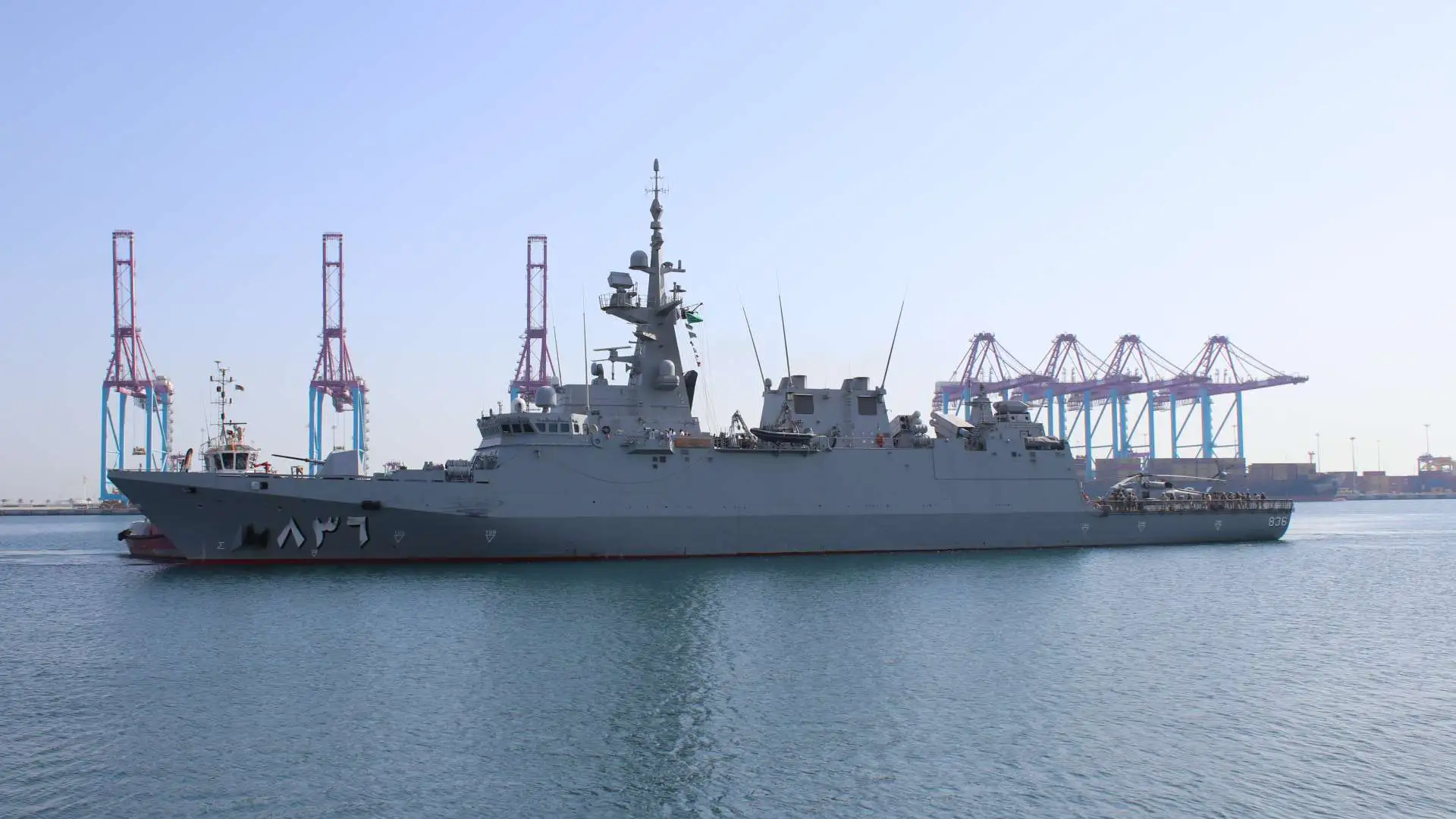
Saudi Arabia on Monday rejected accusations made by Yemen’s Iran-backed Houthi movement that the Kingdom was responsible for imposing a siege on the Yemeni population. The statement came after the Houthis announced what they described as a maritime blockade targeting Saudi Arabia, a move that could widen regional tensions, create another point of confrontation involving the United States and Iran, and potentially affect international energy markets and global shipping routes.
The Saudi Ministry of Foreign Affairs said the Kingdom would take every necessary step to ensure the safety and security of its vessels. Riyadh emphasized that it would continue protecting its maritime interests and maintaining the security of shipping activities in the region.
After the Houthi announcement, Major General Turki Al-Malki, the official spokesperson for the Saudi-led Coalition to Restore Legitimacy in Yemen, released a statement addressing the claims. He said the coalition had begun putting in place precautionary measures to protect coalition-affiliated ships traveling through the strategic Bab al-Mandab Strait, a vital maritime passage connecting the Red Sea and the Gulf of Aden.
Al-Malki rejected accusations that Yemen’s ports and airports had been deliberately closed by the coalition, describing the claims as misleading statements and further attempts by the Houthis to escalate tensions with Yemen’s internationally recognized government and neighboring states. He said the allegations of a blockade were part of a false narrative promoted by the Houthi movement.
The coalition spokesperson also highlighted that commercial activity at Yemen’s ports had continued despite the ongoing conflict. According to him, during the first six months of 2026, more than 300 commercial vessels reached the ports of Hodeidah, Salif, and Ras Isa. These ships reportedly carried essential supplies, including food products, fuel, commercial goods, oil shipments, and construction materials.
Al-Malki accused the Houthi group of being responsible for disruptions to Yemen’s aviation sector. He claimed that the group had contributed to the closure of Sana’a International Airport, damaged Yemenia Airways’ aircraft fleet, and rejected efforts aimed at restoring regular flights to and from the airport.
In contrast, the Houthis defended their decision to announce a maritime embargo against Saudi Arabia, saying the action was based on what they called an “eye for an eye” principle. The group claimed that the measure was a response to what it described as an unfair and severe blockade imposed on Yemen by Saudi Arabia.
The latest accusations and counterclaims come against the backdrop of Yemen’s long-running civil war, which began more than a decade ago after the Houthi movement captured the capital city of Sana’a. The takeover prompted a Saudi-led military intervention in 2015 aimed at supporting Yemen’s internationally recognized government.
Over the years, the conflict has transformed into one of the most devastating humanitarian emergencies in the world. Millions of Yemenis have faced severe shortages of food, medicine, clean water, and basic services as a result of years of fighting, economic collapse, and political instability. The country remains divided, with the Saudi-backed government operating mainly from Aden while the Houthis maintain control over Sana’a and several northern regions.
Despite the continuing political and military disputes, shipping records indicate that commercial vessels have continued to reach Hodeidah port, which remains under Houthi control. In recent weeks, ships carrying essential goods such as food, fuel, and other supplies have reportedly arrived at the port, highlighting the continued flow of humanitarian and commercial shipments into Yemen.
The dispute over maritime restrictions adds another layer of complexity to an already fragile regional situation. The Bab al-Mandab Strait is one of the world’s most important shipping routes, with large volumes of commercial traffic passing through it every year. Any disruption in the area could have wider consequences for international trade, energy transportation, and regional security.
As tensions continue, both Saudi Arabia and the Houthis have maintained opposing positions over responsibility for Yemen’s humanitarian and economic difficulties. The latest exchange of accusations reflects the broader struggle for influence and control that has shaped Yemen’s conflict for more than ten years.