Argentina’s defeat in the World Cup final came after opponents successfully limited Lionel Messi’s impact, while wasted scoring chances, defensive mistakes, and moments of poor discipline prevented the team from securing victory.
Argentina’s World Cup Final Loss: Messi Neutralised as Missed Opportunities and Errors Prove Costly.
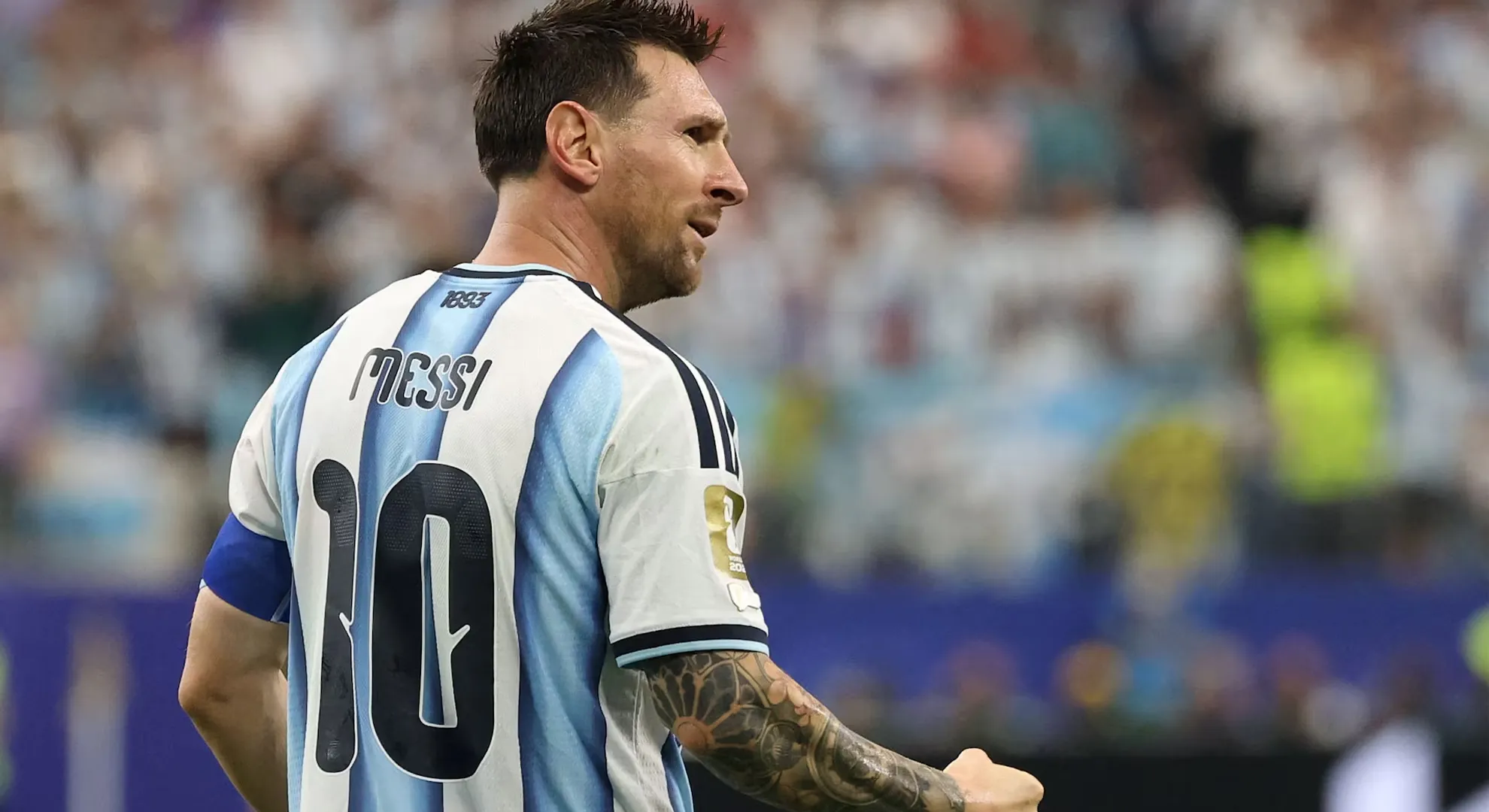
When the match ended, Messi fell to the turf overwhelmed with emotion before shedding tears, while some Argentina players shared gestures of respect with opponents and others became caught up in tense confrontations on the field.
Argentina’s World Cup Final Defeat Overshadowed by Controversy, Frustration and a Lack of Composure
As Spain’s players climbed onto the podium to celebrate their historic World Cup triumph, the contrast with Argentina’s reaction was impossible to ignore. While the Spanish squad gathered to lift the trophy and enjoy their moment of glory, several members of the defeated Argentine side turned away from the ceremony, creating an uncomfortable image after football’s biggest match.
The scenes reflected the disappointment and frustration of an Argentine team that had fallen short after a dramatic final. Instead of a graceful conclusion to a memorable tournament, the aftermath was marked by emotional reactions, confrontations, and moments that raised questions about sportsmanship.
Defeat in a World Cup final is naturally painful, especially after 120 minutes of intense competition, but the behaviour that followed left many observers disappointed. The Argentine side’s reaction appeared to highlight the tension that had built throughout the match, with emotions spilling over both during and after the game.
The contest itself had been filled with physical battles, disagreements, and moments of confrontation. Argentina finished the match with one player fewer after disciplinary issues, while tensions continued even after the final whistle as some players became involved in heated exchanges.
Competitive matches often involve clashes, especially in games of such importance. High pressure, fatigue, and the desire to win can lead to disagreements between players. However, the decision by some Argentine players to distance themselves from Spain’s celebrations was viewed by many as an unnecessary gesture during a moment that belonged to the champions.
The reaction appeared particularly striking because the World Cup final represents the highest stage in international football. Traditionally, defeated teams acknowledge the winners and share in the ceremony as part of the respect associated with the sport. Argentina’s response created a different impression and added controversy to a disappointing night for the team.
Beyond the post-match scenes, Argentina’s overall performance in the final was also questioned. Over the course of two hours of football, they struggled to impose themselves against a Spanish team that showed greater control, organisation, and tactical discipline.
Before the match, many analysts believed Argentina’s best chance would be to disrupt Spain’s rhythm. Spain had developed into one of the tournament’s most confident and technically impressive sides, relying on structured possession, intelligent movement, and disciplined teamwork.
Argentina, meanwhile, had built their reputation around intensity, emotion, and individual brilliance. Their approach often depended on moments of inspiration, physical strength, and the ability to raise their performance level during important stages of matches.
The contrast between the two teams created a fascinating tactical battle. Spain represented a carefully organised system built around collective movement and calculated decision-making. Argentina relied more heavily on passion, aggression, and the ability of their star players to create decisive moments.
Spain’s style was based on patience and control. They preferred to manage the tempo of the game, maintain possession, and create openings through coordinated attacking movements. Their success throughout the tournament came from their ability to remain composed even under pressure.
Argentina, on the other hand, often played with a higher emotional intensity. Their performances could shift dramatically depending on the flow of the match. At their best, they were energetic, fearless, and difficult to contain. But when frustration appeared, their discipline and structure sometimes suffered.
The simple narrative before the final suggested that Spain would represent intelligence and organisation, while Argentina would rely on emotion and determination. However, that comparison failed to capture the full qualities of both teams.
Spain’s success was not only about technical ability. Their victory also demonstrated resilience, competitiveness, and mental strength. Winning a World Cup requires more than tactical quality; it requires handling pressure, responding to difficult moments, and maintaining focus throughout the tournament.
Similarly, Argentina had shown throughout the competition that they were capable of producing strong performances when required. Their ability to fight through difficult matches and deliver under pressure had been one of their greatest strengths.
The final, however, highlighted the importance of balance between emotion and control. Argentina attempted to disrupt Spain’s flow and bring the match into a more physical and unpredictable contest. This approach had worked previously against other opponents, where their intensity and aggression created problems.
During earlier knockout matches, Argentina had successfully frustrated opponents by making the game uncomfortable. They challenged every decision, competed fiercely for every ball, and used their physical presence to unsettle rivals.
But against Spain, that strategy was less effective. The Spanish team remained composed and refused to be drawn completely into a chaotic contest. Instead, they continued to rely on their passing, movement, and tactical organisation.
Argentina’s pre-match preparations also reflected their emotional approach. During the national anthem, their players displayed enormous passion, singing with intensity and showing the pride they felt representing their country. The moment demonstrated the deep connection between the team and its supporters.
The scene was reminiscent of the powerful displays often associated with national teams before major sporting events. Argentina’s players appeared determined and united, showing the emotional energy that has long been connected with their football identity.
However, passion alone could not decide the final. The moments that determined the outcome came from tactical decisions, execution, and composure under pressure. Argentina’s strongest performances during the tournament often came when they combined their emotional drive with disciplined football.
Their victory over England in the semi-final was a clear example. Although they played with intensity and aggression, their decisive improvement came when they focused on controlling the game and using their technical ability effectively.
In that match, Argentina eventually moved beyond the physical battle and produced a dominant attacking display. Their success came not from confrontation but from their ability to play with confidence and quality.
The final presented a similar challenge. Against Spain, Argentina needed to maintain their competitive edge while also matching Spain’s tactical discipline. Instead, moments of frustration and a lack of control prevented them from fully expressing their footballing ability.
Spain’s victory was built on consistency and composure. They remained focused on their approach, avoided unnecessary distractions, and demonstrated why they had become one of the strongest teams in international football.
For Argentina, the defeat will be remembered not only because they lost the World Cup final but also because of the way the match ended. The disappointment of missing out on the biggest prize was understandable, but the reaction afterward created an unwanted shadow over their campaign.
The final served as a reminder that success at the highest level requires both ability and character. Emotional commitment can inspire a team, but maintaining discipline and respect remains equally important.
Spain celebrated as deserved champions, while Argentina were left to reflect on missed opportunities, tactical shortcomings, and moments when their emotions overtook their performance. Their journey to the final demonstrated their quality, but the last match showed the fine margins that separate champions from runners-up.
Argentina’s Frustration Grows as Spain’s Composure and Quality Decide the World Cup Final
Argentina’s approach in the World Cup final against Spain was noticeably different from the aggressive and disruptive style they had displayed in previous knockout matches. While they had previously attempted to unsettle opponents through intensity, physical challenges, and emotional pressure, their opening stages against Spain were far more cautious.
Rather than immediately trying to turn the contest into a physical battle, Argentina appeared hesitant and struggled to impose their usual rhythm. Their attacking movements lacked urgency, and even their attempts to frustrate Spain away from the ball were limited in the early stages. The emotional intensity that had defined their earlier performances took time to emerge, gradually building as the match progressed.
Their frustration eventually became more visible, but it developed slowly rather than appearing from the beginning. Instead of controlling the emotional side of the contest, Argentina found themselves reacting to Spain’s ability to maintain calm and dictate the flow of the game.
Spain’s greatest strength was their refusal to become distracted. They understood that Argentina’s strategy often involved creating discomfort, slowing the game down, and forcing opponents into emotional decisions. Instead of responding to those tactics, Spain remained focused on their own style of play.
The Spanish players controlled possession, moved the ball quickly, and prevented Argentina from turning the match into a chaotic encounter. Their ability to maintain composure frustrated their opponents, who were unable to disrupt Spain’s rhythm through physical battles or confrontations.
Spain effectively controlled the tempo of the final by relying on technical quality rather than becoming involved in unnecessary disputes. Their approach was simple but effective: keep possession, create openings, and allow their football to provide the answer.
Before the final, Spain defender Aymeric Laporte had warned that his team was prepared for Argentina’s competitive style. He suggested that Spain had studied their opponents closely and understood that Argentina often relied on intense challenges and small moments of disruption to influence matches.
Laporte’s comments reflected a belief within the Spanish camp that discipline would be crucial. Against a team known for emotional energy and physical competitiveness, Spain understood that maintaining focus would be just as important as tactical execution.
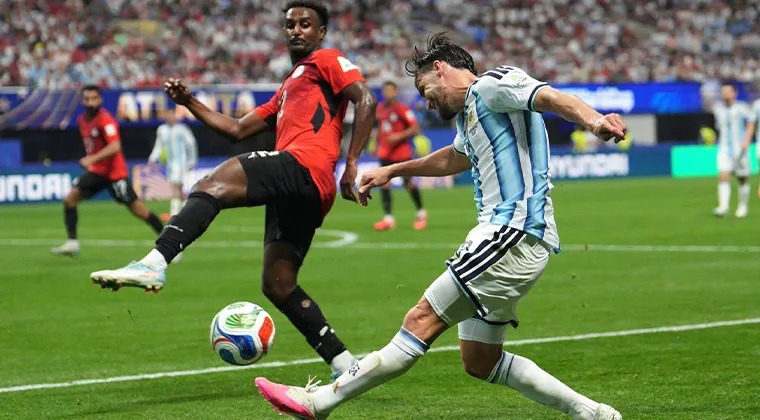
During the final, Argentina’s physical approach again became a major talking point. Several challenges appeared aggressive, and some players pushed the boundaries of what was acceptable in an attempt to stop Spain’s attacking threats.
Early in the match, Alexis Mac Allister’s challenge on Dani Olmo was viewed as unnecessarily forceful and poorly timed. The incident set an early tone and suggested that Argentina were willing to test the limits of physical play.
Later, Nicolas Tagliafico faced the difficult task of defending against Spain’s talented winger Lamine Yamal. Unable to contain the attacker purely through positioning and pace, Tagliafico repeatedly attempted to interrupt Yamal’s progress through challenges that attracted criticism from observers.
Despite several questionable moments, disciplinary action remained limited. The referee appeared determined to avoid allowing the match to become dominated by cards and stoppages, choosing instead to manage the game with a more lenient approach.
However, that strategy also created frustration among Spain’s players and staff, who felt that some challenges deserved stronger punishment. They believed Argentina were benefiting from the referee’s willingness to allow physical contact.
As the match moved into the second half, Argentina’s physical approach became more desperate. Leandro Paredes, introduced after the interval, brought additional aggression and intensity. He frequently challenged decisions, protested against calls, and became involved in confrontations as Argentina searched for a way back into the contest.
The problem for Argentina was that their physical commitment did not translate into attacking creativity. They worked hard, covered significant ground, and showed determination, but they struggled to produce the quality needed to break down Spain’s defence.
For long periods, Argentina appeared to rely more on effort than inspiration. Their passing became less effective, their attacking movements became predictable, and they found it increasingly difficult to create clear opportunities.
Even Lionel Messi, who had repeatedly delivered decisive moments throughout his career, struggled to influence the final in the way many supporters hoped. Spain’s organisation limited his space, reduced his involvement, and prevented him from becoming the central figure of the match.
As Argentina grew tired, their discipline began to weaken. The frustration of chasing the game without reward affected their decision-making, and emotional reactions became more frequent.
Enzo Fernandez was one of the players affected by this growing frustration. He received a yellow card after protesting a decision, and his reaction immediately afterward suggested the pressure of the situation was beginning to affect Argentina’s concentration.
Spain’s bench noticed the importance of the moment and reacted strongly to incidents they felt required attention. The Spanish players and coaching staff understood that maintaining control of the match was becoming increasingly important as Argentina became more desperate.
As the final stages approached, Argentina’s search for an equaliser became increasingly urgent. Instead of finding a clear tactical solution, they became involved in more individual battles and emotional exchanges.
Messi himself became involved in a heated discussion with Marc Cucurella. The Spanish defender appeared to cover his mouth during the exchange, creating speculation about what was said. The incident added further tension to an already emotional contest.
Messi’s response, appealing to the referee for intervention, highlighted the frustration felt by Argentina as the match moved away from them. For a player who had carried his team through countless difficult moments, the situation represented an unusually difficult evening.
When the final whistle eventually arrived, the emotions were overwhelming. Some Argentine players approached their Spanish opponents to offer handshakes and acknowledge the result, while others struggled to control their disappointment.
Messi’s reaction captured the sadness of the defeat. He fell to the ground immediately after the match before eventually standing alone and breaking down in tears. For many, the image reflected the weight of losing football’s biggest prize after such a demanding campaign.
However, the celebrations and reactions from some other Argentine players created controversy. Their frustration appeared to continue beyond the final whistle, with moments that were viewed as lacking the respect traditionally associated with the end of a major sporting event.
The incidents added to previous criticism of Argentina’s behaviour during the tournament. In earlier matches, some players had been accused of excessive celebrations and attempts to provoke opponents after scoring.
Christian Romero had attracted attention for his emotional reactions during the victory over England, while substitute Valentin Barco also faced criticism after entering the field area during celebrations in a manner some opponents considered disrespectful.
Such moments contributed to a wider discussion about Argentina’s identity as a team. Their passion, competitiveness, and emotional strength had helped them achieve success, but controlling those emotions remained a challenge at the highest level.
Spain’s victory demonstrated the importance of balance. They showed that determination does not require losing composure and that confidence can be expressed through performance rather than confrontation.
Ultimately, the World Cup final was decided not by arguments or physical battles but by footballing quality, tactical discipline, and the ability to remain calm under pressure. Spain maintained their structure, executed their plan, and earned the right to celebrate as champions.
Argentina, meanwhile, were left to reflect on a match where their intensity was unable to overcome Spain’s organisation. Their journey had shown resilience and talent, but the final revealed the importance of combining passion with control when competing on the world’s biggest stage.
Argentina’s Emotional Defeat Turns Controversial as Passion Gives Way to Frustration After World Cup Final
The tension between Argentina and Spain continued even after the final whistle, with emotions boiling over during the celebrations that followed the match. As Spain’s players began enjoying their historic victory, several heated exchanges broke out between members of both teams, creating an uncomfortable ending to an otherwise memorable final.
During the post-match celebrations, an incident involving Argentine defender Nahuel Molina and Spain midfielder Rodri added further controversy. Molina appeared to make contact with Rodri while the Spanish players were celebrating, leading to an immediate reaction from the Manchester City midfielder. Rodri confronted Molina, and the exchange quickly became more intense as both players stood face-to-face.
The situation escalated when Spain defender Eric Garcia stepped in to support his teammate. Argentina midfielder Leandro Paredes then became involved, moving toward Garcia during the confrontation. The disagreement became increasingly physical, with Paredes appearing to push Garcia during the clash before the situation was eventually separated.
Paredes was also involved in another exchange involving Spain’s Gavi as tensions continued to rise among the players. The scenes added to the frustration surrounding Argentina’s reaction after the defeat and created further debate about behaviour following the final.
Spanish media footage also captured an exchange involving Argentine defender Nicolas Otamendi and Rodri. According to reports, Otamendi appeared to criticise Rodri and Spain defender Aymeric Laporte, suggesting they had spent the week before the final complaining and should have focused more on playing.
The scenes highlighted the contrast between the emotions of victory and defeat. Spain were celebrating the greatest achievement in international football, while Argentina were dealing with the disappointment of missing out on the trophy after a demanding tournament.
Argentina head coach Lionel Scaloni attempted to calm the situation and encouraged his players to accept defeat with dignity. Speaking shortly after the match, he acknowledged that while losing was painful, his team had to show the same respect in defeat that they had shown during their victories.
Scaloni said Argentina had demonstrated throughout the tournament that they knew how to compete, win, and now also how to accept a loss. He insisted that the result should be accepted and that the team had to recognise Spain’s performance.
However, not everyone was satisfied with Argentina’s conduct. Several former players and football personalities criticised the behaviour of some Argentine footballers, arguing that their reactions after the match damaged the image of the team.
Former Germany international Toni Kroos commented that Spain’s victory represented a triumph for football itself, suggesting that the team’s style, discipline, and quality deserved recognition.
Another former German player, Thomas Hitzlsperger, was more direct in his criticism, questioning the conduct of several Argentine players and accusing them of lacking sportsmanship. He praised Messi’s extraordinary talent but argued that some members of the supporting cast had crossed the line with their aggressive approach.
Despite the criticism, it is important to understand the qualities that have made this Argentine team successful. Their unity, emotional connection, and commitment to representing their country have been central elements of their identity.
For years, Argentina’s national team had searched for a combination of talent and togetherness capable of delivering major international success. Under Scaloni, they developed a strong team culture built around trust, friendship, and a shared purpose.
The bond between the players has been one of their biggest strengths. Many members of the squad share close relationships away from football, spending time together outside tournaments and building a level of chemistry that has translated onto the pitch.
That connection helped Argentina achieve major success in recent years, including winning the 2022 World Cup and the 2024 Copa America. Their ability to overcome difficult situations demonstrated the resilience created by their unity.
Throughout the tournament, Argentina showed remarkable fighting spirit. They recovered from challenging moments, responded to pressure, and consistently displayed a strong emotional commitment to their national colours.
Their supporters also played a significant role in creating the atmosphere around the team. Thousands of Argentine fans travelled across cities to follow their national side, filling stadiums with blue-and-white colours and creating some of the loudest support of the tournament.
From Kansas City to Atlanta, Miami, and Dallas, Argentina supporters transformed venues into celebrations of national pride. Their connection with the players was clear, particularly their admiration for Lionel Messi, who has become a symbol of Argentine football around the world.
Former Argentina striker Gabriel Batistuta highlighted this connection, explaining that previous national teams had sometimes struggled to create an emotional bond with supporters. According to him, the current generation succeeded because they represented the passion and commitment fans expected.
The team’s style was built around effort, determination, and emotional investment. Supporters felt that the players were representing them not only through their football but also through their attitude and commitment on the field.
However, the same intensity that helped Argentina achieve success also created problems in the final. Their aggressive mindset, usually a source of strength, became difficult to control when the match began slipping away from them.
Argentina have never been a team that tried to win popularity contests. Their priority has always been competition and victory. Their identity has been built around fighting for every ball, challenging opponents, and showing an emotional edge.
But in this final, that approach crossed into territory that worked against them. Instead of using their passion to inspire their performance, some players allowed frustration to influence their actions.
Scaloni admitted that Argentina struggled to compete with Spain from a footballing perspective. He recognised that while his team had shown great qualities throughout the tournament, Spain were the better side on the day.
Before the trophy presentation, Spain attempted to show respect toward their opponents. The Spanish players formed a guard of honour for Argentina, acknowledging the effort and achievement of the runners-up.
The gesture represented the traditional spirit of football, where competition ends and respect between teams takes priority. However, when the moment arrived for Spain to receive their recognition as champions, the atmosphere became more complicated.
Instead of fully participating in Spain’s celebration, many Argentine players gathered separately near their own supporters. They focused on their fans and shared an emotional moment with the thousands who had followed them throughout the tournament.
The Argentine supporters continued to show their loyalty to Messi, celebrating their captain despite the defeat. When Rodri received the Golden Ball award as the tournament’s best player, some Argentine fans responded with chants in support of Messi.
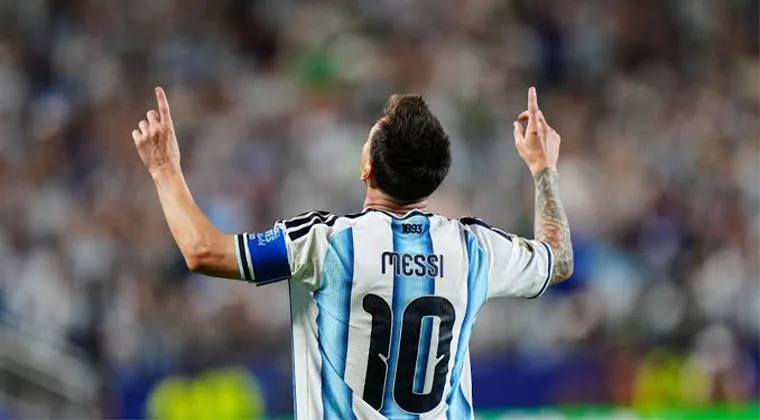
The moment reflected the unique relationship between Messi and his supporters. For Argentina, the tournament had been about more than just winning a trophy; it had also been a celebration of the career and legacy of their greatest player.
Ultimately, the final represented both the strengths and weaknesses of Argentina’s identity. Their passion, unity, and emotional connection helped them reach the highest level of international football. But when pressure reached its peak, controlling those emotions became their greatest challenge.
Spain’s victory was built on calmness, organisation, and footballing intelligence. Argentina’s defeat was shaped not only by what happened with the ball but also by how they responded when the result moved beyond their control.
The controversy after the match will remain part of the final’s story, but so will Argentina’s remarkable journey. They showed the power of team spirit and national pride, even if they were unable to combine those qualities with enough discipline and composure on the biggest night.