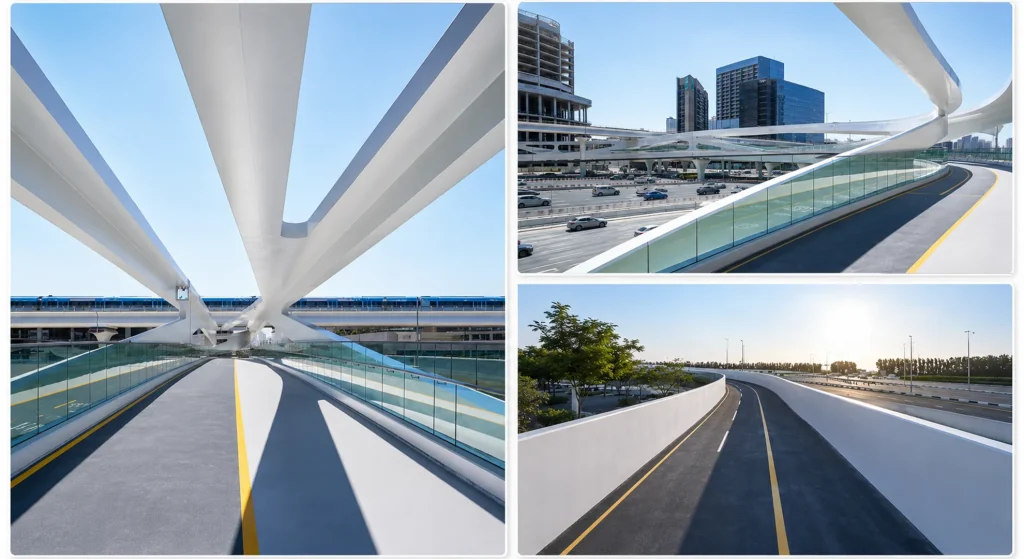
The Roads and Transport Authority will enhance access between 25 Dubai neighbourhoods by constructing new pedestrian walkways and dedicated cycling lanes, aiming to promote safer, more convenient, and sustainable travel across the city.
RTA Set to Improve Connectivity Between 25 Dubai Communities with New Walkways and Bike Tracks.
The project is designed to link 25 residential neighbourhoods while enhancing the surroundings of 63 public transport stations, with completion targeted by 2030.
Dubai is set to see a major expansion of its pedestrian and sustainable transport network as the Roads and Transport Authority (RTA) moves forward with a five-year strategy focused on improving walking, cycling, and e-scooter connectivity across the emirate.
The new programme is designed to make daily travel more accessible by creating better links between residential communities and public transportation facilities. Through the development of upgraded walking routes, cycling infrastructure, and safer pathways, the initiative aims to provide residents with more convenient alternatives for short-distance travel and reduce dependence on private vehicles.
As part of the plan, RTA will introduce soft mobility improvements in 25 residential communities across Dubai. The project will also focus on enhancing the areas surrounding 63 Metro and bus stations by 2030, creating smoother connections for passengers who walk, cycle, or use e-scooters to complete the first or final part of their journeys.
The concept of soft mobility refers to transport options that allow people to travel without using traditional motor vehicles. These include walking, cycling, and shared or personal e-scooter use. By expanding these facilities, authorities aim to encourage healthier, environmentally friendly, and more flexible travel choices for residents and visitors.
Officials said the upgraded infrastructure will improve the overall experience for commuters by making connections between homes, workplaces, and public transport stations more efficient. Many passengers rely on walking or alternative transport modes before reaching a Metro station, bus stop, or other transport hub. The improvements are expected to make these short-distance journeys safer, faster, and more comfortable.
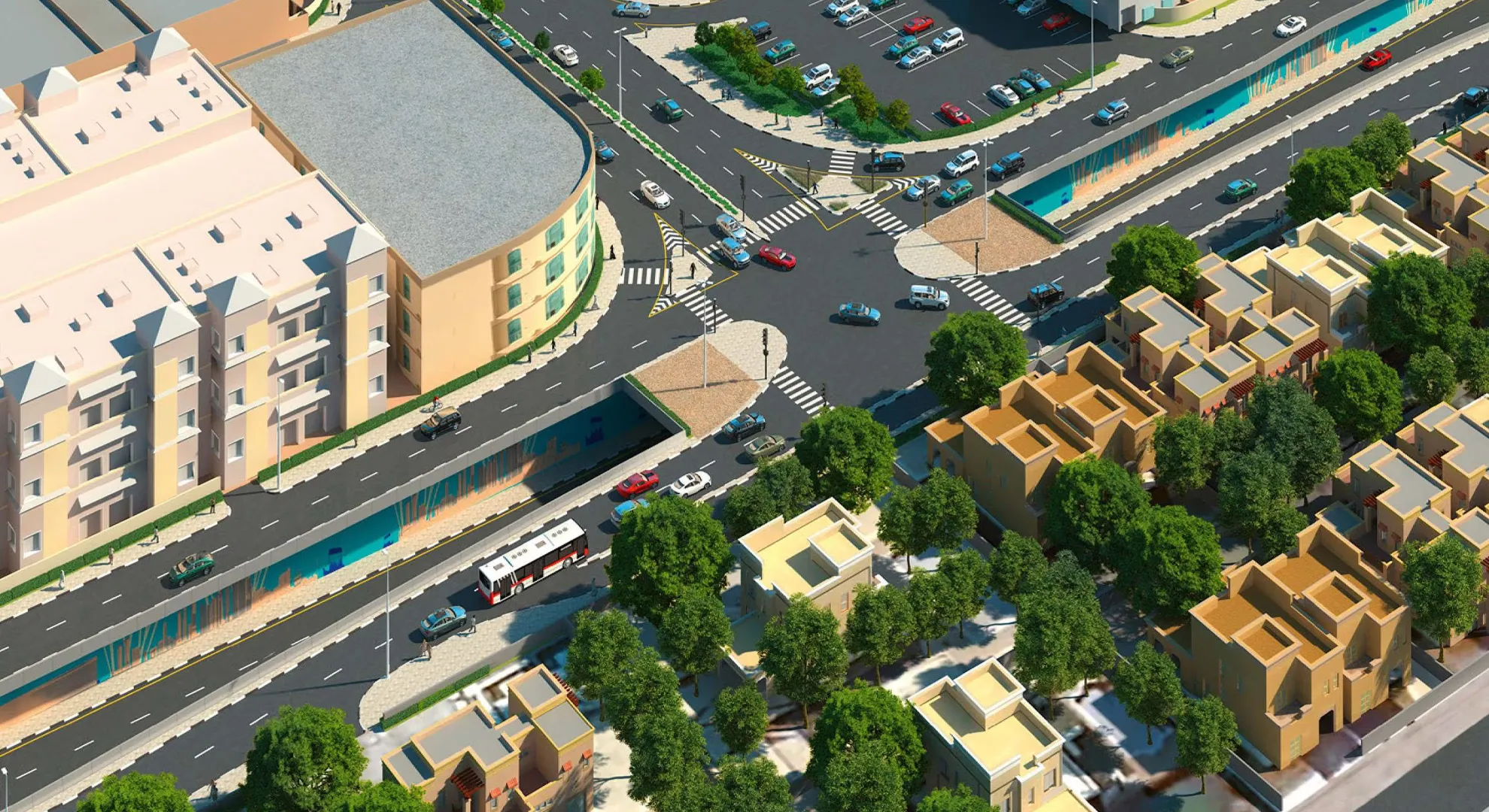
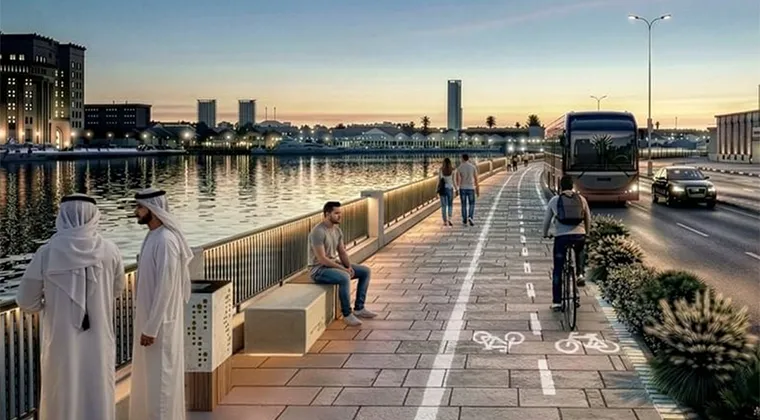
The upcoming developments will include a range of facilities designed to support pedestrians and cyclists. These improvements are expected to feature wider pedestrian pathways, dedicated cycling lanes, shaded walking areas, improved road crossings, bicycle parking spaces, and designated zones for passenger pick-up and drop-off.
The focus will not only be on building new routes but also on upgrading existing neighbourhood infrastructure to better support modern mobility needs. By creating safer streets and more connected pathways, the project aims to make communities easier to navigate for people of all ages.
Several areas have already become part of RTA’s ongoing efforts to improve soft mobility access. Projects are currently being implemented in locations including Dubai Marina, Naif, Al Rigga, Al Murar, and Al Muraqqabat. These areas are being upgraded with pedestrian-friendly features and cycling facilities to improve movement within busy residential and commercial districts.
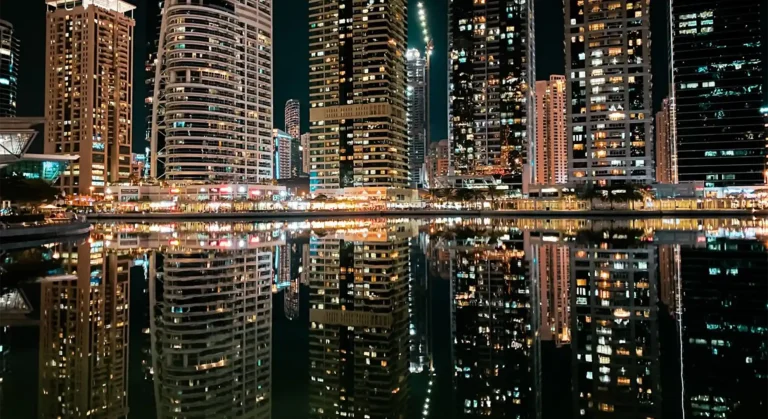
Dubai Marina, known for its high population density and active lifestyle environment, is among the areas benefiting from improved walking and cycling infrastructure. Similarly, neighbourhoods such as Naif and Al Rigga, which experience significant daily movement due to residential, retail, and transport activity, are being enhanced with facilities aimed at improving pedestrian safety and convenience.
The improvements around public transport stations are expected to play an important role in increasing the attractiveness of Dubai’s transit system. Many residents choose private cars because reaching a station from their home or workplace can sometimes be inconvenient. By improving access routes around stations, RTA hopes to encourage more people to combine walking, cycling, or e-scooters with public transport.
The authority said the project supports Dubai’s broader vision of creating a connected and sustainable urban environment. Expanding alternative transport options is part of ongoing efforts to reduce road congestion, improve air quality, and provide residents with more choices for everyday travel.
According to RTA data, the growing popularity of alternative transport modes demonstrates increasing demand among Dubai residents. In 2025, the emirate recorded approximately 342 million pedestrian journeys, 57.3 million cycling trips, and 39.6 million e-scooter journeys.
These figures highlight a significant shift in how people move around the city, with more residents choosing active and shared mobility options for short and medium-distance trips. The increasing use of bicycles and e-scooters has encouraged authorities to invest further in dedicated infrastructure that supports safe movement.
RTA officials said the expansion of soft mobility facilities will help create a more balanced transport system where different travel options work together. Instead of relying entirely on private vehicles, residents will have greater flexibility to choose the most suitable mode depending on distance, convenience, and accessibility.
The development of shaded pathways and improved pedestrian areas is also expected to address challenges linked to Dubai’s climate. Providing more comfortable walking routes can encourage residents to use active transport options throughout the year, particularly when combined with well-planned urban design features.
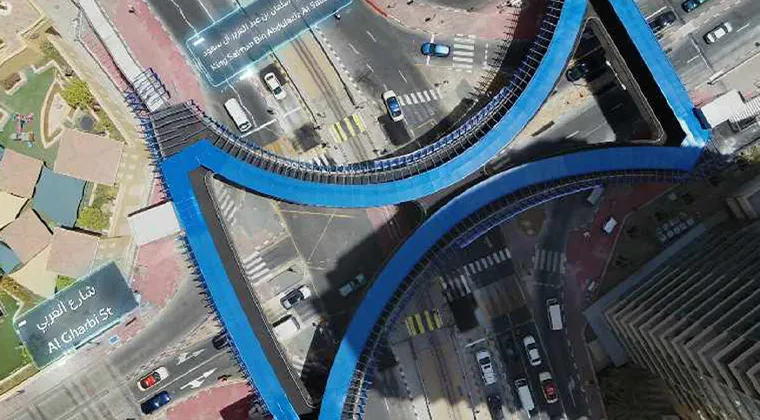
Safety remains one of the key priorities of the initiative. New crossings, better-designed cycling routes, and improved connections around transport stations are expected to reduce conflicts between pedestrians, cyclists, and vehicles. These measures are intended to create a safer environment for everyone using Dubai’s roads and public spaces.
The project reflects Dubai’s continued investment in creating a modern urban mobility network that supports both residents and visitors. As communities become more connected through walking and cycling routes, short-distance travel is expected to become easier and more efficient.
By 2030, the expanded soft mobility network is expected to provide thousands of residents with improved access to neighbourhood facilities and public transport services. The initiative represents a major step toward building a city where walking, cycling, and other sustainable travel options become an increasingly common part of daily life.
Key pillar of Dubai’s ecosystem
Mattar Al Tayer, Director-General and Chairman of the Board of Executive Directors of the Roads and Transport Authority (RTA), said the latest soft mobility initiative reflects Dubai’s long-term commitment to building a modern, connected, and environmentally responsible transport system that supports the emirate’s continued expansion.
He explained that as Dubai continues to experience rapid population growth and urban development, transport planning must evolve to meet the changing needs of residents, businesses, and visitors. The authority’s focus is not only on expanding infrastructure but also on creating a transportation environment where different travel options work together smoothly and efficiently.
According to Al Tayer, the project supports Dubai’s ambition to remain among the world’s leading cities in terms of quality of life, accessibility, and sustainable urban development. By investing in facilities that make walking, cycling, and other forms of soft mobility easier and safer, the emirate aims to provide residents with more choices for daily travel while improving overall connectivity between communities.
He said soft mobility has become an essential component of Dubai’s future transport strategy. Walking paths, cycling routes, and e-scooter facilities are no longer viewed as separate options but as important parts of a wider mobility network that connects people with public transportation and nearby destinations.
Al Tayer noted that encouraging residents to use alternative transport methods can help reduce reliance on private vehicles, particularly for short-distance journeys. When combined with an efficient public transport system, soft mobility solutions can make commuting more convenient while contributing to reduced traffic congestion and improved environmental sustainability.
He highlighted that the global approach to transportation planning has changed significantly in recent years. Cities around the world are moving away from focusing only on expanding roads and vehicle capacity and are instead prioritising complete travel experiences that allow people to move easily between different modes of transport.
“The future of mobility is no longer only about constructing physical infrastructure,” Al Tayer explained. “It is about designing connected journeys where passengers can move comfortably and efficiently from their homes to public transport stations, workplaces, and other destinations.”
He said successful transport systems depend on creating smooth links between various modes of travel. A person’s journey may involve walking from their home, using a bicycle or e-scooter to reach a station, travelling by Metro or bus, and completing the final part of the trip on foot. Ensuring that each stage of this journey is safe and convenient is a key objective of Dubai’s mobility plans.
Al Tayer added that Dubai has already established a highly developed public transport network that combines multiple transportation options. The city’s integrated system includes extensive road infrastructure, the Metro network, public buses, marine transport services, taxis, and individual mobility solutions such as cycling and walking facilities.
He said the strength of Dubai’s transport model lies in the way these different services complement one another. Rather than operating independently, each mode has been designed to contribute to a broader network that provides residents and visitors with flexible travel choices.
The RTA chief explained that continued improvements to soft mobility infrastructure will further strengthen this integrated system. Better pedestrian routes, cycling tracks, safer crossings, and improved access around transport stations will help create stronger connections between residential areas and major transport hubs.
He also emphasised that future transport development must consider changing lifestyle patterns and the growing demand for sustainable mobility options. As more people seek healthier and environmentally friendly ways to travel, cities must provide infrastructure that supports these preferences.
According to Al Tayer, Dubai’s approach is based on creating a balanced transport ecosystem where public transport, private mobility, and active travel options work together. This strategy aims to improve convenience for commuters while supporting the city’s wider sustainability goals.
He said the expansion of soft mobility facilities will also enhance the overall urban experience by creating more pedestrian-friendly communities. Areas designed with accessible walkways, cycling routes, and safe public spaces can encourage social interaction and improve residents’ quality of life.
The RTA chairman said Dubai’s continued investment in innovative transport solutions demonstrates its commitment to staying ahead of global mobility trends. By combining advanced infrastructure with sustainable travel options, the emirate aims to develop a transport system that meets present needs while preparing for future growth.
He added that the authority will continue working on projects that strengthen connectivity across Dubai and make movement throughout the city more seamless. Through integrated planning and continuous improvements, Dubai aims to maintain its reputation as a global city with an efficient, accessible, and sustainable transportation network.
Expanding Connections Across Dubai Communities
The Roads and Transport Authority (RTA) is moving ahead with a comprehensive plan to expand Dubai’s soft mobility network, with the aim of making neighbourhoods more accessible and improving links between residential areas, public transport stations, and important destinations across the city.
As part of the new strategy, soft mobility facilities will be introduced in 25 additional residential communities. Once these developments are completed, the total number of communities benefiting from such infrastructure will increase to 34 by 2030. The expansion is expected to create a wider network of pedestrian-friendly and cycling-focused routes that allow residents to travel more easily for short-distance journeys.
A major focus of the programme will be improving access to public transportation. RTA plans to upgrade the areas surrounding 63 Metro and bus stations, creating safer and more comfortable routes for passengers who walk, cycle, or use e-scooters to reach transport facilities. These improvements are designed to address the first and final parts of a journey, which are often considered essential in encouraging people to use public transport more frequently.
The authority said that improving connections around transport hubs will make daily commuting more convenient. Many residents depend on walking or personal mobility options to travel between their homes, workplaces, and nearby stations. By providing better-designed pathways and safer travel routes, the project aims to remove barriers that may discourage people from choosing sustainable transport options.
The planned upgrades will include a wide range of facilities designed to support pedestrians, cyclists, and users of shared mobility services. Dedicated cycling lanes will be developed to provide safer movement for cyclists, while improved pedestrian crossings will help people navigate busy roads more securely.
The project will also introduce shaded walking areas and rest zones to improve comfort, especially during warmer months. Additional landscaping elements will be incorporated to create more attractive and pleasant surroundings for residents and visitors using these routes.
Parking and support facilities will form another important part of the improvements. Bicycle parking areas will be provided at suitable locations, allowing users to securely leave their bikes when they reach transport stations or community facilities. Vehicle parking spaces and organised pick-up and drop-off zones will also be included to improve overall traffic management around key locations.
The plan will further support the growth of shared mobility services in Dubai. Dedicated areas will be created for bicycle-sharing and e-scooter operators, including services such as Careem Bike and other approved mobility providers. These facilities will allow users to easily access shared transport options and integrate them with existing public transportation services.
Accessibility for People of Determination is also a key consideration in the design of the new infrastructure. RTA said the upgraded areas will include features that make movement easier and safer for people with different mobility needs. These measures are intended to ensure that Dubai’s transport network remains inclusive and accessible for all members of society.
The authority explained that the initiative is closely aligned with the objectives of the Dubai 2040 Urban Master Plan, which focuses on creating a well-connected city with improved quality of life and sustainable urban development.
Through the expansion of walking and cycling facilities, the project aims to strengthen links between residential communities, commercial areas, public transport stations, and major destinations. The initiative supports Dubai’s wider vision of encouraging environmentally friendly travel choices and reducing dependence on private vehicles for shorter trips.
RTA said that the selection of communities for improvement was based on detailed studies and several important factors. These included the number of residents living in each area, existing patterns of public transport use, the type of land development in the neighbourhood, current conditions of pedestrian and cycling facilities, and future plans for urban growth.
Areas with higher population density and stronger demand for public transport connections were given priority during the planning process. The authority also considered how improvements could support future developments and ensure that new mobility infrastructure remains useful as communities continue to expand.
The project builds on RTA’s previous efforts to improve pedestrian and cycling facilities in various parts of Dubai. Several communities have already benefited from similar upgrades aimed at creating safer and more connected urban environments.
Completed projects have included improvements in areas such as Al Mankhool, Al Qusais, Al Karama, Al Barsha 1, Al Barsha 2, Al Khawaneej 2, Hor Al Anz, Abu Hail, and Al Souk Al Kabeer.
These developments introduced enhanced walking routes, improved crossings, and better connections between local neighbourhoods and transport facilities. The upgrades were designed to make daily movement easier for residents while supporting the wider goal of increasing the use of sustainable transport.
RTA has also carried out extensive improvements around several Metro stations across Dubai. A total of 37 Metro stations have received upgrades to their surrounding areas, with the goal of creating stronger links between rail services and other forms of mobility.
Among the stations that have benefited from these improvements are Mall of the Emirates, Burj Khalifa/Dubai Mall, Onpassive, Gold Souq, BurJuman, Baniyas Square, Sharaf DG, and Abu Hail.
The upgrades around these stations have included the development of pedestrian pathways, cycling connections, mobility hubs, and shared transport facilities. These improvements allow passengers to transition more easily between different modes of transport, creating a smoother travel experience from start to finish.
The expansion of soft mobility infrastructure reflects Dubai’s broader efforts to create a transport system that is not only efficient but also sustainable and people-focused. By improving walking and cycling networks, authorities aim to encourage healthier lifestyles, reduce congestion, and provide residents with more flexible travel options.
Urban mobility experts say that well-designed pedestrian and cycling networks play an important role in modern cities. When people have safe and convenient alternatives for short trips, they are more likely to combine these options with public transport rather than rely entirely on private cars.
RTA’s latest initiative is expected to further strengthen Dubai’s position as a city that prioritises innovation, accessibility, and sustainable development. By 2030, the expanded network will provide more residents with easier access to transport services and create stronger connections between communities across the emirate.
The project represents another step in Dubai’s ongoing transformation into a more connected and environmentally responsible city, where residents can move efficiently through a variety of integrated transport options.