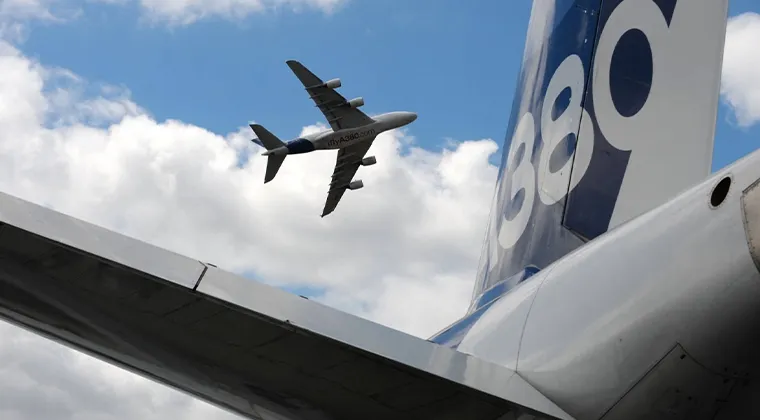
Emirates has started detailed inspections of its A380 fleet after Airbus identified cracks on certain aircraft wings, with checks underway to ensure safety standards and address potential structural concerns.
Emirates Launches A380 Wing Checks Following Airbus Discovery of Cracks in Some Aircraft.
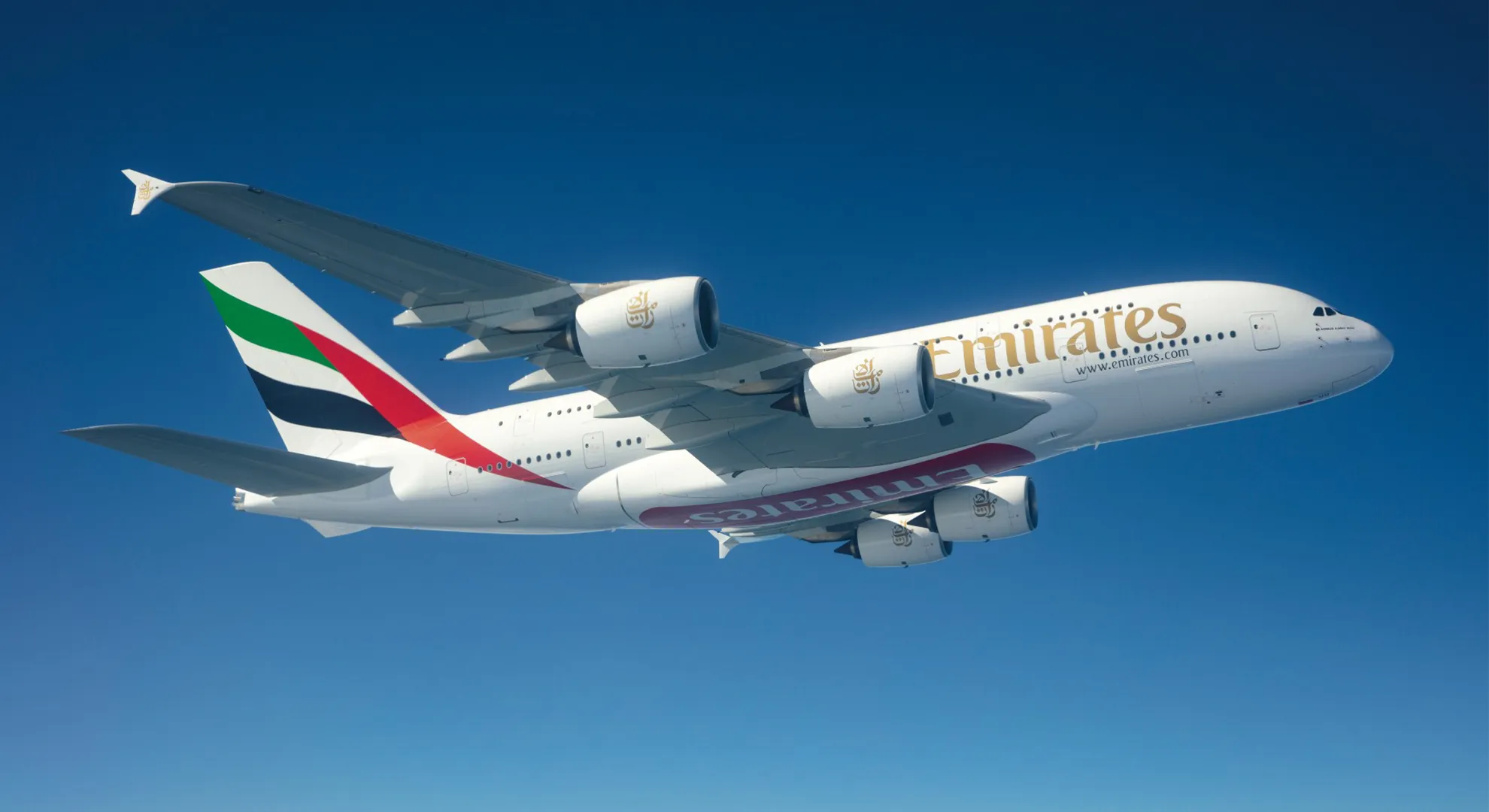
Airbus announced on Tuesday that it will carry out inspections on 16 A380 aircraft, including 15 planes operated by Emirates, after cracks were discovered in an important wing structure component.
Emirates begins A380 inspections after Airbus identifies wing component issue
Emirates has confirmed that it will begin precautionary inspections on some of its Airbus A380 aircraft after the manufacturer identified cracks in a key structural component of the aircraft’s wing. The airline said it will follow the required safety procedures and complete the necessary checks before returning affected aircraft to normal operations.
The decision comes after Airbus announced that inspections would be carried out on a group of A380 aircraft following the discovery of cracks in an important part of the wing structure. The checks involve 16 aircraft in total, including planes operated by two major international airlines.
According to Airbus, five of the aircraft require immediate inspection, while the remaining aircraft will undergo checks as part of the wider assessment programme. The inspection process is aimed at ensuring that any possible structural concerns are identified and addressed in line with aviation safety requirements.
Among the aircraft included in the inspection programme, 15 are operated by Emirates, while one belongs to Qantas. Both airlines operate large A380 fleets and are among the world’s major users of the double-deck passenger aircraft.
Emirates responded to the announcement by confirming that it would cooperate fully with the inspection requirements issued through the relevant aviation safety instructions. The airline stated that it would begin the checks within 48 hours and ensure that any necessary maintenance work is completed before the aircraft return to passenger service.
The airline emphasized that safety remains its highest priority and that all required procedures will be carried out according to official airworthiness requirements. Aircraft will only resume operations after completing the required inspections and any corrective measures that may be needed.
Airworthiness directives are issued by aviation authorities or manufacturers when a potential issue is identified that requires attention to maintain aircraft safety. Airlines are required to comply with these instructions and complete inspections or repairs within the specified timeframe.
The Airbus A380 is one of the largest passenger aircraft in the world and is widely recognized for its long-range capability and high passenger capacity. Airlines operating the aircraft follow strict maintenance schedules and safety checks throughout the aircraft’s service life.
The discovery of cracks in a wing component prompted Airbus to recommend additional inspections to ensure that affected aircraft continue meeting required safety standards. Such inspections are part of routine aviation safety practices and allow manufacturers and airlines to monitor aircraft conditions closely.
For Emirates, which operates one of the largest A380 fleets globally, the inspection process is expected to involve a number of aircraft within its network. The airline will coordinate the checks with maintenance teams and follow Airbus guidance throughout the process.
Passengers are not expected to experience major disruption as a result of the inspections, as airlines typically manage maintenance activities through operational planning. Aircraft checks are scheduled carefully to minimize impact on flight services while ensuring compliance with safety requirements.
The issue highlights the strict monitoring systems used in the aviation industry, where aircraft manufacturers and airlines continuously review aircraft performance and structural conditions. Any potential concern, even if discovered during routine assessments, is investigated carefully to maintain passenger safety.
Airbus has worked closely with affected operators to provide guidance on the required inspections. The manufacturer’s recommendations are designed to ensure that aircraft continue operating safely while any identified concerns are properly evaluated.
Emirates has also reassured customers that the inspection process will be handled efficiently and that aircraft will only return to service once they meet all required safety standards. The airline’s maintenance teams will carry out the necessary checks and complete any additional work if required.
The A380 remains a key part of Emirates’ international operations, with the aircraft used on several long-distance routes around the world. The airline has invested heavily in maintaining and operating the fleet, which forms an important part of its global network.
Qantas, the other airline affected by the inspection requirement, will also carry out the necessary checks on its aircraft in accordance with Airbus recommendations.
The aviation industry regularly conducts inspections and technical reviews to ensure aircraft remain safe throughout their operating life. Manufacturers, regulators, and airlines work together to identify potential issues early and take appropriate action before they affect flight operations.
The current inspection programme reflects this approach, with Airbus and airline operators cooperating to address the reported wing component cracks. By completing the checks and carrying out any required maintenance, the companies aim to ensure continued safe operation of the A380 fleet.
As the inspections progress, airlines will continue following official guidance and updating their maintenance plans where necessary. The priority remains ensuring that all aircraft meet the highest safety standards before carrying passengers.
Emirates monitors A380 inspections while maintaining flight operations
Emirates has confirmed that it will continue working closely with Airbus and aviation authorities throughout the inspection process to reduce any possible impact on its scheduled operations. The airline said it is coordinating with all relevant parties to ensure that the required checks are completed efficiently while maintaining the reliability of its flight services.
The inspections are part of a wider safety review after cracks were identified in a structural section of certain Airbus A380 aircraft. The affected area is a major component within the aircraft’s wing structure, designed to support the significant forces and aerodynamic pressure experienced during flight.
The component involved is a structural beam that extends through the wing and plays an important role in maintaining the aircraft’s strength and stability while airborne. Because of its role in carrying flight-related loads, any signs of damage or deterioration require careful assessment through detailed maintenance procedures.
The European Union Aviation Safety Agency (EASA) instructed operators to carry out immediate inspections after the issue was detected during a standard maintenance examination. The discovery was made as part of routine aircraft checks, highlighting the importance of regular inspections in identifying potential concerns before they affect aircraft operations.
Aviation authorities regularly issue safety instructions when manufacturers or maintenance teams identify possible technical issues. These measures are designed to ensure that aircraft continue meeting strict safety requirements and that any necessary action is taken promptly.
Emirates has stated that it will follow the required inspection guidelines and complete any necessary maintenance work before allowing affected aircraft to return to service. The airline is also working with Airbus and regulators to monitor developments and ensure compliance with all safety procedures.
Despite the inspection requirements, Emirates continues to focus on maintaining its operational schedule while prioritizing passenger safety. The airline’s maintenance teams are expected to manage the checks carefully to reduce disruption and ensure that aircraft availability is maintained wherever possible.
Emirates’ modern fleet and aircraft investment
Emirates operates one of the world’s largest long-haul aircraft fleets, including Airbus A380s, Airbus A350s, and Boeing 777 aircraft. The airline has invested significantly in maintaining and upgrading its fleet to support its global network and provide passengers with a modern travel experience.
The carrier is known for operating one of the largest fleets of Airbus A380 aircraft worldwide. The double-deck aircraft has become a key part of Emirates’ international operations, serving routes connecting Dubai with destinations across multiple continents.
Alongside its A380 operations, Emirates is also introducing newer aircraft models such as the Airbus A350 as part of its long-term fleet strategy. The airline continues to expand and modernize its aircraft portfolio to improve efficiency, comfort, and operational performance.
More than 200 Emirates aircraft, including Airbus A380s and Boeing 777s, are currently involved in a major refurbishment programme. The extensive upgrade project includes improvements aimed at enhancing passenger comfort, updating cabin features, and extending the aircraft’s service life.
The refurbishment initiative represents one of the largest aircraft upgrade programmes undertaken by the airline. It reflects Emirates’ commitment to maintaining high standards across its fleet and improving the overall passenger experience.
In May, Emirates completed the first-ever retrofit of its two-class Airbus A380 aircraft. The project marked an important milestone for the airline as it introduced updated interiors and improved cabin arrangements on selected aircraft.
Recognition for Emirates’ global service
While managing aircraft inspections and fleet maintenance activities, Emirates has continued to receive international recognition for its services and passenger experience.
The airline was recently named the world’s best airline at the 2026 Business Traveller Middle East Awards. In addition to the top recognition, Emirates also received two other awards at the event, highlighting its performance across different areas of the aviation sector.
The awards reflect the airline’s continued focus on service quality, innovation, and customer satisfaction. Emirates has built a strong global reputation through its extensive route network, premium onboard services, and investment in aircraft technology.
The recognition comes as the airline continues balancing operational demands with ongoing fleet improvement projects. From aircraft inspections to major cabin upgrades, Emirates continues to focus on maintaining safety standards while delivering a high-quality travel experience.
Safety remains a priority
The aviation industry follows strict procedures to monitor aircraft conditions and address technical concerns. Regular inspections, maintenance checks, and safety reviews are essential parts of aircraft operations and help ensure that airlines can continue providing safe and reliable services.
The current A380 inspection programme demonstrates how airlines, manufacturers, and aviation regulators work together when potential issues are identified. Through cooperation and timely action, the industry aims to maintain passenger confidence and protect the safety of air travel.
For Emirates, the priority remains completing the required inspections while minimizing any effect on passengers and flight schedules. The airline will continue coordinating with Airbus and aviation authorities as the checks progress.
As one of the world’s leading international carriers, Emirates continues to focus on fleet reliability, operational efficiency, and passenger experience while managing the latest aircraft safety requirements.