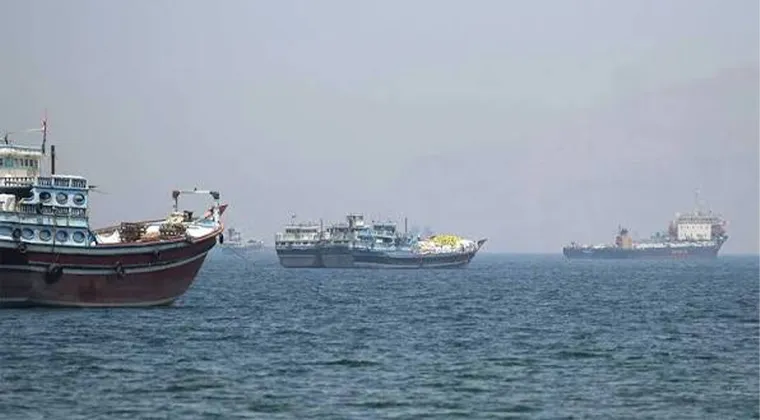
Oman has introduced a temporary maritime passage aimed at improving vessel movement and supporting smoother shipping operations through the Strait of Hormuz during the current period of increased maritime activity.
Oman Opens Temporary Sea Route to Support Shipping Through the Strait of Hormuz.
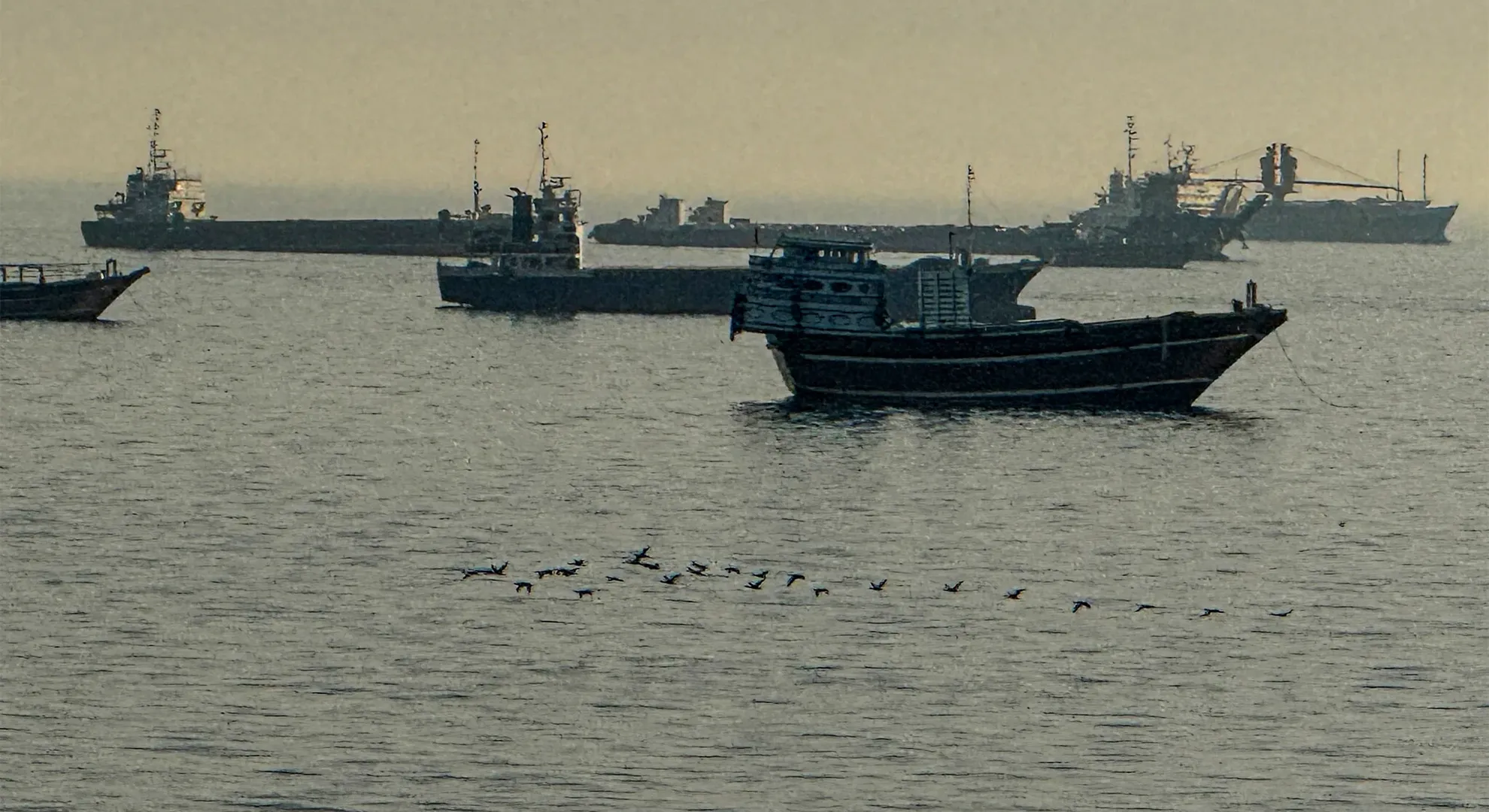
The step is designed to support safe and continuous shipping access through the strategically important waterway.
Oman establishes temporary maritime route to support Strait of Hormuz traffic
Oman has announced the creation of a temporary maritime corridor aimed at assisting vessels travelling through the Strait of Hormuz, following coordination with the International Maritime Organization (IMO). The move was revealed on Tuesday through the country’s official state news agency as part of efforts to support organized and secure movement of ships through the strategically important waterway.
The temporary corridor has been introduced to provide an additional arrangement for vessels seeking to navigate the Strait of Hormuz. The route is expected to help improve coordination between ships, maritime authorities, and international organizations involved in maintaining safe passage through one of the world’s most important shipping channels.
According to the announcement, Oman worked together with the IMO to establish the framework for the temporary maritime passage. The arrangement includes specific navigation details and designated coordinates that vessels must follow when using the corridor.
Ships planning to make use of the newly created route will be required to communicate and coordinate with the International Maritime Organization before entering the designated area. This process is intended to ensure that vessel movements are properly managed and that ships have access to the latest guidance regarding the corridor’s location and operating conditions.
The coordinates and relevant information for the maritime passage have been issued through cooperation between the IMO and Omani authorities. Vessels interested in using the corridor are expected to follow these instructions to ensure smooth and coordinated transit.
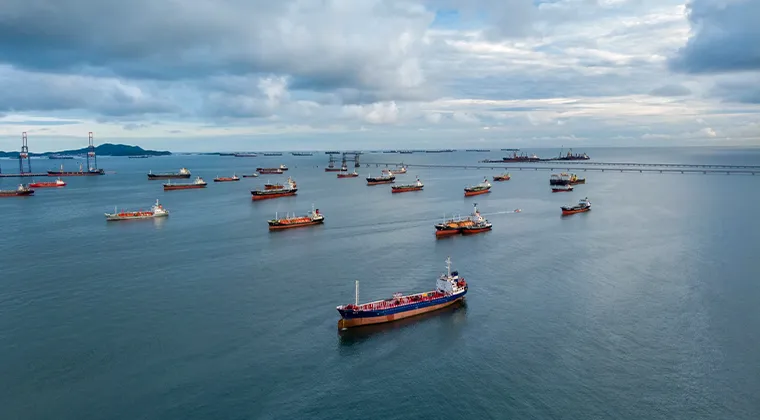
The Strait of Hormuz is one of the most significant maritime routes in the world, connecting the Gulf region with international shipping lanes. A large volume of global energy and commercial trade passes through the waterway each year, making safe and uninterrupted navigation a priority for maritime operators and regional authorities.
Oman’s latest measure is intended to support the continued movement of vessels through this vital route while maintaining coordination with international maritime standards. The temporary corridor provides a structured pathway for ships and aims to strengthen communication between operators and relevant authorities.
Officials emphasized that the arrangement is designed around established maritime practices and international regulations. The initiative supports the principle of freedom of navigation, allowing vessels to continue using international waterways while following appropriate safety and coordination procedures.
The requirement for ships to coordinate with the IMO before using the corridor is intended to create a more organized process. By sharing information and confirming vessel movements, authorities can better manage traffic flow and reduce uncertainty for ships operating in the area.
Maritime corridors such as this are commonly used to improve navigation efficiency and support safe passage, especially in areas where shipping activity is high. They provide clearer guidance for operators and help ensure that vessels follow approved routes while travelling through important waterways.
The announcement also highlights Oman’s role in regional maritime coordination. Located near the Strait of Hormuz, Oman has long been connected to shipping activities in the region and plays an important role in supporting maritime safety and stability.
The cooperation between Oman and the IMO reflects efforts to maintain communication between national authorities and international maritime bodies. Such coordination helps create a more predictable environment for shipping companies, commercial operators, and vessel crews.
While the corridor is temporary, authorities have emphasized the importance of following official guidance and using the designated information provided by recognized maritime organizations. Vessel operators planning to transit the Strait of Hormuz are expected to remain updated on instructions and coordinate accordingly.
The introduction of the maritime corridor comes as part of broader efforts to support safe and efficient movement through a key global shipping route. By providing a defined pathway and requiring coordination with relevant authorities, the measure aims to enhance navigation arrangements for vessels using the waterway.
For shipping operators, access to clear instructions and coordinated procedures can help improve planning and reduce operational challenges. The temporary corridor provides another mechanism to support maritime activity while maintaining alignment with international navigation principles.
As vessels continue to rely on the Strait of Hormuz for regional and international trade, maintaining safe passage remains a major priority. Oman’s cooperation with the IMO demonstrates the importance of international coordination in managing maritime routes and ensuring that ships can continue to navigate essential waterways efficiently.
The temporary corridor will remain available according to the conditions and guidance issued by Omani authorities and the IMO. Ship operators are encouraged to follow the official procedures and coordinate before attempting to use the designated route.
The initiative was introduced with the objective of supporting uninterrupted maritime movement through the strategically important waterway while respecting the principles established under international maritime regulations. The arrangement is intended to maintain open access for vessels travelling through the route and reinforce the internationally recognized right of freedom of navigation.
Authorities emphasized that the temporary measure follows the rules and standards outlined under international law, including the legal framework governing the use of seas and waterways. These principles recognize the importance of allowing ships to pass through key maritime routes without unnecessary restrictions or obstacles.
The corridor is designed to support safe and organized vessel movement while ensuring that ships can continue their journeys in accordance with accepted maritime practices. By creating a structured passage system, the initiative aims to provide clarity for operators and encourage smoother navigation through the busy waterway.
Officials highlighted that the arrangement does not introduce additional financial requirements for vessels using the route. Ships will not be subject to special transit charges or additional fees for accessing the corridor, in line with international principles that protect freedom of navigation.
The measure reflects the importance of maintaining reliable shipping routes, particularly through waterways that play a major role in global trade and maritime transportation. Ensuring that vessels can move freely and efficiently is considered essential for international commerce, energy transportation, and regional connectivity.
By working within established maritime laws, the initiative seeks to balance navigation access with proper coordination and safety procedures. The goal is to create an environment where vessels can travel through the waterway with clear guidance while respecting internationally accepted rules.
The arrangement also highlights the importance of cooperation between maritime authorities and international organizations in managing critical shipping routes. Such collaboration helps maintain stability and supports the continued operation of commercial shipping networks.
Through this temporary corridor, authorities aim to provide a practical solution that supports vessel movement while preserving the fundamental principle that international waterways should remain accessible for lawful navigation without additional barriers or charges.