Dubai Airport is set for a major transformation by 2032, introducing direct rail connections to terminals, smoother passenger movement, automated baggage solutions, and a faster travel experience without traditional waiting lines.
Dubai Airport’s Future by 2032: Seamless Rail Links, Faster Baggage Handling and Queue-Free Travel.
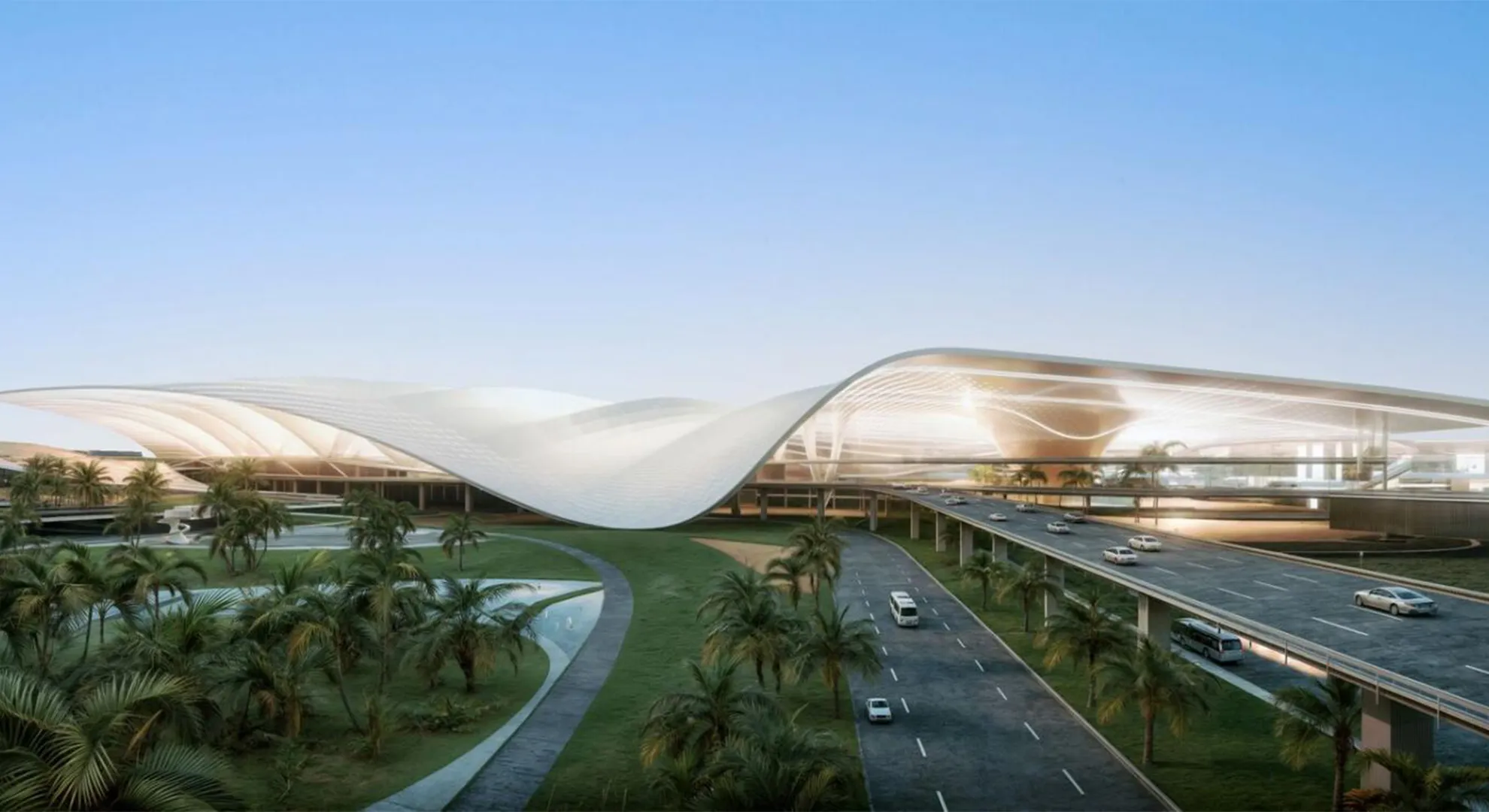
Dubai is preparing to introduce a new era of air travel with the development of Al Maktoum International Airport, a next-generation aviation project designed to completely transform the passenger experience. Expected to start operations in 2032, the airport is being planned around one central concept: making travel faster, smoother, and free from many of the delays passengers experience at traditional airports.
One of the key features of the upcoming airport will be an advanced underground transportation system designed to move passengers efficiently across the massive facility. The airport will include a multi-track underground train network with 14 stations, allowing travellers to move between different areas quickly and conveniently without long walks or unnecessary waiting times.
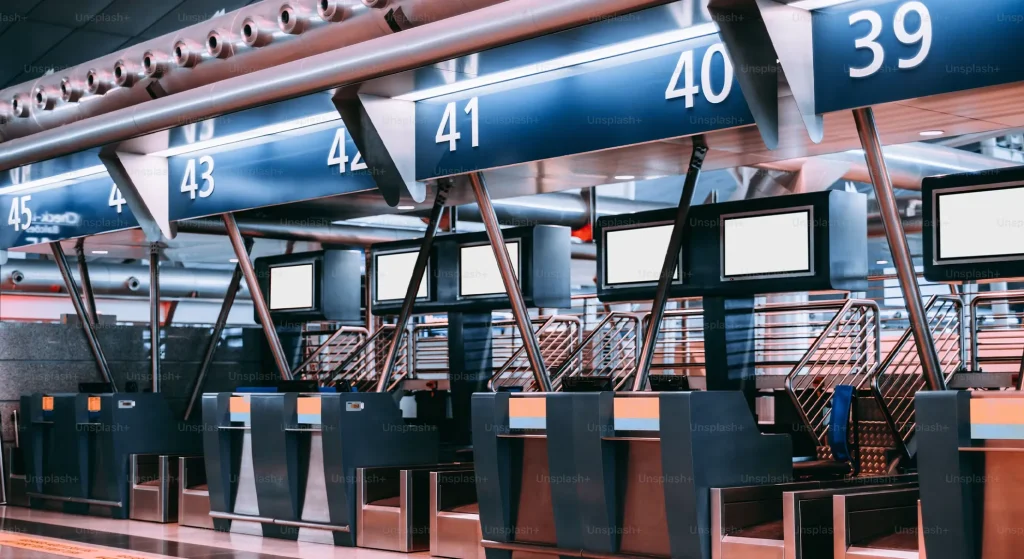
The future airport experience is expected to begin even before passengers enter the terminal building. Instead of arriving with luggage and spending time at traditional check-in counters, travellers could complete several steps of the journey earlier through automated systems and smart technologies. Bags may be processed before passengers reach the terminal, reducing the need for multiple stops after arrival at the airport.
The idea behind the development is to remove many of the time-consuming procedures that currently define air travel. From check-in and baggage handling to movement between terminals, the airport is being designed so that technology manages much of the process in the background, allowing passengers to focus on their journey rather than administrative tasks.
Future travellers could experience a more connected airport environment where transportation, security, baggage services, and boarding systems work together seamlessly. Advanced digital solutions are expected to play a major role, helping create a smoother flow of passengers from the moment they begin their trip until they board their flights.
Inside the airport, automated passenger transport systems will help connect terminals, concourses, and other key areas. These driverless systems are expected to reduce travel time within the airport and make navigation easier, particularly in a facility designed to handle enormous passenger volumes.
Baggage operations will also be transformed through highly automated systems capable of processing large numbers of bags every hour. Instead of relying on traditional manual handling processes, advanced technology will help sort, track, and move luggage efficiently across the airport network. This is expected to reduce delays and improve reliability for passengers.
The airport is being developed as part of a wider vision to create an integrated global transportation hub. Road connections, railway networks, and aviation infrastructure will be combined into one large-scale system, allowing passengers and cargo to move more efficiently.
The Dh128-billion project at Dubai World Central represents one of the most ambitious aviation developments in the world. Once fully completed, Al Maktoum International Airport is expected to become the world’s largest aviation hub, capable of handling massive passenger numbers and supporting Dubai’s long-term growth as a global travel centre.
Unlike traditional airports that are often expanded gradually as demand increases, the new facility is being planned from the beginning with future growth in mind. Its design aims to accommodate increasing international travel demand while introducing technologies that could redefine how people experience airports.
Officials and planners behind the project envision an airport where passengers spend less time waiting and more time moving efficiently through the travel process. The focus is not only on increasing capacity but also on improving convenience, comfort, and overall passenger satisfaction.
The airport’s design reflects the changing expectations of modern travellers. With digital services becoming increasingly common in daily life, passengers are looking for faster and more personalised travel experiences. Al Maktoum International is expected to respond to these expectations by combining automation, artificial intelligence, and smart infrastructure.
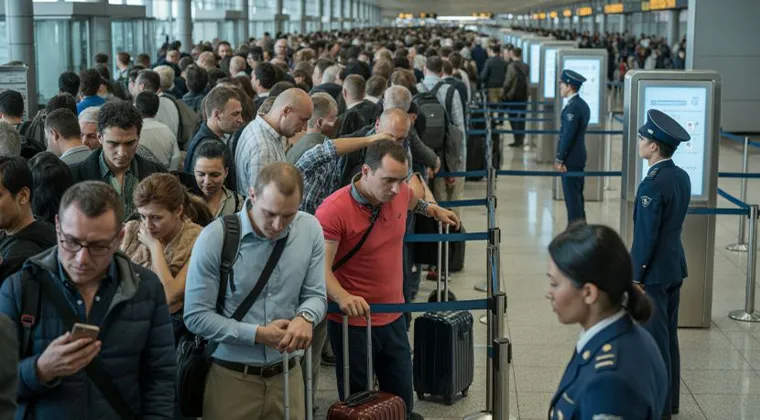
For many travellers, one of the biggest challenges of air travel is the amount of time spent completing procedures before boarding. Long queues at check-in desks, baggage counters, and internal airport transfers can add stress to the journey. The future airport model aims to reduce these obstacles by creating a more continuous and efficient passenger experience.
The underground train system will be an important part of this vision. With multiple stations spread across the airport, passengers will have easier access to different terminals and facilities. The system is expected to support smooth movement across a large area while reducing congestion inside the airport.
Beyond passenger travel, the development is also expected to strengthen Dubai’s position as a major global aviation and logistics centre. The airport will support international connectivity, cargo operations, and economic growth by creating a large-scale infrastructure network designed for future demand.
The project reflects Dubai’s broader strategy of investing in innovation and building infrastructure that meets the needs of future generations. By focusing on automation, connectivity, and efficiency, Al Maktoum International aims to set new standards for airport design worldwide.
As construction progresses toward the expected 2032 opening, the airport represents a vision of what future air travel could look like: fewer queues, faster processing, smarter systems, and a more comfortable journey from start to finish.
For passengers, the biggest change may be a shift away from the traditional airport experience. Instead of spending large portions of their trip waiting in lines and completing repetitive procedures, travellers could move through a highly connected environment where technology handles many of the behind-the-scenes processes.
Al Maktoum International is therefore being positioned not simply as another airport, but as a complete transportation ecosystem designed to reshape the way people travel in the decades ahead.
Here is what a journey through Al Maktoum International Airport could look like:
Check-in before reaching the airport
Future passengers travelling through Al Maktoum International Airport are expected to experience a completely different approach to air travel, where many of the traditional airport procedures could be completed before they even arrive at the terminal.
The upcoming airport is being designed around the idea of creating a smoother and more efficient passenger journey by reducing unnecessary waiting times. Instead of spending large portions of their trip standing in lines for routine processes, travellers could move through the airport with minimal interruptions.
Dubai Airports CEO Paul Griffiths previously explained that the vision for the future facility is based on a “no red lights” approach. The concept focuses on removing obstacles throughout the passenger journey and creating an environment where travellers can move continuously from arrival to boarding without repeated stops for standard procedures.
Under this planned model, passengers would not need to follow the traditional airport routine of arriving early, waiting at check-in counters, standing in immigration lines, completing security procedures, and then moving through additional checkpoints. Instead, technology and automated systems would handle many of these processes in advance or in the background.
The goal is to make the airport experience feel more natural and less stressful. Travellers would be able to complete essential requirements before reaching the airport itself, allowing them to spend their time inside the facility in a more relaxed way.
One major change could involve baggage handling. Passengers may have the option to submit their luggage before arriving at the airport or while they are still travelling towards the terminal. This would remove the need to carry bags through multiple stages of the airport process and allow travellers to begin their journey more freely.
Once passengers reach Dubai World Central (DWC), where Al Maktoum International Airport is being developed, the journey would be designed to be simple and direct. Rather than navigating through multiple formalities, travellers could follow a streamlined route toward their departure gate.
The airport’s future design aims to place greater control in the hands of passengers. Instead of losing valuable time completing administrative procedures, travellers would have more flexibility to decide how they spend their time before boarding their flights.
According to Griffiths, the intention is to change the traditional relationship passengers have with airports. Rather than viewing the airport as a place filled with queues and waiting areas, the future model aims to create an environment where people can enjoy the facilities and services available.
Passengers could use the additional time to explore retail outlets, dine at restaurants, relax in lounges, or simply enjoy a more comfortable airport experience. The focus would shift from managing delays and formalities to making the journey itself more enjoyable.
This approach reflects the growing use of technology across the aviation industry. Airports around the world are increasingly adopting digital solutions, automation, and biometric systems to improve efficiency and reduce processing times. Al Maktoum International is expected to take these developments further by integrating them into the overall design from the beginning.
The airport is being planned not only as a transportation facility but as a complete passenger-focused environment. Every stage of the journey, from arrival and baggage processing to movement within the airport, is being considered with the aim of improving speed and convenience.
For travellers, this could mean a major change in how they prepare for flights. Instead of arriving hours early because of uncertainty around queues and procedures, passengers may experience a more predictable and seamless journey.
The concept also supports Dubai’s broader ambition to remain a global aviation leader. As international travel demand continues to grow, airports must find new ways to manage increasing passenger numbers while maintaining comfort and efficiency.
Al Maktoum International Airport is being developed with future growth in mind. Its systems and infrastructure are expected to support large volumes of travellers while reducing the delays commonly associated with traditional airport operations.
The “no red lights” vision represents a move toward an airport where technology removes friction rather than adding more steps. By completing processes earlier and automating essential services, passengers can spend less time dealing with procedures and more time enjoying their travel experience.
As the project moves closer to its expected opening, the airport is being positioned as a model for future aviation. The aim is not simply to build a larger airport, but to create a smarter and more passenger-friendly travel ecosystem.
For millions of future travellers, the experience at Al Maktoum International could look very different from today’s airport routine — fewer queues, faster movement, and more freedom to choose how they spend their time before take-off.
Automated people mover and rail links
Due to the enormous size planned for Al Maktoum International Airport, passengers will need more than traditional walking routes to move efficiently between different sections of the facility. The airport is being designed with advanced internal transportation systems that will allow travellers to move quickly and comfortably across its large network of terminals, concourses, and passenger areas.
A major part of this plan is the introduction of an underground Automated People Mover (APM) system, which will serve as a dedicated transport network within the airport. The system will include a multi-track train designed to carry passengers between key locations, reducing travel time and making transfers more convenient.
The planned 14-station APM network will connect major airport zones, allowing travellers to move smoothly from terminal areas to departure concourses and other important facilities. For passengers with connecting flights, the system is expected to provide a faster and more direct way to reach their next gate without the need for long walks across the airport complex.
The automated transport network is being developed as part of a wider strategy to create a highly efficient passenger experience. Instead of navigating a massive airport on foot, travellers will be able to use dedicated transit solutions that are designed to handle large numbers of passengers while maintaining speed and convenience.
The airport’s wider infrastructure plan also focuses on creating a fully connected transportation ecosystem. Rather than functioning only as an aviation facility, Al Maktoum International is being planned as a major transport hub where air travel connects seamlessly with rail and road networks.
This integrated approach is expected to improve accessibility for passengers arriving from different parts of the UAE and beyond. By linking multiple forms of transportation, the airport aims to offer travellers more choices when planning their journeys and reduce dependence on private vehicles.
Rail connectivity will play an important role in this vision. Etihad Rail, the UAE’s national railway network, could potentially include a station near Dubai World Central, giving passengers another convenient way to reach the airport.
If implemented, the railway connection could allow future travellers to begin parts of their airport journey before arriving at the terminal itself. Passengers may be able to access services such as check-in facilities from railway stations, reducing the amount of time spent completing procedures after reaching the airport.
Such integration would represent a significant shift in how passengers experience air travel. Instead of viewing the airport as a separate destination reached only after a road journey, the entire travel process could become connected through a single network combining trains, roads, and aviation services.
The development of Al Maktoum International also includes plans to improve links between Dubai’s two major airports. A dedicated Airport Express Line has been proposed to create a direct connection between Dubai International Airport (DXB) and Al Maktoum International Airport (DWC).
According to reports based on a Roads and Transport Authority (RTA) tender, consultants have been invited to explore the design and planning of a possible 55-kilometre rail connection between the two airports.
The proposed route would connect the Red Line Metro station near Dubai International Airport in Al Garhoud with Al Maktoum International Airport in Jebel Ali. The planned service could include five stations along the route, providing additional connectivity for passengers travelling between the two aviation hubs.
A direct airport link would be especially valuable for travellers who need to transfer between flights operating from different airports. Instead of relying on road transport and dealing with traffic conditions, passengers could have access to a dedicated rail option designed specifically for airport transfers.
The proposed connection would also support Dubai’s long-term aviation growth strategy. As passenger numbers increase and both airports continue expanding their operations, efficient transportation links will become increasingly important for maintaining smooth movement across the city.
The combination of internal airport trains, national railway connections, metro links, and road networks highlights the scale of planning behind Al Maktoum International Airport. The project is being designed not simply as a terminal building but as a complete travel ecosystem capable of supporting millions of passengers.
For future travellers, this could mean a very different airport experience. Moving between terminals may become faster, connections could become easier, and the journey from home to aircraft could involve multiple connected transport options working together.
By combining advanced technology with large-scale infrastructure, Dubai aims to create an airport model focused on efficiency, convenience, and global connectivity. Al Maktoum International is expected to redefine how passengers move through airports by bringing together aviation, rail, and road transportation in one integrated system.
Baggage handling system
Al Maktoum International Airport is expected to feature an advanced Baggage Handling System designed to manage an extremely high volume of luggage efficiently. The system will use modern automated technology capable of handling tens of thousands of bags every hour, ensuring smoother movement of luggage throughout the airport.
Through automated transportation, security screening, and tracking systems, bags will be processed quickly and accurately from check-in areas to aircraft and arrival zones. The technology aims to reduce manual handling, minimize delays, and improve the overall reliability of baggage operations for departing and connecting passengers.
The advanced system will play an important role in creating a faster airport experience, especially during peak travel periods when large numbers of passengers are moving through the facility. By allowing luggage to be sorted and transferred automatically, the airport aims to improve efficiency across departures, arrivals, and flight connections.
For passengers arriving at the airport, one of the biggest improvements is expected to be the speed of baggage collection. Instead of waiting extended periods at baggage belts, travellers could receive their luggage within just a few minutes after reaching the collection area.
The faster process is part of the airport’s wider goal of reducing waiting times and creating a seamless journey where technology manages essential operations in the background. The smart baggage network will support Al Maktoum International’s vision of becoming one of the world’s most advanced aviation hubs.

A vast passenger terminal zone
When completed, Al Maktoum International Airport is expected to transform Dubai’s aviation landscape and emerge as the largest airport facility in the world. The ambitious project is being developed to meet the growing demand for international travel, cargo movement, and global connectivity in the coming decades.
The airport’s final phase is planned to support an enormous passenger capacity of more than 260 million travellers annually, along with the ability to manage around 12 million tonnes of air freight every year. This scale is designed to strengthen Dubai’s position as a major hub connecting different regions across the world.
The future airport complex will feature five independent parallel runways, allowing multiple aircraft operations to take place efficiently at the same time. Its infrastructure will also include two major passenger terminals and seven large concourses, creating a highly connected environment for travellers and airlines.
With more than 430 aircraft parking stands planned across the facility, the airport will be equipped to accommodate a significant number of flights and aircraft movements. The combination of advanced infrastructure, high-capacity terminals, and efficient operations will enable the airport to manage huge volumes of passengers and cargo.
Beyond serving as a transportation facility, Al Maktoum International is expected to become a key driver of Dubai’s future growth. The project will support industries including tourism, international trade, logistics, and business travel while reinforcing the city’s role as a leading global gateway.
The scale and design of the airport reflect Dubai’s long-term vision of creating a world-class aviation centre built for future generations. By combining massive capacity with modern technology and integrated transport networks, the airport aims to redefine global air travel and strengthen Dubai’s influence in the international aviation sector.
All operations to move to Al Maktoum airport
Authorities have confirmed that detailed preparations are underway to manage the eventual transition of aviation operations from Dubai International Airport (DXB) to Al Maktoum International Airport. The move is expected to be one of the largest aviation transfers in the world, requiring careful planning to ensure passengers, airlines, and businesses experience minimal disruption throughout the process.
Officials said the transition will be carried out gradually and strategically, with a strong focus on maintaining the high levels of efficiency and service quality that Dubai’s aviation sector is known for. The objective is to ensure that the shift to the new airport takes place smoothly while protecting the travel experience for millions of passengers who rely on Dubai as a major global aviation hub.
The planned relocation forms part of Dubai’s long-term strategy to expand its aviation capacity and prepare for future growth in international travel. As passenger numbers continue to rise, authorities believe a larger and more advanced airport facility will be required to support increasing demand and strengthen Dubai’s position as a leading centre for global connectivity.
Dubai Ruler Sheikh Mohammed bin Rashid Al Maktoum previously announced that Al Maktoum International Airport would eventually replace Dubai International Airport and become the city’s main aviation gateway. He said the new facility would be significantly larger than the existing airport, with a planned capacity far exceeding DXB’s current operations.
The future airport at Dubai World Central is being developed as a next-generation aviation hub equipped with advanced technology, expanded terminals, and infrastructure designed to handle much larger passenger volumes. Once completed, the facility is expected to offer capacity several times greater than the current airport, allowing it to accommodate Dubai’s future aviation requirements.
Dubai Airports CEO Paul Griffiths explained that the new terminal development, valued at Dh128 billion, is being designed to support annual passenger capacity of up to 260 million travellers. This scale would allow Al Maktoum International to gradually take over the operations currently handled by DXB.
According to Griffiths, the transfer process is expected to take place over several years, with the new airport being prepared to fully absorb DXB’s activities within around a decade. The timeline will depend on construction progress, operational readiness, airline requirements, and the ability to ensure a seamless experience for passengers.
The shift will involve moving one of the world’s busiest aviation operations from a highly established airport environment to a completely new facility. Because of the size and complexity of the transition, authorities are expected to focus on detailed coordination between airlines, government agencies, airport operators, and transport providers.
The aim is to avoid disruption to Dubai’s role as an international travel hub. DXB currently serves millions of passengers from around the world and has built a reputation for efficiency, connectivity, and passenger services. Maintaining these standards during the transfer will be a key priority.
Al Maktoum International has been designed with future demand in mind, offering larger terminals, advanced passenger systems, improved transport connections, and significantly greater capacity. The airport’s design is intended to support not only passenger travel but also cargo operations, logistics, and Dubai’s wider economic growth.
Once all operations have moved to the new airport, Dubai International Airport is expected to cease commercial operations. Griffiths explained that maintaining both airports permanently would not be practical due to their close proximity and the efficiency benefits of concentrating operations at one larger facility.
The decision reflects Dubai’s approach to long-term infrastructure planning. Rather than continuing to expand DXB within its current location, authorities are investing in a new airport capable of meeting future aviation needs for decades.
The move to Al Maktoum International is expected to create a new chapter for Dubai’s aviation industry. The airport will serve as the foundation for future growth, supporting increased passenger movement, stronger international connections, and expanded opportunities in tourism, trade, and business.
While DXB has played a major role in transforming Dubai into a global aviation centre, the new airport is expected to carry that legacy forward on a much larger scale. The transition represents not only a change in location but a major upgrade in the way Dubai approaches air travel.
By combining advanced infrastructure, higher capacity, and improved passenger systems, Al Maktoum International aims to establish a new benchmark for airports worldwide. The carefully planned transfer process will be critical in ensuring that Dubai continues to deliver the reliable and efficient aviation services that have made it one of the world’s most important travel hubs.