A US-Iran peace accord outlining 14 key points suggests a roadmap for improving relations between the two countries. The agreement may cover areas such as diplomacy, security, economic cooperation, sanctions relief, and regional stability, providing insight into the commitments and goals intended to reduce tensions and promote long-term peace.
US-Iran peace accord: A look at the 14 key points as full text emerges
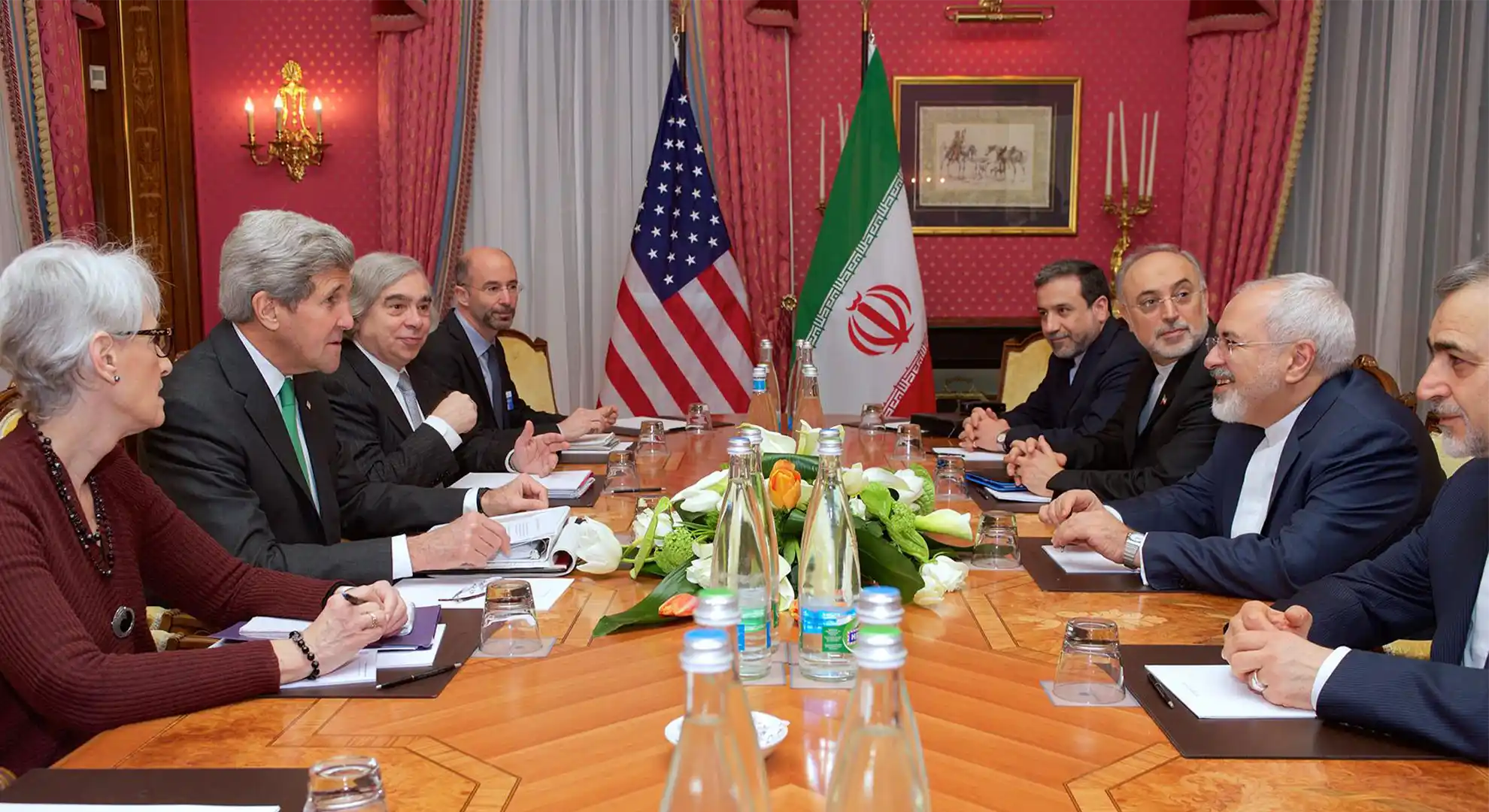
Full Text of Proposed US-Iran Peace Framework Revealed: Key Terms of the 14-Point Agreement
A senior US official has disclosed what was described as the complete draft of a memorandum of understanding (MOU) between the United States and Iran aimed at ending hostilities, restoring maritime trade through the Strait of Hormuz, and launching negotiations on nuclear and economic issues.
The document, presented during a briefing with reporters, outlines a 14-point framework intended to serve as the basis for a broader and more comprehensive peace agreement. According to the official, both nations have agreed in principle to a series of commitments designed to reduce tensions and establish a pathway toward long-term stability.
1. Immediate End to Military Operations
Under the proposal, the United States, Iran, and their respective allies would formally declare an immediate and lasting cessation of all military actions across every conflict zone. This includes commitments to avoid future armed confrontations, refrain from threats or the use of force, and respect the sovereignty and territorial integrity of affected states, including Lebanon.
2. Respect for Sovereignty
Both countries would pledge to recognize each other’s independence, territorial boundaries, and political systems. The agreement calls for non-interference in domestic affairs and mutual respect for national sovereignty.
3. Timeline for a Final Agreement
Washington and Tehran would commit to concluding negotiations on a permanent settlement within 60 days, although the deadline could be extended if both sides agree.
4. Removal of Maritime Restrictions
The United States would begin lifting naval restrictions affecting Iran immediately after signing the memorandum. Full removal of these measures would be completed within 30 days, while any military presence near Iranian territory would be withdrawn after the final agreement takes effect.
5. Reopening Commercial Shipping Routes
Iran would facilitate the safe movement of commercial vessels through the Strait of Hormuz and surrounding waters. Temporary arrangements would allow ships to pass without additional charges while technical and security measures are implemented to restore normal maritime traffic.
6. Economic Reconstruction Initiative
The United States, working alongside regional partners, would support the development of a major economic recovery programme valued at no less than $300 billion. The initiative would focus on rebuilding infrastructure and promoting long-term economic development in Iran.
7. Gradual Lifting of Sanctions
A central component of the framework involves the phased removal of sanctions imposed on Iran. This would include international restrictions, United Nations measures, and US primary and secondary sanctions, subject to a mutually agreed implementation schedule.
8. Nuclear Commitments
Iran would reaffirm that it does not intend to acquire or develop nuclear weapons. Both sides would negotiate arrangements for managing existing enriched nuclear material under international supervision, while also addressing Iran’s future civilian nuclear requirements.
9. Maintaining Current Conditions During Negotiations
Until a final agreement is reached, both countries would preserve the current situation. Iran would refrain from expanding its nuclear activities, while the United States would avoid introducing additional sanctions or deploying extra military assets in the region.
10. Temporary Oil Export Authorisations
Following the signing of the memorandum, the US Treasury would issue waivers allowing Iranian crude oil and petroleum products to enter international markets. Related services such as banking, insurance, and transportation would also be permitted.
11. Release of Frozen Assets
The agreement proposes making Iranian funds and financial assets currently subject to restrictions available for use. Procedures governing access to these resources would be finalised during negotiations, with the necessary licences and approvals issued by the United States.
12. Monitoring and Compliance Mechanism
An oversight structure would be established to ensure both countries fulfil their obligations under the memorandum and any future comprehensive agreement. The mechanism would monitor implementation and address potential disputes.
13. Launch of Final-Stage Negotiations
Once key initial commitments—including the ceasefire, maritime measures, oil waivers, and asset releases—begin to be implemented, the two sides would move forward with detailed negotiations covering the remaining elements of a permanent settlement.
14. United Nations Endorsement
The final agreement would be submitted to the United Nations Security Council for approval through a binding resolution, providing international recognition and legal backing for the accord.
A Framework for Broader Peace
If implemented, the proposed 14-point memorandum would represent one of the most significant diplomatic breakthroughs between the United States and Iran in decades. Beyond ending military tensions, the framework seeks to address economic recovery, maritime security, sanctions relief, and nuclear concerns while creating a roadmap for a more comprehensive and internationally supported peace agreement.

Why the Proposed Agreement Matters
The draft agreement goes beyond a traditional ceasefire by addressing some of the most contentious issues that have strained US-Iran relations for decades. In addition to ending military confrontation, the framework seeks to establish mechanisms for economic cooperation, diplomatic engagement, and regional stability. Analysts believe that combining security commitments with economic incentives could improve the chances of achieving a lasting settlement.
Impact on Global Energy Markets
One of the most closely watched aspects of the proposed deal is the reopening of shipping routes through the Strait of Hormuz, a critical corridor for global energy supplies. Any disruption in this waterway can affect oil exports and energy prices worldwide. The restoration of normal commercial traffic could help ease concerns among international markets, improve supply chain stability, and reduce volatility in global oil prices.
Potential Benefits for Regional Economies
A reduction in geopolitical tensions could have positive implications for economies across the Middle East. Improved stability may encourage foreign investment, strengthen trade activity, and support sectors such as logistics, tourism, aviation, and financial services. Businesses often respond positively to a more predictable regional environment, creating opportunities for economic growth and job creation.
Challenges Ahead
Despite the ambitious nature of the proposal, significant challenges remain. The success of the agreement would depend on both parties fulfilling their commitments and overcoming long-standing political differences. Issues such as sanctions implementation, nuclear oversight, regional security concerns, and verification mechanisms are likely to require intensive negotiations before a final agreement can be reached.
International Attention and Diplomatic Significance
The proposed framework has attracted considerable international interest because of its potential impact on global security and economic stability. Governments, international organisations, and financial markets are closely monitoring developments, as any progress in US-Iran relations could influence diplomatic dynamics across the broader Middle East and beyond.
What Happens Next?
Under the proposed timeline, negotiators would work toward finalising a comprehensive agreement within the designated period while implementing initial confidence-building measures. The coming weeks would be crucial in determining whether the memorandum evolves into a binding peace accord capable of reshaping relations between the two countries and reducing tensions across the region.
A Possible Turning Point
If successfully implemented, the agreement could mark a significant shift from confrontation to diplomacy. By addressing military, economic, and nuclear concerns within a single framework, the proposal aims to create conditions for long-term cooperation while reducing the risk of future conflict. Whether these ambitions are realised will depend on sustained dialogue, mutual trust, and effective implementation by all parties involved.