Following a cyber intrusion targeting the Class 12 re-evaluation portal, the CBSE has formally approached law enforcement authorities by filing a complaint to investigate and address the security breach.
CBSE Lodges Police Complaint After Cyberattack Hits Class 12 Re-evaluation Portal.
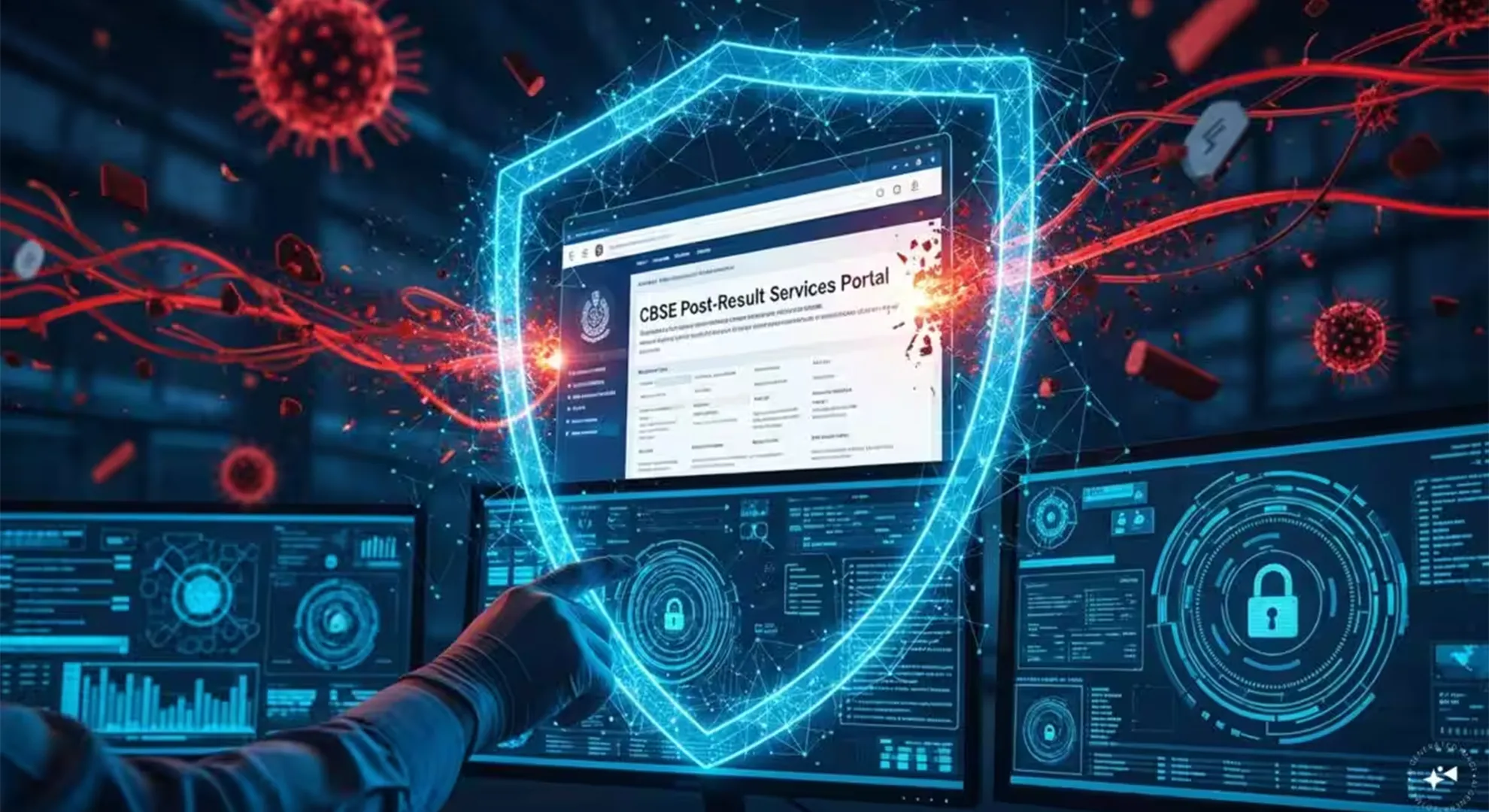
CBSE Reports Cyberattacks on Post-Result Services Portal, Files Complaint with Police
The Central Board of Secondary Education (CBSE) has reported a series of coordinated cyberattacks targeting its online post-result services platform and has officially lodged a complaint with the Delhi Police, seeking a detailed investigation into the incident.
According to the board, the digital portal—introduced on June 2 to assist Class 12 students with essential post-examination services such as marks verification and answer script re-evaluation—came under sustained cyber pressure shortly after becoming operational. The platform was repeatedly targeted over a period of three days, during which attempts were made to disrupt its normal functioning and accessibility.
CBSE officials stated that the attacks appeared to be carefully organized and involved a high volume of malicious online traffic originating from multiple internet protocol (IP) addresses. These digital requests were traced to sources both within India and from international locations, suggesting that the disruption effort was not limited to a single geographic region.
The nature of the traffic indicated a coordinated attempt to overwhelm the system and interfere with its performance. By generating excessive and unauthorized requests, the attackers seemingly aimed to slow down or block access for genuine users, particularly students attempting to use the portal for important academic services.
The board further noted that there were also indications of attempts to probe the system for vulnerabilities, raising concerns that the objective may not have been limited to disruption alone but could also have included efforts to access or extract sensitive information without authorization.
Despite the intensity and repetition of the attacks, CBSE emphasized that the integrity of the system remained intact throughout the incident. Officials confirmed that no data breach was recorded and that the core infrastructure supporting the portal remained secure.
The board credited its cybersecurity safeguards and continuous monitoring systems for successfully managing the situation. According to CBSE, the platform is protected by round-the-clock surveillance mechanisms designed to detect unusual activity, block suspicious traffic and respond immediately to potential threats.
These defensive measures allowed technical teams to identify the malicious traffic patterns early and take appropriate action to mitigate their impact. As a result, the disruptions were contained before they could escalate into a more serious system failure or prolonged downtime.
CBSE highlighted that its cybersecurity response framework operates continuously, with dedicated teams monitoring system performance and network activity at all times. This 24×7 oversight played a key role in ensuring that legitimate users were still able to access the portal, even during peak attack periods.
Officials explained that such systems rely on a combination of automated security tools and manual intervention. Automated filters help identify unusual spikes in traffic or suspicious behavior patterns, while cybersecurity personnel assess the situation and implement countermeasures when required.
By deploying these layered defenses, the board was able to maintain service availability for students despite the sustained cyber pressure. The incident, however, has raised concerns about the increasing frequency of cyber threats targeting public-facing digital education platforms.
The post-result services portal, in particular, is considered highly important during the examination cycle, as it handles sensitive academic requests from thousands of students across the country. Any disruption to such a system has the potential to affect students’ ability to access timely services related to their examination results.
CBSE officials noted that the timing of the attacks—shortly after the launch of the portal—suggests a deliberate attempt to interfere with a critical phase of academic processing. The three-day duration of repeated attacks further indicates persistence and coordination in the activity.
In response to the incident, the board decided to escalate the matter to law enforcement authorities. A formal complaint has been submitted to the Delhi Police, requesting a comprehensive investigation into the origin, method and intent of the cyberattacks.
Authorities are expected to examine technical logs, trace IP addresses and analyze traffic patterns to determine the source of the malicious activity. Cybercrime specialists may also be involved in assessing whether the incident was carried out by individuals, organized groups or automated systems such as botnets.
CBSE has also reaffirmed its commitment to strengthening cybersecurity infrastructure across its digital platforms. Officials indicated that additional safeguards and monitoring enhancements may be introduced to further reduce the risk of similar incidents in the future.
The board’s response reflects a broader concern among institutions that increasingly rely on digital systems for essential services. As education-related processes become more digitized, cybersecurity has emerged as a critical component of operational stability and student service delivery.
Experts note that cyberattacks targeting public service portals often aim to exploit high-traffic periods, when system load is already elevated. In such scenarios, even short disruptions can lead to significant inconvenience for users, particularly students awaiting time-sensitive updates or services.
CBSE’s statement emphasized that, despite the attempted disruptions, all essential services on the portal continued to function normally due to proactive defense mechanisms. The organization stressed that safeguarding student data and ensuring uninterrupted access to academic services remain top priorities.
The board also acknowledged the importance of maintaining public confidence in digital education infrastructure. Officials stated that transparency in reporting such incidents is part of ensuring accountability and reinforcing trust among stakeholders.
As investigations continue, cybersecurity teams are expected to work closely with law enforcement agencies to identify the perpetrators and understand the scale of the operation. The findings may help strengthen future defenses not only for CBSE systems but also for similar educational platforms across the country.
In the meantime, CBSE has assured students and parents that there has been no compromise of personal or academic data. The board reiterated that all records remain secure and that the system has returned to normal operational stability following the mitigation of the attacks.
The incident serves as a reminder of the growing importance of cybersecurity in education systems, especially as institutions expand their digital services to accommodate large student populations. It also highlights the need for continuous investment in security infrastructure to counter evolving online threats.
By successfully defending against the attack while maintaining service availability, CBSE has underscored the role of robust monitoring systems and rapid response capabilities in protecting critical digital platforms. The board stated that lessons learned from this incident will be used to further enhance resilience and preparedness in the future.
CBSE Assures Security of Post-Result Portal Amid Cyberattacks, Urges Students to Remain Calm
The Central Board of Secondary Education (CBSE) has confirmed that it has taken formal legal steps by approaching the Delhi Police following a series of cyberattacks targeting its post-result services portal. The board has requested a detailed investigation to identify those responsible and initiate appropriate legal proceedings.
Officials from the education body reiterated that despite repeated attempts to disrupt the platform, there has been no evidence of any security compromise. According to CBSE, both its internal systems and databases remain fully protected, and no instance of unauthorized access or data breach has been recorded during the incident.
The board emphasized that its cybersecurity framework successfully withstood the malicious activity, ensuring that sensitive student information remained safe at all times. Authorities further stated that continuous monitoring mechanisms played a key role in detecting and neutralizing the attacks before they could cause any lasting damage to the system.
In its official communication, CBSE reassured students and stakeholders that the integrity of its digital infrastructure had not been affected. The organization stressed that protecting student data and maintaining uninterrupted access to academic services are among its highest priorities, particularly during sensitive post-result periods.
The cyberattacks occurred during a crucial phase for students, as thousands across the country rely on the portal to access essential post-examination services. These include applying for answer sheet verification, requesting re-evaluation of marks, and submitting other result-related queries. Any disruption to the system during this period can potentially delay important academic processes.
CBSE noted that the timing of the attacks added to concerns, as the portal had recently been opened to accommodate students seeking post-result services. With high traffic volumes expected, maintaining smooth functionality was especially important to ensure that all applicants could complete their submissions without difficulty.
In an earlier public notice, the board had announced that the portal would remain active until midnight on June 6. This deadline was set to provide students with sufficient time to complete their applications for verification and re-evaluation without unnecessary pressure or last-minute technical issues.
The extended window was intended to ensure equal access for all candidates, particularly those who may require additional time due to network congestion or other technical constraints. CBSE had encouraged students to complete their applications well before the deadline to avoid any last-minute rush.
However, despite these arrangements, some students reported experiencing technical difficulties while accessing the platform on June 5. Several users indicated that they faced slow loading times, payment-related issues, and occasional glitches while attempting to complete their applications.
These disruptions led to concerns among students about whether they would be able to submit their forms successfully before the deadline. For many candidates, the post-result services are time-sensitive, as delays in submission could affect the review of their answer scripts or correction of marks.
On social media platforms, particularly X (formerly Twitter), users shared their experiences of encountering errors on the portal. One student described how the payment page appeared to freeze repeatedly, preventing the completion of transactions despite multiple attempts.
The user expressed frustration over the situation, stating that the payment interface seemed stuck in a continuous loading cycle, making it impossible to proceed. They also appealed for urgent technical assistance, highlighting that deadlines were approaching quickly and that the issue was causing significant stress.
In response to such complaints, CBSE engaged directly with users on social media. The board acknowledged the concerns raised and attempted to assist affected students by providing guidance on how to navigate the portal more effectively.
As part of its response, CBSE shared a step-by-step video tutorial designed to help users complete the payment process without errors. The instructional material aimed to walk students through each stage of the application, including login procedures, form submission and payment confirmation.
Officials explained that the tutorial was created to assist students who may be unfamiliar with certain digital processes or who were encountering technical difficulties while using the system. By offering clear instructions, the board hoped to reduce confusion and help users complete their applications successfully.
CBSE also encouraged students facing difficulties to follow the official guidance carefully and retry the process after ensuring stable internet connectivity. The board emphasized that most issues could be resolved through proper steps outlined in the instructions.
The combination of cyberattacks and user-reported technical glitches placed additional pressure on the system during a critical operational window. However, officials maintained that the core infrastructure remained stable and that all essential services were functioning as intended.
Authorities further reiterated that cybersecurity measures had been effective in blocking malicious traffic and preventing unauthorized access attempts. Continuous surveillance of the system allowed technical teams to identify suspicious activity and respond promptly to maintain service availability.
CBSE stressed that safeguarding digital platforms used for academic services is an ongoing priority, especially as more examination-related processes move online. The board highlighted the importance of strengthening both technical defenses and user support mechanisms to ensure smooth functioning in high-demand periods.
The incident has also drawn attention to the increasing reliance on digital infrastructure for educational administration. As more students access services online, ensuring system resilience during peak usage periods has become a key operational challenge.
Officials noted that even short-term disruptions can have a significant impact when large numbers of users are simultaneously accessing the platform. For this reason, continuous upgrades and monitoring are essential to maintain reliability and performance.
Despite the challenges, CBSE reaffirmed its commitment to ensuring that all students are able to complete their post-result procedures within the designated timeframe. The board assured candidates that technical teams are actively monitoring the platform and addressing any reported issues as quickly as possible.
The situation also underscores the importance of digital preparedness among users. Authorities encourage students to complete applications early, avoid peak traffic hours when possible, and follow official instructions to minimize the risk of technical errors.
As the deadline approaches, CBSE continues to monitor both system performance and user feedback to ensure that the portal remains accessible to all eligible candidates. The board has reiterated that any genuine technical issues will be addressed promptly to prevent students from being disadvantaged.
In conclusion, while the cyberattacks and reported glitches have raised concerns among users, CBSE maintains that its systems remain secure, operational and capable of handling ongoing demand. The board has assured students that it remains fully committed to providing uninterrupted access to essential academic services and resolving any technical challenges that may arise during this critical period.