A rise in fuel prices across the UAE could increase transportation and production expenses, potentially leading to higher retail prices for essential goods such as bread, dairy items, cooking oil, and other daily necessities.
UAE Fuel Price Hike May Push Up Costs of Bread, Dairy Products and Cooking Oil.
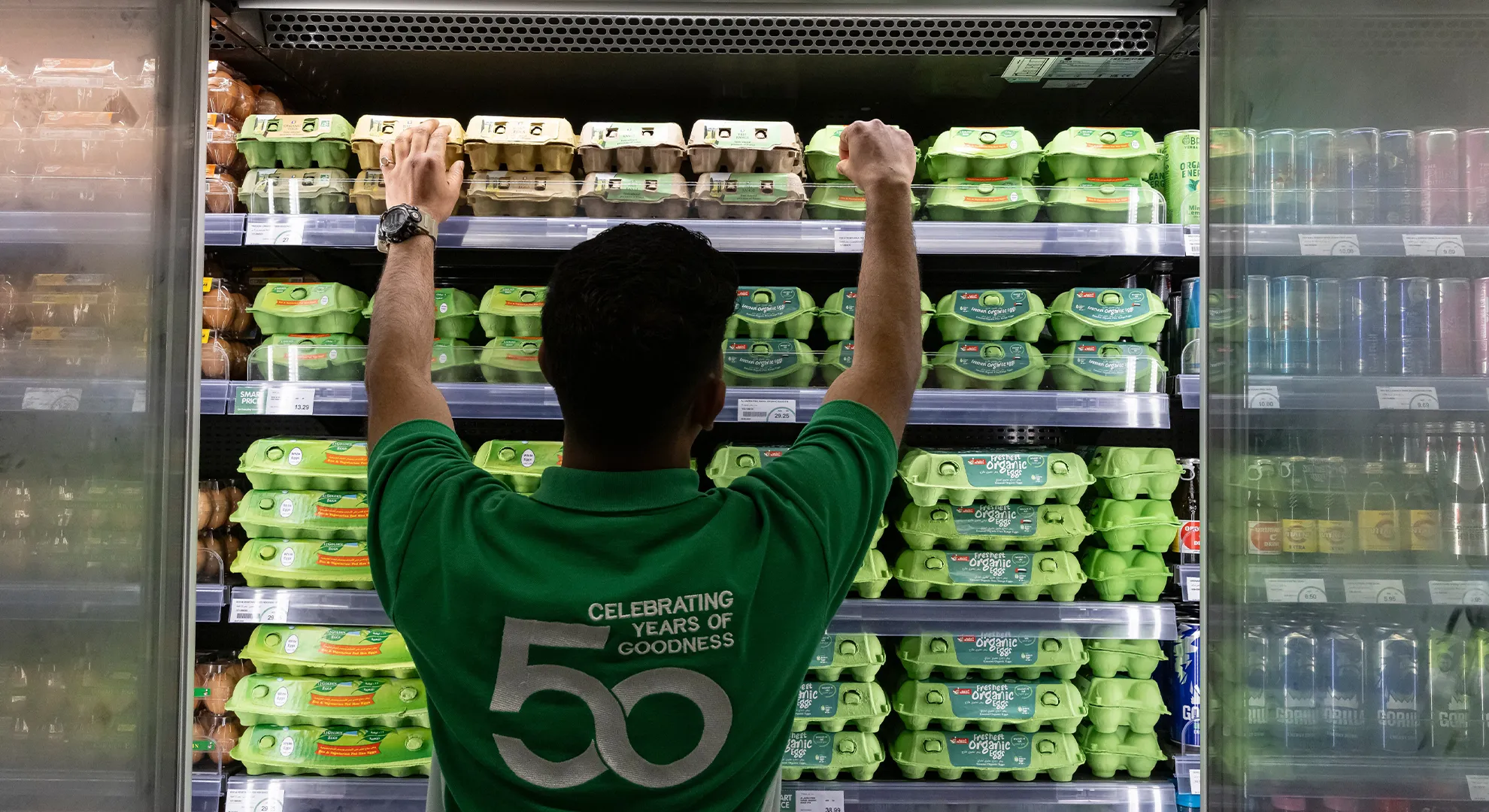
Consumers in the UAE could soon experience higher grocery bills as the continued rise in fuel prices begins to affect transportation and distribution costs across the retail sector. Industry experts and senior executives from major supermarket groups have indicated that certain categories of food products are more vulnerable to price increases than others, particularly those that rely heavily on refrigerated transport, imports, and extensive supply-chain networks.
Among the products most likely to be impacted are fresh fruits and vegetables, dairy goods, frozen foods, chilled products, and a range of imported fast-moving consumer goods (FMCG). These items require constant movement through temperature-controlled logistics systems, making them especially sensitive to increases in fuel expenses.
The latest increase in petrol prices marks the fourth straight monthly rise in the UAE this year. Fuel rates for June 2026 climbed by approximately eight per cent compared with the previous month, reflecting ongoing strength in global crude oil markets. Since February 2026, petrol prices have surged dramatically, recording an increase of around 66 per cent over a four-month period. This sharp upward trend has raised concerns among businesses about the growing cost of transporting goods from ports, warehouses, and distribution centres to retail outlets across the country.
For June, motorists are paying significantly higher rates at the pump. The prices of Super 95, Special 95, and E-Plus 91 petrol have been set at Dh3.95, Dh3.83, and Dh3.76 per litre, respectively. While consumers may immediately notice the impact of these increases when refuelling their vehicles, the secondary effects on everyday goods are expected to emerge more gradually.
Retail industry leaders stress that shoppers should not anticipate an overnight increase in prices throughout supermarkets. Instead, any adjustments are likely to occur progressively as suppliers, distributors, and retailers assess the extent to which higher operating expenses affect their businesses. Many companies are expected to absorb a portion of the additional costs in the short term to remain competitive, delaying the full impact on consumers.
According to retail executives, products that depend on frequent transportation are typically the first to feel the pressure of rising fuel costs. Fresh produce is particularly vulnerable because fruits and vegetables must be transported quickly from farms, ports, and wholesale markets to store shelves in order to maintain quality and freshness. Any increase in logistics expenses can therefore have a direct effect on final retail prices.
Dairy products face similar challenges. Milk, yoghurt, cheese, and other refrigerated goods require uninterrupted cold-chain transportation and storage. Maintaining the necessary temperatures throughout the supply process consumes significant amounts of energy and fuel, meaning that increases in transportation costs can quickly influence operating expenses for suppliers and retailers.
Frozen and chilled food categories are also considered highly exposed. These products depend on specialised vehicles, refrigerated containers, and temperature-controlled warehouses. As fuel prices rise, the cost of operating these facilities and moving products through the supply chain increases, placing additional pressure on pricing structures.
Industry observers note that imported consumer goods could also become more expensive over time. Since many products sold in UAE supermarkets are sourced from international markets, higher transportation costs can affect multiple stages of the journey, including shipping, inland transport, storage, packaging, and distribution. While the impact may vary depending on the product category and supplier agreements, imported items generally face greater exposure to fluctuations in logistics costs.
Dr Dhananjay Datar, Chairman and Managing Director of Al Adil Trading, explained that products with strong dependence on transportation and cold-storage systems are expected to experience the greatest pricing pressure. He noted that fuel expenses influence nearly every stage of the supply chain, from moving goods between locations to packaging and final distribution. As a result, businesses may gradually revise prices across various categories as operational costs continue to rise.
Despite these challenges, retailers remain optimistic that any increases will be measured rather than abrupt. The competitive nature of the UAE retail market often encourages businesses to minimise price changes wherever possible. Many supermarket chains continue to focus on promotional campaigns, supplier negotiations, and operational efficiencies to reduce the burden on consumers.
Nevertheless, analysts believe that if global oil prices remain elevated for an extended period, businesses may find it increasingly difficult to absorb additional costs. In such a scenario, gradual adjustments to retail prices could become more widespread, particularly in categories that rely on imported goods and complex logistics networks.
For consumers, the immediate effect of higher fuel prices may be most visible at petrol stations, but the broader economic consequences could eventually extend to household budgets. As transportation and distribution expenses increase, food and grocery products that require extensive handling, refrigeration, and long-distance movement are likely to face the greatest risk of becoming more expensive in the months ahead.
While retailers emphasise that no widespread price surge is expected in the short term, the continued rise in fuel costs remains an important factor influencing the overall cost of doing business. Industry stakeholders will continue monitoring fuel markets and supply-chain conditions to determine whether further adjustments become necessary in the future.
Retail industry leaders in the UAE have indicated that the recent rise in fuel prices is expected to place additional cost pressures on several product categories, particularly those that rely heavily on transportation and complex distribution networks. While the impact is unlikely to be immediate or dramatic, certain goods may gradually become more expensive as businesses adjust to higher logistics and operational expenses.
Kamal Vachani, Deputy CEO, Group Director and Partner at Al Maya Group, explained that products sourced from overseas markets are among those most susceptible to cost increases. Since imported goods travel through multiple stages of transportation before reaching supermarket shelves, any increase in fuel costs can affect the overall expense of moving products across the supply chain. From international shipping and port handling to local distribution and delivery, transportation plays a critical role in determining the final retail price of many consumer products.
According to Vachani, packaged food items imported from other countries may face moderate pricing pressure in the coming months. These products often travel long distances and pass through several logistics channels before arriving at retail stores. As transportation costs rise, suppliers and distributors may encounter higher operating expenses, which can eventually influence product pricing.
Frozen food products are another category likely to be affected. Unlike standard grocery items, frozen goods require specialised handling and storage throughout the supply chain. Temperature-controlled facilities, refrigerated containers and dedicated transport vehicles are essential for maintaining product quality and safety. As fuel becomes more expensive, the cost of operating these systems also increases, adding to the financial burden faced by suppliers and retailers.
Vachani also highlighted that products with extensive distribution requirements could experience some upward movement in prices. Goods that need to be transported frequently between warehouses, distribution centres and retail outlets generally incur higher logistics costs. When fuel prices increase, businesses often face greater transportation expenses, making it more challenging to maintain existing pricing structures indefinitely.
Despite these concerns, he emphasised that retailers are actively working to minimise the impact on consumers. Supermarket chains and suppliers continue to collaborate closely to manage costs and improve operational efficiency. Through strategic planning, bulk purchasing agreements, supply-chain optimisation and negotiations with vendors, many retailers hope to absorb part of the additional expenses rather than passing them directly on to shoppers.
Vachani stressed that any potential price adjustments would likely be implemented carefully and gradually. The highly competitive nature of the UAE retail sector encourages businesses to keep prices as stable as possible while maintaining profitability. As a result, consumers are unlikely to witness sudden or widespread increases across all supermarket categories.
Similar observations were shared by Mark Mortimer-Davies, Chief Executive Officer of Choithrams, who noted that products requiring specialised transportation are particularly vulnerable to rising fuel costs. He explained that goods dependent on temperature-controlled logistics systems face unique challenges because maintaining specific storage conditions demands significant energy and transportation resources.
Fresh fruits and vegetables are among the categories most exposed to these pressures. Produce must be transported quickly from farms, import terminals and distribution centres to retail stores to preserve freshness and quality. This process often involves multiple deliveries and careful handling, making transportation costs a significant component of the overall supply chain. As fuel expenses rise, the cost of moving fresh produce throughout the network may increase accordingly.
Dairy products are another category expected to face cost pressures. Items such as milk, cheese, yoghurt and other refrigerated foods require uninterrupted cold-chain logistics from production facilities to supermarket shelves. Maintaining these conditions involves refrigerated transportation, specialised storage facilities and continuous monitoring systems, all of which contribute to operating expenses. Any increase in fuel prices can therefore have a direct impact on the overall cost of distributing dairy products.
Mortimer-Davies also pointed to chilled and frozen food segments as areas where businesses may encounter higher expenses. These products rely on advanced refrigeration infrastructure and frequent deliveries to ensure freshness and compliance with food safety standards. Rising fuel costs can affect every stage of this process, from warehouse operations to final-mile transportation.
Another important factor is the frequency of replenishment required for perishable goods. Unlike non-perishable products that can remain in storage for extended periods, fresh and chilled items often require regular restocking. This means more transportation trips and higher exposure to fluctuations in fuel prices. As logistics costs increase, retailers and suppliers must carefully evaluate how to manage these additional expenses without significantly affecting consumers.
Industry experts note that while fuel prices are an important contributor to operating costs, they represent only one part of a broader pricing equation. Retailers also consider factors such as supplier agreements, inventory levels, exchange rates, import costs and market competition when determining whether price adjustments are necessary. Consequently, any impact on supermarket shelves is expected to emerge gradually rather than all at once.
Both executives agree that maintaining affordability remains a key priority for retailers operating in the UAE. Companies are exploring various measures to reduce cost pressures, including improving transportation efficiency, optimising delivery schedules, investing in supply-chain technology and strengthening relationships with suppliers. These efforts are aimed at protecting consumers from the full effects of rising operational expenses.
For shoppers, the message from major retailers is that while some product categories may experience moderate pricing pressure due to higher fuel costs, businesses are taking proactive steps to limit the impact. Essential food items, particularly those requiring refrigeration, importation or frequent transportation, are likely to be monitored closely as companies balance operational realities with consumer expectations.
As fuel prices continue to influence logistics and distribution costs, retailers will remain focused on finding practical solutions that preserve price stability while ensuring a reliable supply of goods across stores. Although some categories may face gradual adjustments over time, industry leaders believe that careful planning and collaboration throughout the supply chain can help mitigate the effects of rising transportation expenses.
Up to 8% price increase, but gradual
Retail industry leaders in the UAE have sought to reassure consumers that the recent increase in fuel prices is unlikely to trigger an immediate or widespread rise in supermarket prices. While higher transportation expenses inevitably add pressure to supply chains, experts say fuel represents only one component of the overall cost structure behind grocery products, and its influence on final retail prices is often smaller than many shoppers assume.
Mark Mortimer-Davies, Chief Executive Officer of Choithrams, explained that there is a common misconception that a sharp rise in petrol or diesel prices automatically translates into equivalent increases in the cost of food and household essentials. In reality, the pricing of supermarket products is influenced by a wide range of factors, many of which have a far greater impact than transportation costs alone.
According to Mortimer-Davies, the final price consumers pay at checkout is shaped by several variables, including the cost of raw materials, manufacturing expenses, packaging, labour, warehousing, import duties, currency exchange fluctuations and market competition. Transport costs are certainly part of the equation, but they generally account for only a limited share of the overall retail price of most grocery items.
He noted that even when fuel prices rise significantly, the effect on the shelf price of many supermarket products is often relatively modest. This is because transportation expenses represent only a fraction of the total cost incurred from production to sale. As a result, a large increase in fuel costs does not necessarily lead to a proportionate increase in consumer prices.
Mortimer-Davies further pointed out that retailers and suppliers typically explore a range of cost-saving measures before considering any price adjustments. Businesses continuously look for operational efficiencies, negotiate with suppliers, optimise logistics networks and improve inventory management in an effort to offset rising expenses. These strategies often help absorb part of the financial pressure created by higher fuel costs, reducing the need for immediate increases at the checkout counter.
He stressed that, based on current market conditions, fuel costs alone are unlikely to generate a substantial increase in overall grocery inflation. While some categories may experience limited pricing pressure, he does not expect the recent rise in fuel prices to be the primary driver of widespread food inflation across the UAE retail sector.
The executive also emphasised that pricing decisions are never made using a one-size-fits-all approach. Instead, retailers evaluate products individually, taking into account the unique cost structure and market dynamics associated with each category. Factors such as supplier pricing, sourcing arrangements, demand trends and competitive conditions all play a critical role in determining whether any adjustment becomes necessary.
Maintaining affordability remains a major priority for supermarket operators, particularly in a highly competitive retail environment such as the UAE. Retailers understand that consumers are sensitive to price changes and are therefore cautious about passing additional costs directly to shoppers unless absolutely necessary.
Dr Dhananjay Datar, Chairman and Managing Director of Al Adil Trading, echoed the view that the impact of rising fuel costs is likely to emerge gradually rather than suddenly. While he acknowledged that transportation expenses can influence pricing throughout the supply chain, he believes any increases would be measured and dependent on specific product categories.
According to Dr Datar, if elevated fuel prices persist over an extended period, certain grocery items could eventually witness moderate price adjustments. Depending on sourcing methods, transportation requirements and product type, retail prices could rise by approximately three to eight per cent. However, the extent of any increase would vary considerably from one category to another.
Products that depend heavily on imports, refrigerated transportation or extensive distribution networks may be more vulnerable to cost pressures than goods sourced locally or transported through shorter supply chains. Nevertheless, he stressed that retailers and suppliers continue to make considerable efforts to contain costs wherever possible.
Dr Datar explained that businesses throughout the supply chain are actively working to absorb part of the additional financial burden rather than transferring it entirely to consumers. Through improved operational efficiency, better procurement strategies and careful cost management, many companies aim to minimise the effect of rising fuel expenses on household budgets.
The objective, he noted, is to strike a balance between maintaining business sustainability and protecting consumers from unnecessary price increases. Retailers recognise the importance of keeping essential products affordable, particularly during periods of economic uncertainty and fluctuating global commodity prices.
A similar perspective was shared by Kamal Vachani, Deputy CEO, Group Director and Partner at Al Maya Group. He stated that although rising fuel costs inevitably create additional pressure on business operations, the company is taking proactive steps to limit the impact on customers.
Vachani said the retailer is currently absorbing a portion of the increased expenses internally rather than passing the full cost on to shoppers. By implementing efficiency measures and carefully managing operating costs, the company hopes to keep any future price changes as limited as possible.
He emphasised that consumer welfare remains a key consideration in every pricing decision. The goal, according to Vachani, is not only to maintain profitable and sustainable operations but also to ensure that customers continue to have access to affordable products despite changing market conditions.
Industry leaders generally agree that while fuel price increases can influence retail costs over time, they are only one factor among many that determine supermarket pricing. For most products, transportation expenses make up a relatively small percentage of the final retail price, meaning that even significant increases in fuel costs may result in only modest changes on store shelves.
As a result, shoppers are unlikely to see an immediate surge in grocery prices solely because of recent fuel price adjustments. Any future increases are expected to be gradual, selective and dependent on specific product categories rather than affecting the entire supermarket sector at once.
Retailers across the UAE continue to focus on managing costs efficiently, strengthening supplier partnerships and maintaining competitive pricing. These efforts are intended to cushion consumers from the full impact of rising operational expenses while ensuring a stable supply of essential goods. Although higher fuel prices present challenges for businesses, industry executives remain confident that careful planning and cost-control measures can help keep grocery inflation under control in the months ahead.
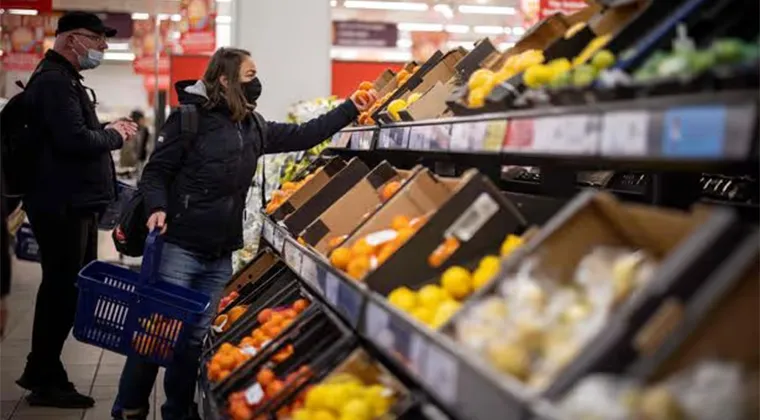
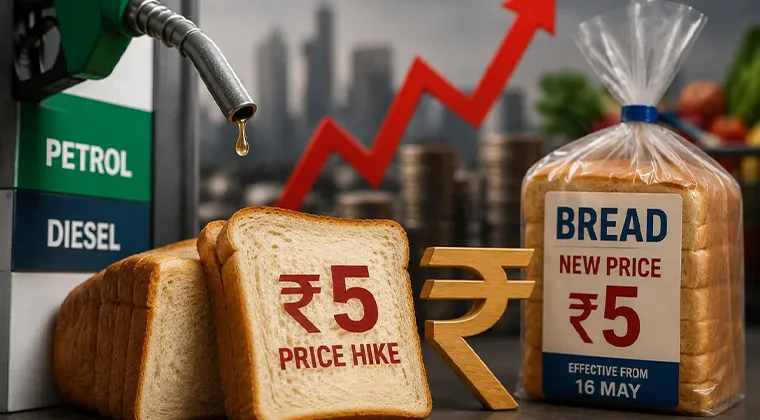
Improving efficiency to offset impact on consumers
Despite the latest rise in fuel prices across the UAE, major supermarket operators say their primary objective remains protecting consumers from unnecessary price increases. Rather than immediately adjusting prices on store shelves, retailers are concentrating on improving operational efficiency, streamlining logistics and strengthening supply-chain management to offset higher transportation expenses.
Mark Mortimer-Davies, Chief Executive Officer of Choithrams, acknowledged that the increase in fuel costs represents a significant challenge for businesses that depend on extensive distribution networks. However, he stressed that the company’s immediate response is focused on reducing inefficiencies throughout its operations rather than transferring additional costs directly to shoppers.
According to Mortimer-Davies, Choithrams has initiated a number of measures aimed at improving the efficiency of its logistics and transportation systems. The company is carefully reviewing delivery schedules and transport routes to ensure that vehicles operate in the most effective manner possible. By reducing unnecessary mileage and making better use of available transport capacity, the retailer hopes to minimise the impact of higher fuel expenses on its overall cost base.
One of the key strategies being implemented involves optimising delivery routes to reduce travel distances and eliminate avoidable journeys. Through advanced planning and route management, the company aims to ensure that products reach stores using the most efficient transportation network available. This approach not only helps lower fuel consumption but also improves overall operational productivity.
The retailer is also working to maximise truck utilisation. Instead of sending partially loaded vehicles on multiple trips, efforts are being made to increase load efficiency so that a greater volume of goods can be transported in fewer journeys. By improving vehicle capacity usage, transportation costs can be spread across larger quantities of products, helping to contain overall distribution expenses.
Another area of focus is the movement of inventory through central distribution centres. Mortimer-Davies explained that increasing the role of distribution hubs allows products to be consolidated more effectively before being delivered to stores. This reduces the need for multiple direct deliveries and helps create a more streamlined and cost-efficient supply chain.
In addition to internal improvements, Choithrams is collaborating closely with suppliers to identify further opportunities for cost savings. The company is examining every stage of the supply chain to determine where efficiencies can be achieved without affecting product quality or availability. These efforts include reviewing transportation arrangements, inventory management processes and procurement strategies.
Mortimer-Davies emphasised that retailers have an important responsibility during periods of rising costs. He believes businesses should make every reasonable effort to absorb additional expenses before considering any increase that could affect consumers. In a competitive retail environment such as the UAE, maintaining customer trust and affordability remains a critical priority.
He noted that simply passing every increase in operating costs directly to consumers is neither practical nor sustainable in the long term. Instead, retailers must continuously innovate and improve efficiency to remain competitive while preserving value for shoppers.
A similar approach is being adopted by Al Maya Group. Kamal Vachani, Deputy CEO, Group Director and Partner at the company, said the retailer is actively working to minimise the effects of fuel price fluctuations through a combination of supply-chain optimisation and operational improvements.
According to Vachani, the company recognises that external economic pressures such as higher fuel costs can influence business expenses. However, rather than allowing these increases to immediately affect retail prices, Al Maya Group is focusing on strengthening its logistics capabilities and improving overall efficiency across its operations.
One of the retailer’s main priorities is enhancing route planning and transportation management. By carefully analysing delivery schedules and transportation patterns, the company aims to reduce fuel consumption while maintaining service standards across its network of stores.
Vachani said the business is also investing significant effort in improving load planning. Better coordination of shipments and inventory movement allows products to be transported more efficiently, reducing unnecessary transportation costs and increasing productivity throughout the supply chain.
Supplier relationships are another important component of the company’s strategy. Al Maya Group continues to engage with suppliers to negotiate favourable terms and identify mutually beneficial solutions that help control costs. Strong partnerships with suppliers can often create opportunities for improved efficiency, better pricing structures and more resilient supply chains.
The retailer’s objective is to shield customers from the immediate effects of changing economic conditions whenever possible. Vachani stressed that protecting consumers remains a central focus of the company’s decision-making process. Through operational improvements and careful cost management, the business aims to ensure that fluctuations in fuel prices do not translate into significant or sudden increases for shoppers.
Meanwhile, Dr Dhananjay Datar, Chairman and Managing Director of Al Adil Trading, said his company is also taking proactive steps to address the challenges associated with rising fuel expenses. The organisation is closely monitoring developments in fuel markets and evaluating their potential impact across various aspects of the business.
According to Dr Datar, effective inventory management has become an increasingly important tool for controlling costs. By improving forecasting and planning processes, the company can ensure that stock levels are managed efficiently, reducing unnecessary transportation requirements and limiting waste.
Bulk purchasing is another strategy being utilised to help offset rising operational expenses. Procuring larger quantities of products at strategic intervals can create cost advantages while reducing the frequency of transportation movements. This approach helps improve supply-chain efficiency and provides greater flexibility in managing market fluctuations.
The company is also reviewing its logistics network to identify opportunities for optimisation. By analysing transportation routes, warehouse operations and distribution processes, Al Adil Trading aims to reduce costs while maintaining service quality and product availability.
Dr Datar highlighted the importance of long-term supplier relationships in managing economic pressures. Established partnerships with suppliers often create opportunities for better commercial arrangements, enabling businesses to absorb a portion of increased operating costs rather than passing them directly to consumers.
He explained that these relationships allow companies to work collaboratively during challenging market conditions, creating solutions that benefit both businesses and customers. Through ongoing cooperation, suppliers and retailers can often find ways to improve efficiency and maintain price stability despite external pressures.
Consumer affordability remains a key concern for the company. Dr Datar stated that every effort is being made to ensure essential grocery items remain accessible to households across the UAE. While rising fuel costs present operational challenges, the company is committed to limiting the impact on shoppers through careful planning and disciplined cost management.
Industry leaders generally agree that the best response to rising fuel prices is not immediate price increases but smarter business practices. Across the retail sector, companies are focusing on logistics optimisation, transportation efficiency, stronger supplier partnerships and improved inventory management as ways to absorb additional costs.
These initiatives reflect a broader commitment among UAE retailers to maintain competitive pricing while navigating changing economic conditions. Although fuel prices have risen significantly in recent months, supermarket operators remain focused on protecting consumers and ensuring that essential goods continue to be available at reasonable prices.
For now, retailers believe that operational improvements and strategic cost-control measures can help offset much of the pressure created by higher fuel expenses. As a result, the emphasis remains firmly on efficiency, innovation and collaboration rather than widespread price increases, providing reassurance to consumers concerned about the potential impact of rising fuel costs on their household budgets.