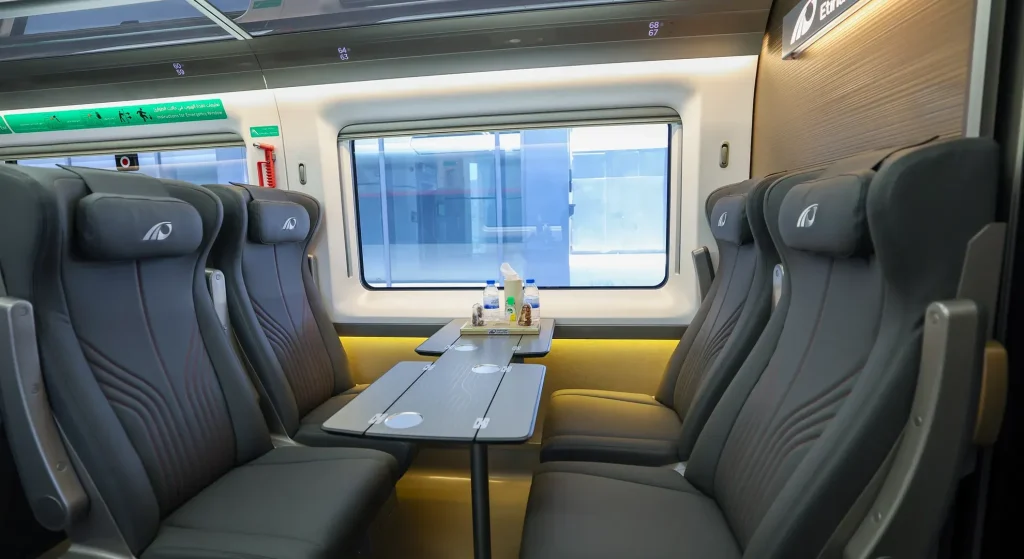
A closer look at the upcoming Etihad Rail passenger trains in the UAE, highlighting what travelers can expect on board, including comfort, facilities, and the overall journey experience.
Etihad Rail passenger trains in the UAE: A preview of the onboard experience.
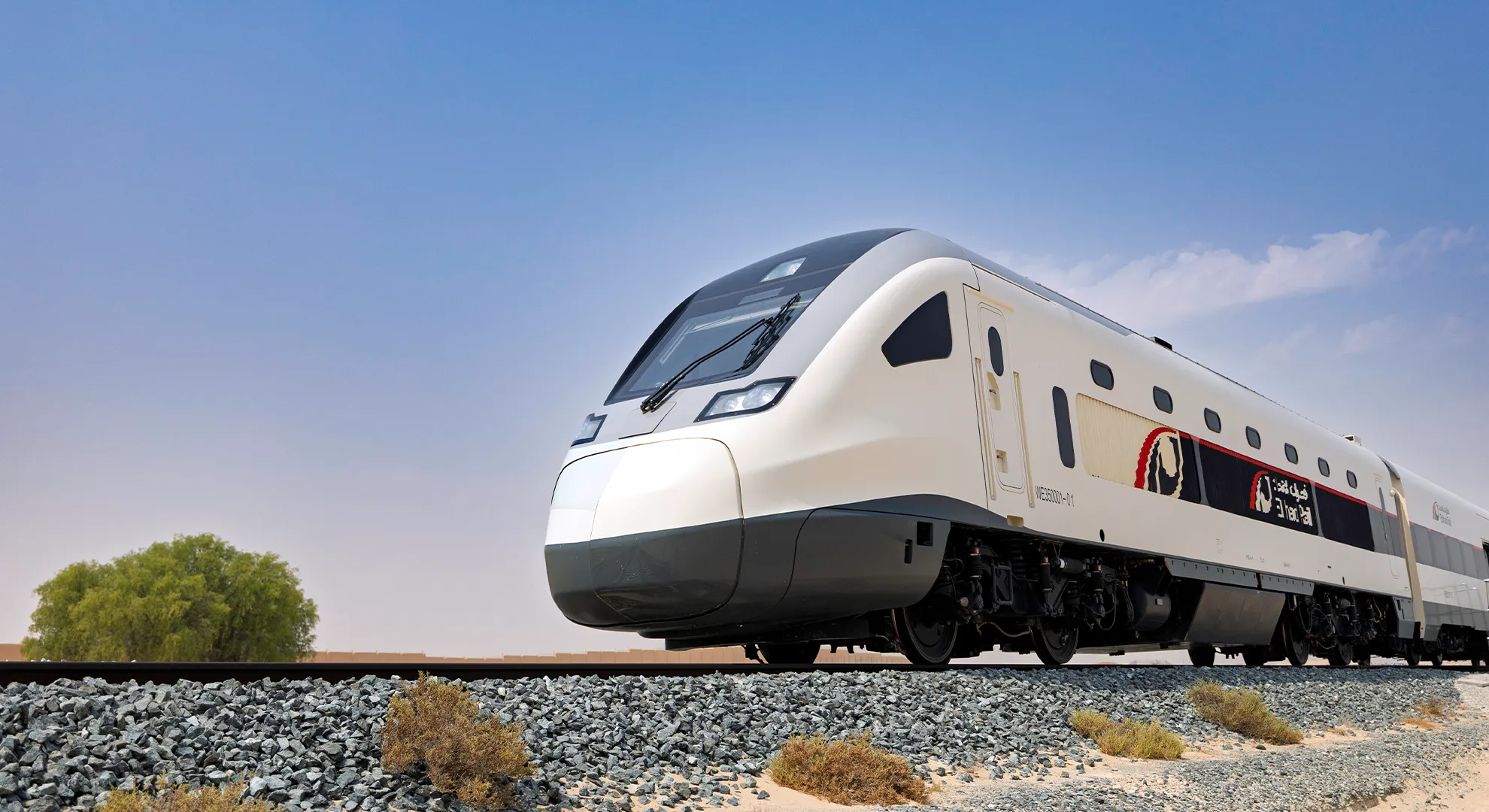
A complete guide to Etihad Rail’s upcoming passenger network in the UAE, covering the first stations expected to become operational, the planned route map, estimated travel durations between emirates, different seating categories, and onboard cabin facilities as the service moves closer to its 2026 launch.
A recent test journey offered one of the most detailed early glimpses into what future rail travel across the UAE could feel like, as a train departed from Fujairah Station and moved smoothly towards the dramatic backdrop of the Hajar Mountains. This demonstration ride highlighted the vision behind Etihad Rail’s long-awaited passenger service, which aims to transform inter-emirate transportation once operations begin in phases in 2026.
The preview journey, conducted for media representatives including an Insider 18 team, started at Fujairah Station—currently the most fully developed passenger station within the Etihad Rail network. From there, the train headed towards the Al Bithnah Bridge area, allowing passengers to experience a short but symbolic stretch of the route that will eventually connect multiple emirates through a unified rail system.
The station itself showcased a modern and carefully planned design approach. Inside, passengers are greeted with a clean and spacious environment featuring a blend of cream and grey interior tones that create a calm and neutral atmosphere. Large glass panels allow natural light to flood the concourse areas, while clear directional signage ensures easy navigation for first-time users. Automated entry and exit barriers are installed to streamline passenger movement and improve efficiency, reflecting a focus on convenience and smart infrastructure.
Beyond the station experience, attention was also drawn to the train interiors, which have been developed with passenger comfort as a key priority. The cabins are designed to offer generous seating space, allowing ample legroom even for longer journeys across emirates. Connectivity has also been integrated into the travel experience, with onboard Wi-Fi expected to support passengers who wish to stay connected, work remotely, or access entertainment during their trip.
According to officials involved in the project, a significant part of the planning has been centered around making rail travel accessible and welcoming to all residents, many of whom may be experiencing train journeys for the first time. The goal is not only to introduce a new transport system but also to ensure that passengers feel comfortable and supported from the moment they enter the station until they reach their destination.
Speaking during the preview, Adhraa Almansoori, Executive Director of Commercial at Etihad Rail, emphasized the importance of the overall passenger experience. She explained that careful thought has been put into every element of the journey, from station design to staffing and signage. The intention is to create an environment where travelers of all ages and backgrounds feel confident navigating the system independently, with assistance readily available whenever needed.
As the UAE prepares for the phased rollout of passenger services, anticipation continues to build around how the network will reshape domestic travel. The rail system is expected to significantly reduce travel times between emirates while offering a more sustainable and efficient alternative to road transport.
What has been revealed so far suggests a strong emphasis on comfort, clarity, and accessibility, positioning Etihad Rail not just as a transport project, but as a major step forward in the country’s infrastructure development.
As operations approach, further details on station locations, ticketing systems, train schedules, and service classes are expected to be announced, completing the picture of what is set to become one of the most significant mobility upgrades in the UAE’s recent history.
The rollout of Etihad Rail’s passenger services will not happen all at once across the entire network. Instead, the launch has been planned in carefully managed stages, allowing the system to gradually expand operations while maintaining strong safety standards and operational reliability. This phased strategy aligns with international rail industry practices, where new passenger networks are typically introduced step by step rather than being activated in full from day one.
Under the initial phase of operations, the earliest routes are expected to link key locations across the UAE, specifically Abu Dhabi, Dubai, and Fujairah. These connections are set to form the foundation of the country’s first national passenger rail system, enabling travel between major urban centers and coastal regions through a modern and efficient rail corridor. The gradual expansion is designed to ensure that every part of the service—from train operations to station handling—functions smoothly before additional routes are added.
Etihad Rail has highlighted that this approach is not only about logistics but also about ensuring passenger safety remains the highest priority. By introducing services in stages, the operator can monitor performance, make refinements where needed, and ensure that all systems are fully optimized before the network becomes fully operational across all planned destinations.
In terms of initial station openings, three key locations have been identified as the first to welcome passengers. These include the Mohamed bin Zayed City station in Abu Dhabi, the Jumeirah Golf Estates station in Dubai, and Fujairah Station. These stations are expected to serve as the primary entry points into the new rail system during its early phase of operations, connecting passengers across significant population and development hubs.
Each of these stations has been strategically chosen based on connectivity, demand, and regional importance. Abu Dhabi’s Mohamed bin Zayed City station will serve a densely populated residential and commercial area, making it a major access point for daily commuters. In Dubai, the Jumeirah Golf Estates station is positioned within a well-known development that links residential communities with broader transport networks. Fujairah Station, meanwhile, connects the eastern region of the UAE, offering a crucial link between the coast and the inland emirates.
Looking at the broader network, the full passenger rail system is expected to include a total of eleven stations spread across the country. These planned stops will collectively form the backbone of inter-emirate rail travel, significantly improving mobility and reducing dependence on road transport. The stations expected to be part of the wider network include Abu Dhabi, Dubai, Sharjah, Fujairah, Al Dhaid, Al Dhannah, Al Faya, Madinat Zayed, Mezaira’a, Al Mirfa, and Al Sila.
This extensive list demonstrates the ambition behind the project, which aims to connect both major urban centers and more remote regions of the UAE through a unified rail infrastructure. By linking coastal cities, inland towns, and industrial areas, the network is designed to support both passenger movement and long-term national development goals.
Among all the stations in the system, Fujairah Station holds a particularly important role, as it is the first passenger station to be fully completed. Covering an area of approximately 51,900 square metres, it represents a significant milestone in the progress of the Etihad Rail passenger project. Its completion marks a transition from construction to operational readiness for at least part of the network.
The station is also notable for its location. It sits close to several important landmarks in the emirate, making it easily accessible and strategically positioned for both residents and visitors. Nearby points of interest include Fujairah International Airport, the historic Sakamkam Fort, and Umbrella Beach, a popular coastal destination. This proximity to key sites highlights the station’s role not only as a transport hub but also as a gateway for tourism and regional connectivity.
Overall, the development of Etihad Rail’s passenger network reflects a long-term vision to transform how people travel across the UAE. With a phased launch strategy, carefully selected initial stations, and a wide network planned for the future, the project is set to gradually reshape domestic transport while ensuring safety, efficiency, and convenience remain central to its rollout.
What will stations offer?
Etihad Rail stations are expected to include:
• Clear signage
• Comfortable passenger spaces
• Staff assistance
• Accessibility features
• Parking
What can passengers expect inside the trains?
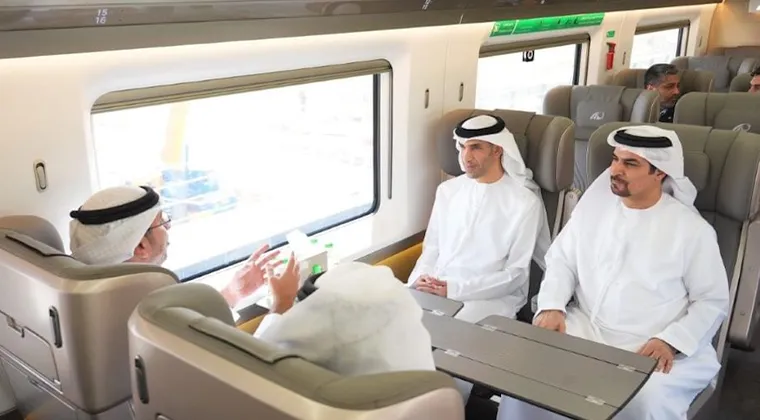
During the Insider 18 preview ride in Fujairah, the train interiors were designed with passenger comfort clearly in mind. Seats were built to be supportive and spacious, offering ample legroom for a relaxed journey. Every seat was equipped with charging points and access to onboard Wi-Fi, allowing passengers to stay connected throughout the trip. Convenience features such as foldable tray tables added practicality for working or eating while travelling. Overhead compartments provided space for smaller luggage, while dedicated storage areas accommodated larger bags securely. In addition, specially arranged family seating ensured that parents and children could travel together with ease and comfort.
What classes will be available?
The service will offer two travel categories: Comfort and Premium.
According to Almansoori, both classes have been designed with equal attention to passenger experience, ensuring high standards across seating quality, available space, onboard connectivity, and overall cabin ambience. The focus, she noted, is on delivering a uniform and reliable experience so that passengers can expect the same level of comfort and consistency on every trip, regardless of the class they choose.
How long will trips take?
Travel times on the upcoming Etihad Rail passenger network are expected to significantly cut journey durations between major emirates. The trip between Abu Dhabi and Dubai will take under an hour, making it a fast alternative to road travel. Meanwhile, travelling from Dubai to Fujairah is projected to take just over an hour, and the journey from Abu Dhabi to Fujairah will last around one hour and 45 minutes.
According to Etihad Rail’s estimates, the specific timings are as follows: Abu Dhabi to Dubai is expected to take approximately 57 minutes, Dubai to Fujairah around 69 minutes, and Abu Dhabi to Fujairah about 105 minutes.
How fast will the trains go?
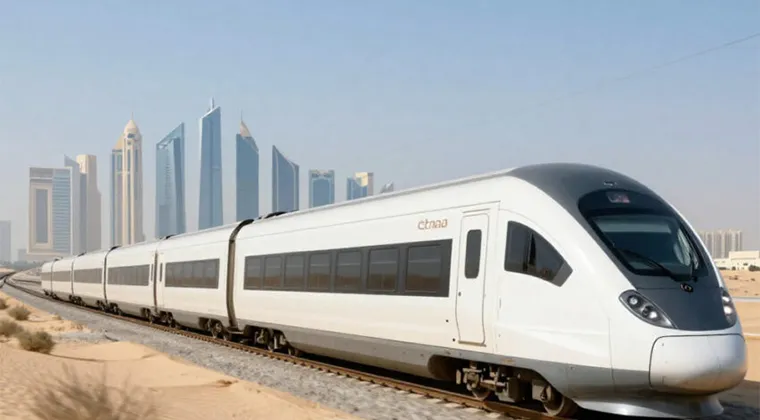
Etihad Rail’s passenger trains are designed to run at speeds reaching up to 200 km/h.
The network is also planned to follow a strict and consistent timetable, offering passengers a dependable mode of transport that avoids traffic delays and provides a smoother, more efficient alternative to road travel.
How many passengers can each train carry?
Each train is expected to accommodate as many as 400 passengers when the service becomes fully operational.
The system has been planned to deliver a smooth, well-organised journey experience suitable for everyday commuters, business travellers, and families, ensuring comfort and efficiency for all types of passengers.