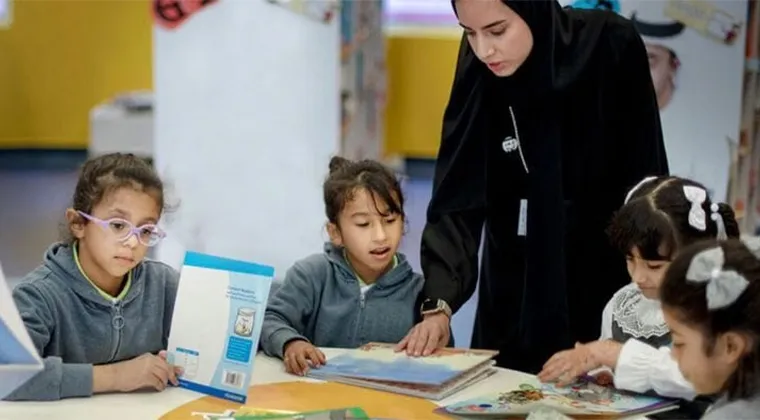
Aldar Education in Abu Dhabi has announced an accelerated recruitment initiative aimed at quickly bringing 300 Emirati teachers on board as part of a streamlined and fast-tracked employment strategy.
Abu Dhabi’s Aldar Education to rapidly hire 300 Emirati educators under fast-tracked plan.
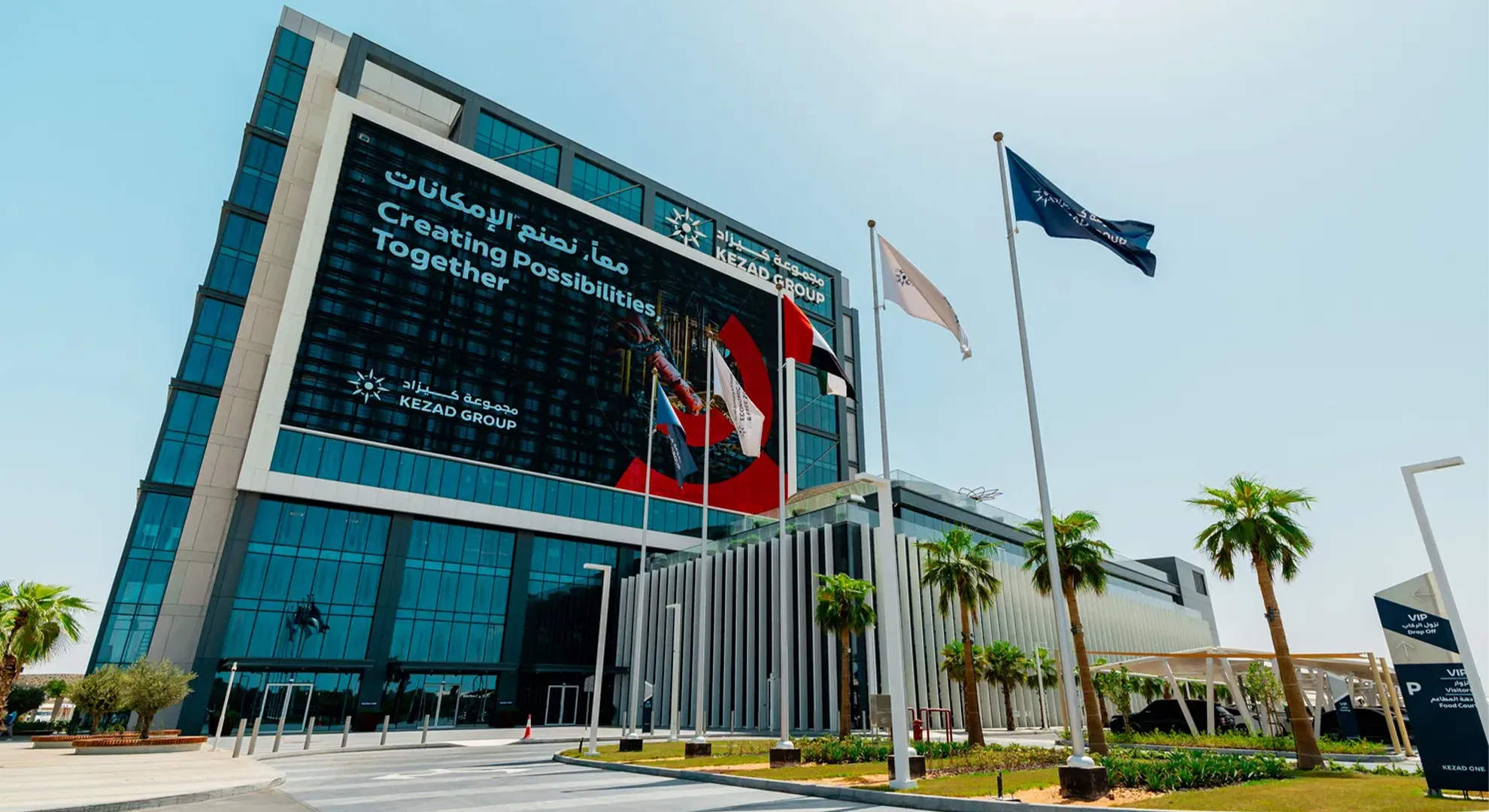
The agreement between the Abu Dhabi Department of Education and Knowledge (ADEK) and Aldar Education represents a significant step forward in the emirate’s long-term strategy to increase the participation of Emirati nationals within the school education sector. Through this collaboration, both entities aim to create a more sustainable and clearly defined pathway that encourages citizens of the UAE to pursue careers in education and remain in the field for professional growth and leadership development over time.
Under this initiative, Aldar Education has outlined plans to recruit more than 300 UAE nationals, with a substantial portion—over 100 individuals—entering classroom teaching positions for the very first time. This reflects a deliberate effort to widen the entry points for Emiratis into the education profession, especially for those who may not have previously considered teaching as a career option. By doing so, the programme seeks to build confidence, provide structured support, and ensure that new educators are well-prepared for the responsibilities of classroom instruction.
The partnership also aligns with broader national objectives focused on Emiratisation, particularly within key public-facing sectors such as education. Schools are viewed as essential environments for shaping future generations, and increasing the presence of Emirati teachers and staff is considered important for cultural representation, identity reinforcement, and long-term workforce sustainability. As part of this vision, the initiative is not limited to immediate hiring but extends to developing a continuous pipeline of talent that can grow within the system.
Officials involved in the programme have highlighted that the collaboration is expected to significantly raise Emirati representation in important educational roles, with projections indicating a potential ninefold increase. This anticipated growth underscores the scale of the ambition behind the initiative and reflects a structured, data-driven approach to workforce planning within the education sector. Rather than short-term recruitment, the emphasis is placed on long-term transformation of staffing patterns within schools.
A key feature of the ADEK–Aldar partnership is its focus on structured development stages. The programme is designed to begin with early exposure opportunities, where Emirati students and graduates can gain insight into the education sector through internships, school visits, and introductory training modules. These initial experiences are intended to help participants understand the realities of teaching and school operations before committing to a formal career path.
Following this early engagement phase, participants are expected to move into more formalised training and certification programmes. These are structured to equip aspiring educators with the necessary pedagogical skills, classroom management techniques, subject knowledge, and assessment strategies required for effective teaching. The training is likely to include both theoretical instruction and practical classroom-based experience, ensuring that candidates are fully prepared for real-world teaching environments.
Once the training phase is successfully completed, participants may transition into full-time teaching roles across Aldar Education schools. This stage represents a critical milestone in the pipeline, as it converts trained candidates into active educators who directly contribute to student learning outcomes. The system is designed to provide ongoing support during this transition, including mentoring, peer collaboration, and professional guidance to help new teachers adjust to their roles effectively.
Beyond entry-level teaching positions, the initiative also places strong emphasis on long-term career progression. Emirati educators entering the system will be given opportunities to advance into specialist roles, such as curriculum development, subject coordination, student support services, and academic leadership positions. Over time, the programme aims to cultivate a strong cohort of Emirati education leaders who can take on senior responsibilities within schools and contribute to strategic decision-making processes.
Leadership development is considered a core pillar of the initiative. By identifying high-potential educators early in their careers and providing them with structured growth opportunities, the programme seeks to ensure that Emiratis are not only present in classrooms but are also represented in school management and administrative leadership roles. This approach is intended to create a balanced and sustainable leadership structure within the education sector.
Another important aspect of the collaboration is its emphasis on long-term retention. Rather than focusing solely on recruitment numbers, the programme is designed to support career satisfaction, professional development, and continuous learning. By offering clear progression pathways and ongoing training opportunities, Aldar Education and ADEK aim to reduce turnover and encourage Emirati educators to remain in the profession over the long term.
The partnership also reflects a broader shift towards public-private cooperation in the development of national human capital. By combining the regulatory and strategic oversight of ADEK with the operational capabilities of a major private education provider like Aldar Education, the initiative is able to leverage resources, expertise, and institutional networks more effectively. This collaborative model is expected to serve as a benchmark for future workforce development initiatives in other sectors as well.
In essence, the programme is structured as a comprehensive talent pipeline that spans multiple stages of professional development. It begins with awareness and early exposure, moves through targeted training and certification, transitions into classroom teaching roles, and ultimately extends into leadership and specialist positions. This end-to-end framework is designed to ensure continuity, consistency, and long-term impact on the composition of the education workforce in Abu Dhabi.
Overall, the ADEK–Aldar Education initiative represents a strategic effort to reshape the future of teaching in the emirate by systematically nurturing Emirati talent. Through a combination of recruitment, training, mentorship, and leadership development, the programme aims to build a strong, capable, and well-represented national teaching workforce that can contribute meaningfully to the growth and quality of education in Abu Dhabi over the coming years.
New Emiratis hires as education pipeline expands
Sahar Cooper, the Chief Executive Officer of Aldar Education, explained in an interview with Insider 18 that the collaboration with the Abu Dhabi Department of Education and Knowledge (ADEK) goes far beyond a conventional hiring programme. She described the initiative as a long-term transformation in how Emirati talent is identified, nurtured, and developed within the education sector, rather than simply a short-term recruitment drive aimed at filling vacancies.
According to her, the partnership is built on the idea of creating a durable and well-structured national capability framework. This framework is intended to align with the United Arab Emirates’ wider human capital development strategy, which focuses on preparing citizens for meaningful, future-oriented roles across key industries. In this context, education is viewed as a critical sector where national participation can have a deep and lasting impact on society, particularly in shaping younger generations.
Cooper highlighted that the collaboration between Aldar Education and ADEK is the first of its kind within the country’s education landscape. Through this initiative, Aldar Education is expected to work closely with the regulatory authority to recruit more than 300 Emirati nationals into the education workforce. This includes a significant group of over 100 individuals who are entering the teaching profession for the first time, marking a major expansion in opportunities for newcomers to the sector.
She further explained that the initiative represents a fundamental shift in structure rather than just scale. In her view, it changes the way Emirati teaching talent is developed from the ground up, starting from early exposure and progressing through training, deployment in classrooms, and eventually retention within the profession. This approach is designed to ensure that Emirati educators are not only recruited but are also supported throughout their entire professional journey.
One of the key priorities mentioned by Cooper is the strengthening of Emirati representation in subject-specific teaching areas, particularly Social Studies. She stated that Aldar Education is committed to ensuring that, over the next three years, Social Studies teaching roles across its schools will be primarily led by Emirati educators. This reflects a broader goal of ensuring that subjects closely connected to national identity, culture, and history are delivered by teachers who have a deep personal and cultural understanding of the content.
Cooper also emphasised the importance of early-stage career development as a foundational element of the programme. She explained that the initiative is not limited to hiring qualified teachers but also focuses on creating entry points for individuals who are still exploring the education profession. As part of this effort, Aldar Education plans to offer up to 30 internship placements annually. These internships are intended to give participants early exposure to school environments, allowing them to observe classroom dynamics, understand teaching responsibilities, and gain practical insight into the education system.
In addition to internships, the programme also includes up to 40 Classroom Assistant opportunities each year. These roles are designed to provide hands-on experience within schools, enabling participants to work closely with teachers and students while gradually building the skills required for future teaching positions. This layered approach ensures that individuals can enter the education sector at different stages of readiness and progressively move towards more advanced roles.
Beyond recruitment and training figures, Cooper placed strong emphasis on the broader cultural and social contributions of Emirati educators. She noted that Emirati teachers play an essential role in reinforcing cultural identity and fostering a sense of belonging among students. According to her, their presence in classrooms helps strengthen values such as citizenship awareness, national identity, and social cohesion, which are central to the educational experience in the UAE.
She explained that Emirati educators are uniquely positioned to contribute to students’ understanding of their heritage and national context. By sharing lived experiences and cultural perspectives, they help create a learning environment that goes beyond academic instruction and also supports emotional and social development. This, she suggested, adds a deeper layer of meaning to their role within schools.
Cooper also underlined the long-term ambition of the initiative, stating that it is not limited to classroom-level participation. Instead, the goal is to ensure that Emirati talent is integrated across multiple layers of the education system, including specialist roles and leadership positions. This includes opportunities for career advancement into academic coordination, curriculum development, and school leadership, allowing Emiratis to influence education policy and practice at a higher level.
She described this vision as being closely aligned with the UAE’s broader objective of building a knowledge-based and future-ready society. In her words, the collaboration reflects an aspiration to develop a system where national talent leads not only in teaching but also in shaping the strategic direction of education. This, she said, supports the creation of a sustainable ecosystem where Emirati professionals play a central role in driving innovation and quality in schools.
Overall, Cooper’s remarks framed the ADEK–Aldar partnership as a comprehensive transformation initiative rather than a simple workforce expansion. It combines recruitment, structured training, early career exposure, cultural integration, and leadership development into a single framework designed to strengthen Emirati participation in education for the long term.
Structured training to fast-track graduates into classrooms
A central component of this initiative focuses on supporting Emirati graduates as they move from higher education into professional teaching careers through carefully designed and structured training pathways. Rather than allowing this transition to happen in an uncoordinated or informal way, the programme establishes a clear system that guides graduates step by step into the education profession, ensuring they are properly prepared for the demands of classroom teaching.
The Abu Dhabi Department of Education and Knowledge (ADEK) has introduced initiatives that aim to open high-quality entry routes for Emirati graduates. These pathways are intended to provide participants with a strong foundation in pedagogy, including essential teaching methods, classroom management techniques, lesson planning strategies, and assessment practices. The goal is to ensure that individuals entering the profession have not only academic knowledge but also the practical skills required to teach effectively in real school environments.
Once candidates are identified and brought into the system, Aldar Education plays a key role in converting this initial potential into long-term professional capability. This is achieved through a structured onboarding process that helps new entrants become familiar with school operations, policies, expectations, and day-to-day teaching responsibilities. The onboarding phase is designed to reduce the gap between academic preparation and real-world classroom practice, allowing graduates to adjust more smoothly to their roles.
A major feature of the programme is its emphasis on continuous mentorship. Newly recruited Emirati teachers are paired with experienced educators who provide guidance, support, and regular feedback. This mentorship structure is intended to help early-career teachers build confidence, refine their teaching techniques, and develop a deeper understanding of student engagement strategies. It also ensures that they are not working in isolation, but instead are part of a supportive professional learning community.
Alongside mentorship, the initiative includes ongoing professional development opportunities. These are designed to strengthen teaching competencies over time and keep educators updated with modern instructional approaches. Training sessions, workshops, and collaborative learning activities are used to enhance skills and encourage reflective practice. This continuous learning model ensures that teachers are able to adapt to evolving classroom needs and educational standards.
Another important aspect of the programme is its clearly defined career progression framework. Rather than treating teaching as a static role, the system outlines structured pathways for advancement within the education sector. Teachers are given opportunities to move into senior teaching positions, curriculum leadership roles, academic coordination, and eventually school leadership positions. This progression structure is intended to motivate long-term commitment to the profession while also ensuring that talented individuals are retained within the system.
According to Cooper, this approach is strategically significant because it shifts the focus away from simple job placement. Instead of only hiring Emirati graduates into teaching roles, the programme aims to build a strong professional pipeline that develops educators capable of excelling in modern, high-performing school environments. The emphasis is on long-term capacity building, where individuals are prepared not just for their first job, but for an entire career in education.
She further explained that the ultimate goal is to nurture educators who can grow into leadership positions over time. This includes roles such as heads of department, academic coordinators, and school principals. By investing in long-term development, the initiative seeks to ensure that Emirati educators are positioned to influence educational quality, school culture, and institutional decision-making in the future.
A key internal mechanism supporting this vision is the Aldar Education GROW Teacher Pathway Programme. This is a multi-year talent development initiative designed to identify promising candidates at an early stage and provide them with a structured development journey. Through this programme, individuals are supported from the initial stages of their training all the way through to qualification and professional practice.
As part of this pathway, participants are encouraged to complete recognised teaching qualifications such as the Postgraduate Certificate in Education (PGCE). This qualification helps ensure that educators meet internationally recognised teaching standards while also gaining the practical classroom experience needed to apply their learning effectively. The integration of formal certification with practical training ensures a balanced and comprehensive preparation process.
In addition to academic and professional training, the programme also evaluates a broader set of personal and professional competencies. These include leadership potential, communication abilities, adaptability in dynamic classroom environments, awareness of safeguarding responsibilities, and alignment with the core values of the school system. This holistic assessment approach ensures that candidates are not only academically capable but also suited to the interpersonal and ethical demands of teaching.
Overall, the initiative reflects a long-term strategy to build a sustainable and highly skilled Emirati teaching workforce. By combining structured entry pathways, mentorship, professional development, formal qualifications, and leadership preparation, the programme aims to create educators who are well-equipped to contribute meaningfully to the education system at every stage of their careers.
Leadership pathways and long-term Emiratisation strategy
Beyond simply bringing new teachers into classrooms, the partnership is intended to establish a much wider framework that supports sustained professional growth, allowing Emirati educators to move steadily into specialised roles and senior leadership positions over the course of their careers. The focus is not limited to filling immediate teaching vacancies, but rather on building a long-term system in which educators can continuously develop, adapt, and advance within the education sector.
According to the statement, the modern education landscape is changing rapidly, and schools increasingly require professionals who possess a blend of strong academic grounding and a broader set of practical competencies. These include the ability to respond to new teaching methodologies, integrate digital tools effectively into lessons, prioritise student wellbeing, and work within inclusive education systems that cater to diverse learning needs. In addition, educators are expected to understand future workforce trends and prepare students with skills relevant to a changing global economy.
The emphasis, therefore, is on developing teachers who are not only subject experts but also adaptable professionals capable of operating in complex and evolving school environments. This requires continuous learning and professional agility, as well as the ability to respond to new educational expectations and institutional priorities over time.
The development model described within the partnership is built around the idea of continuous progression. Rather than viewing teacher development as a one-time process that ends once initial training is completed, it is framed as an ongoing journey. Educators are encouraged to regularly upgrade their skills, take on new responsibilities, and gradually build the experience needed to move into higher-level roles within schools.
A key objective of this approach is to ensure that Emirati educators are consistently prepared for advancement into leadership positions. This includes roles such as subject coordinators, heads of department, academic supervisors, and eventually senior school leadership roles. The intention is to create a clear and structured pathway where career growth is not accidental or limited, but systematically supported through training, mentorship, and professional opportunities.
The Chief Executive highlighted the long-term vision of building what she described as a fully integrated national talent ecosystem within the education sector. In this model, Emirati educators would be able to enter the profession at the early stages of their careers and progressively advance into specialised academic roles as well as influential leadership positions. The ecosystem is designed to ensure continuity, stability, and long-term capacity building within the national education workforce.
A strong focus is also placed on retention, with the understanding that developing talent is not sufficient unless educators are also supported to remain within the profession over time. Aldar Education has stated that Emiratisation is not being treated as a short-term compliance requirement, but rather as a strategic investment in strengthening the long-term capability of the education sector. This reflects a shift in mindset from numerical targets to sustainable workforce development.
In practical terms, this long-term investment begins with structured onboarding processes that help new teachers transition smoothly into their roles. It continues through mentoring systems that provide ongoing guidance and support from experienced educators, and extends into continuous professional development programmes designed to enhance teaching effectiveness over time. Together, these elements form the foundation of early-career support within the system.
However, the strategy does not stop at entry-level support. It further expands into leadership readiness initiatives, career mobility frameworks, and clearly defined advancement pathways across the school network. These mechanisms are designed to ensure that educators can see a transparent route for progression, encouraging long-term commitment to the profession. By making career growth visible and achievable, the system aims to increase both motivation and retention among Emirati teachers.
Another important feature of the partnership is the introduction of joint governance structures between Aldar Education and ADEK. This collaborative oversight model is intended to ensure that progress is continuously monitored and evaluated using measurable indicators. Key metrics include recruitment numbers, retention rates, and career progression outcomes. By tracking these indicators systematically, both organisations can assess the effectiveness of the initiative and make adjustments where necessary to improve outcomes over time.
This data-driven approach is intended to ensure accountability and transparency in the implementation of the programme. It also allows policymakers and education leaders to better understand how Emirati educators are progressing through different stages of their careers and where additional support may be needed.
The Chief Executive further emphasised that the true measure of success for the initiative will not be limited to the number of Emiratis who enter teaching roles. Instead, greater importance will be placed on long-term outcomes such as how many educators remain in the profession, how many develop specialised expertise, and how many ultimately progress into senior leadership positions that influence the direction of education in the country.
In this sense, the partnership is designed to focus on quality and sustainability rather than short-term numerical achievements. The ultimate goal is to create a strong, stable, and highly skilled Emirati teaching workforce that can contribute meaningfully not only at the classroom level but also in shaping educational policy, school leadership, and the broader future of the education system in the UAE.