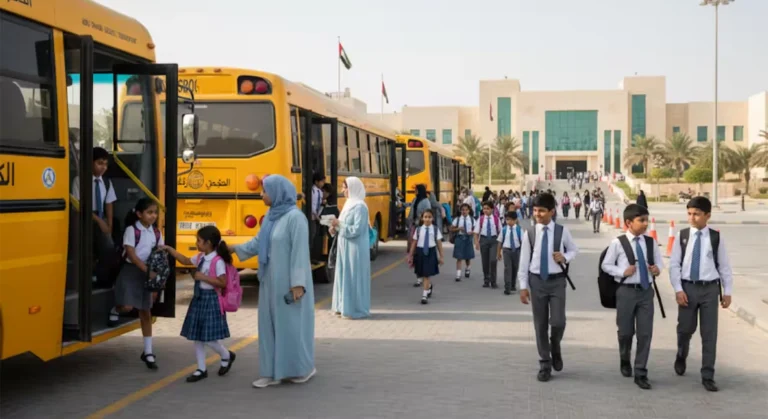
Travel activity from the UAE to India, Pakistan, and Egypt has witnessed a significant 51% increase ahead of Eid Al Adha, as more residents plan holiday trips to visit family and enjoy festive vacations.
Eid Al Adha travel bookings from the UAE to India, Pakistan, and Egypt jump 51% amid rising demand.

Family-oriented travel continues to be one of the strongest and most consistent patterns among residents living in the UAE, particularly when major holiday seasons arrive. Periods such as Eid Al Adha traditionally see a noticeable shift in travel behaviour, with many people prioritising visits to their home countries or planning short international vacations with their families. This trend becomes even more visible during extended breaks, when both time off and flight availability align to make travel more convenient.
As the upcoming Eid Al Adha holiday approaches, there has been a sharp rise in interest for outbound travel among UAE residents. Travel-related searches have increased significantly, climbing by more than 50 percent as people begin making early arrangements for the festive period. This surge in demand reflects a growing tendency among travellers to plan ahead, secure better fares, and ensure availability during peak holiday windows when demand is typically high.
Recent data highlights this upward momentum clearly. On the first day of Eid, searches for international travel departing from the UAE recorded a rise of approximately 51 percent when compared with the previous week. This notable increase points to a concentrated wave of interest that often occurs during major holidays, as residents finalize their plans or explore last-minute travel opportunities. The information, as reported through travel analytics from platforms such as Skyscanner, indicates how strongly seasonal events influence travel behaviour in the region.
One of the key drivers behind this surge is the importance of family reunions during Eid. For many expatriates living in the UAE, this period offers a valuable opportunity to reconnect with relatives in their home countries. Destinations such as India, Pakistan, and Egypt remain among the most frequently chosen locations due to strong cultural ties, large expatriate populations, and relatively convenient flight connections. These countries consistently rank high in travel searches during festive seasons, as people prioritize spending meaningful time with their families.
Alongside family visits, leisure travel is also contributing to the increased demand. Some residents take advantage of the extended break to explore new destinations or enjoy short holidays in nearby countries. The combination of personal visits and leisure trips creates a balanced mix of travel purposes, both of which contribute to the overall spike in bookings and searches during this time of year.
The timing of Eid Al Adha this year further enhances the travel rush. The holiday is expected to fall between Tuesday, May 26 and Friday, May 29, 2026, creating a long weekend for most workers in the country. In the private sector, employees are expected to receive a four-day paid holiday, while public sector employees are likely to enjoy an even longer break of up to five days. This extended time off plays a crucial role in shaping travel patterns, as longer holidays naturally encourage more people to plan trips, whether domestic or international.
With several consecutive days available, many residents view this period as an ideal opportunity to travel without the need to take additional leave. This makes it particularly attractive for families, especially those with school-going children or work commitments that normally limit travel flexibility. As a result, airlines and travel agencies typically see a spike in both bookings and search activity in the weeks leading up to Eid.
Another important factor contributing to this trend is the gradual resumption and expansion of flight services in key routes. As more direct and connecting flights become available between the UAE and popular destinations, travellers find it easier and more convenient to plan their journeys. Improved connectivity reduces travel time and often increases affordability, further encouraging people to book flights during peak holiday seasons.
Airlines often respond to this seasonal demand by increasing flight frequencies or deploying larger aircraft on high-demand routes. This helps accommodate the surge in passengers travelling between the UAE and countries such as India, Pakistan, and Egypt, where demand traditionally peaks during Eid holidays. Travel agencies also report higher activity during this period, with increased inquiries about fares, schedules, and package deals.
The behavioural pattern seen during Eid Al Adha is not new, but it continues to grow stronger each year as travel becomes more accessible and digital booking platforms make planning easier. Mobile apps and online travel services allow users to compare prices, check availability, and finalize bookings within minutes, contributing to the rapid rise in search volumes as the holiday approaches.
In addition to convenience, pricing also plays a significant role in influencing travel decisions. Many residents monitor fare fluctuations closely and try to book tickets early to avoid the sharp price increases that typically occur closer to the holiday. This early booking behaviour further explains the sudden spike in search activity, as travellers actively look for the best possible deals.
Overall, the combination of cultural traditions, extended holiday periods, improved flight connectivity, and digital booking convenience continues to drive a strong increase in outbound travel demand from the UAE during Eid Al Adha. With searches rising sharply and bookings expected to follow the same trend, destinations like India, Pakistan, and Egypt remain at the centre of this seasonal travel wave, reflecting both emotional and practical motivations behind holiday travel choices.
The list of most sought-after international destinations during this travel period included India, Pakistan, Egypt, Turkey, and Sri Lanka, based on insights shared by the travel company. These countries consistently attract strong interest from UAE-based travellers, particularly during peak holiday seasons such as Eid Al Adha, when demand for overseas trips typically rises.

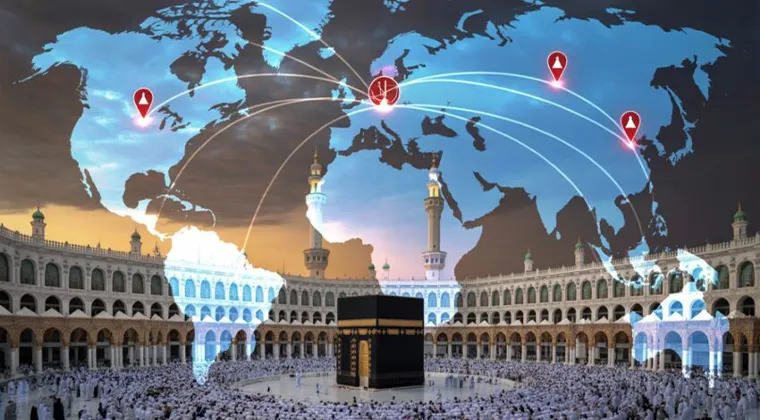
Data and analysis from Skyscanner further highlight that travelling with family continues to be one of the dominant travel habits among residents in the UAE. This pattern becomes even more noticeable during important cultural and religious holidays like Eid, when families prioritise spending time together, either by visiting relatives abroad or taking group vacations. According to earlier research conducted by the platform, around 41 percent of UAE-based travellers intend to travel with their families. This includes multi-generational travel, where trips are planned not just with immediate family members, but also with extended relatives such as parents and grandparents.
The growing preference for family-centred travel is particularly visible among younger generations. Among Gen Z travellers, nearly 51 percent have reported travelling with their parents within the past two years, showing a strong inclination towards shared family experiences even into early adulthood. This reflects a cultural shift where younger individuals are more open to extended family bonding through travel rather than independent trips alone.
Millennial travellers also show a similar pattern, with a significant proportion embracing multi-generational travel experiences. Approximately 31 percent of millennials have travelled on trips that included both their children and their parents, highlighting a three-generation travel trend that is becoming increasingly common. In addition, another 31 percent of Gen Z respondents indicated that they have travelled with both parents and grandparents, further reinforcing the importance of extended family bonding in travel decisions.
Beyond just who people travel with, the motivation behind these journeys also plays a key role. Survey findings suggest that a large share of UAE travellers place strong emphasis on shared experiences and emotional connection. Around 62 percent of respondents stated that spending meaningful, quality time with family members is one of the primary reasons they choose to travel together. For many, travel is not just about visiting a destination, but about strengthening relationships and creating lasting memories.
Similarly, about 52 percent of travellers indicated that one of their main motivations for family travel is to reinforce family bonds. This suggests that travel is increasingly being viewed as a way to bring families closer together, especially in fast-paced urban lifestyles where time for extended interaction may be limited during the year. Holiday periods like Eid provide a valuable opportunity to bridge that gap.
Speaking on the evolving travel behaviour among UAE residents, Ayoub El Mamoun, a travel expert associated with Skyscanner, noted that travellers in the region are becoming more deliberate and thoughtful in how they organise their holiday plans, particularly around Eid and the upcoming summer travel season. He explained that there is a clear shift towards more structured and planned travel decisions rather than spontaneous bookings, as people aim to maximise value and convenience during high-demand periods.
The insights shared by Skyscanner also suggest that travellers in the UAE are increasingly adopting a more cautious and analytical approach when it comes to booking flights and holidays. Many individuals now take extra time to compare different routes, monitor fare changes, and explore various options before confirming their bookings. This behaviour is largely driven by the desire to secure better prices, more convenient flight timings, and preferred travel dates during busy holiday windows.
In addition to careful planning, flexibility has also become a defining characteristic of modern travel behaviour. According to El Mamoun, travellers today are far more open to adjusting their plans if it helps them achieve better overall travel experiences. This includes considering alternative departure or return dates, choosing different connecting routes instead of direct flights, or even rethinking destination choices based on affordability and availability.
Another emerging trend is the combination of different types of travel within a single holiday period. For example, some travellers may choose to spend part of their break on short regional trips within nearby countries and then extend their holiday with longer international journeys. This blended approach allows families to maximise their time off while balancing budget considerations and travel convenience.
El Mamoun further emphasised that today’s travellers are not only focused on comfort but are also becoming increasingly strategic in their decision-making. Many are actively seeking ways to optimise their travel plans by balancing cost, time efficiency, and overall experience. This shift reflects a broader change in consumer behaviour, where informed choices and advance planning are becoming more important than last-minute decisions.
Overall, the travel trends highlighted by Skyscanner point towards a strong and sustained interest in family-oriented travel among UAE residents, particularly during Eid and similar holiday periods. Destinations such as India, Pakistan, Egypt, Turkey, and Sri Lanka continue to remain top choices due to cultural ties, accessibility, and affordability. At the same time, the growing emphasis on planning, flexibility, and value-driven decisions is reshaping how travellers approach their holiday arrangements.
As these patterns continue to evolve, the travel industry is likely to see even greater demand for customised options, competitive pricing, and flexible booking solutions that cater to the needs of families and multi-generational travellers.