Saudi Arabia pledged $500 million to fund development projects in Yemen, aiming to improve infrastructure, support economic recovery, and enhance living conditions amid ongoing humanitarian and reconstruction challenges nationwide efforts.
Saudi Arabia Pledges $500 Million for Development Projects in Yemen
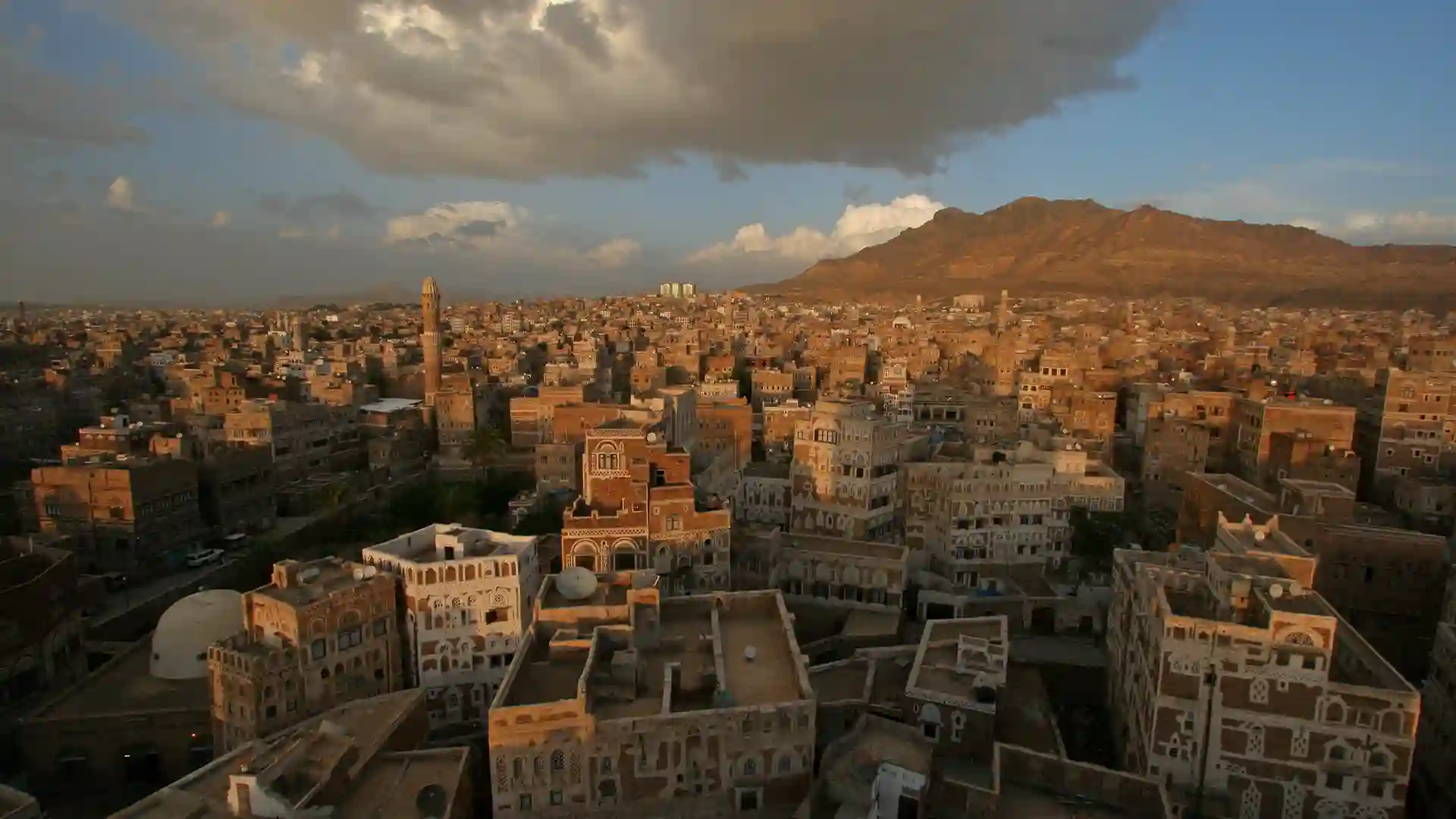
Saudi Arabia has announced plans to invest more than half a billion dollars in a wide-ranging set of development initiatives across Yemen, underlining Riyadh’s growing role in shaping the country’s recovery and political future after years of conflict.
The announcement was made by Saudi Defence Minister Prince Khalid bin Salman, who said the Kingdom would fund development programmes worth around 1.9 billion Saudi riyals, equivalent to roughly $506 million. According to the minister, the projects will be implemented in 10 Yemeni governorates and will target key sectors considered essential for stabilisation and long-term growth.
In a statement posted on the social media platform X, Prince Khalid described the initiative as the launch of a series of development projects and initiatives designed to address urgent needs in infrastructure, health, education, water, and transportation. The programmes will be carried out through the Saudi Development and Reconstruction Program for Yemen (SDRPY), a Saudi-backed body that has been operating in the country since 2018.
Among the most notable projects is the construction of Yemen’s first seawater desalination plant, an initiative expected to significantly improve access to clean drinking water in areas struggling with severe shortages. Water scarcity has been one of Yemen’s most pressing challenges, worsened by years of war that damaged infrastructure and disrupted basic services.
The funding package also includes the rehabilitation of Aden International Airport in southern Yemen. Aden, which has served as the temporary seat of the internationally recognised Yemeni government, has suffered from deteriorating infrastructure and limited transport capacity. Restoring the airport is expected to improve connectivity, facilitate humanitarian aid deliveries, and support commercial activity in the region.
Healthcare is another major focus of the Saudi-backed plan. Prince Khalid said a new hospital would be opened on the island of Socotra, a strategically located archipelago in the Arabian Sea. Socotra has long faced limited access to advanced medical services, forcing many residents to travel long distances for treatment. The new hospital is expected to ease pressure on local communities and improve healthcare outcomes.
Education projects also form a significant part of the investment. The programme includes the construction and equipping of 30 schools across different regions, aiming to address the severe disruption to education caused by the conflict. Millions of Yemeni children have been affected by school closures, damaged buildings, and shortages of teachers and materials over the past decade.
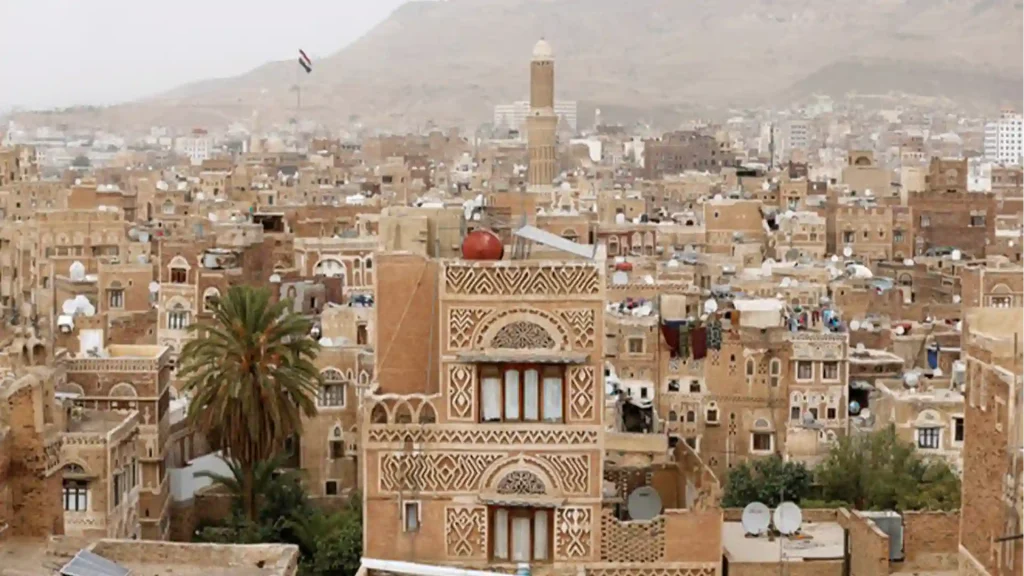
An official from the Saudi Development and Reconstruction Program for Yemen confirmed that the newly announced funding is allocated specifically for new projects, rather than ongoing ones. The official added that many of these initiatives will be concentrated in southern governorates where the Southern Transitional Council (STC), a separatist group seeking independence for southern Yemen, has been particularly influential.
Saudi Arabia has increasingly positioned itself as the central external actor managing Yemen’s complex political and security landscape. With the Yemeni state weakened by more than ten years of war, Riyadh is expected to play a dominant role in coordinating between rival factions within the government, financing reconstruction, and maintaining security through allied forces on the ground.
Analysts note that this role comes with significant financial and political costs. Rebuilding damaged infrastructure, restoring basic services, and paying salaries for security forces aligned with Saudi Arabia are all expected to place a heavy burden on the Kingdom.
Farea al-Muslimi, a Yemen specialist at the London-based think tank Chatham House, said the responsibility of managing Yemen’s fractured institutions and armed groups would largely fall on Riyadh. He warned that the long-term costs of stabilising the country could be substantial, particularly if political divisions remain unresolved.
In addition to development funding, Saudi Arabia is also planning to facilitate dialogue among southern Yemeni factions. These talks are intended to reshape the political environment in the south, where tensions between rival groups, including the STC and forces loyal to the central government, have at times erupted into violence.
Observers say Riyadh’s push for negotiations reflects a broader strategy to consolidate influence and reduce instability in areas under its sway. By combining economic assistance with political mediation, Saudi Arabia appears to be seeking a more sustainable arrangement that could prevent renewed conflict and protect its own security interests along its southern border.
Despite these efforts, challenges remain immense. Yemen continues to face one of the world’s worst humanitarian crises, with widespread poverty, food insecurity, and damaged infrastructure. While the Saudi investment represents a significant injection of funds, experts caution that development projects alone will not be enough without a comprehensive political settlement and inclusive governance.
Still, the announcement signals a renewed commitment by Saudi Arabia to play a leading role in Yemen’s recovery. Whether these investments will translate into lasting stability and improved living conditions for Yemenis will depend on how effectively the projects are implemented and whether political divisions can be bridged in the years ahead.