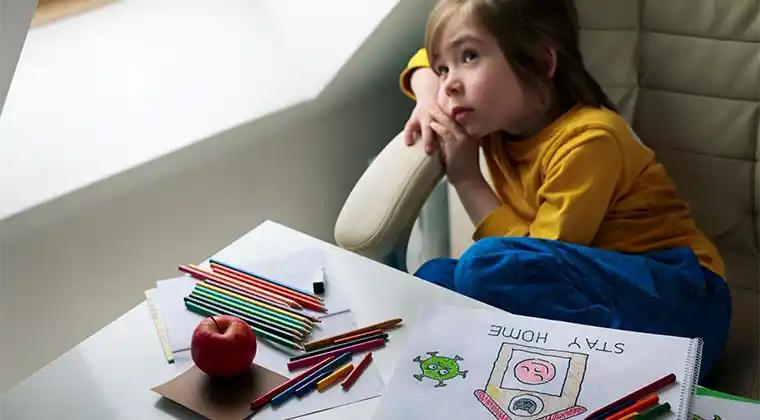
In the UAE, children respond to the death of family and friends in varied ways, and parents play a crucial role in guiding them through grief with care and understanding.
Understanding Grief in Children: How the Loss of Loved Ones Affects Young Minds in the UAE.
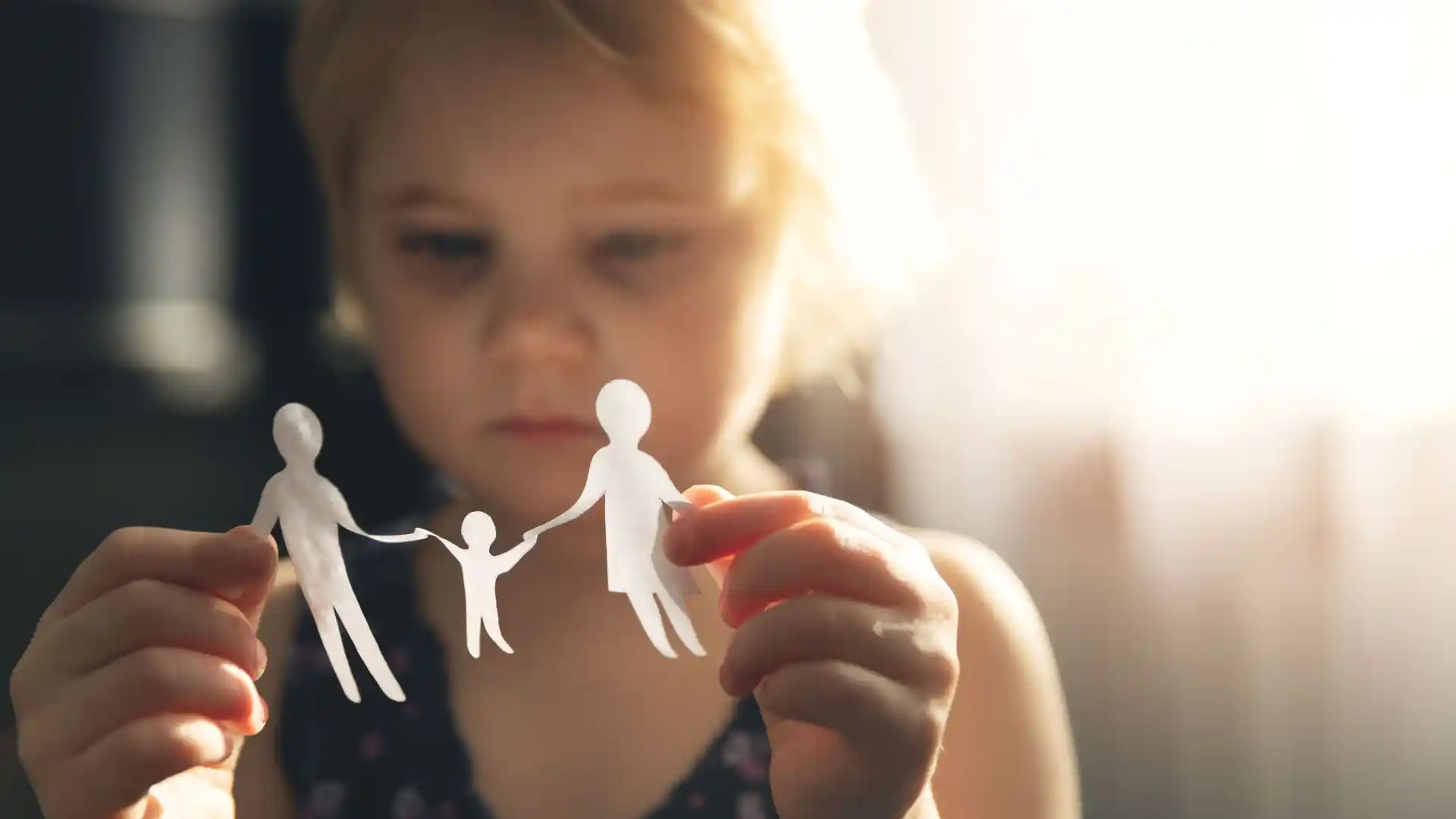
When Children Grieve: Understanding Loss and Its Lasting Impact in the UAE
In a bustling city like Dubai, where life moves at an unrelenting pace, loss can strike silently, leaving footprints on the youngest members of society. For many parents, it’s a challenge that comes without warning. Fatima S. (name changed for privacy), a mother of three, recounts a story that began more than two years ago—a period during which she found herself watching her once lively daughter withdraw, yet unable to fully understand the cause of the sudden change.
Her daughter, who had always been eager to go to school and interact with friends, started to become unusually quiet. Playfulness gave way to withdrawal. Questions poured out, some innocent, some unsettling, each hinting at a grief that Fatima initially could not comprehend. The child seemed to carry an invisible weight, one that grew heavier with each passing day.
It was only later that Fatima realized her daughter’s silence and altered behavior were linked to the death of a close friend, a loss she had borne quietly since early primary school. “She never forgot her friend,” Fatima shared, her voice tinged with both sadness and awe at the depth of her daughter’s memory. “Even as she grew older, the memories remained vivid, and the pain never entirely left her.”
This experience, sadly, is not unique. In the wake of a recent road accident in the UAE that claimed the lives of four siblings, child psychologists have emphasized that children process grief in profoundly different ways from adults. Some carry it silently for years, while others react with visible fear or anxiety. Understanding these varied reactions is essential for parents, teachers, and communities alike.
The Early Loss That Left a Lasting Mark
Fatima’s daughter had been inseparable from her friend since Grade 1. They shared every moment—traveling together on the school bus, sitting side by side in class, eating lunch together, and returning home along the same route. By Grade 3, the bond between the two was unbreakable. Then, tragedy struck. Her friend passed away suddenly, leaving a void that Fatima’s daughter struggled to understand.
Initially, Fatima and her family chose not to reveal the truth. They believed they were protecting the child from the harsh reality of death, telling her instead that her friend had gone to her hometown and would not be returning. But children are perceptive. Even at a young age, they can sense when something is amiss.
“She became withdrawn and quiet,” Fatima recalled. “She did not want to go to school, and she kept asking for her friend’s phone number. She insisted on a video call. Every time she asked, my heart sank.”
Eight months later, when schools reopened after a period of online learning, the truth reached her daughter through other sources. The revelation shattered her. She cried for days and expressed a reluctance to return to school, overwhelmed by grief that had been silently accumulating over the months.
Now, four years on, the child is in Grade 7. While she has matured, the emotional imprint of her friend’s loss has not faded. “She still prays for her friend. She still talks about the bus rides and the lunches they shared. She has never forgotten,” Fatima said.
Loss Shaped by Fear
Not all children experience grief through silent mourning. Some encounter fear, which can manifest differently. A parent living in Abu Hail shared the story of their young son, whose grief was initially shaped by the death of his grandfather during the Covid-19 pandemic. The boy was only six years old at the time. The family explained to him that old people sometimes die, and initially, he accepted the explanation with understanding.
However, subsequent events complicated this coping process. The family soon lost a young cousin undergoing treatment in India. Though the boy was not particularly close to the cousin, the reality that even children could die introduced a new, profound fear. “He began asking difficult questions,” the parent explained. “How could a child like him die? He stopped being active and spent more time alone.”
For several years, these fears persisted. Concerned, the family decided to change their surroundings temporarily, moving from Dubai to Doha due to business commitments. The change of environment helped gradually, allowing the boy to regain some sense of security before the family returned to Dubai. Even today, though the child is doing better, exposure to news about death can still trigger anxiety—a reminder that the impact of grief can linger far longer than adults might anticipate.
Silent Grief in Classrooms
Grief does not stay confined to homes. Insider 18 recently highlighted how schools in the UAE are increasingly stepping in to support students coping with loss. Teachers are recognizing that children may grieve just as intensely in classrooms as they do at home. In response, some schools have created spaces for students to express their emotions, encouraging peer support and fostering an environment of compassion.
Recent tragedies, such as the death of four young brothers in a car crash and another sudden death in a Sharjah school, have renewed discussions about how educators address the topics of absence, loss, and emotional pain. Teachers emphasize patience, empathy, and open dialogue, helping students navigate their feelings without judgment.
Why Children React Differently
According to Dr. Reena Thomas, a clinical psychologist at Medeor Hospital in Dubai, children’s reactions to death are often misunderstood.
“Children respond to loss differently depending on their age, personality, and level of understanding,” Dr. Thomas explained. “Some cry openly, while others withdraw into silence. But silence does not necessarily indicate that a child is coping. Often, they are processing the grief internally.”
Parents are encouraged to monitor changes in behavior, sleep patterns, eating habits, school participation, and fears surrounding the death of loved ones. “Children may grieve in stages, and sometimes these stages span several years,” Dr. Thomas added.
She advises that parents address the topic of death honestly but gently, maintaining routines and providing a safe space for children to express emotions. “Your presence and reassurance matter more than giving perfect answers,” she said.
The Role of Parents and Communities
The experiences of Fatima and other parents underscore the crucial role families play in helping children navigate grief. Children need guidance, understanding, and support as they encounter losses, whether sudden or gradual.
Parents are encouraged to listen attentively, allow children to articulate feelings in their own words, and validate emotions rather than dismissing them. Stories, rituals, and shared memories can also help children process loss.
Communities, too, have a part to play. In the UAE, support networks—ranging from school counselors to child psychologists—are increasingly accessible. These resources provide guidance for parents and teachers alike, ensuring that children are not left to navigate grief alone.
Long-Term Impact of Childhood Grief
Experts emphasize that grief experienced in childhood can have long-term effects. For some children, unresolved grief may manifest in anxiety, fear of death, or withdrawal from social activities. Conversely, when supported effectively, children can develop resilience, empathy, and a deeper understanding of life and relationships.
Dr. Thomas highlighted that children process grief according to developmental stages. Young children may not fully comprehend the permanence of death, while older children may wrestle with existential questions and fears about their own mortality or that of loved ones. Parents and educators can help by providing age-appropriate explanations, validating feelings, and modeling healthy coping strategies.
Coping Strategies for Children
Several strategies can help children manage grief:
Open Communication: Encourage children to ask questions and express emotions. Respond honestly, but with sensitivity to their age and understanding.
Maintain Routines: Daily routines provide stability and security, helping children feel grounded during turbulent times.
Memorialization: Encourage children to remember lost loved ones through drawings, letters, or storytelling. Rituals can provide closure and a sense of connection.
Professional Support: Child psychologists, counselors, and support groups can guide children through complex emotions and long-term grief processing.
Patience and Presence: Often, simply being present and providing reassurance matters more than offering solutions.
Grief as a Community Concern
The broader community also plays a role in acknowledging the emotional experiences of children. UAE schools, community centers, and family networks have increasingly recognized that grief is not a private matter—it is shared and observed, particularly in close-knit societies.
When tragedies such as the recent loss of siblings occur, the community response can help children process events in a healthy way. Teachers and counselors act as intermediaries, creating spaces for discussion and supporting peer relationships to mitigate feelings of isolation.
Final Thoughts
The stories of Fatima’s daughter and the Abu Hail boy serve as reminders of the nuanced ways children experience grief. While adults may focus on visible signs of sorrow, children may internalize pain for years, and the effects can ripple across emotional, social, and cognitive development.
For parents, the challenge is to balance protection with honesty, guidance with independence, and reassurance with realistic communication. Schools and communities also bear a responsibility to provide safe spaces, empathetic guidance, and continuity, ensuring children have the tools and support to navigate life’s losses.
As Fatima reflected on her daughter’s journey, she observed, “Sometimes you only realize much later that your child has stopped being themselves. Grief can be quiet, but it is never absent. What matters most is being there, listening, and helping them remember that love and memory endure.”