UN Security Council members are set to convene Thursday for a briefing on the escalating crisis in Iran, focusing on the country’s internal unrest and rights abuses amid global concern over violence and international responses.
Thursday Meeting Planned as UN Security Council Reviews Iran
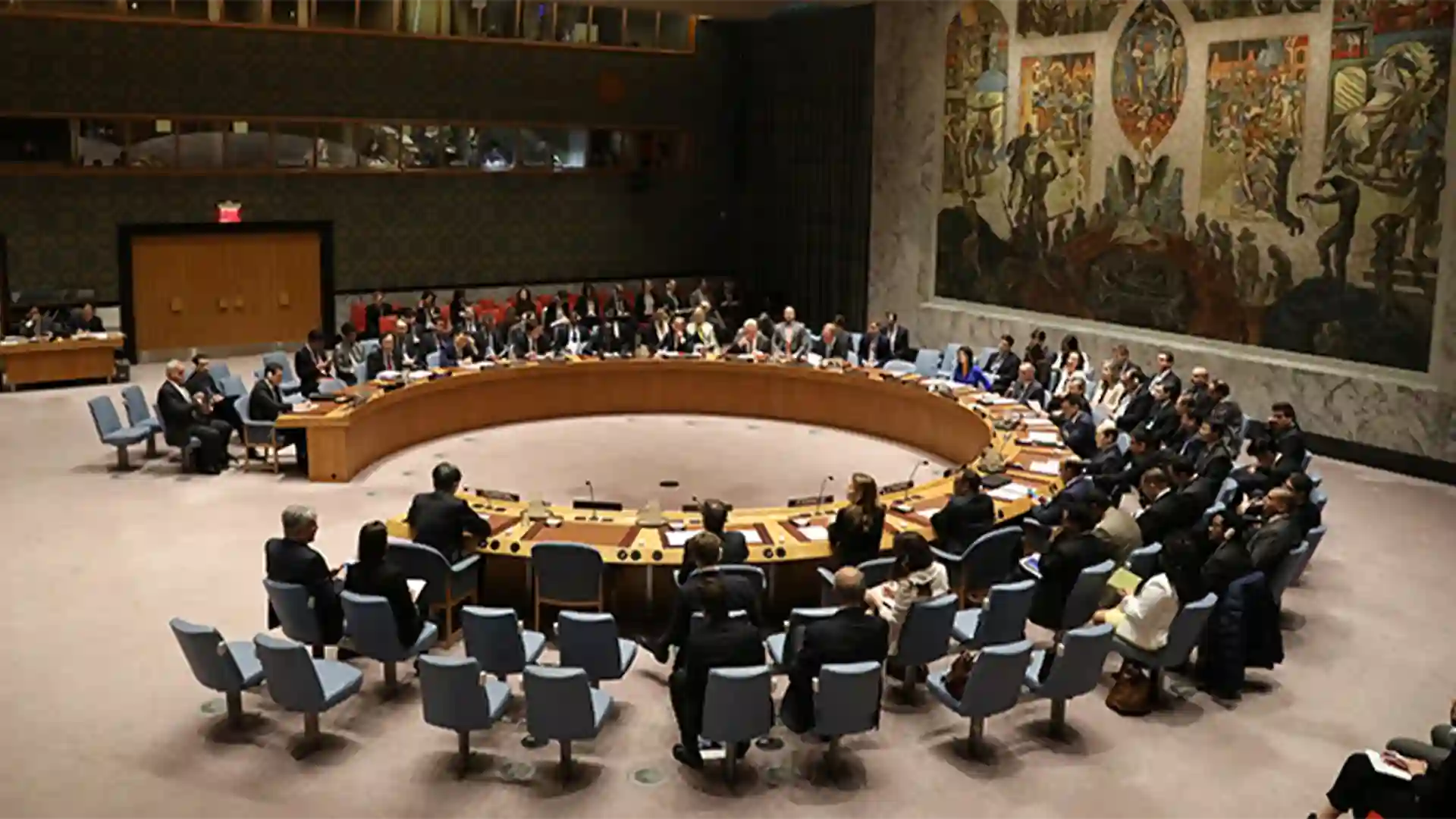
The United Nations Security Council is expected to gather on Thursday afternoon for a formal session focused on recent developments in Iran, according to an official representative of Somalia’s presidency, which currently holds a leadership role within the Council.
The meeting, described as a briefing, was placed on the Council’s schedule following a request submitted by the United States. While the agenda item is framed broadly as a discussion on the situation in Iran, it signals renewed international attention on unfolding events inside the country and their wider implications for regional and global stability.
Diplomats familiar with the matter say such briefings allow Council members to exchange assessments, hear updates from UN officials, and outline national positions, even when no immediate resolution or statement is anticipated. These sessions often serve as an initial step toward deeper engagement, depending on how circumstances evolve and whether consensus among members can be reached.
The Security Council, composed of 15 member states, frequently convenes to address issues deemed to pose a threat to international peace and security. Iran has been a recurring topic on the Council’s agenda over the years, encompassing concerns related to its nuclear program, regional activities, human rights situation, and internal political developments. Thursday’s meeting fits within that broader pattern of scrutiny.
According to the scheduling notice circulated to Council members, the request for the briefing came from Washington. The United States has repeatedly called for international attention on Iran, particularly in relation to domestic unrest and the government’s response to protests. US officials have argued that developments inside Iran are not solely an internal matter, citing potential regional repercussions and humanitarian considerations.
Somalia, which currently serves as one of the Council’s non-permanent members, is responsible for communicating scheduling details during its presidency. The spokesperson’s confirmation underscores the procedural nature of the announcement, while leaving substantive details of the discussion to be revealed during or after the meeting itself.
Briefings of this kind typically involve presentations by senior UN officials, such as representatives from the Department of Political and Peacebuilding Affairs or the Office of the High Commissioner for Human Rights. These officials provide overviews of recent events, supported by data and reporting from UN agencies and field offices. Council members then have an opportunity to respond, raise questions, or express national perspectives.
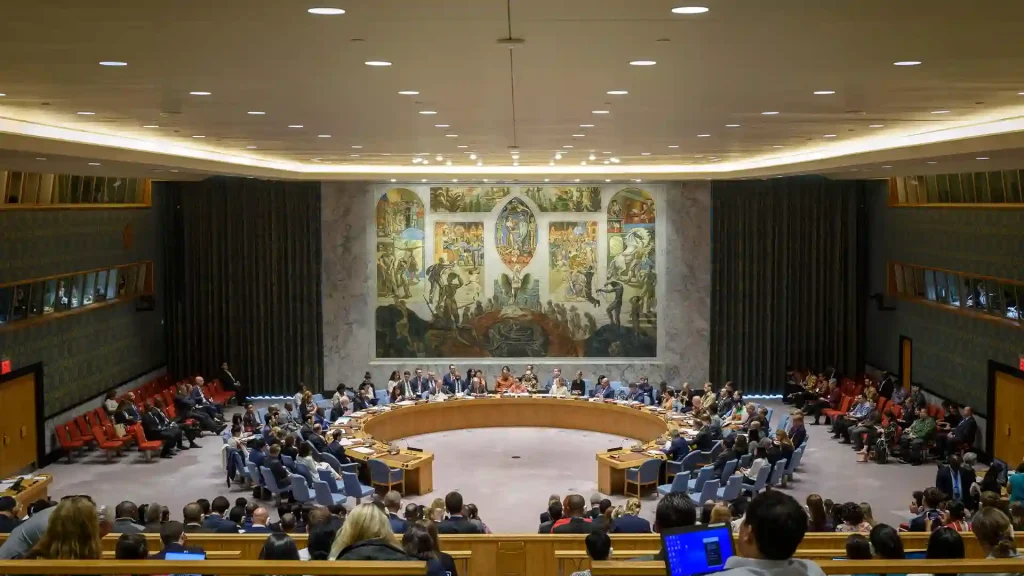
Although the meeting is not expected to produce a formal outcome, such as a resolution or presidential statement, it can still carry diplomatic weight. Public and private remarks made during Security Council sessions often shape international narratives and signal potential next steps. In some cases, they lay the groundwork for future actions, including sanctions discussions, investigations, or follow-up meetings.
Iran’s relationship with the United Nations and the Security Council has long been complex. Tehran has frequently criticized what it describes as politicized discussions and selective attention, arguing that some Council members use the body to advance their own strategic interests. Iranian officials have maintained that domestic issues should be addressed internally, without external interference.
At the same time, human rights organizations and several governments have urged the UN to maintain focus on Iran, particularly during periods of heightened tension. They argue that sustained international engagement is essential to accountability and transparency, even if concrete measures are difficult to agree upon.
The United States’ request for the briefing reflects its broader diplomatic approach toward Iran, which combines pressure within multilateral institutions with bilateral and regional initiatives. While Washington has emphasized the importance of working with allies and partners, divisions within the Security Council often complicate efforts to reach unified positions on Iran-related matters.
Other Council members, including Russia and China, have traditionally taken a more cautious stance, emphasizing state sovereignty and non-interference. European members often attempt to strike a balance, expressing concern over human rights while advocating dialogue and de-escalation. These differing perspectives are likely to be reflected in Thursday’s discussions.
As the meeting approaches, observers will be watching closely for signals about whether the issue will remain at the level of briefings or escalate into more formal Council action. Even without concrete decisions, the very act of convening underscores that Iran remains a subject of significant international attention.The outcome of the session, including statements made by Council members and any subsequent diplomatic activity, may provide insight into how the international community intends to engage with Iran in the coming weeks. For now, Thursday’s briefing represents another chapter in the ongoing dialogue at the United Nations over one of the Middle East’s most closely watched countries.