The popular Chinese app “Are You Dead?” is set to rebrand, following viral attention and public debate, as developers aim to adopt a more user-friendly and widely acceptable name.
Popular Chinese App ‘Are You Dead?’ Set to Rebrand
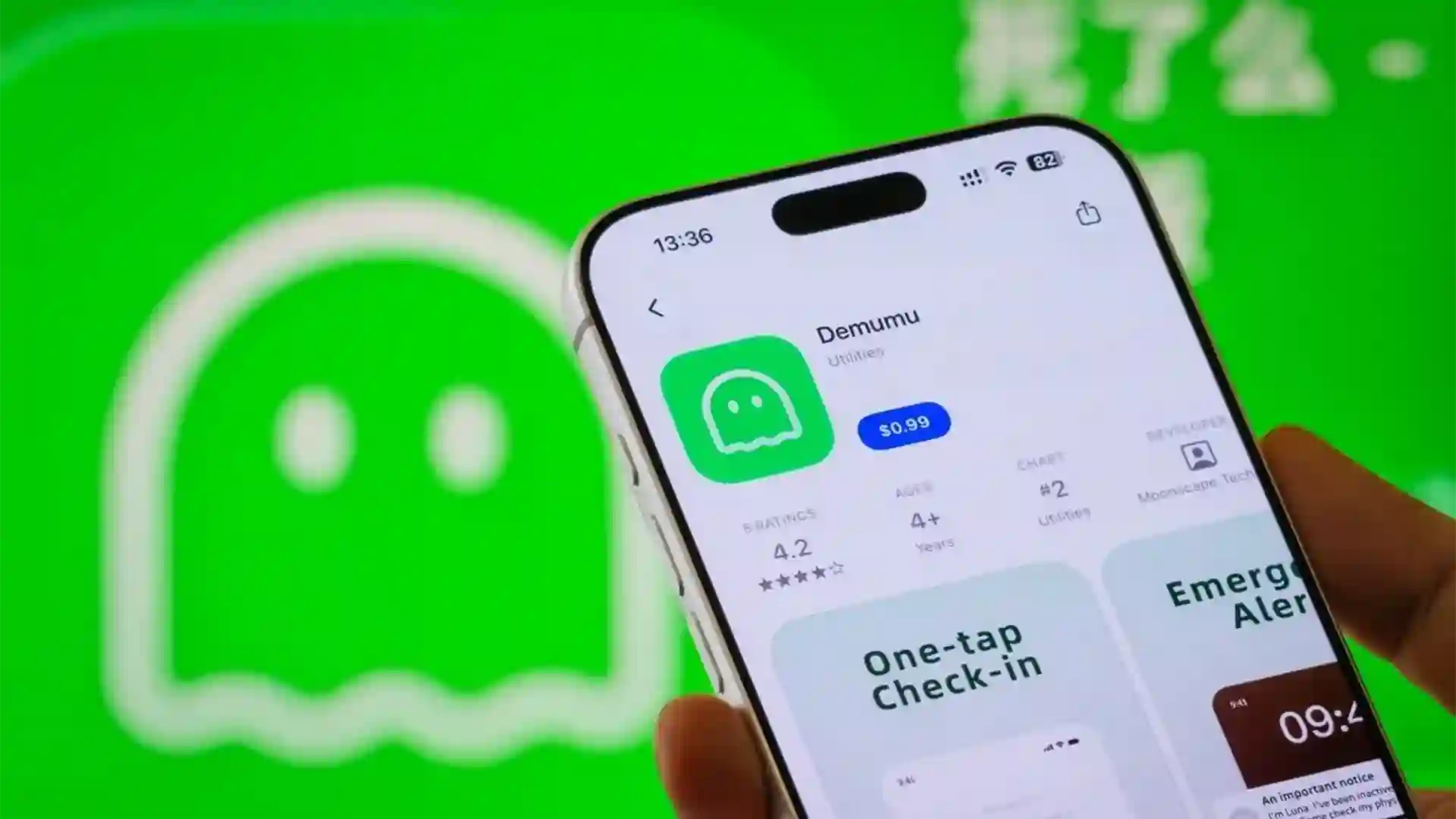
The Chinese mobile application widely known in English as “Are You Dead?” has announced plans to abandon its attention-grabbing name after attracting significant international attention. The app, designed to enhance personal safety for people living alone, gained widespread recognition for both its unusual title and practical purpose.
The application functions by requiring users to check in at least once every 48 hours. If a user fails to do so, the system automatically triggers an alert and sends a notification to a pre-selected emergency contact. This feature is intended to ensure that help can be sought quickly if a user becomes unresponsive due to illness, accidents, or other emergencies.
Following its rise in popularity, the app quickly climbed to the top of the paid app charts on Apple’s App Store in China. This success led to extensive media coverage from both domestic and international outlets, bringing the app into the global spotlight. Its original Chinese name, “Sileme,” literally translates to “Are you dead?” in Mandarin and immediately stood out for its blunt and provocative wording.
The app is particularly targeted at individuals who live alone, allowing them to register the contact details of a trusted person—such as a family member or close friend—who can be notified if something goes wrong. By combining simple check-in mechanics with emergency alerts, the platform aims to provide peace of mind to users and their loved ones.
In a statement released on Tuesday evening, the company behind the app confirmed that it would officially adopt a new global brand name, “Demumu,” in its upcoming version. The decision came after what the company described as extensive internal discussions. According to the developers, the rebranding reflects the app’s growing international presence and long-term vision.
The company noted that the app has experienced rapid growth outside China, especially after a feature article by British broadcaster BBC brought it to global audiences. Other international media organizations, including AFP, also reported on the app’s sudden popularity and unusual concept, further amplifying its reach beyond domestic markets.
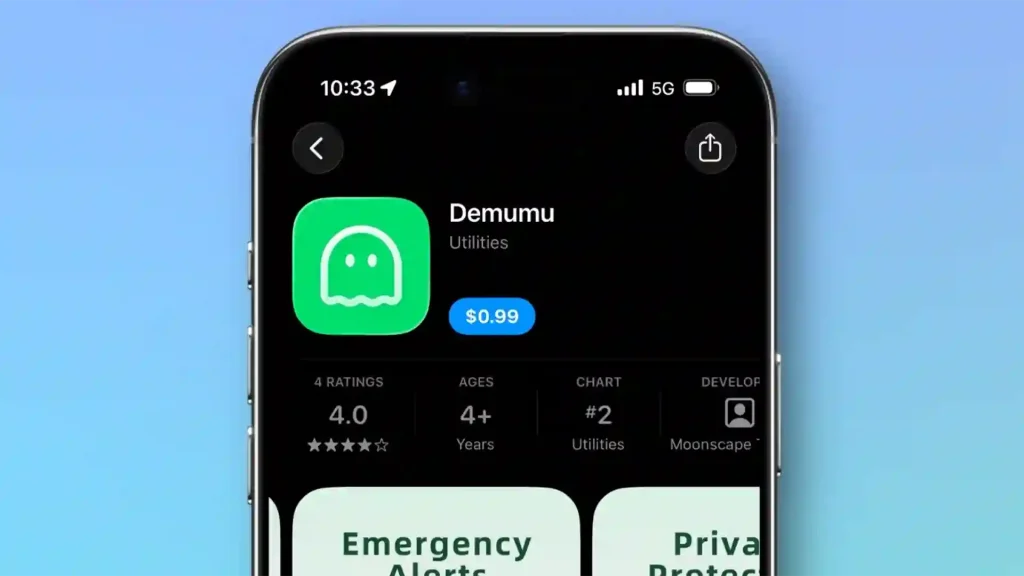
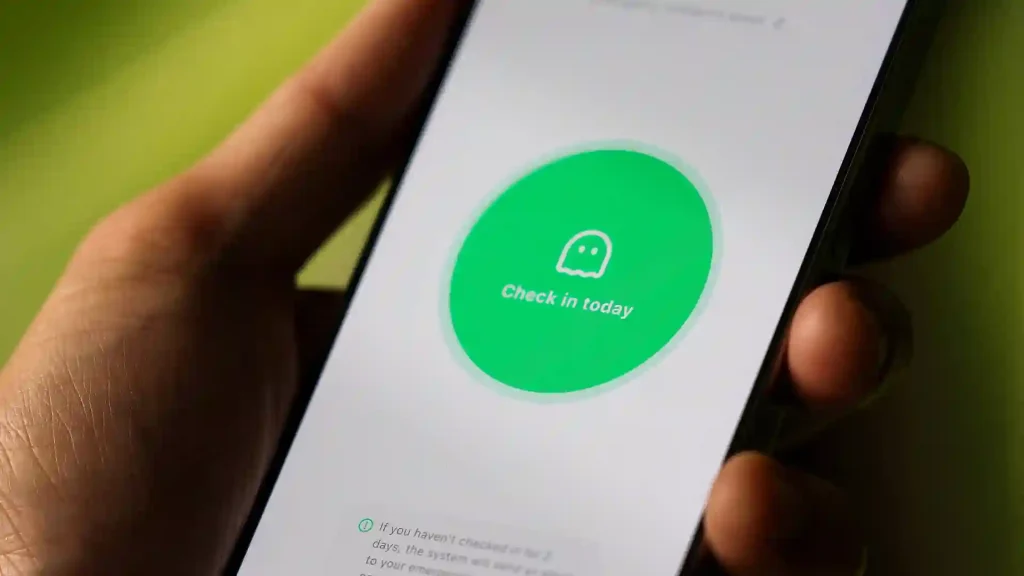
Interestingly, “Demumu” was not an entirely new name. It had already been used for the app’s international version, while “Are You Dead?” was reserved for the Chinese market. The rebranding effort will now unify both domestic and overseas versions under a single global identity.
In its official statement, the company emphasized that the name change would not alter the app’s core mission. It reiterated its commitment to personal safety, stating that Demumu would continue to deliver protection-focused solutions developed in China while expanding its services to reach more people worldwide, particularly those living alone.
The announcement sparked mixed reactions on Chinese social media platforms. Many users expressed surprise at the decision, especially given that the app’s bold name was widely credited with driving its viral success. Some users argued that the shock value of the original title was the main reason people noticed and downloaded the app in the first place.
One user commented that without such a striking name, the app might not have gained widespread attention unless someone urgently needed its services. Another remarked that the new name lacked the distinctive edge that made the app memorable, suggesting that the rebranding stripped it of its unique character.
Despite these criticisms, others acknowledged that the original name had also been controversial. While some found it humorous or eye-catching, others considered it unsettling or inappropriate, particularly when used in a serious context related to personal safety and emergencies. This division in public opinion likely played a role in the company’s decision to pursue a more neutral and internationally friendly brand.
The original name “Sileme” was also a linguistic play on words, referencing “Eleme,” a well-known food delivery platform in China. This clever wordplay made the name instantly familiar to Chinese users, while also adding a layer of dark humor that fueled online discussion.
The app’s success also reflects broader social changes in China. Official data shows that in 2024, approximately 20 percent of Chinese households consisted of people living alone—a significant increase from around 15 percent a decade earlier. This demographic shift has created growing demand for services that address safety, mental well-being, and emergency support for individuals without immediate household companions.As single-person households continue to rise, applications like Demumu highlight how technology is increasingly being used to address modern social challenges. While the app’s name may change, its core function—providing reassurance and rapid response in emergencies—remains central to its appeal. Whether the new branding will maintain the same level of public interest remains to be seen, but the app’s rapid ascent has already left a notable mark on both Chinese and international tech conversations.