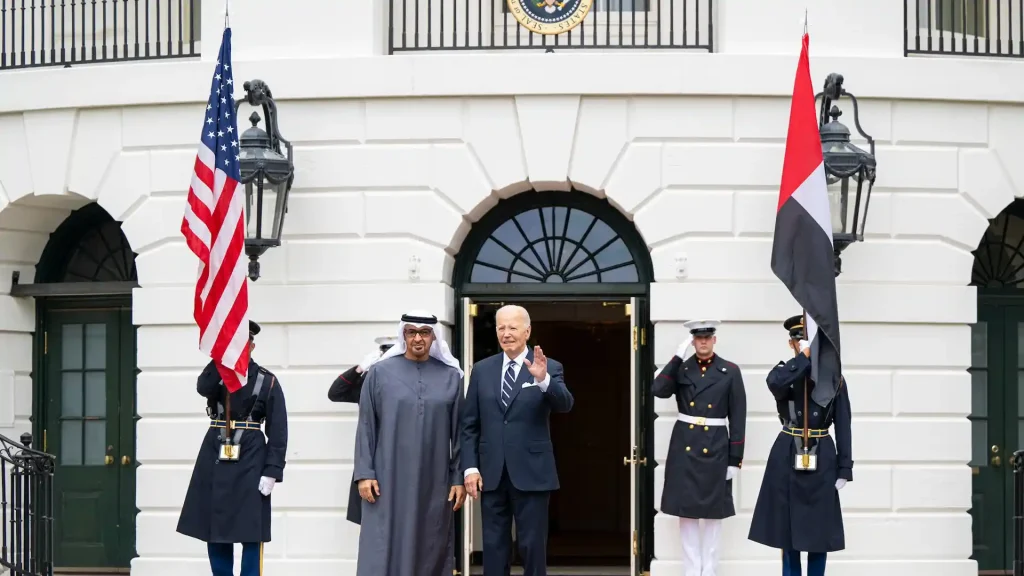
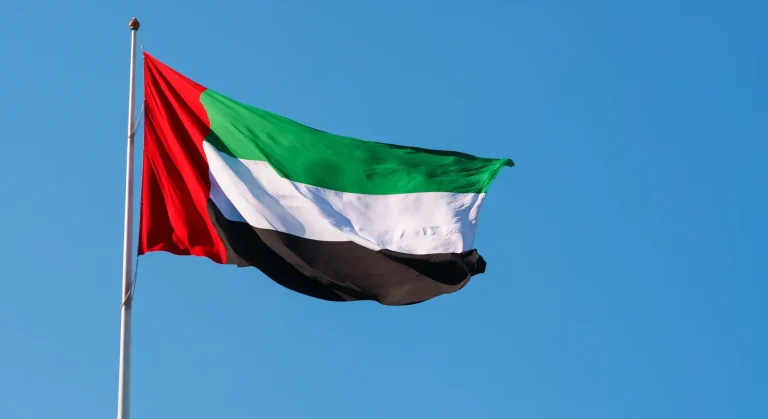
The United States has officially labeled multiple factions of the Muslim Brotherhood as terrorist organisations, a move that has received support from the United Arab Emirates, highlighting shared concerns over regional security and extremist threats.
US designates several Muslim Brotherhood factions as terrorist organisations; UAE welcomes decision.

UAE Supports US Move to Designate Muslim Brotherhood Branches as Terrorist Organisations
The United Arab Emirates (UAE) has expressed its full support and approval following the announcement by the administration of then‑US President Donald Trump regarding the designation of multiple branches of the Muslim Brotherhood as terrorist organisations. This decision, which specifically targets factions operating in Lebanon, Jordan, and Egypt, has been recognized by the UAE as a significant step in the global fight against extremism and terrorism. The official response from the UAE underscores the nation’s commitment to international collaboration in tackling threats that jeopardize regional security, political stability, and social cohesion.
In a formal statement issued by the UAE Ministry of Foreign Affairs (MoFA), the government highlighted that this designation reflects the methodical and consistent efforts of the Trump administration to address the dangers posed by terrorist-linked organizations. The Ministry emphasized that the US decision is not merely symbolic but represents a substantive measure aimed at curtailing the capacity of these groups to operate, recruit, and spread ideologies that contribute to regional instability. The branches of the Muslim Brotherhood identified by the US have, according to international assessments, engaged in actions and rhetoric that destabilize communities, propagate extremist thought, and occasionally contribute to violence and civil unrest.
The MoFA further explained that the US designation is part of a broader strategy to dismantle networks of extremism and deny them access to financial, logistical, and operational resources. By classifying these factions as terrorist entities, the United States has effectively reinforced its policy of isolating organizations that exploit political, religious, or social platforms to incite violence or promote radical ideologies. The UAE affirmed that such a designation will hinder the ability of these groups to obtain funding, coordinate activities across borders, and recruit individuals for extremist purposes. This, in turn, contributes to greater international security and provides a deterrent against the spread of violent ideologies that threaten peace and stability in affected regions.

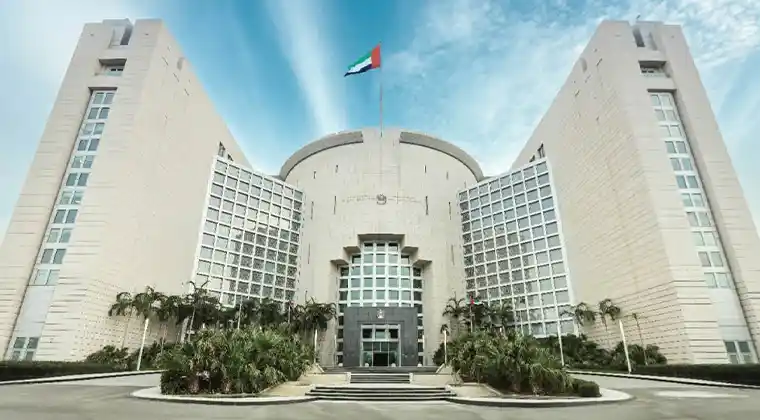
The Ministry of Foreign Affairs also reiterated the UAE’s longstanding position that combating extremism and terrorism requires comprehensive, coordinated international action. The fight against terrorism is multifaceted, encompassing not only direct military or law enforcement measures but also diplomatic, economic, and social strategies. In this context, the UAE considers the US designation an important component of a global framework aimed at countering terrorism. By depriving extremist organizations of legitimacy, financial support, and operational freedom, the international community can more effectively address the root causes of radicalization and prevent the proliferation of extremist networks.
The Context of the Designation
The Muslim Brotherhood, founded in Egypt in the early 20th century, has historically been involved in both political and social activities across the Middle East and North Africa. Over the decades, its ideology and operational strategies have evolved in different countries, leading to a complex array of branches and affiliated organizations. While some factions have participated in political processes, others have been accused of fostering extremist networks, encouraging violence, and undermining state institutions. The US decision to designate specific branches as terrorist entities focuses on those groups whose activities are deemed to directly threaten the safety and stability of nations in the region.
According to US officials, the targeted factions in Lebanon, Jordan, and Egypt have been involved in actions that either directly support terrorist activity or create conditions conducive to the spread of extremism. This includes financing extremist groups, promoting radical rhetoric, and engaging in operations that disrupt local governance and civil order. By formally labeling these factions as terrorist organizations, the United States has aimed to increase scrutiny over their activities and ensure that both domestic and international measures can be applied to curtail their influence.
For the UAE, the significance of this designation extends beyond the immediate geopolitical impact. The emirates view the identification and isolation of extremist groups as essential to ensuring regional security and protecting the safety of citizens across the Middle East. Terrorist networks, particularly those that operate under the guise of political or religious movements, pose a unique challenge because they often exploit social and political grievances to gain followers. By taking decisive action against groups known to engage in or support violence, the UAE and its international partners seek to reduce the appeal of radical ideologies and foster environments in which governance, education, and social cohesion can thrive.
UAE’s Commitment to Regional and Global Security
The statement issued by the UAE Ministry of Foreign Affairs underscores the nation’s broader philosophy regarding counterterrorism and security. The emirates have consistently emphasized that combating terrorism is not the responsibility of a single country; rather, it requires a collective, coordinated response that brings together governments, regional organizations, and international institutions. In line with this principle, the UAE has taken a series of steps over the years to strengthen its domestic counterterrorism frameworks while contributing to international initiatives aimed at dismantling extremist networks.
These efforts include enacting stringent laws to monitor and control financing of extremist organizations, implementing educational programs to counter radicalization, and collaborating with international partners on intelligence-sharing initiatives. The UAE’s support for the US designation reflects this comprehensive approach, demonstrating alignment with global strategies that prioritize both immediate security concerns and long-term measures to address the conditions that foster extremism.
By publicly welcoming the US move, the UAE reinforces its commitment to coordinated action against terrorism while signaling to both domestic and international audiences that it remains vigilant in protecting regional stability. The Ministry of Foreign Affairs emphasized that efforts to counter terrorist organizations must also be proactive, focusing not only on reactive measures but also on preventing the emergence of new extremist factions. This requires attention to financial flows, ideological propaganda, recruitment networks, and cross-border operational capabilities.
The Strategic Importance of Targeting Terrorist Networks
Targeting extremist organizations such as these Muslim Brotherhood branches is strategically significant for several reasons. First, these groups often operate across multiple countries, taking advantage of gaps in regional governance, weak enforcement mechanisms, and porous borders. By designating them as terrorist entities, the United States and its partners can implement coordinated measures to limit their mobility, disrupt communication channels, and prevent the transfer of funds or material support.
Second, the designation sends a strong symbolic message. Terrorist organizations thrive on perception, legitimacy, and influence. Labeling specific branches as terrorist entities undermines their credibility and signals to both supporters and the wider public that their activities are considered unlawful and dangerous under international standards. This can reduce recruitment efforts, weaken propaganda campaigns, and encourage communities to reject extremist ideologies.
Third, from a financial perspective, the designation makes it legally possible to impose sanctions on the groups, their affiliates, and supporters. These sanctions include freezing assets, restricting banking operations, and monitoring transactions to prevent illicit financing. In today’s interconnected global economy, such financial measures can be decisive in limiting the operational capacity of extremist groups.
Collaborating with International Partners
The UAE’s support for the US designation also underscores the emirate’s broader diplomatic approach to security cooperation. The UAE maintains close relationships with regional and global partners to ensure that counterterrorism measures are both effective and aligned with international law. These partnerships involve intelligence sharing, joint training exercises, and coordinated operations aimed at tracking, monitoring, and neutralizing terrorist threats.
By aligning with the US move, the UAE demonstrates its willingness to actively participate in initiatives that go beyond national boundaries. Terrorism, after all, is not confined to any single country; it can have far-reaching consequences for trade, travel, migration, and regional stability. Coordinated action ensures that measures against terrorist organizations are consistent, comprehensive, and capable of producing tangible results.
The Broader Vision of Countering Extremism
The UAE’s statement also highlighted the importance of addressing the underlying causes of extremism, not just its manifestations. Combatting terrorism effectively requires a holistic strategy that encompasses education, economic opportunity, social inclusion, and ideological engagement. By promoting awareness, tolerance, and resilience within communities, nations can reduce the appeal of extremist ideologies and encourage individuals to reject violence as a means of achieving political or religious goals.
In this context, designating specific organizations as terrorist entities is part of a larger framework aimed at creating secure, stable, and resilient societies. It signals that the international community takes threats seriously while simultaneously creating conditions in which extremism is less likely to flourish. The UAE, by endorsing the US decision, reinforces this broader strategy, highlighting the interconnectedness of diplomatic action, security measures, and societal resilience.
Conclusion
The United Arab Emirates’ response to the US designation of several Muslim Brotherhood branches as terrorist organizations reflects a careful alignment of regional security priorities with international efforts to combat extremism. By welcoming the move, the UAE has reaffirmed its commitment to safeguarding regional stability, supporting legal and financial measures to curb terrorism, and promoting international cooperation in addressing shared threats.
The designation not only targets specific organizations but also serves as a deterrent, signaling that extremist actions and ideologies will not be tolerated. For the UAE, such measures are consistent with its long-standing strategy of balancing proactive counterterrorism efforts, international collaboration, and social initiatives designed to prevent radicalization.
Ultimately, the UAE’s endorsement of the US decision underscores a broader philosophy: that global security depends on coordinated action, strategic foresight, and an unwavering commitment to confronting extremism wherever it arises. Through diplomacy, legal measures, and partnership with international allies, the emirates continue to position themselves as a leading voice in the fight against terrorism, advocating not only for immediate security solutions but also for sustainable, long-term strategies that promote peace, stability, and prosperity across the region.