Dubai’s Roads and Transport Authority will test a school bus pooling initiative this year, encouraging shared transport for students to cut down traffic congestion and improve road efficiency across the city.
Dubai: RTA to pilot a school bus pooling programme aimed at easing traffic congestion this year
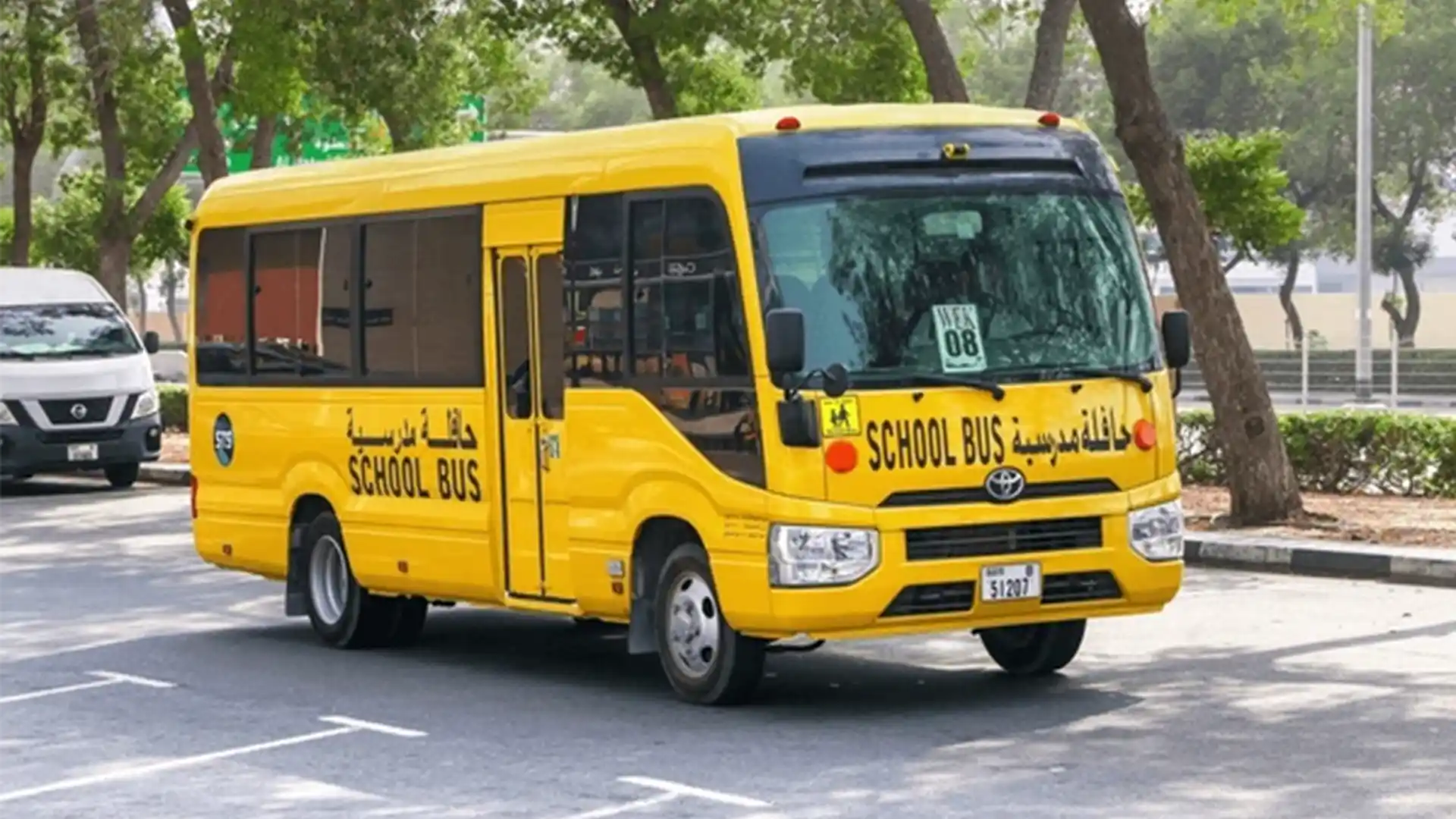
Dubai’s Roads and Transport Authority (RTA) will roll out a pilot school transport pooling scheme in the first quarter of 2026, designed to ease congestion near schools and provide parents with an alternative to private car drop-offs. The trial will be carried out in partnership with Yango Group and Urban Express Transport after the signing of two memoranda of understanding.
As part of the pilot, shared buses will collect and drop off students from several schools within specific geographic areas. Advanced technology will be used to manage trips, track vehicles in real time, and oversee daily operations. RTA confirmed that the initiative will fully adhere to Dubai’s approved safety, security, regulatory, and legislative standards for school transportation, while working to enhance traffic flow and student mobility.
The agreements were signed by Ahmed Hashem Bahrozyan, CEO of RTA’s Public Transport Agency; Islam Abdul Karim, Regional Head of Yango Group; and Dr. Mohammad Al Hashimi, Founder and CEO of Urban Express Transport.
Bahrozyan noted that the growing reliance on private cars for school commutes has had a clear impact on traffic movement around school zones. He said the new initiative seeks to provide a cost-effective school transport option that can help reduce congestion and create a smoother daily travel experience for students and families.
The project will rely on what RTA described as smart technological systems to support route planning, vehicle monitoring, and operational supervision, ensuring efficiency and reliability throughout the pilot phase.
Explaining the concept further, Bahrozyan said the programme will operate shared buses serving multiple schools located within defined areas. The goal is to test innovative, pooled transport models that improve vehicle utilisation, cut traffic during peak school hours, and enhance safety and service quality in student transport.
He added that the pilot will contribute to the development of new school transport frameworks in Dubai and help authorities evaluate the feasibility of expanding the model on a larger scale in the future.
The initiative also builds on a series of traffic management measures introduced by RTA in recent years to reduce congestion around schools. In 2024, Dubai approved a traffic strategy that included policies to encourage higher use of organised school transport, a step expected to improve traffic flow near schools by 13 per cent. During the same year, RTA completed eight traffic improvement projects covering more than 37 schools, involving road expansions, upgraded entry and exit points, additional parking facilities, and revised traffic diversions. These measures led to a 20 per cent improvement in peak-hour traffic conditions in school areas.
Yango Group’s Islam Abdul Karim said school transportation remains one of the most challenging aspects of daily urban mobility. He explained that the pilot introduces a data-driven pooling model that groups students travelling along similar routes into shared buses operating on optimised schedules.
Dr. Mohammad Al Hashimi of Urban Express Transport said the initiative is expected to ease congestion, improve bus efficiency, and enhance the overall daily travel experience for students.
Beyond congestion reduction, the pilot is also expected to deliver environmental benefits by lowering the number of individual car journeys made during school peak hours. Fewer private vehicles on the road could translate into reduced carbon emissions and improved air quality around school neighbourhoods. RTA officials believe that encouraging shared mobility among students aligns with Dubai’s broader sustainability and smart city objectives, particularly as the emirate continues to prioritise greener transport solutions. The initiative is being positioned not only as a traffic management tool, but also as a step toward more responsible and eco-conscious urban mobility practices.
Parents are expected to benefit from the initiative through reduced daily commuting stress and lower transport-related costs. With shared buses operating on optimised routes, families may no longer need to allocate time for multiple drop-offs and pick-ups, especially those with children attending different schools within the same area. RTA said affordability will be a key consideration, making the service accessible to a wider segment of residents. The authority also emphasised that consistent schedules and real-time tracking features would help reassure parents about punctuality and student safety.
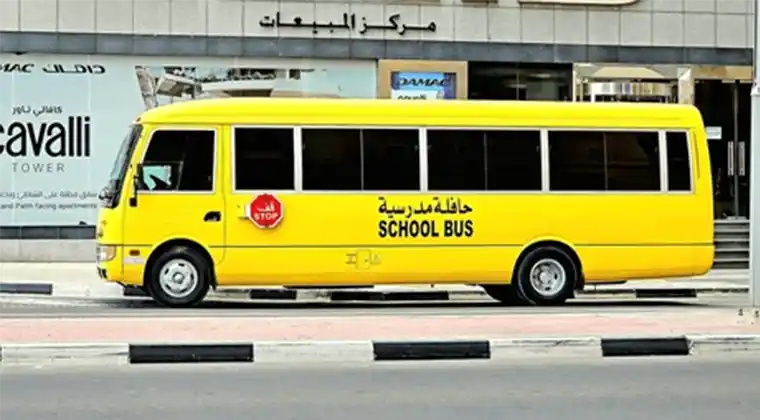
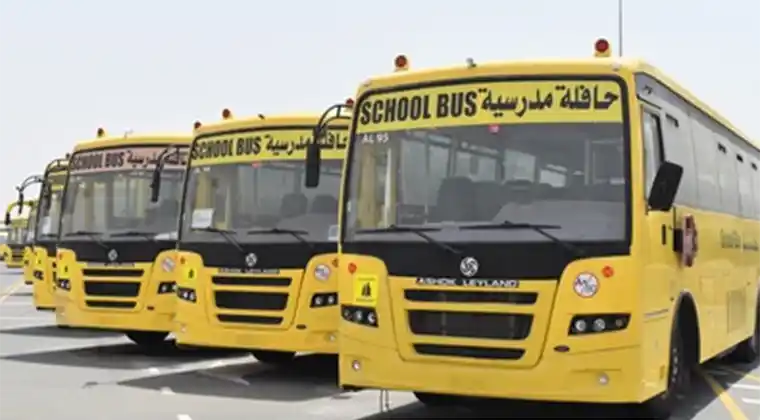
Technology will play a central role in the success of the pilot, with digital platforms enabling efficient coordination between operators, schools, and families. Features such as live vehicle tracking, route optimisation, attendance monitoring, and performance analytics are expected to support transparency and operational efficiency. Authorities said the use of data-driven insights would help identify demand patterns, peak usage times, and areas requiring improvement. These insights will guide future decision-making, allowing RTA to refine the service and explore scalability across different districts if the pilot delivers positive outcomes.
Schools participating in the pilot are expected to coordinate closely with transport operators to ensure smooth integration with daily schedules. This includes aligning pick-up times with school start hours, managing designated loading zones, and communicating with parents about procedures. RTA said stakeholder collaboration would be critical to the programme’s success, with schools, operators, and families all playing a role. Feedback collected during the trial phase will be used to address operational challenges and fine-tune service delivery before any potential expansion across Dubai.
If successful, the school bus pooling pilot could pave the way for a citywide transformation in student mobility. RTA officials indicated that lessons learned from the trial would help shape future school transport policies, potentially leading to permanent pooled transport solutions. The authority sees the initiative as part of a long-term strategy to reduce reliance on private cars, improve road safety, and enhance mobility efficiency. A wider rollout could significantly reshape daily traffic patterns around schools, offering lasting benefits for students, parents, and the wider community.