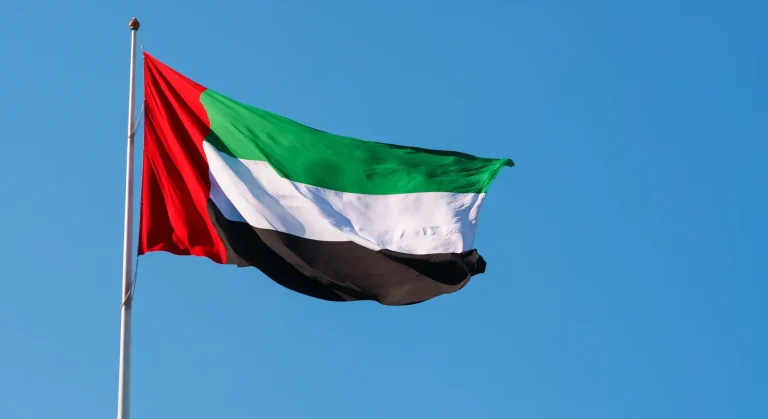
Three airlines from the UAE have ranked among the world’s five safest carriers, with Etihad Airways securing the number one global position for its outstanding safety record and operational standards.
Three UAE carriers feature in the world’s top five safest airlines, with Etihad taking the top spot globally
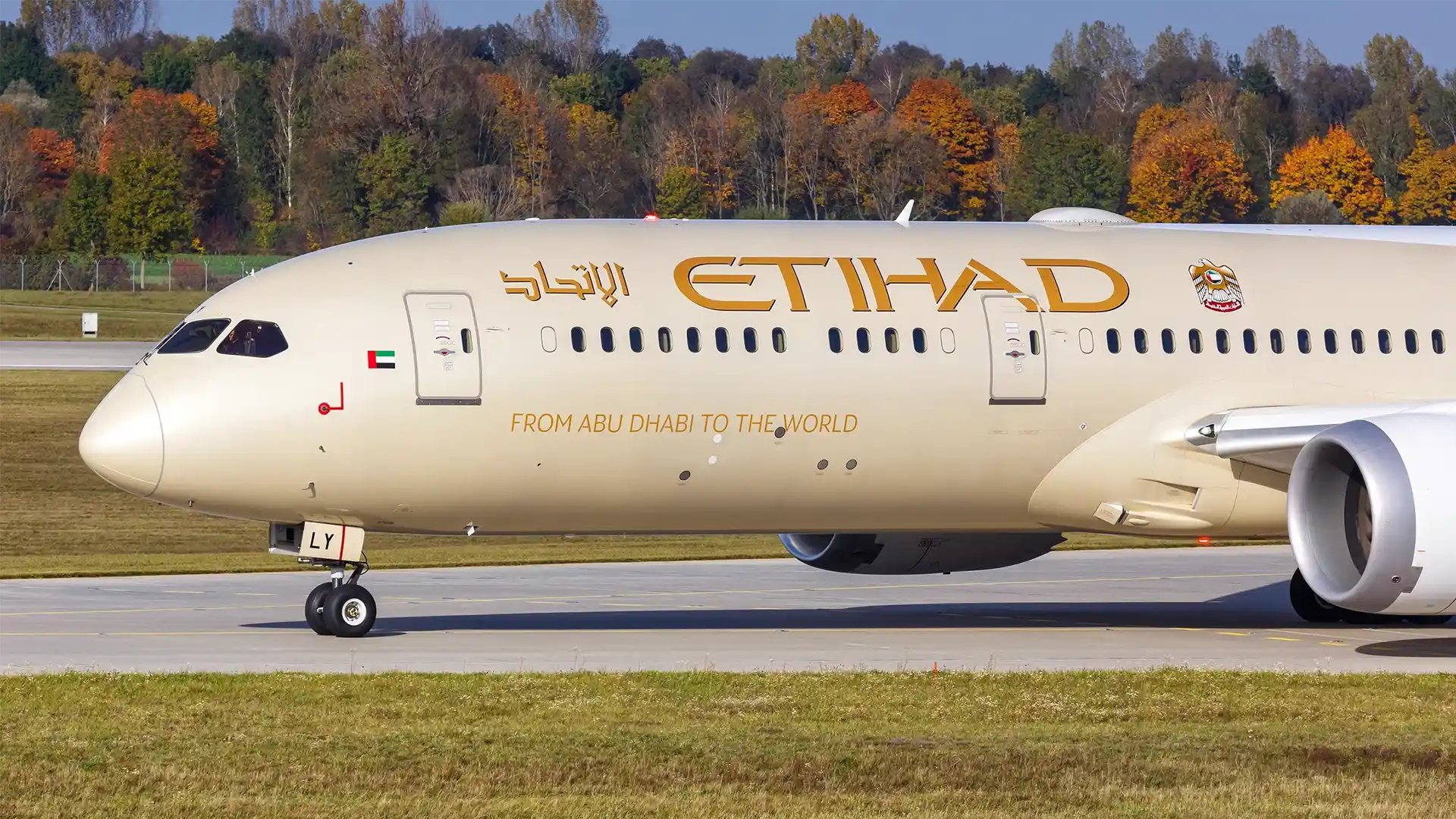
Three airlines based in the UAE have secured places among the five safest carriers worldwide, according to AirlineRatings’ 2026 global safety rankings.
In the latest list released by the aviation safety and product rating agency, Etihad Airways claimed the top position globally, marking a milestone for the region. The remaining airlines in the top 10 include Cathay Pacific, Qantas, Qatar Airways, Emirates, Air New Zealand, Singapore Airlines, EVA Air, Virgin Australia and Korean Air. The assessment evaluated 25 major full-service airlines as well as low-cost carriers across both categories.
“This is the first time a Gulf airline has ranked number one,” said Sharon Petersen, chief executive of AirlineRatings. She explained that Etihad’s top ranking was driven by several factors, including its relatively young aircraft fleet, continuous improvements in cockpit and turbulence-related safety systems, a spotless accident record, and the lowest number of incidents per flight among all airlines reviewed.
Petersen added that Etihad also took part in the company’s independent onboard safety audit, during which it showed strong compliance with cabin safety procedures and turbulence management standards.
UAE airlines have consistently invested heavily in modern, fuel-efficient aircraft, a strategy that has strengthened safety standards while also improving passenger experience. These investments have played a key role in reinforcing the country’s position as a global aviation hub.
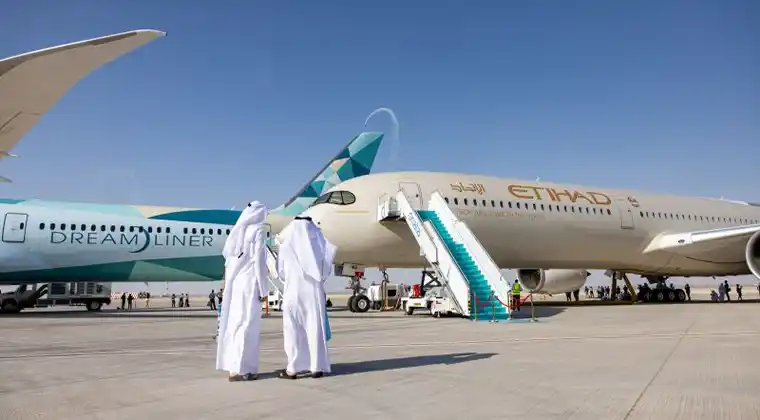
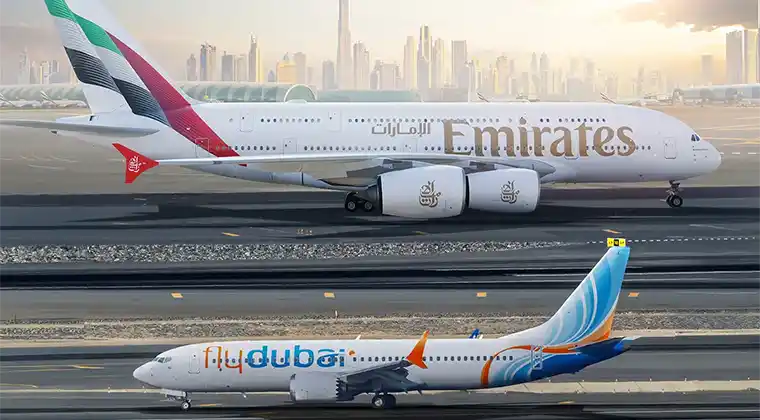
At the Dubai Airshow 2025 held in November, UAE carriers Emirates, Etihad Airways and flydubai collectively placed orders for more than 500 passenger and cargo aircraft, with the deals valued at nearly Dh420 billion.
The 2026 rankings also welcomed new entrants, with Starlux Airlines and Fiji Airways appearing on the list for the first time, reflecting their growing focus on safety and operational excellence.
Petersen emphasised that differences between the world’s safest airlines are minimal and should not be viewed as significant safety gaps. She noted that all airlines included in the rankings have experienced incidents in the past, ranging from tail strikes to engine shutdowns and onboard fires.
“However, the actual incident rate per flight across these airlines ranges between just 0.002 and 0.09, which speaks volumes about the overall safety of the aviation industry,” she said.
She added that in today’s aviation environment, where serious accidents are extremely rare, being listed among the top 25 safest airlines highlights not only high standards in aircraft and operations, but also the vital contribution of experienced flight crews and strong safety systems across the industry.
Aviation analysts say the strong showing by UAE carriers reflects years of sustained investment in safety, training and technology. Airlines in the region have prioritised advanced flight simulators, rigorous pilot training programmes and real-time monitoring systems to minimise operational risks. These measures have helped carriers respond effectively to challenges such as severe weather, air traffic congestion and technical irregularities. Experts note that such proactive approaches not only improve safety outcomes but also enhance passenger confidence, particularly at a time when travellers are increasingly conscious of airline safety records.
The use of modern aircraft has been another key factor supporting high safety rankings. Newer planes are equipped with advanced avionics, predictive maintenance systems and improved materials that reduce the likelihood of mechanical failures. UAE airlines have been among the largest buyers of next-generation aircraft, allowing them to retire older models sooner than many competitors. Industry specialists say that a younger fleet typically translates into fewer incidents, lower maintenance risks and greater operational reliability across short- and long-haul routes.
Cabin safety and crew preparedness also play a critical role in airline safety assessments. Airlines are evaluated not only on technical performance but also on how well crews handle emergencies and turbulence-related situations. Regular drills, updated safety protocols and clear communication with passengers are essential components of these evaluations. AirlineRatings has highlighted that strong turbulence management practices, both in the cockpit and cabin, are increasingly important as climate-related weather disruptions become more frequent.
The recognition of UAE airlines comes at a time when global air travel continues to rebound strongly. With passenger numbers rising and flight frequencies increasing, maintaining high safety standards has become more complex. Industry leaders say the ability of airlines to scale operations without compromising safety is a key indicator of operational maturity. The continued presence of UAE carriers at the top of global rankings suggests that they have managed to balance growth with robust safety governance.
Looking ahead, experts believe that safety benchmarks will continue to evolve as technology advances. Artificial intelligence, enhanced data analytics and predictive risk assessment tools are expected to play a larger role in preventing incidents before they occur. UAE airlines, with their strong financial backing and strategic focus on innovation, are well positioned to adopt these technologies. As global standards rise, maintaining a place among the world’s safest airlines will require ongoing investment, vigilance and a culture that prioritises safety at every level of operations.