Grim scenes at Tehran morgue show bodies of protesters in black bags outside a forensic center, highlighting a brutal crackdown that has left hundreds dead and hospitals overwhelmed amid nationwide unrest. ([malaymail.com][1]) [1]: https://www.malaymail.com/amp/news/world/2026/01/12/video-shows-bodies-piling-outside-tehran-morgue-as-rights-groups-allege-mass-killings/205105?utm_source=chatgpt.com “Video shows bodies piling outside Tehran morgue as rights groups allege mass killings | Malay Mail”
Grim Scenes at Tehran Morgue Highlight Toll of Iran’s Violent Protests
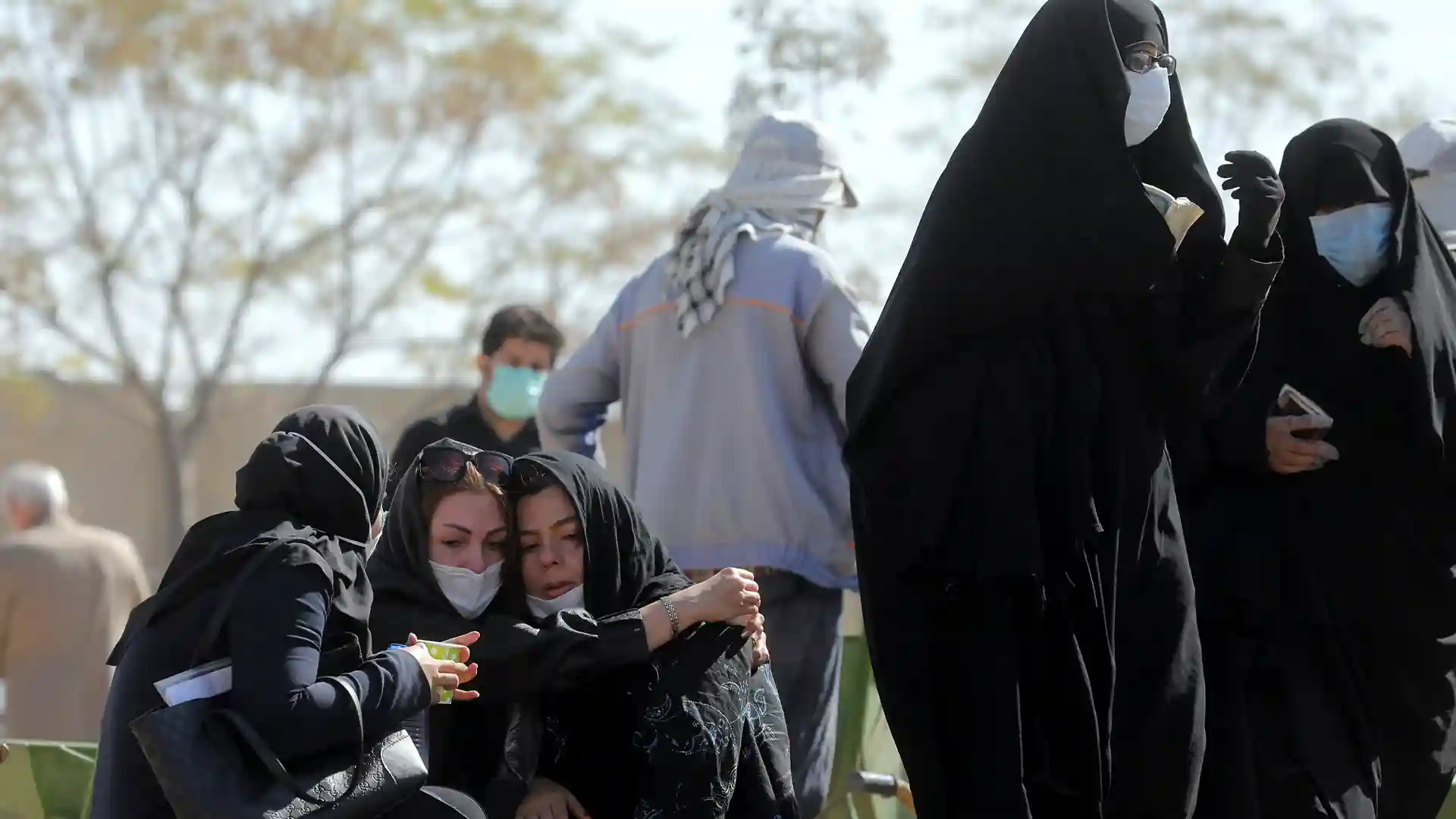
A recently authenticated video has captured a deeply troubling scene outside a mortuary south of Tehran, showing dozens of bodies accumulating in what appears to be a grim testament to the severity of Iran’s ongoing protest crackdown. The footage, whose location was verified by AFP, was geolocated to the Forensic Diagnostic and Laboratory Center of Tehran Province in Kahrizak, a facility south of the Iranian capital. In the video, bodies wrapped in black bags lie on the ground, while individuals who seem to be relatives or friends wander among them, searching for their missing loved ones.
The clip first emerged online on Saturday, circulating on social media platforms amid Iran’s widespread unrest. Rights groups and independent monitors have highlighted this and other video material from the site, drawing attention to what they describe as evidence of mass casualties in the course of the nationwide demonstrations. According to Norway‑based Iran Human Rights (IHR), the imagery “shows a large number of people killed during the nationwide protests.”
Another rights organization, Hengaw, likewise reported that it independently verified footage showing dozens of bloodied bodies both inside and outside the Kahrizak morgue, characterizing the content as documentation of “an extensive and severe crime.” These descriptions suggest not only the scale of deaths but also a significant strain on mortuary and identification operations.
The protests themselves began in late December 2025, initially sparked by economic grievances — including the sharp devaluation of the Iranian rial, rising inflation, and deteriorating living standards — but they quickly transformed into broader anti‑government demonstrations across virtually every province in Iran. Millions took to the streets, demanding political reform, accountability from the clerical leadership, and, in many cases, the resignation of Supreme Leader Ayatollah Ali Khamenei.
In response, Iranian security forces have launched a brutal crackdown, using live ammunition, pellet guns, and other heavy measures against largely unarmed demonstrators. Human rights groups say hundreds, and possibly more than 500, people have died during the protests, though definitive figures remain difficult to confirm because of restricted reporting and an ongoing internet blackout imposed by Iranian authorities
The government’s internet shutdown — now in effect for more than 72 hours — has severely hampered efforts by activists, journalists, and foreign observers to document the scope of the violence inside the country. Nonetheless, short‑lived connections via satellite services like Starlink allowed some images and videos of the crackdown and its aftermath to spread internationally before connections were again cut.
Beyond the MTV‑style mortuary footage, other videos circulating appear to show hospitals overwhelmed with bodies, morgue facilities that have reached capacity, and hospitals stacking bodies on top of one another due to lack of space. One medical source quoted in local reports said the number of bodies grew so large that they had to be placed in prayer rooms and other improvised storage areas when morgues could no longer accommodate the dead.
Families of victims have described harrowing scenes of searching through piles of corpses in hopes of finding the bodies of relatives. Some footage circulating online reportedly shows monitors with images of the dead displayed for identification, alongside rows of body bags laid out in courtyard areas near medical facilities.
The mounting death toll and the disturbing evidence emerging from videos like the one at Kahrizak have prompted international concern. Rights groups have warned that the use of lethal force against civilian demonstrators could constitute a mass killing and “a major international crime” against Iranian citizens. Some sources even suggest the real number of deaths could be significantly higher than official tallies, with unverified claims — though they remain contested — of thousands killed in the most intense periods of the crackdown.
Iranian authorities, however, have rejected international accusations of indiscriminate violence, instead blaming foreign interference for fomenting unrest. State media and official statements have at times described protesters as “terrorists” and those killed as dangerous elements, rather than peaceful demonstrators. The government has also called for counter‑protests, seeking to mobilize public support against the demonstrators.
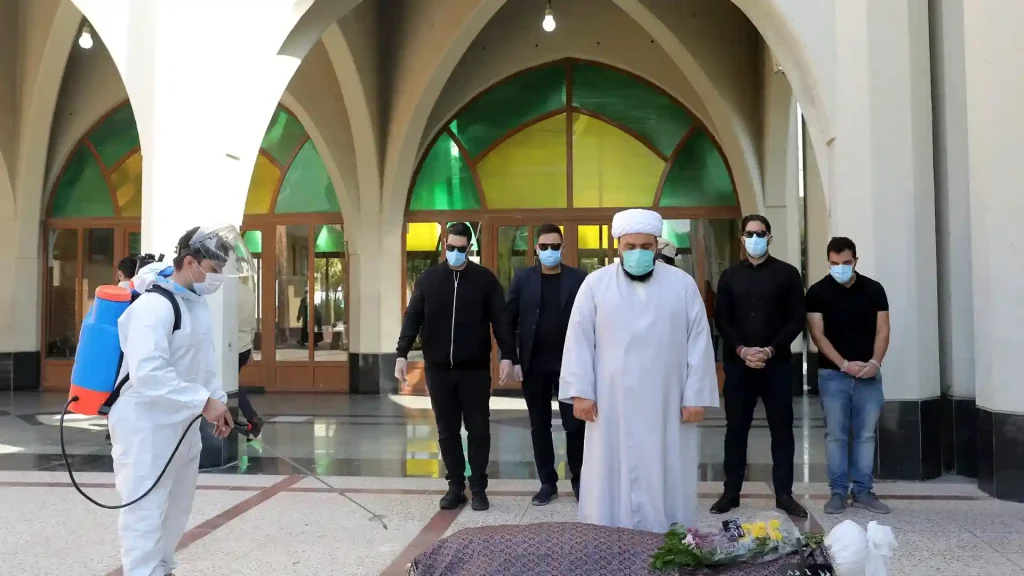
Amid the turmoil, there have also been besieged funeral processions and confrontations at burial sites, with security forces reportedly using force against mourners, further fueling public anger and intensifying demonstrations. Some families have been pressured to accept official narratives about the causes of death or to bury relatives without full acknowledgment of the circumstances in which they were killed. While direct documentation is limited by communication blackouts, recurring patterns of violence, cover‑ups, and constrained reporting have drawn parallels to earlier cycles of protest and suppression in Iran.The events unfolding in Kahrizak and across Iran represent one of the most significant and deadly protest movements the country has seen in decades — with widespread participation, heavy casualties, and a highly contested narrative about both causes and consequences. As global attention focuses on the scenes emerging from Tehran’s mortuaries and the streets filled with mourners and protesters alike, the long‑term political and social impact of these demonstrations remains uncertain, even as the immediate toll becomes painfully clearer.