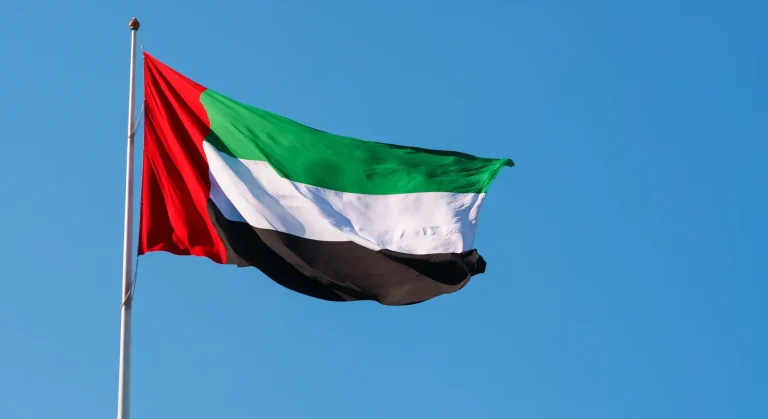
With gold prices reaching unprecedented highs, buyers in Dubai are increasingly turning to flexible payment plans and installment options, allowing them to manage costs while continuing to invest in the precious metal amid the record surge.
Record Gold Rates Push Dubai Shoppers to Opt for Installment Options.

Dubai Gold Market Adapts as Buyers Seek Strategy Amid Record Prices
The gold and jewellery market in Dubai and across the UAE is witnessing a marked transformation, with buyers increasingly gravitating away from impulsive purchases toward more deliberate, strategic buying behavior. This shift is being largely driven by precious metal prices trading near historic highs, prompting both domestic and international shoppers to rethink their approach to investing in gold and jewellery.
Traditionally, gold has been seen as a symbol of wealth, luxury, and cultural significance in the region. From festive gifting to personal adornment, gold has long held a central role in the UAE’s social and economic fabric. However, the extraordinary price volatility of recent years, amplified by global economic fluctuations, geopolitical tensions, and inflationary pressures, has encouraged consumers to adopt a more measured approach to purchasing.
Industry executives report that while the rising cost of gold influences the timing of purchases, it rarely discourages serious buyers, long-term investors, or tourists drawn to Dubai’s well-established reputation as a trusted, transparent gold hub. On Sunday, 24-karat gold was trading at Dh543.25 per gram, while 22K gold stood at Dh503 per gram. Prices for 21K, 18K, and 14K gold were recorded at Dh482.25, Dh413.5, and Dh322.5 per gram, respectively. Internationally, spot gold closed the week at $4,509.2 per ounce, a 1.28% increase, and had hit an all-time high of $4,549.71 per ounce on December 29, 2025. These figures underscore the persistent upward pressure on precious metal prices, which continues to shape consumer behavior.
“One of the major trends we are observing in 2025 is the shift from impulsive buying to strategic investment,” said Chirag Vora, Managing Director of Bafleh Jewellers. “Customers now expect flexible payment plans, digital tools for real-time pricing, and advisory services that help them make informed decisions. The volatility caused by geopolitical and economic factors reinforces gold’s reputation as a safe-haven asset, and buyers are increasingly approaching purchases with a long-term perspective rather than a reactive one.”
Flexible Payment Plans Gain Traction
Jewellery retailers in Dubai are responding to this shift by expanding their offerings of flexible payment options. Many stores provide UAE residents with installment schemes, allowing them to spread the cost of purchases over several months, while some also offer structured monthly savings plans to encourage regular investment in gold. These strategies are designed not only to ease the immediate financial burden on buyers but also to maintain robust sales volumes in a market affected by high prices.
“Flexible payments are no longer a luxury—they are a necessity in today’s environment,” Vora added. “Shoppers are looking for ways to invest in gold without overextending themselves, and offering structured financial solutions helps bridge the gap between desire and affordability.”
For international visitors, who account for a significant portion of Dubai’s gold sales, these flexible plans, combined with the city’s transparent regulatory framework, offer confidence in making substantial purchases. Tourists often use gold as a safe-haven investment or as a tangible souvenir of their visit, and the availability of installment options encourages them to commit even in the face of global price fluctuations.
Evolving Consumer Preferences
Beyond payment flexibility, the design and style of jewellery are also undergoing a noticeable transformation. Shoppers are moving away from heavy, traditional pieces toward lighter, lifestyle-oriented designs that suit everyday wear. This trend reflects a broader global shift in jewellery consumption, where versatility, comfort, and contemporary aesthetics increasingly influence buying decisions.
“Millennials and Gen Z are driving much of this evolution,” said Shamlal Ahamed, Managing Director for International Operations at Malabar Gold and Diamonds. “They favor versatile pieces that can be worn casually and layered with other jewellery. Even older generations, traditionally inclined toward heavier or more ornate designs, are now appreciating modern aesthetics and incorporating them into their personal style.”
This trend toward contemporary, wearable jewellery has encouraged retailers to diversify their collections. Many jewellers now stock pieces that balance traditional craftsmanship with modern design sensibilities, catering to a broader demographic that spans multiple age groups, nationalities, and lifestyles. Retailers have also invested in digital tools, online catalogues, and augmented reality experiences that allow customers to visualize how different pieces will look when worn, enhancing convenience and engagement.
Gold as a Safe-Haven Asset
Despite periodic volatility, gold continues to be viewed as a safe-haven investment. Its enduring appeal lies in its ability to preserve wealth, hedge against inflation, and serve as a tangible store of value. In Dubai, this perception is reinforced by the city’s reputation as a transparent, well-regulated gold market, where buyers can transact with confidence.
“Gold prices may fluctuate in the short term, but the long-term fundamentals remain strong,” said Anil Dhanak, Managing Director of Kanz Jewels. “Dubai’s gold market is highly trusted by both residents and international visitors. Even when prices rise, investors and serious buyers understand that gold represents a stable asset, and they continue to make purchases rather than postpone or cancel them.”
The UAE’s regulatory framework, combined with the city’s robust retail infrastructure, ensures that buyers are protected, reducing risk and encouraging continued investment. Price transparency, certification, and standardized trading practices make Dubai an attractive destination for both high-value investors and casual buyers seeking reliable purchases.
The Impact of Global Economic Factors
Global economic trends, including inflation, currency fluctuations, and geopolitical instability, have reinforced gold’s role as a safe-haven asset. Investors often turn to gold when traditional financial markets become unpredictable or when currencies weaken, providing both security and diversification for portfolios.
This dynamic has directly influenced buying behavior in Dubai. While some buyers may time their purchases to coincide with minor dips in gold prices, the overall trend shows a strong preference for steady accumulation and investment, particularly in 22K and 24K gold, which retain high resale value and liquidity.
“The volatility may affect timing, but it rarely deters serious investors,” Dhanak noted. “Those who understand gold’s long-term potential recognize that short-term price swings are part of the market’s natural rhythm. Dubai’s market transparency ensures that buyers feel confident in making decisions, even amid global uncertainty.”
Digital Tools and Real-Time Pricing
In response to heightened consumer awareness, many jewellers have introduced digital tools that provide real-time updates on gold prices. These tools allow buyers to track market movements, compare prices, and make informed decisions with greater confidence. Mobile apps, online portals, and in-store digital displays have become integral to the buying experience, reflecting a broader shift toward tech-enabled retail solutions.
“Knowledge is power,” Vora said. “Buyers today want instant access to pricing information and the ability to plan their purchases strategically. Technology allows them to engage with the market actively, whether they are purchasing for investment or personal use.”
Catering to Tourists and International Visitors
Dubai’s status as a global hub for gold trading attracts millions of tourists each year, many of whom prioritize purchasing jewellery as part of their travel experience. For these international buyers, the combination of price transparency, payment flexibility, and high-quality design is particularly appealing. Retailers have tailored offerings to accommodate this segment, including multilingual service, concierge-style sales support, and travel-friendly packaging options.
“Tourists are drawn by the city’s reputation as a trusted market,” Dhanak explained. “They know that even with price fluctuations, they are buying from a regulated, high-quality environment. Our role is to make that experience as seamless and rewarding as possible.”
Lifestyle and Jewelry: A Cultural Shift
The move toward lighter, everyday jewellery also reflects a cultural evolution in consumption habits. Shoppers are increasingly viewing gold not just as a status symbol or investment but as an integral part of their lifestyle. Pieces are selected for versatility, wearability, and aesthetic appeal, often intended to complement daily attire rather than reserved solely for ceremonial occasions.
Retailers have adapted by introducing collections that balance traditional craftsmanship with modern design techniques, appealing to a broad range of tastes. The emphasis on lifestyle jewellery reflects broader social trends, including urbanization, professional mobility, and the growing influence of social media, which has shaped perceptions of style and fashion among younger buyers.
Strategic Buying in a Volatile Market
The combination of rising prices, global volatility, and evolving consumer preferences has created an environment where strategic buying is paramount. Rather than purchasing impulsively, buyers are evaluating timing, design, payment options, and long-term value before committing to a purchase.
“Gold is no longer just a gift or an adornment; it is a deliberate investment,” Vora emphasized. “Shoppers are thinking about resale value, liquidity, and how each piece fits into a broader portfolio. Flexible payments, installment schemes, and real-time pricing tools are all part of this strategic approach.”
Conclusion
Dubai’s gold and jewellery market is evolving in response to multiple factors: record-breaking gold prices, changing consumer preferences, global economic uncertainty, and technological advancements. The shift from impulsive to strategic buying reflects a maturing market, where flexibility, transparency, and long-term thinking are increasingly valued.
Retailers who provide flexible payment plans, digital pricing tools, and contemporary, versatile designs are best positioned to thrive, catering to both domestic residents and international visitors. Meanwhile, gold’s enduring appeal as a safe-haven asset ensures that demand remains robust despite short-term volatility.
As the UAE continues to attract global attention for its gold market, the combination of cultural heritage, regulatory trust, and innovation in retail is shaping a new era for the region’s precious metals industry. Strategic buying, lifestyle-oriented jewellery, and adaptive payment options are no longer trends—they are now fundamental aspects of the market, ensuring that Dubai remains a global hub for gold investment and luxury consumption.


Gold Outlook for 2026: Navigating Uncertainty, Geopolitics, and Market Dynamics
In the landscape of global financial markets, gold continues to occupy a unique role that transcends its physical value as a precious metal. Rather than being driven solely by the supply‑and‑demand dynamics of bullion markets, gold’s valuation today reflects much broader macroeconomic forces—chief among them central bank demand, investor appetite for safety amid economic and geopolitical uncertainty, and the ongoing need for portfolio diversification. These influences are expected to remain significant through 2026, shaping how investors, institutions, and governments approach the metal.
The World Gold Council (WGC), a leading industry body and research authority, frames the outlook for the coming year not as a straightforward forecast of price direction, but as a range of potential outcomes rooted in how global economic and political conditions unfold. Their recent outlook highlights the multifaceted role gold now plays in the global economy—acting not just as a commodity but as a strategic asset within diversified portfolios.
Gold’s Macro Role: Beyond Physical Scarcity
Historically, gold has been perceived as a safe store of value, a hedge against inflation, and a crisis hedge. While these characteristics remain relevant, the WGC emphasizes that gold’s support going forward depends less on physical market tightness and increasingly on macro drivers. That includes continuous purchases by central banks seeking to bolster reserves, investors’ hedging demand in an environment of policy uncertainty, and the diversification demand that emerges when traditional correlations between stocks and bonds break down.
Central banks, especially in emerging and frontier markets, have been steadily increasing allocations to gold reserves. These purchases reflect a long‑term shift in reserve management strategies: governments seeking to reduce sovereign exposure to any single currency or asset class. This trend has been a powerful underpinning of gold demand, even in phases where investor sentiment swings.
Forecast Scenarios: What Lies Ahead in 2026
Rather than offering a single price prediction, the WGC outlines multiple scenarios that could drive gold performance through 2026—each linked to broader economic conditions and the trajectory of global markets.
1. Modest Growth with Rangebound Prices
In a baseline scenario, where economic growth remains moderate and central bank buying continues at current elevated levels, gold prices could trade within a relatively stable range. This reflects a market that has already priced in much of the consensus expectations: expectations of a slow‑moving economy, moderate interest rate adjustments, and geopolitical tensions that do not escalate further.
In this context, gold may not experience explosive gains but could continue to serve as a reliable diversifier, retaining value relative to other asset classes even if it does not dramatically outperform. This scenario finds support in the fact that much of 2025’s performance—where gold surged and hit historic peaks—was driven by unique conditions that may not repeat to the same extent.
2. Economic Slowdown and Safe‑Haven Rally
A more bullish outlook emerges if the global economy slows more sharply and investors increasingly seek shelter from risk. In this “doom loop” scenario, where confidence erodes, business investment contracts, and monetary authorities pursue deeper rate cuts, gold could benefit significantly as yields fall and risk aversion rises.
Under these conditions, falling yields reduce the opportunity cost of holding non‑yielding assets like gold, while heightened geopolitical and economic risk drives capital toward safe havens. Analysts suggest that in such an environment, gold prices could rise substantially—potentially 15% to 30% or more from current levels—supported by strong investment demand, including through gold‑backed exchange‑traded funds (ETFs).
Such a trajectory would mirror the historic rally seen in 2025, when gold’s performance was one of the strongest among major asset classes, driven by a combination of geopolitical risk, weak yields, and currency moves.
3. Strong Economic Growth and Risk‑On Markets
On the flip side, a scenario exists in which coordinated economic policies, particularly within the United States, manage to stimulate robust growth while containing geopolitical tensions. In this environment, risk appetite would likely increase, leading investors back toward equities and higher‑yielding assets. Interest rates may remain stable or even rise, and the US dollar could strengthen.
Under these conditions, gold’s appeal as a safe haven could diminish, resulting in price consolidation or even a correction. The WGC notes that gold could see downward pressure of 5% to 20% in such a scenario, as yields rise and the opportunity cost of holding gold increases relative to bonds or equities.
Geoeconomic Uncertainty: A Common Thread
Across these scenarios, one theme stands out: uncertainty. Whether it is geopolitical tensions in Eastern Europe, tensions in the Middle East, or persistent trade and economic frictions, these “tail risks” are likely to influence investor behavior throughout 2026. Even if they do not immediately trigger crisis‑like conditions, the perception of risk plays a powerful role in financial markets.
Recent price action illustrates this influence: gold recently breached new all‑time highs, trading above $4,600 per ounce, amid heightened fears over central bank policy independence and geopolitical strain. Analysts attributed this move to safe‑haven flows as investors sought stability amid conflicting signals in global markets.
Geopolitical tensions can alter investment flows dramatically even without triggering broad economic downturns. As markets price in risk premiums, gold’s role as a hedge strengthens, attracting both speculative and long‑term capital. This dynamic, combined with negative yield pressures in parts of the fixed‑income market, helps sustain interest in gold across diverse investor groups.
Investor Behavior and Market Positioning
Institutional investors—such as pension funds, sovereign wealth funds, and asset managers—are increasingly viewing gold as part of a diversified global portfolio. This trend reflects not only hedging against market uncertainty but recognition that gold often behaves independently of traditional asset classes.
Exchange‑traded funds backed by physical gold have seen large inflows, contributing to higher holdings globally. Though still below historical peak levels relative to earlier bull markets, these flows suggest meaningful investor confidence in gold’s role as a strategic asset.
Retail investors, too, are participating in gold markets through digital platforms, bullion purchases, and jewellery — especially in regions where gold carries cultural significance. As gold continues its long‑term rally, individuals increasingly integrate the metal into savings and investment strategies as a hedge against inflation and currency risk.
Central Bank Activity: A Steady Influence
Central banks play a significant role in the global gold market. Their ongoing accumulation of gold reserves serves both strategic and economic purposes. Diversifying away from concentrated holdings in sovereign debt and fiat currencies, central bank buying provides a stabilizing influence on demand that is less reactive to short‑term price fluctuations.
Emerging economies, in particular, have continued to buy gold aggressively. While equitable data varies by region, official sector demand has remained elevated, keeping central banks among the top buyers globally. This dynamic not only supports price levels but signals institutional confidence in gold’s longer‑term strategic value.
Conclusion: A Year of Potential Contrasts
As markets move into 2026, gold’s path will likely reflect the interplay between macroeconomic forces, geopolitical developments, and investor psychology. Unlike other assets, gold’s multifaceted role—as an inflation hedge, safe‑haven asset, portfolio diversifier, and store of value—means that its performance cannot be pinned to a single indicator. Instead, it responds to a complex mosaic of risk perceptions, policy choices, and global economic trends.
Whether prices remain rangebound, rally strongly under risk‑off conditions, or experience corrections amid renewed growth and risk‑on sentiment, gold will continue to play a significant role in global financial markets. Its evolving narrative underscores both the opportunities and challenges for investors seeking to navigate an unpredictable economic environment.