Donald Trump said relations with Venezuela have improved under its new leadership, adding that cooperation is going well and he is open to meeting the country’s leaders in the future.
Trump Claims Progress With Venezuela’s New Government, Open to Direct Talks
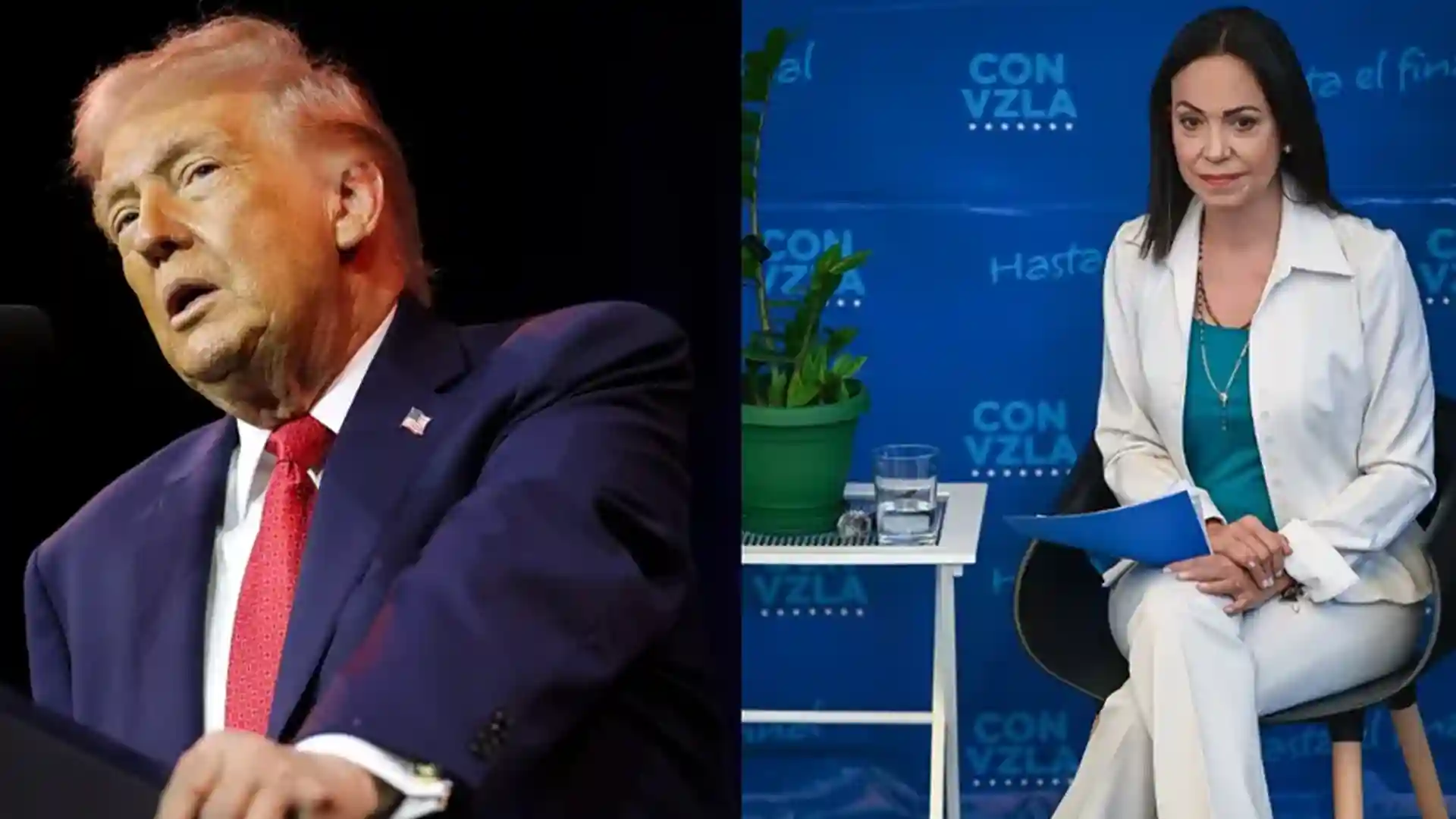
US President Donald Trump has said his administration is maintaining constructive relations with Venezuela’s interim leadership, signaling a potential shift in Washington’s long-standing stance toward the crisis-hit South American nation. Speaking to reporters on Sunday, Trump said cooperation with interim leader Delcy Rodriguez was progressing smoothly and indicated he would be open to meeting her in person at a later stage.
Trump’s remarks come little more than a week after the dramatic arrest of former Venezuelan president Nicolas Maduro, who was detained during a US special forces operation and transported to New York to face drug trafficking charges. The development marked a turning point in Venezuela’s political landscape and intensified Washington’s involvement in the country’s future. Trump has since asserted that the United States now exercises de facto control over Venezuela, citing a US-enforced naval blockade aimed at restricting the country’s vital oil exports.
Despite her close political association with Maduro, Rodriguez has positioned herself as a pragmatic leader willing to engage with Washington. She has publicly expressed openness to cooperating with the United States, particularly on Trump’s demands related to access to Venezuela’s vast oil reserves. Her government has also promised steps toward political reform, including the release of detainees held under the previous administration and the reopening of dialogue to restore diplomatic relations with the US.
In line with these efforts, American envoys traveled to Caracas on Friday to hold preliminary discussions about reopening the US embassy, which has been closed for several years amid diplomatic tensions. Trump described the talks as encouraging, saying Venezuela’s leadership appeared eager to normalize relations.
The US president also revealed plans to meet with prominent opposition figure Maria Corina Machado in the coming days. Trump’s decision to recognize Rodriguez as interim leader rather than Machado surprised many observers, particularly given Machado’s international profile and her Nobel Peace Prize win last year. The move sparked debate among opposition supporters, though Trump has defended his choice as necessary to ensure stability and cooperation during a sensitive transition period.
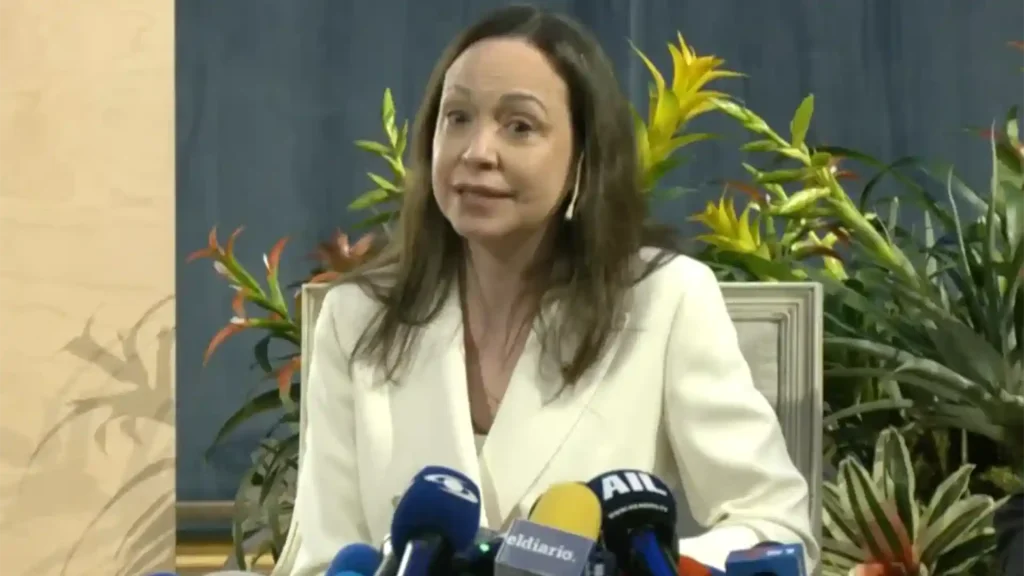
Meanwhile, Venezuelan authorities have begun releasing political prisoners, announcing that a significant number would be freed. However, human rights organizations and opposition groups argue that the actual number released so far remains limited, estimating only a few dozen have been allowed to leave detention. Families of detainees continue to gather outside prisons, some camping overnight, hoping for news of their relatives’ release. Rights groups estimate that between 800 and 1,200 political prisoners may still be held across the country.
Concerns over human rights persist after the death of a detained police officer accused of treason, who died in state custody following medical complications. Opposition groups have blamed the interim government for failing to protect detainees, adding to scrutiny of Rodriguez’s leadership.
On the economic front, Trump has urged major US oil companies to consider investing in Venezuela, arguing that American involvement could help revive the country’s energy sector. However, industry leaders remain cautious, citing years of sanctions, deteriorating infrastructure, and systemic mismanagement. Some executives have described Venezuela as a high-risk environment without substantial reforms, underscoring the challenges facing any future economic recovery.As Venezuela navigates a complex political transition, Trump’s comments suggest the United States is prepared to play a central role in shaping the country’s next chapter, balancing diplomatic engagement, economic interests, and ongoing human rights concerns.