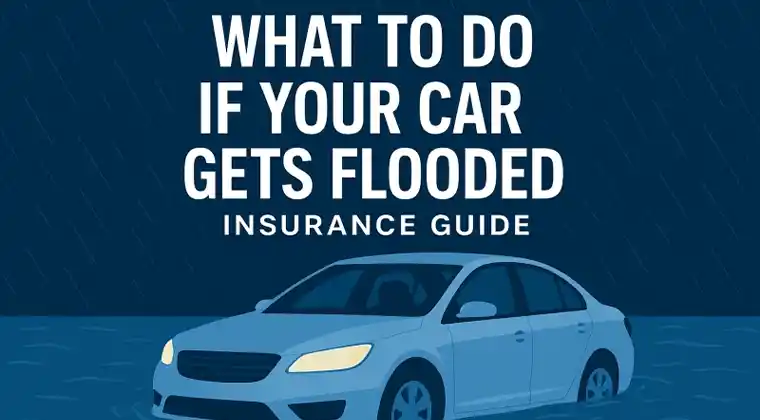
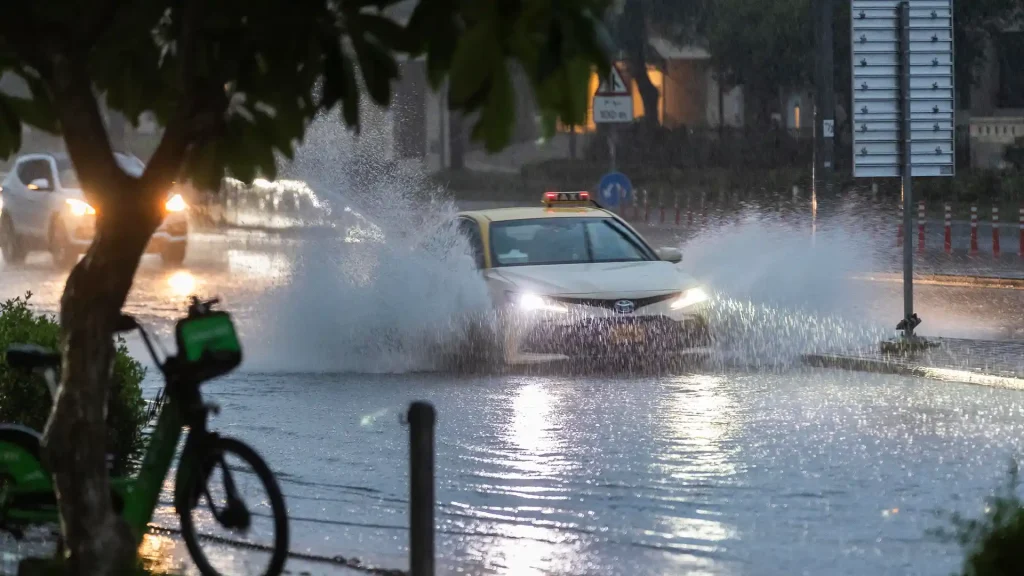
In the UAE, motorists who choose to drive through flooded roads may face complications with insurance claims, as insurers can classify such actions as negligence, potentially leading to claim rejection or reduced compensation.
UAE: How Driving Through Flooded Roads Can Impact Insurance Claims Over Negligence.
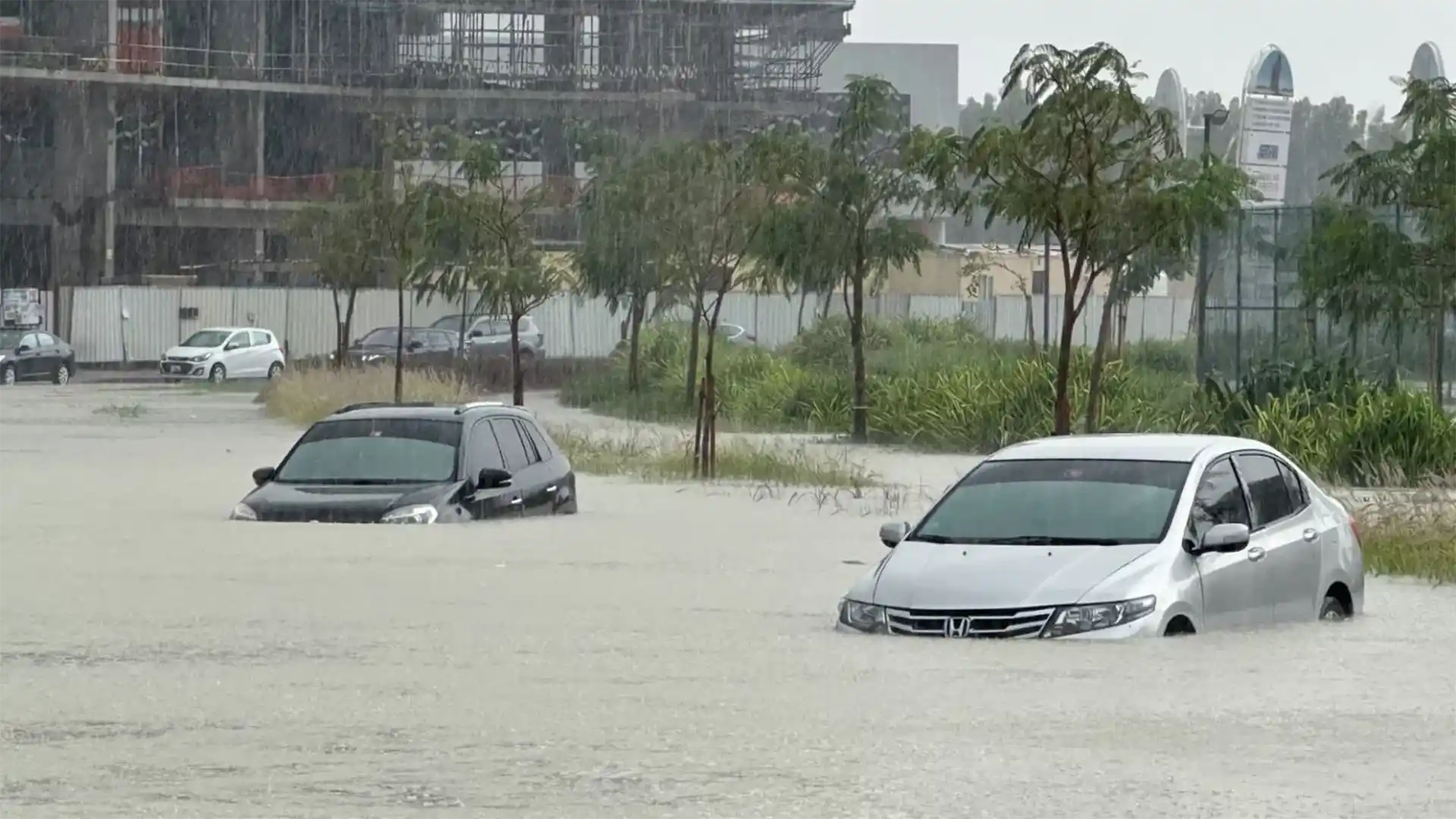
As the UAE’s insurance sector continues to evolve and mature, insurers are adopting a more disciplined and stringent approach when assessing motor insurance claims, particularly those linked to flood-related incidents. A growing number of claims are being rejected on the basis of driver negligence, especially in cases where motorists knowingly attempt to cross flooded wadis, submerged roads, or areas clearly identified as high-risk during severe weather conditions.
This shift reflects a broader transformation within the local insurance market, where underwriting standards, risk assessment frameworks, and claims evaluation processes are becoming more sophisticated. Insurers are increasingly unwilling to absorb losses that arise from avoidable behavior, particularly when clear warnings and public advisories have been issued in advance.
Greater awareness among policyholders
Industry professionals note that motorists themselves are becoming more informed and cautious, largely as a result of recent extreme weather events that have affected the country. The heavy rainfall episodes experienced in April 2024 and again in December 2025 served as wake-up calls for both drivers and insurers, highlighting vulnerabilities in infrastructure, preparedness, and personal decision-making.
These weather events caused widespread disruption, including road closures, vehicle damage, and delayed claims processing. In the aftermath, many consumers reassessed their insurance needs and began opting for more comprehensive motor policies that offer broader protection, including flood and natural disaster coverage. At the same time, policyholders are paying closer attention to exclusions, deductibles, and conditions related to negligence.
Insurance executives say this growing awareness has contributed to a more balanced relationship between insurers and customers, where expectations are clearer and accountability is shared.
Rising costs reshape insurance pricing
Another major factor influencing insurers’ stricter stance is the steadily rising cost of vehicle repairs. Modern vehicles are increasingly equipped with advanced driver-assistance systems, complex electronics, and sophisticated sensors, all of which are expensive to repair or replace when damaged by water exposure.
The rapid adoption of electric vehicles has added another layer of complexity. While EVs offer long-term efficiency benefits, their batteries, power electronics, and software-driven components can suffer extensive damage when exposed to floodwaters. Repairing or replacing these systems often results in significantly higher claim values compared to traditional internal combustion engine vehicles.
As a result, insurers are facing mounting claims costs, prompting them to reassess premium pricing and tighten underwriting guidelines. Rate increases across the motor insurance segment have become more common, reflecting the need to maintain financial sustainability amid higher loss ratios.
Stricter interpretation of policy terms
According to industry leaders, insurers are now applying policy wording more rigorously, particularly when it comes to exclusions related to negligence and reckless behavior. Claims arising from incidents where drivers knowingly entered flooded areas—despite warnings, road closures, or visible danger—are increasingly being declined.
Ralph Kabban, Chief Executive Officer of United Insurance Brokers (UIB), explained that insurers are no longer willing to overlook actions that clearly fall outside responsible driving behavior. He noted that many policies explicitly exclude coverage in situations where a driver exposes their vehicle to obvious and foreseeable risks.
Examples include attempting to cross flooded wadis, driving into zones designated as hazardous by authorities, or proceeding through roads that are visibly submerged. In such scenarios, insurers may determine that the loss was preventable and therefore does not qualify for compensation under the policy terms.
Kabban emphasized that this approach is not about denying claims arbitrarily, but about reinforcing the principle that insurance is designed to protect against unforeseen events—not deliberate risk-taking.
A more mature and resilient insurance industry
The evolving response to flood-related claims also reflects a broader maturation of the UAE’s insurance industry. Anas Mistareehi, Chief Executive Officer of eSanad, observed that insurers have significantly improved their operational capabilities in recent years, particularly in handling large-scale weather events.
He noted that companies have invested heavily in catastrophe-response planning, enabling them to scale up claims assessment teams quickly during peak periods. This includes deploying additional loss adjusters, streamlining digital claims submission processes, and strengthening coordination with brokers and repair networks.
Clearer and more proactive communication with customers has also become a priority. During major weather events, insurers now provide regular updates, guidance on claim procedures, and reminders about safety precautions, helping policyholders navigate stressful situations more effectively.
Mistareehi added that these improvements demonstrate the sector’s readiness to respond to extreme events in a structured and transparent manner, reducing confusion and improving overall customer experience.
The role of preparedness and communication
Preparedness emerged as a critical factor during the heavy rainfall experienced on December 19, according to Hitesh Motwani, Deputy CEO of InsuranceMarket.ae. He highlighted that coordinated communication among government authorities, meteorological agencies, insurers, and the public played a decisive role in minimizing losses.
In the lead-up to the storm, authorities issued timely warnings and advisories, while weather forecasts were continuously updated across multiple platforms. Alerts were sent directly to residents’ mobile phones, providing real-time information on expected rainfall intensity, road conditions, and safety measures.
This flow of information enabled residents to make informed decisions, such as postponing non-essential travel, avoiding flood-prone areas, and taking preventive steps to protect their vehicles and property. From an insurance standpoint, this proactive approach helped reduce the number of avoidable claims and limited the overall financial impact of the event.
Motwani emphasized that early warnings and public awareness are powerful tools in risk mitigation. When combined with effective coordination among stakeholders, they can significantly reduce both human and economic losses.
Changing expectations on responsibility
The increasing emphasis on negligence highlights a broader shift in how responsibility is viewed within the insurance ecosystem. While insurers continue to play a vital role in providing financial protection, there is a growing expectation that motorists exercise reasonable judgment and comply with safety advisories.
Driving into floodwaters poses not only a risk to vehicles but also to personal safety and emergency responders. As such, insurers argue that discouraging such behavior through stricter claims enforcement ultimately supports public safety goals.
This approach aligns with international insurance practices, where negligence exclusions are commonly enforced to prevent moral hazard and promote responsible behavior.
Digital tools and data-driven decisions
Technology is also playing a role in how insurers assess flood-related claims. Satellite imagery, telematics data, and timestamped weather reports can help determine whether a vehicle was driven into a flooded area after warnings were issued.
These tools allow insurers to make more informed, evidence-based decisions, reducing disputes and increasing transparency. For policyholders, this underscores the importance of understanding that claims decisions are increasingly supported by objective data rather than subjective judgment.
Looking ahead
As climate-related risks become more frequent and severe, the UAE insurance market is expected to continue refining its approach to flood coverage and negligence. Insurers are likely to further clarify policy wording, enhance customer education, and invest in predictive analytics to better anticipate and manage extreme weather events.
For motorists, the message is clear: insurance coverage is not a substitute for caution. Understanding policy terms, heeding official warnings, and avoiding unnecessary जोखिम during adverse weather conditions are essential to ensuring both personal safety and claim eligibility.
Ultimately, the convergence of stricter underwriting, improved preparedness, and heightened consumer awareness marks a new phase for the UAE’s insurance sector—one defined by shared responsibility, resilience, and a more sustainable approach to risk management.
Growing public understanding of climate-related insurance risks
Recent extreme weather events have played a critical role in reshaping how individuals in the UAE perceive risk, particularly when it comes to insurance protection. According to Anas Mistareehi, there has been a marked and meaningful improvement in overall risk awareness among customers, driven largely by firsthand experience with heavy rainfall and flooding incidents.
He explained that policyholders today are significantly more informed than they were just a few years ago. Rather than viewing insurance as a generic requirement, customers are now taking a more engaged and analytical approach to their coverage. They are paying closer attention to policy wording, understanding what is included and excluded, and recognizing how deductibles and coverage limits affect their financial exposure during adverse events.
This heightened level of understanding has led to tangible improvements across the insurance value chain. Claims are being reported more promptly, documentation is being submitted more accurately, and customers generally approach the claims process with clearer and more realistic expectations. As a result, insurers are finding it easier to process claims efficiently, reducing friction and misunderstandings that often arise during high-stress situations.
A shift toward more comprehensive coverage
The growing awareness of weather-related risks has also translated into noticeable changes in purchasing behavior. Ralph Kabban highlighted that insurers and brokers are witnessing a steady rise in motorists choosing to upgrade their policies. Many drivers who previously relied on basic third-party motor insurance are now opting for comprehensive plans that offer broader protection against risks such as flooding, storm damage, and other natural hazards.
This trend reflects a deeper understanding of the limitations of minimal coverage, especially during extreme weather conditions. Motorists who experienced or observed flood-related vehicle losses have become more conscious of the financial consequences of being underinsured. Comprehensive policies, while more expensive, are increasingly seen as a necessary safeguard rather than an optional upgrade.
A similar pattern is emerging in the property insurance segment. Kabban noted a growing number of tenants purchasing home contents insurance for the first time. Traditionally, many renters assumed that insurance was either unnecessary or solely the responsibility of landlords. However, recent weather events have demonstrated how vulnerable personal belongings can be to water damage, prompting tenants to reconsider their exposure.
This behavioral shift underscores a broader cultural change, where individuals are taking greater personal responsibility for managing risk. Weather-related threats are no longer viewed as rare or hypothetical; they are now part of everyday planning and financial decision-making.
Regulatory oversight and market discipline
Alongside changes in consumer behavior, regulatory authorities have played an important role in reinforcing discipline and confidence within the insurance market. Kabban pointed out that the Central Bank of the UAE has been actively monitoring developments and has issued reminders to insurers regarding their obligations to settle legitimate claims promptly.
Such regulatory engagement sends a clear signal that while insurers are entitled to enforce policy terms and exclusions, they must also uphold fair treatment of customers. Timely settlement of valid claims is essential not only for consumer trust but also for maintaining stability within the financial system during periods of elevated risk.
This balance between enforcement and fairness has helped ensure that the market remains resilient even under pressure. It also reassures policyholders that regulatory bodies are actively safeguarding their interests, particularly during times when claims volumes surge.
December 19 as a real-world stress test
The heavy rains experienced on December 19 served as a significant real-world test for the UAE’s insurance sector. Rather than being an unexpected shock, the event functioned as a comprehensive assessment of the industry’s preparedness, operational strength, and financial resilience.
For smaller insurers in particular, the event highlighted the importance of adequate capital reserves and robust solvency positions. Elevated claims volumes can place considerable strain on companies with limited buffers, making effective risk management and reinsurance arrangements essential.
From an operational perspective, the event tested insurers’ ability to handle spikes in claims reporting, deploy assessment resources quickly, and maintain service levels despite increased demand. Those with well-developed contingency plans, digital claims platforms, and scalable workflows were better positioned to respond efficiently.
Preparedness over reaction
Anas Mistareehi echoed the view that December 19 should be seen as a validation exercise rather than a crisis. He emphasized that the experience reinforced the critical value of preparedness across multiple dimensions of the insurance business.
Data-driven underwriting, for example, has become increasingly important in accurately pricing risk and setting appropriate coverage terms. By leveraging historical weather data, geographic risk mapping, and advanced analytics, insurers can better anticipate exposure and avoid unsustainable concentrations of risk.
Equally important is proactive customer education. Insurers that invest in educating policyholders about coverage options, exclusions, and risk mitigation measures tend to experience fewer disputes and smoother claims handling during extreme events. Well-informed customers are more likely to act prudently, follow safety advisories, and understand the outcomes of claims decisions.
Mistareehi concluded that in an era of evolving climate patterns, insurance can no longer be purely reactive. Success depends on foresight, collaboration, and continuous engagement with customers before, during, and after major events.
Long-term implications for the insurance ecosystem
The cumulative impact of these developments points to a more mature and resilient insurance ecosystem in the UAE. Increased awareness among consumers, stronger regulatory oversight, and improved operational readiness are collectively raising industry standards.
Weather-related risks are now firmly embedded in underwriting and product design considerations. Insurers are refining policy language, adjusting pricing models, and encouraging customers to adopt coverage that aligns more closely with their actual risk exposure.
For customers, the lesson is equally clear: understanding insurance is no longer optional. As climate-related events become more frequent, the ability to make informed coverage decisions will play a crucial role in financial resilience.
Conclusion
The events of December 19, along with previous periods of heavy rainfall, have accelerated a transformation already underway within the UAE’s insurance market. Rather than exposing weaknesses, these events have highlighted progress—demonstrating improved awareness, stronger systems, and a more responsible approach to risk on both sides of the insurance relationship.
As Mistareehi succinctly noted, the experience underscored the importance of preparation, intelligent underwriting, and continuous customer education in navigating an increasingly complex climate landscape. In doing so, it has helped set a foundation for a more sustainable and resilient insurance sector in the years ahead.