Iran’s deadly protests have now reportedly killed more than 500 people, including protesters and security forces, amid a severe government crackdown and thousands of arrests, rights group HRANA says.
Iran Protests Leave Over 500 Dead, Human Rights Group Claims
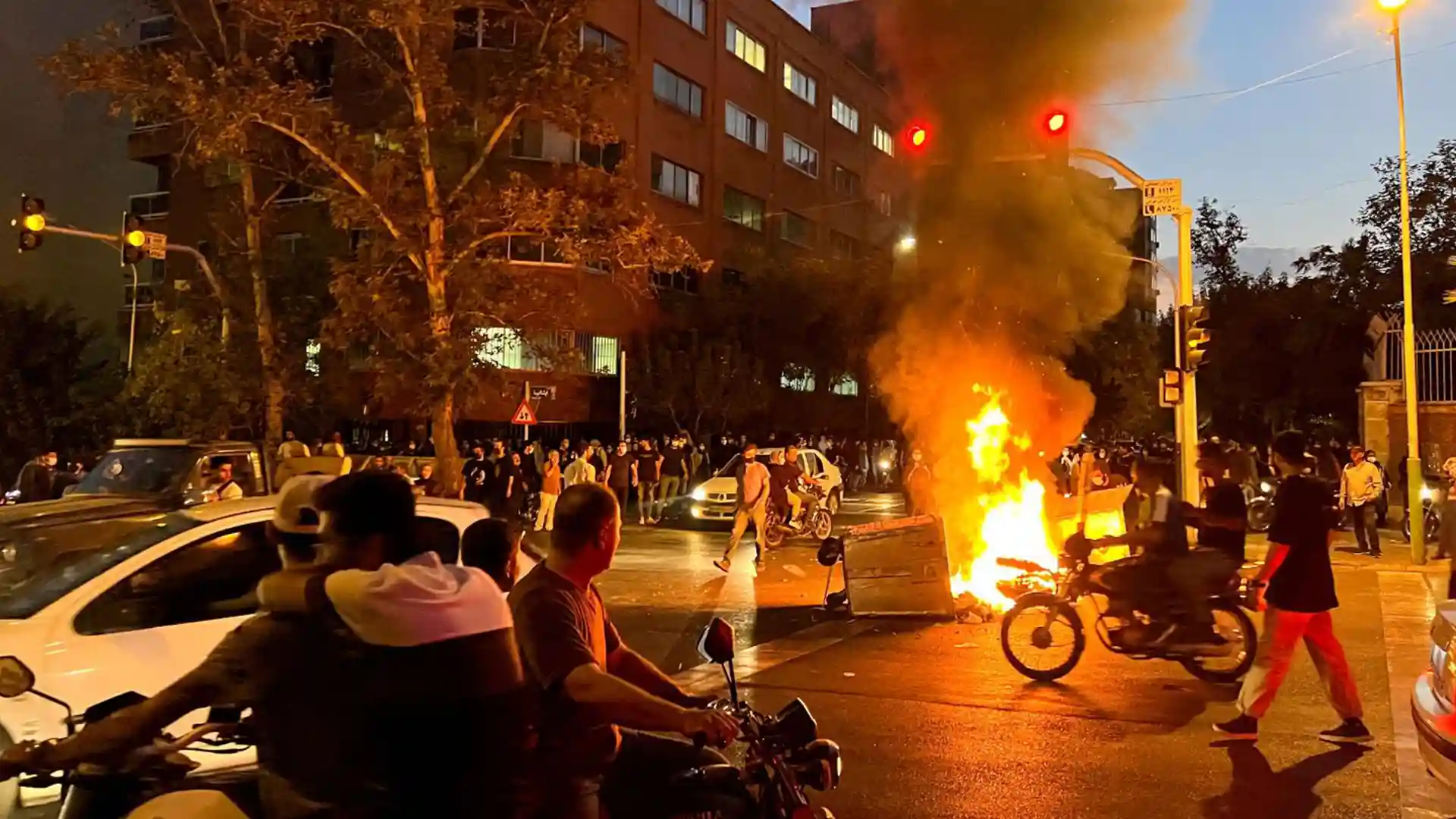
More than 500 people have reportedly died during two weeks of unrest in Iran sparked by economic hardship and opposition to the government, according to a human rights organisation. Tehran has meanwhile warned it would retaliate against US military assets if President Donald Trump follows through on threats to intervene in support of protesters.
The US-based Human Rights Activists News Agency (HRANA) said it had confirmed the deaths of 490 demonstrators and 48 members of the security forces, based on information from activists inside and outside the country. The group also reported that over 10,600 people have been detained since the protests began. Earlier estimates had placed the death toll at around 192, raising alarm among observers that the authorities were using extreme force to suppress dissent.
Iran has not released official casualty figures, and Reuters said it could not independently verify the numbers.
The demonstrations, the most significant since 2022, erupted on December 28 over rising living costs before evolving into broader protests against Iran’s clerical leadership. Authorities have accused the United States and Israel of inciting the unrest.
Trump has repeatedly warned that Washington could intervene if Iranian forces continue using violence against protesters. According to a Wall Street Journal report, he was due to receive briefings on possible responses, including military action, cyber operations, tougher sanctions, and support for online opposition networks.
Iranian Parliament Speaker Mohammad Baqer Qalibaf cautioned Washington against what he called any strategic error, stating that any attack on Iran would make US bases, ships, and Israel legitimate targets. Qalibaf is a former commander of Iran’s Revolutionary Guards.
Information from Iran has been increasingly difficult to obtain following an internet shutdown imposed by authorities. However, videos circulating on social media showed large nighttime demonstrations in Tehran, with crowds chanting and clapping, as well as scenes of fires, debris, and explosions in cities such as Mashhad. Reuters verified the locations of some of the footage.
Iranian state television aired images of numerous body bags at Tehran’s coroner’s office, claiming the deaths were caused by “armed terrorists.” State media also broadcast funerals for security personnel killed during the unrest in several cities.
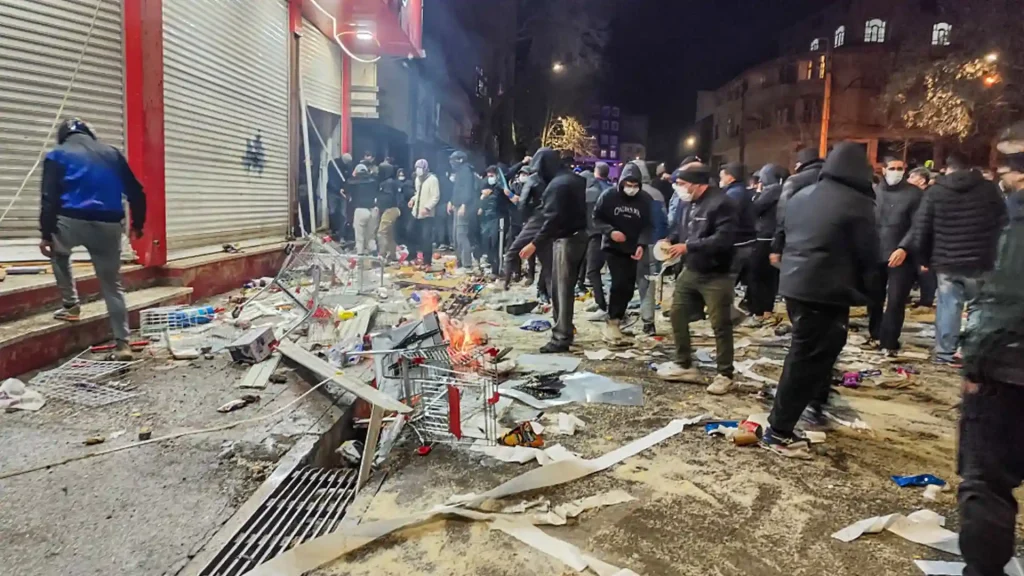
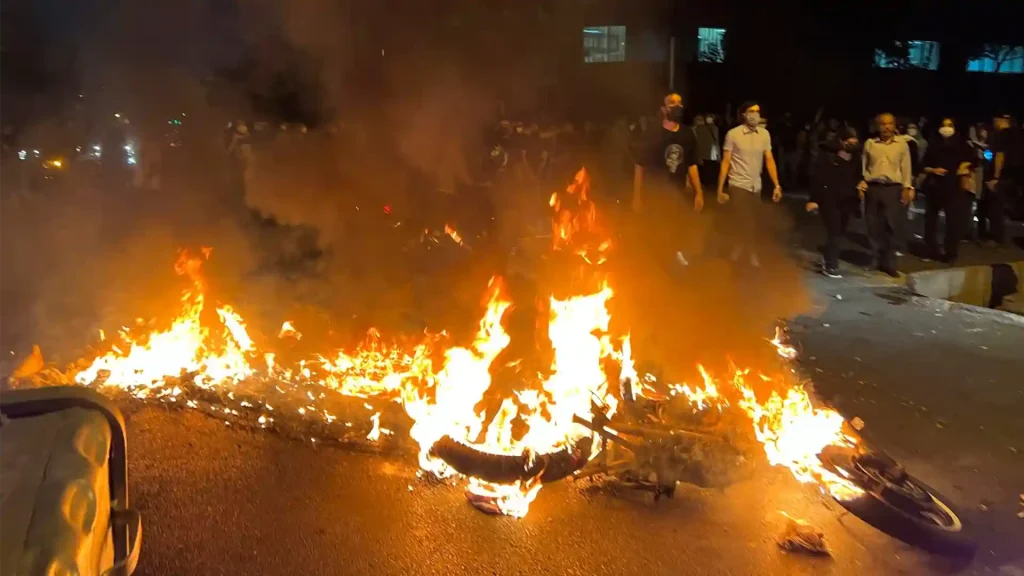
Israeli officials said the country was on high alert amid the possibility of US involvement, although an Israeli military spokesperson described the protests as an internal Iranian matter while confirming that developments were being closely monitored.
The unrest comes as Iran continues to recover from last year’s brief war with Israel, during which the United States struck Iranian nuclear facilities and Iran responded with missile attacks on Israel and a US base in Qatar. Tehran’s regional influence has also been weakened by setbacks to allies such as Hezbollah.
Iranian President Masoud Pezeshkian accused the US and Israel of orchestrating the turmoil, claiming that armed groups had attacked mosques, banks, and public infrastructure. He urged families to prevent young people from joining what he described as violent rioters, while saying the government was prepared to address economic grievances.
Former US diplomat and Iran specialist Alan Eyre said the protests were unlikely to bring down the ruling establishment but would probably leave it significantly weakened.
Trump said on social media that the United States was ready to assist Iranians seeking freedom. Israeli Prime Minister Benjamin Netanyahu echoed that sentiment, saying Israel was closely following events and expressing hope that Iranians would eventually be freed from authoritarian rule.Exiled opposition figures, including Reza Pahlavi and Maryam Rajavi, praised protesters for their courage and urged them to continue demonstrating, describing the unrest as a turning point in Iran’s political landscape.