Armed Venezuelan colectivos reject US intervention after the raid that ousted Maduro, vowing to resist fiercely, saying “they’ll have to kill us first” rather than back down.
They’ll Have to Kill Us First”: Venezuelan Colectivos Pledge Resistance After US Strike
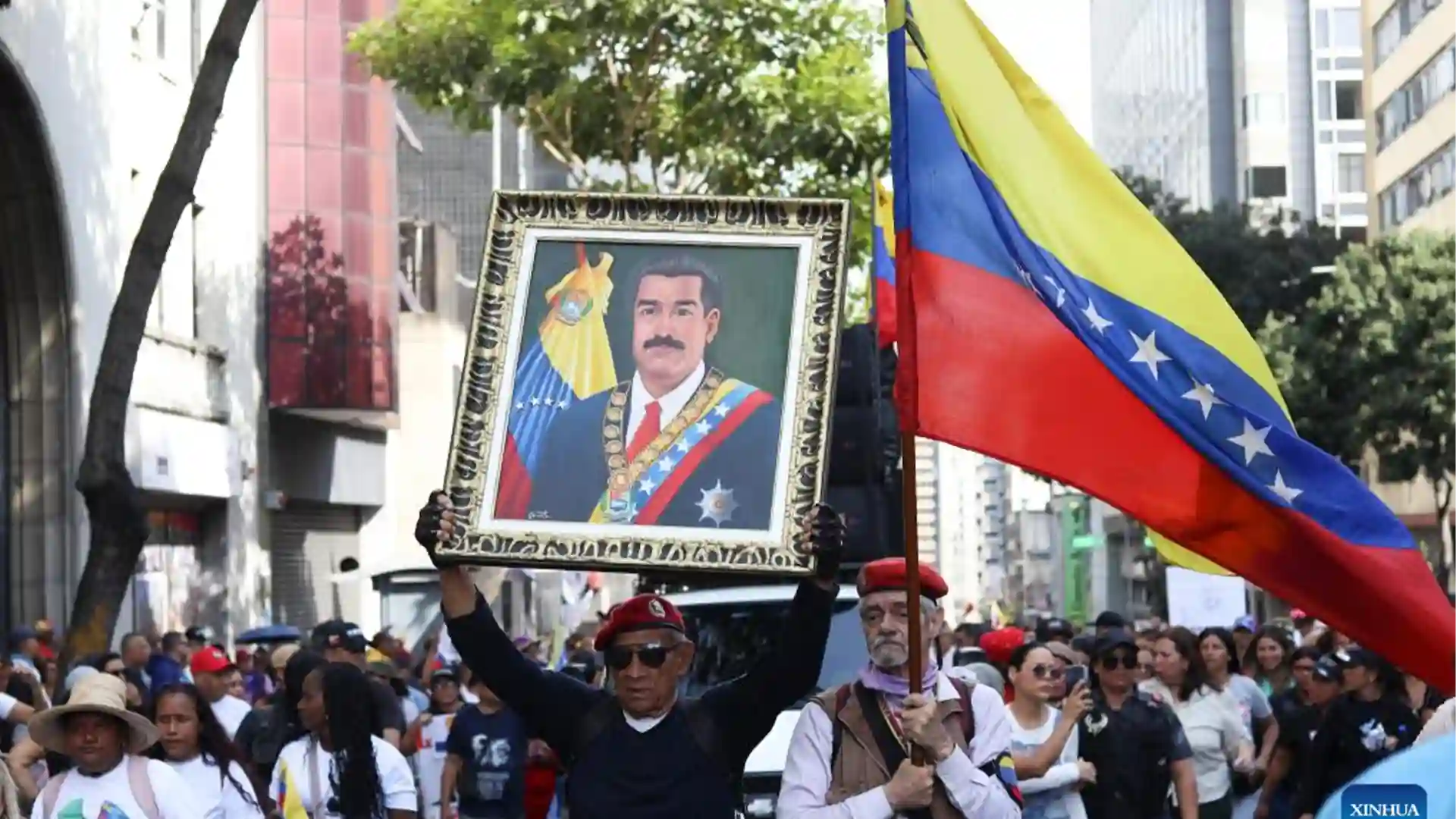
As explosions echoed through the night and U.S. warplanes tore across the skies above Caracas, Jorge Suarez and his fellow members of the “colectivos” scrambled anxiously for their weapons.
For these armed supporters of Venezuela’s leftist government, the sudden U.S. operation that removed Nicolás Maduro from power represented their most intense challenge yet.
“This isn’t something we’re accustomed to—it felt like a blockbuster, like a scene straight out of a movie,” Suarez said, wearing dark sunglasses and a cap that read “Doubt is treason.” “We hit the streets, waiting for orders from our leaders.”
Devoted defenders of the socialist “Bolivarian revolution,” the colectivos were left angry and confused by Maduro’s ousting, believing he had been betrayed by those closest to him.
“There’s frustration, anger, and a determination to fight,” said Willians, 43, a member of the Boina Roja (Red Beret) collective, dressed in a black cap and hoodie.
“It’s still unclear exactly what happened… But one thing is certain: there were many betrayals,” he added, referring to the unexpected failures in Maduro’s defense systems.
“We don’t understand how the anti-aircraft defenses failed. We don’t know what happened with the rocket launchers.”
Maintaining Order
Originating under Hugo Chávez and solidified under Maduro, the colectivos are responsible for maintaining social order in the streets, though critics accuse them of harassment and intimidation.
After Maduro’s removal, they have rallied around Delcy Rodríguez, his former deputy, now interim president.
Rodríguez has promised to cooperate with U.S. President Donald Trump regarding Venezuela’s vast oil resources, while insisting the country will not be subservient to Washington.
Willians dismissed some post-Maduro speculation as psychological tactics, such as fears that Trump might strike again or that Rodríguez might align with the U.S.
They respect her ideological roots—Rodríguez is the daughter of a far-left activist who died in custody in 1976.
“No one would betray her father,” said Alfredo Canchica, head of another collective, Fundación 3 Raíces.
“You can betray the people, but not your father.”
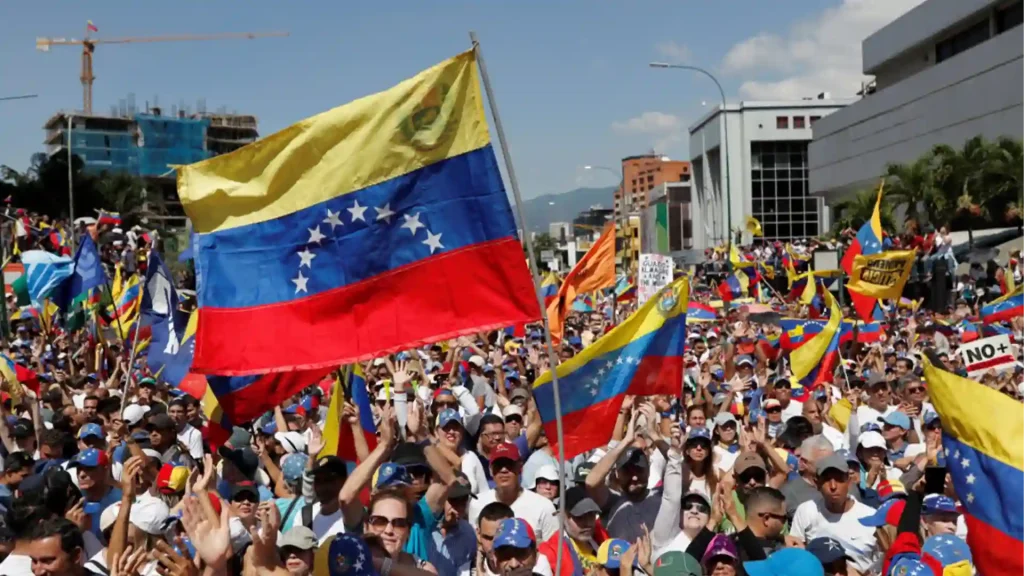
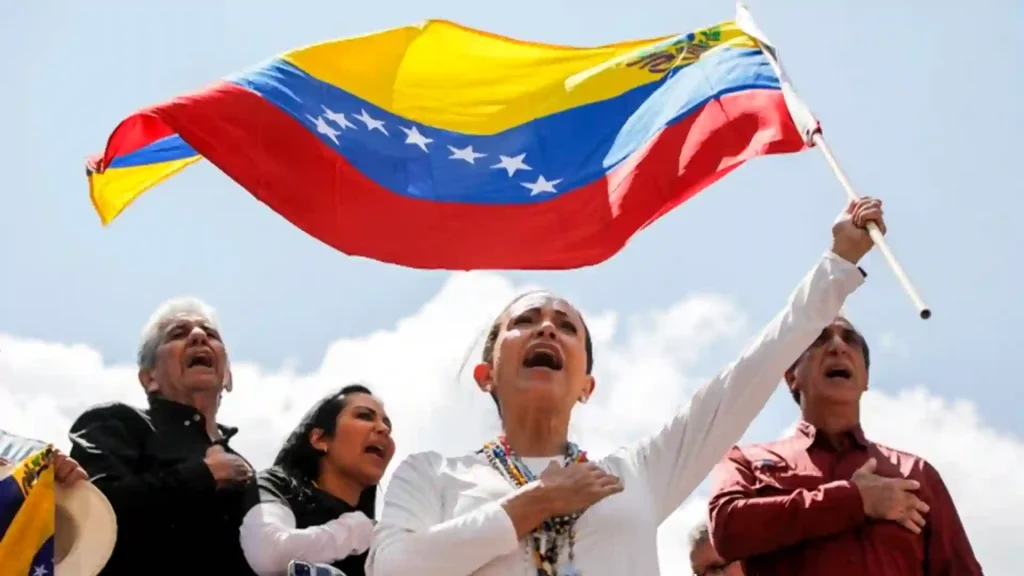
When asked about the future under Rodríguez and Trump, colectivo members remained guarded.
“We don’t believe the American threats,” Canchica said. “If they want us, they’ll have to kill us first.”
A Controversial Force
Opponents fear the colectivos as a heavily armed, motorbike-mounted shock force. Yet in some neighborhoods, they are welcomed for reducing crime and distributing subsidized food.
At the Chato Candela baseball stadium in the working-class 23 de Enero district, Canchica defended their reputation.
“When opponents accused Maduro of rigging the July 2014 election, we kept the shantytowns from erupting,” he said.
He added that colectivos also run sports programs, coordinate with hospitals and transport services, and monitor local trade to prevent price gouging.
Loyal to the Chavista movement, they felt deeply betrayed by Maduro’s capture.
“The betrayal must have come from someone very close to our commander,” Canchica said.
“It happened so perfectly and so fast that we didn’t even notice—it’s still unclear who was behind it or how they did it.”
In his office, surrounded by images of Simon Bolivar, Chávez, and Maduro, with books, bullets, and a sound-wave bomb on the table, Suarez recalled watching animated reconstructions of Maduro’s capture online.
“It makes you angry,” he said. “Despite all the military support we’ve received from Putin, China, and North Korea, how are we supposed to respond in real time when the U.S. has far superior technology?”